
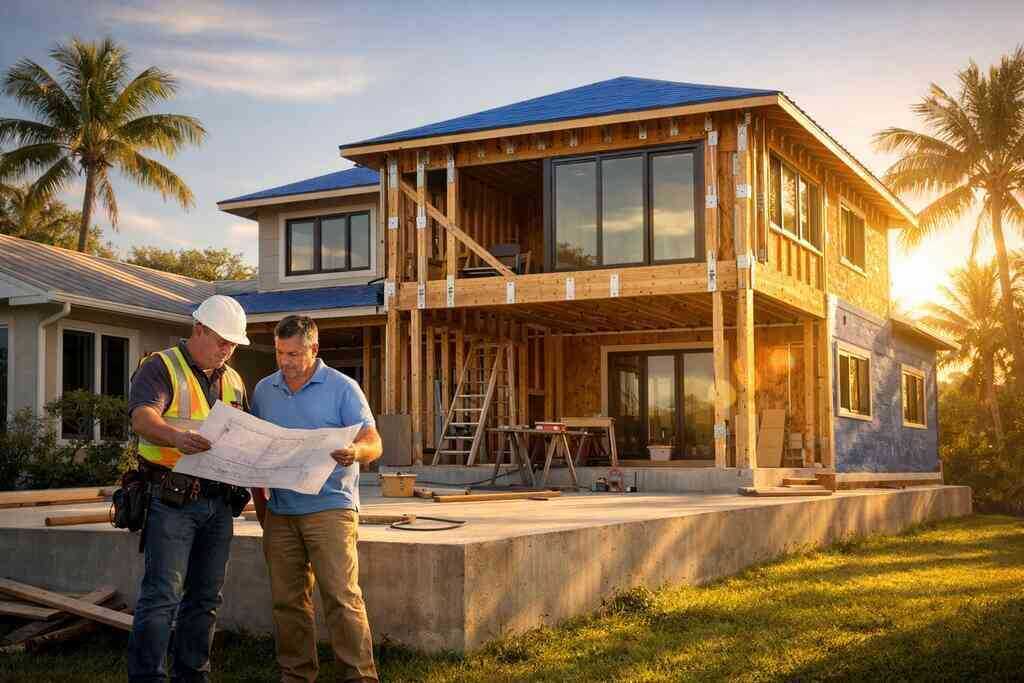
Adding square footage to your home is exciting, yet it comes with serious regulatory responsibilities. The latest updates to the Florida building code create a new landscape for homeowners and builders alike. These changes prioritize safety, energy efficiency, and structural resilience in ways that demand attention. Understanding these requirements is essential before breaking ground on any project. A knowledgeable South Florida contractor can guide you through every nuance. Let us explore what these updates mean for your upcoming addition.
Navigating the 2026 Florida Building Code: A New Era for Home Additions
The Florida building code has always set a high bar for construction standards. The recent updates raise that bar even further for residential additions. Homeowners must recognize that code compliance is not optional but mandatory. This new era emphasizes protection against natural forces and energy waste. Every addition must now meet stricter criteria from foundation to roofline. Partnering with experienced general contractors in South Florida ensures your project aligns with these demands. The following subsections break down the most critical changes you need to know.
The High-Velocity Hurricane Zone Mandate: Why Your Addition Must Be Fortified
Florida high-velocity hurricane zone additions require robust engineering that goes well beyond standard building practices. These zones cover coastal areas where wind speeds can exceed 140 miles per hour. Your addition must incorporate materials and methods proven to resist extreme uplift forces. Windows, doors, and roof assemblies all fall under this heightened scrutiny. A contractor in South Florida understands the specific testing protocols required for these zones. For comprehensive details on these mandates, explore this resource on 2026 Florida building code home additions. The code now mandates continuous load paths that tie every component together seamlessly.
Failing to meet high-velocity hurricane zone requirements can lead to permit denial and safety risks. The code demands that every structural element withstands repeated impact from windborne debris. This includes using reinforced concrete or masonry for exterior walls in many cases. Additionally, the roof deck must be fastened with ring-shank nails or equivalent connectors. Builders must also install foam closures at all roof-to-wall intersections. These measures prevent catastrophic failure during severe storm events. Your contractor should verify all materials carry approved product approvals for these zones.
Structural Load Path Integrity: From Roof to Foundation in South Florida
Florida structural load path additions now require a complete and uninterrupted connection from roof to foundation. This means every nail, strap, and connector must work as a unified system. The code explicitly defines how forces transfer through walls, floors, and connections. Builders cannot rely on guesswork or traditional framing alone anymore. Engineered drawings must specify every connector and fastener type. This level of detail prevents weak points that could fail under stress.
The load path concept starts with the roof sheathing and continues down to the foundation anchors. Each connection point must resist both uplift and lateral forces simultaneously. For example, wall-to-floor connections require galvanized steel straps at precise intervals. Foundation anchor bolts must embed deeply into concrete and engage with treated sill plates. The code also addresses truss uplift mitigation to prevent ceiling separation. This comprehensive approach ensures your addition performs as a monolithic structure during high winds. Work with a South Florida general contractor who routinely engineers these complex load paths.
Wind Mitigation Essentials for Additions: Impact-Resistant Glazing and Hurricane Straps
Wind mitigation for Florida home additions revolves around two critical components: impact-resistant glazing and hurricane straps. Impact-resistant windows and doors must meet strict testing standards for missile impact and pressure cycling. These assemblies prevent wind and water from entering your home during a storm. The code requires these products to bear an approved label from a recognized testing agency. Additionally, all glazing within certain distances from the ground must comply. This protects occupants from flying debris that can shatter ordinary glass.
Hurricane straps and clips provide the mechanical strength that holds your addition together. These metal connectors fasten rafters and trusses to the top plate of walls. The code specifies the number, size, and installation pattern of these straps. Improper installation can render even high-quality straps ineffective. Builders must also install straps at both ends of every rafter or truss. Secondary connections for gable ends and overhangs require additional reinforcement. This layered approach to wind mitigation creates a durable envelope around your living space. Learn more about effective strategies through this guide on wind mitigation for Florida home additions.
Secondary Water Barriers and Tie-Down Requirements: Beyond the Code Minimum
Secondary water barriers represent a significant upgrade from previous code editions. This requirement mandates a self-adhering membrane installed under the roof covering. The membrane seals around all penetrations like vents, chimneys, and skylights. It provides a backup layer that prevents water intrusion if the primary roofing fails. Many contractors consider this one of the most cost-effective upgrades for storm protection. The code now requires this barrier on all new additions, not just whole-house roofs.
Home addition tie-down requirements have also expanded to cover more building components. Beyond standard roof connections, the code now addresses parapet walls, porch roofs, and attached structures. Each element must tie into the main structural system with engineered connectors. The tie-down sequence must follow the manufacturer’s specifications exactly. Inspectors will verify these connections before approving subsequent construction phases. This meticulous attention to detail prevents small failures from cascading into major damage. Your contractor must document each tie-down point for inspection records.
Energy and Environmental Compliance: The 2026 Code’s Green Blueprint
Energy efficiency and environmental protection now intertwine with structural requirements in the updated code. These provisions aim to reduce utility costs and improve indoor comfort year-round. Florida energy code home addition compliance requires attention to insulation, ventilation, and moisture control. The code balances these goals with the region’s unique climate challenges. Homeowners benefit from lower energy bills and healthier indoor environments. The following subsections clarify the most impactful energy-related changes for additions.
Florida Energy Code Home Addition Compliance: R-Value Insulation and Mechanical Ventilation
Florida addition insulation R-value requirements have increased for both walls and attics in many climate zones. Attic insulation now requires a minimum R-38 value in most of South Florida. Wall cavities must achieve at least R-13 for standard framing or R-7.5 for continuous insulation. These values reduce heat transfer and keep interiors comfortable without overworking air conditioning systems. Proper installation is just as critical as the insulation material itself. Gaps, compression, and moisture damage can all undermine thermal performance.
Mechanical ventilation has become a mandatory component for most home additions. The code requires continuous ventilation that meets specific air exchange rates. This prevents indoor air pollutants from accumulating in tightly sealed spaces. Energy recovery ventilators are becoming popular for their efficiency in Florida’s humid climate. These systems precondition incoming air while exhausting stale indoor air. The ventilation system must also integrate with the addition’s heating and cooling design. A careful balance between energy savings and indoor air quality is essential. Review the details of Florida energy code home addition compliance to ensure your project meets these standards.
Slab-on-Grade Vapor Retarders and Moisture Barriers: Protecting Against Humidity
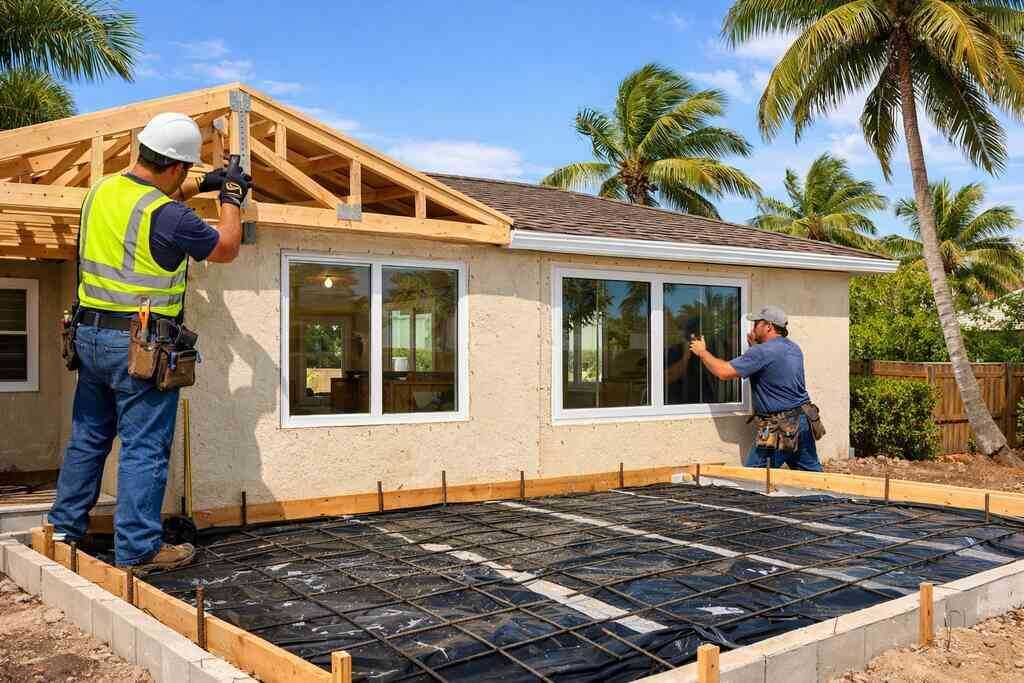
Florida addition moisture barrier code requirements address the persistent challenge of ground moisture. Slab-on-grade vapor retarders must now cover the entire ground surface beneath concrete floors. This barrier prevents moisture migration that can lead to mold growth and flooring failures. The material must be at least 6 mils thick with proper seam sealing. Builders must also extend the vapor retarder up the foundation walls to create a continuous seal.
Moisture barriers extend beyond the slab to include wall cavities and crawl spaces. The code requires vapor-permeable barriers on the exterior side of wall assemblies. This allows trapped moisture to escape while preventing liquid water entry. In crawl spaces, ground covers and ventilation requirements have been updated. Proper drainage around the foundation also plays a crucial role in moisture management. These combined strategies protect your addition from South Florida’s high humidity levels. Your contractor should test soil moisture content before pouring any concrete.
Natural Light and Emergency Escape Rescue Openings: Balancing Aesthetics and Safety
Florida addition egress window requirements mandate emergency escape and rescue openings in all sleeping rooms. These openings must provide a clear path for occupants to exit during emergencies. The minimum dimensions require at least 5.7 square feet of net clear opening. The bottom of the opening must sit no higher than 44 inches above the floor. Window wells require ladder or steps if the sill is below grade. These requirements balance safety with the desire for natural light and views.
Natural light requirements also apply to habitable rooms beyond bedrooms. The code demands that windows or skylights provide a minimum glazing area equal to 8% of the floor area. This ensures adequate daylight penetration and connection to the outdoors. Operable windows must equal at least 4% of the floor area for ventilation. Designers must carefully position windows to meet both light and egress requirements. Automated blinds and shading devices are becoming popular for managing heat gain. These strategies allow you to enjoy natural light without sacrificing energy efficiency.
Termite Protection and Foundation Elevation in Flood Zones: A Dual Challenge
Florida addition termite protection code requirements demand physical and chemical barriers for all new construction. Soil treatment with approved termiticides creates a protective zone around the foundation. Physical barriers like stainless steel mesh or sand aggregates provide additional defense. Builders must also treat all wood within 18 inches of the soil with preservatives. Inspection ports and access panels allow for future monitoring of termite activity. These measures protect your investment from Florida’s aggressive subterranean termite populations.
Florida foundation elevation additions flood zone requirements add another layer of complexity. Additions in flood hazard areas must comply with local floodplain management ordinances. The lowest floor must elevate to or above the base flood elevation plus freeboard. This protects the structure from flood damage and reduces insurance premiums. Foundations must also resist hydrostatic and hydrodynamic forces during flood events. Breakaway walls and flood vents are required for enclosed areas below the elevation level. Balancing termite protection with flood elevation creates unique design challenges. Your contractor must coordinate these requirements with local building officials.
Permitting and Practical Execution: Working with a South Florida General Contractor
Navigating the permitting process requires expertise that only experienced professionals can provide. The Florida home addition permitting process involves multiple agencies and approval stages. A capable general contractor in South Florida manages these complexities on your behalf. They understand the local amendments and interpretation differences between jurisdictions. The following subsections explain what homeowners should expect during this phase.
The Florida Home Addition Permitting Process: What a Contractor in South Florida Must Navigate
The Florida home addition permitting process begins with submitting detailed construction documents to the local building department. These plans must include structural calculations, energy compliance forms, and site plans. The review process checks for adherence to all applicable codes and zoning regulations. Plan reviewers may request revisions or additional information before approval. This iterative process can take weeks or months depending on project complexity. A contractor in South Florida who regularly files permits knows how to streamline this process.
Inspections occur at multiple stages throughout construction to verify code compliance. Foundation, framing, rough-in, and final inspections are all mandatory. The contractor must call for inspections at the appropriate times and correct deficiencies promptly. Failing an inspection can delay construction and add costs. Building officials also verify that field changes match approved plans and specifications. This rigorous process protects homeowners from substandard construction practices. Discover more about navigating this process through the Florida home addition permitting process guide.
Electrical Load Calculations and Plumbing Venting Code: Hidden Complexities
Florida addition electrical load calculation requirements ensure your home’s electrical system can handle additional demand. The code requires a detailed calculation of all new loads added by the addition. This includes lighting, receptacles, appliances, and HVAC equipment. The existing service panel may need upgrading if the total load exceeds its capacity. Dedicated circuits are required for certain appliances like ranges and dryers. Ground fault and arc fault protection must extend to all new circuits in the addition. Your electrician must submit these calculations with the permit application.
Florida addition plumbing venting code requirements prevent sewer gas from entering your living space. New fixtures must connect to properly sized vent pipes that terminate above the roof. The vent system must maintain minimum distances and slopes to ensure proper drainage. Wet venting is allowed under specific conditions but must follow strict guidelines. The code also addresses trap arm lengths and fixture unit calculations. These hidden complexities can trip up homeowners who attempt DIY plumbing. A licensed plumber familiar with local code interpretations is essential for compliance.
Fire Separation and Ceiling Height Requirements: Ensuring Code Compliance
Florida addition fire separation code requirements protect existing structures from fire spreading through additions. Attached additions must provide a fire-resistance rating between the old and new portions. This often requires fire-rated drywall assemblies and protected penetrations. The separation must extend from foundation to roof deck without interruption. Fire blocking must also occur at floor and ceiling levels within the addition. These measures contain fires long enough for occupants to escape safely.
Ceiling height requirements dictate minimum clearances for habitable spaces in additions. The code mandates a minimum ceiling height of 7 feet 6 inches for habitable rooms. Bathrooms, hallways, and laundry rooms may have slightly lower allowances. Beams and ductwork projecting below the ceiling must maintain clearances as well. These requirements ensure adequate headroom and a sense of spaciousness in your addition. Your architect must account for structural elements when designing ceiling heights. Review the specifics of Florida addition fire separation code to avoid common pitfalls.
From Delray Beach to Boca Raton: How Local Remodelers Adapt to 2026 Updates
Home additions in Delray Beach and home additions in Boca Raton each face unique challenges due to local conditions. Delray Beach Florida has specific elevation requirements tied to its proximity to the Atlantic Ocean. Boca Raton Florida enforces strict tree preservation ordinances that affect foundation placement. Local remodelers must navigate these differences while maintaining statewide code compliance. They also understand the aesthetic preferences common in each city’s housing stock. This local knowledge prevents delays and costly redesigns during construction.
Adapting to the 2026 updates requires continuous education and investment in new materials. Many remodelers have attended code update seminars and manufacturer training sessions. They have also updated their inventory to include compliant products like impact windows and high-R-value insulation. Experienced contractors maintain relationships with local building officials for guidance on gray areas. This proactive approach ensures your project stays on schedule and within budget. Whether you are building a sunroom in Delray Beach or a master suite in Boca Raton, local expertise matters. Connect with a general contractor in South Florida who specializes in code-compliant additions.
The path to a successful home addition involves careful planning, code knowledge, and skilled execution. Every requirement discussed here serves a purpose in protecting your family and investment. Working with qualified professionals ensures your addition meets all safety and performance standards. South Florida Contractors connects you with vetted professionals who understand these challenges. Their directory includes specialists in every trade needed for your project. Begin your addition journey with confidence by finding the right team today.
Frequently Asked Questions
Question: What are the most critical changes in the 2026 Florida Building Code for home additions, and how can a South Florida contractor help me comply?
Answer: The 2026 Florida building code home additions introduce major updates, especially for structural resilience and energy efficiency. Key changes include mandatory high-velocity hurricane zone requirements, continuous structural load paths, impact-resistant glazing, and enhanced tie-down systems. For wind mitigation for Florida home additions, every component from roof to foundation must resist extreme uplift. A qualified contractor in South Florida ensures your addition meets these standards by conducting proper engineering, selecting approved materials like hurricane straps, and navigating the Florida home addition permitting process. Delray Beach Construction Company and Boca Raton Remodelers, for example, use specialized knowledge to fortify additions against local storm risks while maintaining code compliance.
Question: How do the updated wind mitigation and energy requirements affect my home addition project, and why should I trust South Florida Contractors for this work?
Answer: The 2026 code strengthens both wind mitigation for Florida home additions and Florida energy code home addition compliance. You will need impact-resistant glazing, hurricane straps, secondary water barriers, and higher R-value insulation like R-38 in attics. Mechanical ventilation is now mandatory to improve air quality. Home additions in Delray Beach and home additions in Boca Raton must also incorporate slab-on-grade vapor retarders to manage humidity. By choosing a South Florida general contractor from South Florida Contractors, you benefit from professionals who understand these layered requirements. They handle everything from electrical load calculations to termite protection, ensuring your addition is both safe and efficient.
Question: What specific structural requirements must my addition meet under the 2026 Florida Building Code, and how can a Delray Beach Construction Company or Boca Raton Renovation Contractor handle them?
Answer: Your addition must comply with Florida structural load path additions, requiring a continuous connection from roof to foundation using engineered connectors. Florida high-velocity hurricane zone additions demand reinforced walls, impact doors, and proper roof-to-wall connections. Florida addition roof-to-wall connection details now require galvanized steel straps at every truss, while Florida addition truss uplift mitigation prevents ceiling separation. A local Delray Beach Construction Company or Boca Raton Renovation Contractor verifies every tie-down point, coordinates with building officials, and sources approved materials. This ensures your project passes rigorous inspections for Florida addition emergency escape rescue openings and foundation stability, giving you peace of mind.
Question: How does the 2026 code address flood zones, moisture, and termites for additions, and what services does South Florida Contractors offer for these challenges?
Answer: Florida foundation elevation additions flood zone requirements mean your addition must be elevated above base flood levels, with breakaway walls and flood vents if needed. Florida addition moisture barrier code mandates vapor retarders under slabs and in wall cavities to prevent mold. Florida addition termite protection code requires soil treatment and physical barriers. South Florida Contractors connects you with specialized contractors who integrate these protections seamlessly. For example, they install proper floor drains, seal all penetrations, and use treated lumber. Whether you need Find Patio Coverings Contractors or Find Roofing Contractors, their team ensures compliance with every detail, from slab-on-grade vapor retarders to fire separation requirements.
Question: Why is it important to work with a South Florida general contractor for the 2026 code updates, and how can I get started with South Florida Contractors?
Answer: The 2026 Florida building code home additions demand expertise in permitting, structural engineering, and energy compliance. A Florida general contractor addition requirements professional from our directory stays current with local amendments, such as those for Delray Beach Custom Home projects or West Palm Beach Renovations. They manage Florida home addition permitting process, inspections, and field changes. South Florida Contractors makes it easy to Find Kitchen Remodeling Contractors or Find Bathroom Remodeling Contractors who specialize in code-compliant work. Simply enter your zip code, view detailed profiles, and schedule a consultation. Trust our network to deliver safe, durable, and efficient results for your next addition.