
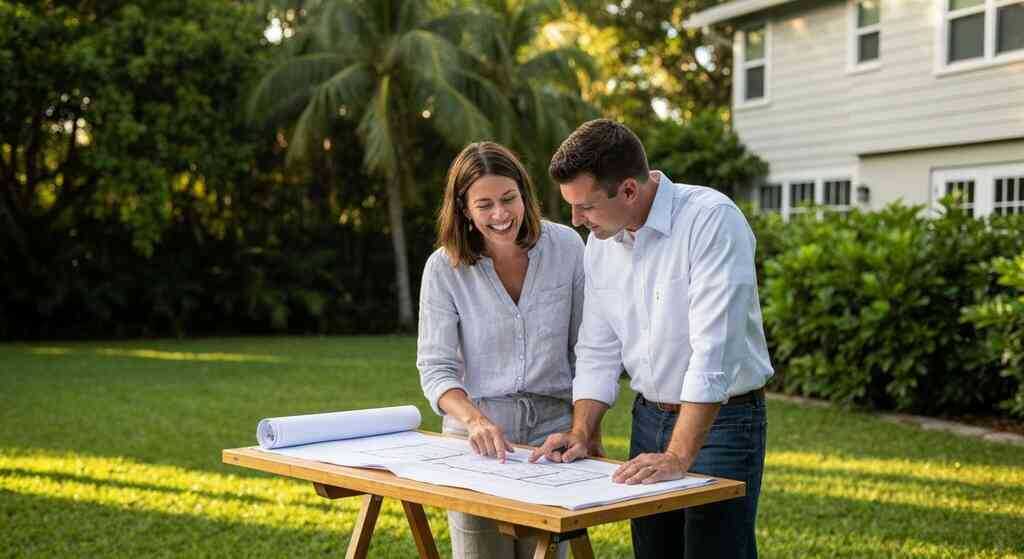
You are looking at your backyard and realizing that your property has more potential than just a patch of grass. Whether you need a private office, a place for aging parents, or a rental unit, you are likely considering a home addition project in Florida. Many homeowners are currently looking for a top 10 ADU builders in Palm Beach to maximize their land use. This process involves careful planning, budgeting, and finding a skilled team to bring your vision to life. Ensure your investment adds value to your home rather than becoming a source of stress.
Adding Extra Space to Your South Florida Property
Adding an accessory dwelling unit is a smart move in the current housing market. You have likely seen more of these structures appearing in neighborhoods from Miami to West Palm Beach. A professional South Florida general contractor can guide you through the process of creating a functional space. These units provide flexibility that traditional house additions lack by offering a self-contained living environment. Many families find that this approach solves their need for space without requiring a move to a new home.
Why homeowners are choosing accessory dwelling units
Homeowners are increasingly turning toward accessory dwelling units to solve complex housing puzzles. You might be supporting multi-generational living solutions where grandparents move closer to the family. Others are tired of the costs associated with traditional rental offices and want a backyard studio installation instead. These units provide privacy while maintaining the benefits of a shared property. With rising real estate prices, building on land you already own makes significant financial sense for many families.
Demand for detached living spaces has surged as remote work becomes a permanent fixture. You can create a distraction-free workspace that sits just steps away from your primary residence. This separation helps you maintain a healthy work-life balance while avoiding a grueling daily commute. Furthermore, these units can serve as a guest house for visiting friends or as a long-term rental income generator. By choosing the right design, you ensure that the unit feels like a natural part of your existing landscape.
Understanding the value of a backyard cottage
Investing in a backyard cottage is more than just a renovation; it is a long-term asset strategy. A well-constructed detached guest house construction in Boynton Beach can significantly increase your total property appraisal. Prospective buyers often see these additions as high-value perks that distinguish your home from others. You gain the dual advantage of personal enjoyment today and a higher resale price tomorrow. Focus on high-quality construction to ensure the unit remains an asset for years to come.
When you design your cottage, consider how the architecture will complement your main home. A cohesive look helps maintain the aesthetic appeal of your property and keeps neighborhood association boards satisfied. Think about the layout, light exposure, and how the building integrates with your garden or patio areas. A beautiful backyard retreat serves as an oasis, adding tranquility to your daily life. The aesthetic value provided by a custom-built, well-integrated cottage is often just as important as the functional square footage.
Setting realistic expectations for your construction project
You are likely curious about the timeline and effort required for such a significant undertaking. Construction projects in our region involve many moving parts, from site preparation to final inspections. It is crucial to have an open conversation with your builder about the anticipated construction schedule. Unexpected weather delays or supply chain interruptions are common, so build some “cushion time” into your plan. Understanding the workflow helps you manage your own expectations and keeps frustration levels low.
Budgeting for a detached living space requires honesty about your financial goals and the quality of finishes you desire. Obtain a detailed breakdown of costs that includes everything from the foundation to the final trim work. Avoid the temptation to choose the lowest bidder if their quote seems too good to be true. Quality materials and expert labor will save you money on maintenance and potential repairs in the long run. Work with your contractor to prioritize your must-have features while keeping a contingency fund for unforeseen site conditions.
The Rules and Realities of Building in Our Climate
Building an ADU in our corner of the state is not the same as building in other regions. We have a unique set of challenges that dictate how we construct buildings to ensure they last. Your project must adhere to strict guidelines that keep your family safe and your property protected. Working with an experienced professional ensures that your project stays compliant with local ordinances. Ignoring these rules can lead to expensive fines or safety risks during major storms.
How to handle zoning and permit requirements for ADUs
Familiarize yourself with the specific accessory dwelling unit regulations in Florida before you break ground. Each municipality has its own take on setbacks, height restrictions, and total square footage allowed on a lot. You might find that your neighborhood has specific rules for backyard structures that differ from the city at large. Engaging a professional early in the planning phase can help you avoid costly mistakes regarding property lines. They will help you navigate the process of getting the necessary approvals from your local building department.
Permitting is the gatekeeper of your project, ensuring that your home is safe and built to code. You will need to submit detailed plans that show how your structure meets all structural and safety requirements. This process often feels tedious, but it is necessary for maintaining your property insurance eligibility. Whether you are dealing with a construction permit in Broward or a permit in another county, the documentation must be precise. Never attempt to bypass the permitting process, as doing so can prevent you from selling your home later.
Meeting coastal construction standards and flood zone rules
Building in a flood zone construction area requires specialized knowledge and materials that can withstand water intrusion. Many parts of our region sit on low-lying land, making flood mitigation a top priority for developers. Your contractor must understand how to properly elevate the foundation to comply with local requirements. This might include using flood-resistant materials for the lowest parts of your structure to prevent rot and mold. Protecting your investment against water damage is essential for the longevity of any detached building project.
Coastal areas also have specific wind-borne debris regulations that you must follow. Your building team should be well-versed in the structural requirements needed to handle high winds. This often involves specific tie-downs, reinforced masonry, and specialized roof connections that differ from inland construction. By meeting these high standards, you are not just checking a box; you are actively protecting your property against the forces of nature. A build that respects the local environment is a build that will stand the test of time.
Why hurricane proof windows and impact doors are non negotiable
In this region, hurricane preparedness is a way of life, not just a seasonal chore. Investing in hurricane-proof windows is essential when designing your ADU. These windows and doors are built to withstand heavy impacts from flying debris without shattering. They offer peace of mind that allows you to feel secure even during the most intense storms. Choosing the right impact products also helps reduce noise and improves the overall energy efficiency of your structure.
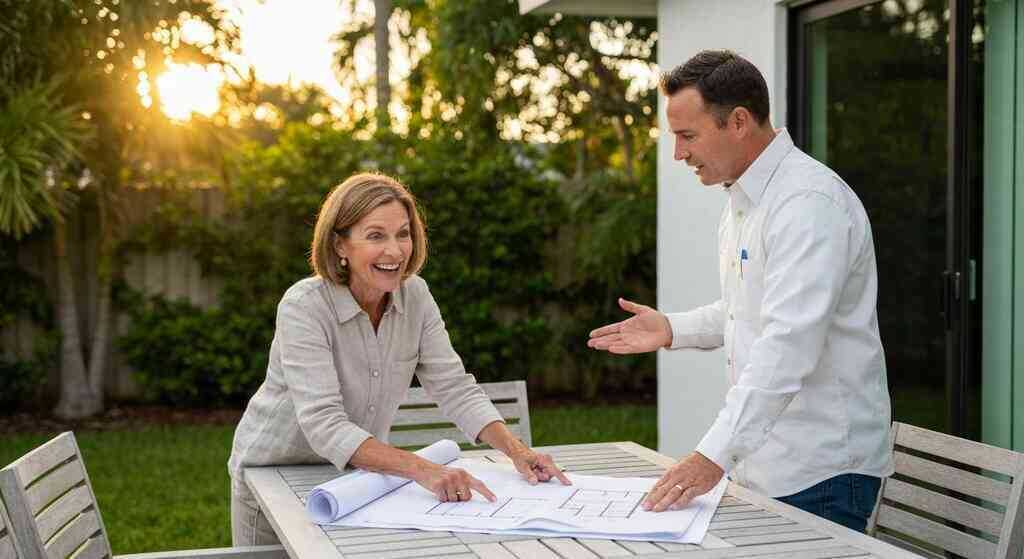
Do not try to cut costs by installing standard windows when local codes require impact-rated glass. These products are a critical component of the “envelope” that keeps your home’s pressure stabilized during a hurricane. When your windows hold, your roof is less likely to suffer from the pressure fluctuations that cause failures. Impact doors installation is equally important for maintaining the integrity of the building’s primary entrances. Make sure your chosen contractor verifies that all products have the necessary certifications for our wind zones.
Selecting sustainable materials that survive the salt air
The salt air in our region is notorious for causing corrosion on metal fixtures and exterior finishes. You must select building materials that can endure this harsh environment without rusting or deteriorating quickly. Sustainable building materials in Florida often include high-grade aluminum, fiber-cement siding, or treated tropical hardwoods. These options look fantastic and provide superior resistance to the corrosive effects of the coastal breeze. By choosing the right materials, you significantly reduce the amount of maintenance required for your new backyard cottage.
Sustainability also means selecting products that reflect heat and minimize your environmental impact. You might choose cool-roof tiles that help lower your internal cooling costs during the hot summer months. Incorporating energy-efficient lighting and high-quality insulation will keep your ADU comfortable while lowering utility consumption. Discuss these options with your builder to see what aligns with your budget and eco-friendly goals. A building that is designed to handle the climate is inherently more sustainable than one that needs constant repairs.
Finding and Hiring the Right Professional for the Job
Selecting the right partner for your project is the most critical decision you will make. You need someone who is not only skilled at construction but also easy to communicate with during the build. A reliable professional will provide transparency about the process and help you feel confident in your choices. Take your time to interview potential candidates and look at their past projects in our area. Your relationship with your contractor should be built on mutual trust and clear expectations.
Checking the Florida DBPR license before you sign anything
Never skip the Florida DBPR license check before hiring any contractor. The Florida Department of Business and Professional Regulation maintains a database of all licensed and insured professionals. You can easily search this site to ensure your candidate is active and in good standing. This check protects you from unlicensed individuals who may not have the training or insurance required for your project. Always ask for their license number and verify it yourself to be absolutely sure.
Insurance is another non-negotiable factor when hiring for a major construction project. Ensure that your contractor carries both general liability and workers’ compensation insurance. If an accident happens on your property and the contractor is not insured, you could be held legally and financially responsible. Request certificates of insurance and verify their validity with the carrier. A professional will have these documents ready and will not mind you checking their status.
How to vet a South Florida general contractor for your addition
Finding the right person requires more than just reading a list of names online. You should ask for references and take the time to call them to ask about their experience. Ask questions about whether the project finished on time and if the final cost matched the initial estimate. Pay attention to how the contractor handles problems or unexpected issues that pop up during construction. A good contractor will communicate clearly and provide solutions rather than making excuses.
Look for a contractor who has specific experience with detached units or small-scale residential additions. You can start by looking for general contractors near South Florida who have a strong local reputation. Observe how they present themselves in their initial consultation; are they organized, attentive, and professional? You should feel comfortable asking questions and expecting clear, simple answers in return. A good partner will value your input and keep you informed every step of the way.
Comparing quotes and understanding the true cost of detached living spaces
When you receive quotes, do not look for the lowest number alone. Instead, compare the scope of work and the quality of the materials listed in each proposal. One quote might be lower because it excludes essential items like permit fees or site cleanup. You want an “apples-to-apples” comparison that helps you understand exactly what you are paying for. A detailed, written estimate should be the foundation of your agreement with any builder.
Be wary of quotes that are suspiciously low compared to others, as this often indicates corners are being cut. Quality labor and materials in our region carry a market price that is fairly consistent among reputable firms. If a price seems too low, ask the contractor how they plan to achieve that cost. They should be able to explain their methods, supply chain, or efficiencies clearly. Your goal is to get the best value for your money, which means high-quality construction that lasts.
Ensuring your builder understands local utility and foundation needs
Your ADU needs to be integrated into your existing utility systems, including electricity, water, and sewage. This is a complex part of the job that requires specific expertise in site development. A skilled builder will assess your main home’s electrical capacity to see if an upgrade is needed. They will also manage the trenching and connections to ensure everything is up to code. Poorly planned utilities can lead to major headaches down the road, so ensure this is part of your initial project scope.
Foundation requirements for ADUs depend on your specific soil and site conditions. Some projects require slab-on-grade foundations, while others might need elevated pier foundations to manage water flow. Your builder should know the building code compliance in Miami-Dade or your specific county’s requirements for foundations. They must ensure that the structural base is strong enough to support your unit for decades to come. When you work with experts who know our local soil, you ensure that your backyard structure remains stable and secure.
Frequently Asked Questions
What is the average cost range for building an ADU in South Florida? Costs fluctuate based on size, complexity, and finish levels, but most projects range from $150 to $300 per square foot. Factors like utility connections, impact windows, and foundation types significantly influence the final total. Always obtain a detailed quote from your contractor to account for your specific site needs.
Do I need a separate utility meter for my detached guest house? This depends on your local municipality and your specific goals for the unit. Some areas allow you to tap into existing lines, while others require separate sub-meters for billing accuracy. Your builder will coordinate with local utility providers to determine the most cost-effective and compliant path for your property.
How long does the permitting process usually take? The timeline varies by city and county, often taking anywhere from a few weeks to several months. Complex projects in high-density areas may face more rigorous reviews, so start your planning as early as possible. Working with a contractor who understands local building department habits can help speed up the process.
Can I use an ADU as a short-term rental? Regulations on short-term rentals are strictly controlled by local zoning laws and homeowner associations. You must check with your local planning department to ensure your property is zoned for such use. Never assume that owning the building gives you the automatic right to operate it as a rental business.
Why is an elevation survey required for my project? An elevation survey is crucial for ensuring your structure meets flood zone construction standards. It provides the necessary data to determine how high your foundation must be to protect against potential water intrusion. Most building departments require this document as part of your initial permit application package.