
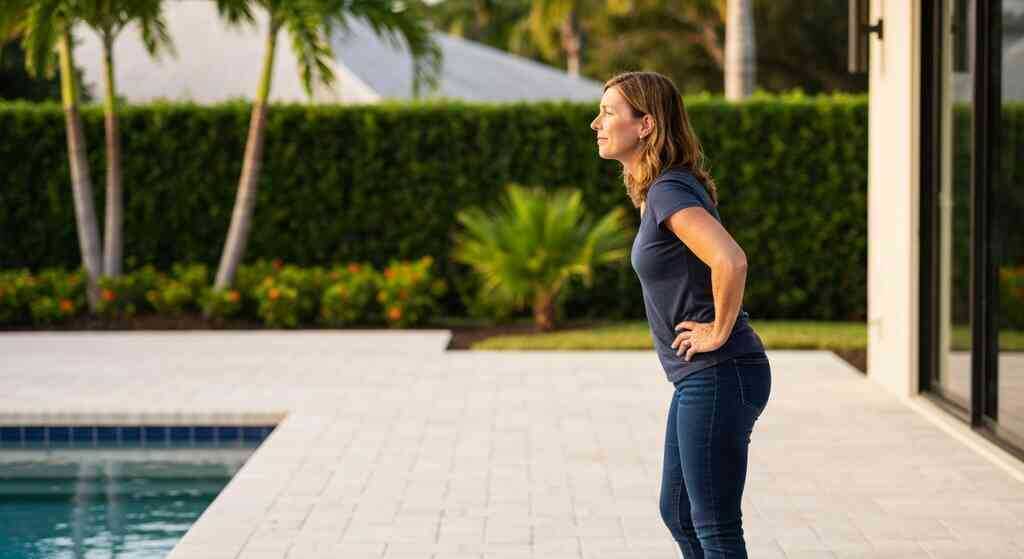
You are staring at your backyard, dreaming of a beautiful pool deck, but you worry about whether your investment will last through the next storm. Building in our region requires more than just picking a pretty color or a trendy material for your patio. A resilient pool deck must withstand intense heat, seasonal deluges, and the persistent pressure of a high water table. You need a space that serves as both a luxury retreat and a solid, structural asset to your home. Relying on South Florida pool deck builders near Boca Raton ensures that your vision aligns with the physical realities of the Sunshine State.
Why Your Pool Deck Needs More Than Just Good Looks
When you plan a backyard renovation, the aesthetics are often what catch your eye first in a magazine. However, a pool deck is fundamentally a structural element that protects your home’s perimeter. If the base is not properly prepared, even the most expensive travertine or paver system will eventually shift or crack. You must treat your outdoor flooring with the same technical scrutiny as you would the foundation of your house. Choosing the right experts is the first step toward avoiding the common pitfalls of regional construction.
Understanding the unique challenges of coastal construction
Coastal construction presents a set of obstacles that do not exist in cooler, drier parts of the country. We deal with sandy, loose soil that can shift rapidly when heavy rains hit during our storm season. A professional contractor knows exactly how to compact the sub-base to prevent those frustrating low spots that collect standing water. They also understand the specific depth requirements needed to ensure your deck does not pull away from the pool shell. Relying on residential construction standards in Florida allows for a long-lasting and safe environment for your family.
The proximity to the ocean means that every material choice is a battle against the elements. If you fail to account for the soil composition in your specific city, your deck could sag within a few seasons. Local builders understand the nuances of the soil, whether you live on the porous limestone of Miami or the softer, sandy deposits found further north. This localized knowledge separates a generic landscaping crew from a true construction professional. By focusing on proper site preparation, you ensure that your backyard remains stable for many years to come.
How salt air and humidity impact your outdoor flooring
Salt air is a silent invader that accelerates the breakdown of almost every building material we use outdoors. Over time, salt spray can pit concrete, corrode metal fasteners, and even degrade the finish of certain natural stones. Your deck needs specialized sealants that act as a barrier against these microscopic, corrosive particles. If you neglect this, you may find your beautiful finishes turning dull, chalky, or brittle much faster than expected. A trusted professional will always recommend materials that are tested for their resistance to high-salinity environments.
High humidity also plays a massive role in the longevity of your pool deck surfaces. When moisture stays trapped in the pores of stone or concrete, it provides the perfect environment for algae and mold to grow. This not only makes your deck look unkempt but also turns it into a dangerous, slippery surface. Proper ventilation and selecting non-porous finishes are critical to keeping your deck clean and safe throughout the humid months. Investing in the right materials from the start saves you from constant power washing and expensive chemical treatments later.
Identifying the signs of structural fatigue in pool areas
Catching structural fatigue early can prevent a minor repair from turning into a full-scale demolition project. Look closely at the grout lines between your pavers or the expansion joints around your pool’s edge. If you see wide cracks or pieces that seem to be tilting inward toward the water, you have a foundation issue. These signs often indicate that the sub-base is eroding or that the pool shell itself is moving independently of the deck. Ignoring these warning signs will eventually lead to trip hazards and potential damage to the pool plumbing system.
Another subtle sign of trouble is water pooling consistently in areas that should be dry. While a slight slope is necessary for drainage, deep puddles suggest that your deck has settled unevenly. If you notice efflorescence-a white, powdery substance on the surface of your pavers-it often signals excessive moisture wicking up from below. This usually means that your original moisture barrier was either poorly installed or has finally given out. Contacting pool deck renovation experts the moment you see these issues will save your backyard from further degradation.
Selecting Materials That Actually Survive Our Climate
Walking outside on a scorching July afternoon should not feel like an endurance test for your feet. The materials you select for your deck must be cool to the touch while maintaining a high level of slip resistance. We have seen many homeowners choose materials based solely on aesthetics, only to replace them within three years. It is vital to prioritize performance data over showroom samples, especially for heat absorption. A durable deck is one that stays functional during the peak of summer and the peak of hurricane season.
Comparing slip resistant pool pavers for safety
Safety is the absolute priority when you are dealing with a wet pool environment. You want a material that offers high friction even when it is completely soaked with pool water. The best slip resistant pool pavers for safety are typically tumbled or textured, which provides better grip than smooth, polished surfaces. Porcelain pavers are an excellent modern choice because they are dense, non-porous, and come in styles that mimic wood or natural stone. They do not fade easily and offer a very high rating for slip resistance, making them ideal for families with active children.
Traditional travertine is another local favorite, provided you choose the right grade. You should look for “select” grade, which has fewer large pits that can collect debris or catch toes. Natural stone needs to be sealed correctly to maintain its slip-resistant properties, as porous stone can get slippery if it stays wet for too long. Concrete pavers remain a reliable, cost-effective option, but they require periodic cleaning to ensure the texture stays rough enough for safety. Regardless of what you pick, always test a sample in your own backyard to see how it performs under direct sunlight.
The benefits of heat reflective pool deck coatings
In our tropical climate, the sun can heat up dark surfaces to temperatures that are literally painful to walk on. Heat reflective coatings have changed the game for pool deck construction in South Florida. These specialized finishes work by bouncing solar radiation away from the surface instead of absorbing it like traditional concrete. This makes your deck significantly cooler to the touch, allowing you to enjoy your outdoor space even when the sun is at its zenith. These coatings also help protect the underlying material from thermal expansion, which is a major cause of cracks.
Beyond comfort, these coatings serve as an excellent protective layer against the chemical exposure of a pool. They are typically engineered to be resistant to chlorine and salt, which keeps the colors vibrant for years. Many of these finishes come in a wide range of colors, so you do not have to sacrifice style for functionality. The maintenance is straightforward, usually requiring a simple rinse to keep them looking fresh. Integrating these finishes is a smart, forward-thinking strategy that adds value to your home improvement and renovation in Florida.
Choosing sustainable pool deck materials for long term durability
Choosing sustainable materials for your pool deck is an environmentally conscious move and a smart economic investment. Materials that are locally sourced have a lower carbon footprint and are often better suited to our specific regional environment. Permeable pavers are a fantastic example, as they allow rainwater to soak into the ground rather than pooling on your deck. This helps with local water management and reduces the amount of runoff that enters our delicate ecosystem. These systems are incredibly durable and can withstand heavy usage without failing over time.
You can also look into recycled content pavers or composite decking that is designed to resist UV rays and rot. When you prioritize sustainable pool deck materials for long term durability, you are essentially paying for longevity. High-quality materials resist the cycle of wear and tear that leads to frequent, expensive replacements. A building professional can help you navigate the various certifications to ensure you are getting real quality. Focusing on sustainability often leads to a more refined, high-end look that is both modern and timeless.
The Technical Side of Building for Tropical Storms
Building a deck in South Florida is different from anywhere else in the nation due to our unique weather patterns. You are not just building a patio; you are constructing a structure that must survive the intense wind and pressure of hurricane season. Every connection, every screw, and every slab must adhere to strict guidelines that account for potential storm surges. By working with a general contracting practice in Florida, you ensure that your backyard can stand up to the toughest weather.
Meeting Florida pool deck building codes and requirements
Every municipality from West Palm Beach down to Miami has specific codes that dictate how a pool deck should be built. These rules exist for your safety and to protect your neighbors from potential flooding or structural failure. You will need to obtain the proper permits before any work begins, which is a process your contractor should manage for you. For instance, 2026 guide to South Florida Contractors Permit Regulations are very specific regarding the slope and drainage capacity of a new pool deck. Following these codes is not optional, as they ensure that your project is legal and eligible for insurance coverage.
These regulations cover everything from the thickness of the base concrete to the type of reinforcement used in the slab. They also define the setbacks required to ensure you are not building over critical utility lines or too close to property boundaries. If you attempt to bypass these codes, you run the risk of significant fines and complications when you eventually try to sell your home. A professional contractor knows how to interpret the Miami-Dade building code to ensure your project passes every inspection with ease. Relying on an expert gives you the peace of mind that your backyard is built to last.
Why reinforced concrete pool decking matters for stability
A standard slab is often insufficient for a pool deck in our region because of our shifting soil. Reinforced concrete, which utilizes steel rebar or fiber mesh, provides the internal strength needed to prevent cracking during ground movement. This reinforcement binds the slab together, acting as a single, cohesive unit rather than a collection of loose pieces. In a place like Delray Beach, Florida, where the water table can fluctuate, this added stability is essential. It prevents the deck from splitting or sinking near the edge of the pool where the soil is most saturated.
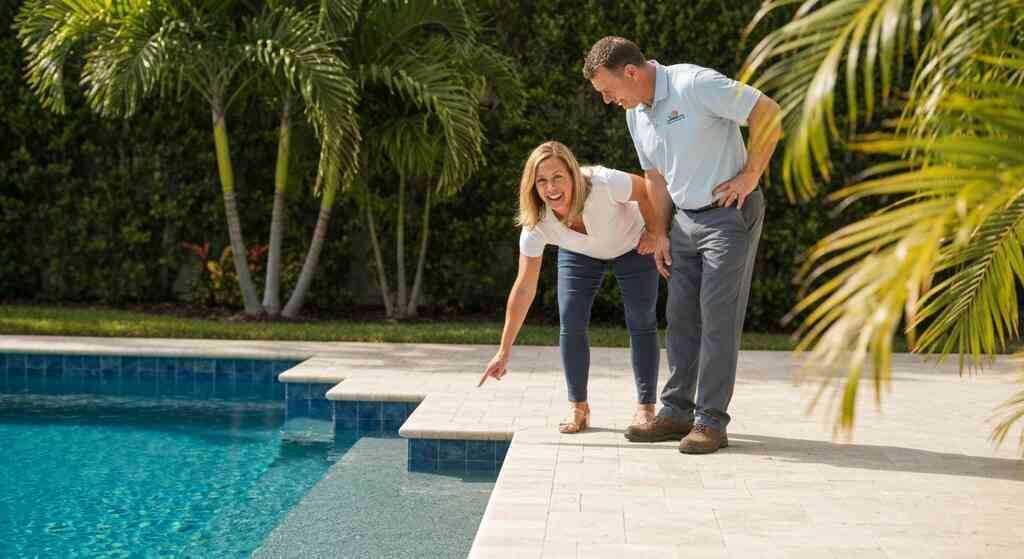
Beyond structural stability, reinforcement helps distribute the weight of patio furniture and heavy features like outdoor kitchens. Without proper reinforcement, a heavy grill or fire pit can create localized stress points that eventually lead to spider cracks. A professional builder will calculate the required amount of reinforcement based on the specific load your deck needs to support. This technical approach is exactly why you should look for an experienced contractor in Pompano Beach rather than a general laborer. The upfront investment in steel or fiber adds years to the life of your finished project.
Proper moisture barrier installation and erosion control
Water is the primary enemy of any concrete structure in South Florida, especially when the soil beneath is sandy. If you do not have a robust moisture barrier, water will wick up from the ground and erode the foundation over time. This process causes the soil to wash away, leaving voids beneath your deck that can cause the surface to collapse. A proper barrier system stops this moisture migration in its tracks and keeps your deck stable. This is a critical step in best 2026 hurricane season prep tips for South Florida homes that many DIY projects fail to implement.
Erosion control is equally important, particularly if your yard has any slope at all. Professional contractors will often install drainage mats or use specialized base materials that resist shifting during heavy rains. These systems are designed to manage water flow efficiently, directing it away from your foundation and towards proper drainage points. Without these measures, you might face expensive foundation repairs, which are far costlier than a professional installation. Making sure your deck has a solid foundation is the best way to safeguard your home against the elements.
Essential Systems for a Dry and Safe Backyard
A beautiful deck is useless if it is always under an inch of water. Because we experience heavy tropical downpours, a well-engineered drainage system is as important as the pavers themselves. You need a system that can move large volumes of water off the deck quickly to prevent flooding near your home’s doors or windows. This is where construction management becomes vital, as it coordinates these systems into the overall build. A dry yard is a healthy yard, free from the hazards of standing water and mold growth.
Designing effective pool deck drainage systems
The most effective drainage systems are often invisible, tucked away at the edge of the deck or integrated into the landscape design. A typical design includes a slight slope-usually about an eighth of an inch per foot-that naturally guides water toward deck drains or trench systems. These drains must be sized correctly to handle the intensity of a Florida thunderstorm, not just a light drizzle. If the drains are too small or poorly positioned, you will end up with standing water every time it rains. A smart contractor will test the drainage flow during the planning phase to ensure it works perfectly.
Beyond surface drainage, you should consider sub-surface systems that handle water saturation in the soil. These systems are particularly important if you live in a low-lying area or near a canal. A professional design will incorporate multiple layers of drainage to keep the entire backyard environment balanced. This approach ensures that your pool deck stays dry, safe, and clean year-round. It is a critical component of find decks contractors that most homeowners overlook until it is too late.
Waterproofing techniques to prevent foundation damage
Waterproofing is a vital part of protecting your pool deck’s structural integrity. Applying a high-quality sealant over your concrete or stone creates a barrier that prevents water from seeping into the pores. This prevents the “freeze-thaw” effect, which, while rare here, is replaced by the “heat-soak” effect that expands and cracks materials. Proper waterproofing keeps your deck looking brand new by preventing stains from oils, pool chemicals, and organic matter. It makes your routine cleaning tasks much easier and less frequent.
For homeowners who want the best, there are specialized epoxy or polyaspartic coatings that offer extreme protection. These materials are chemically bonded to the surface, creating an impenetrable layer that is far tougher than standard sealers. These high impact pool deck finishes are excellent for high-traffic areas or homes with pets. They are incredibly resistant to damage, providing a smooth, beautiful, and long-lasting surface. By choosing the right waterproofing, you effectively armor your deck against the harsh Florida environment.
Professional pool deck installation versus DIY risks
You might be tempted to save money by doing your own deck installation, but the risks in South Florida are immense. A DIY project often lacks the necessary permits, meaning you have no legal recourse if something goes wrong. You also miss out on the industry expertise required to handle our specific soil, climate, and code requirements. A mistake in the drainage or reinforcement could end up costing you three times what a professional installation would have cost. Do not gamble with the structural safety of your home on a weekend project.
Professional pool deck installation provides you with a team of experts who have handled hundreds of similar projects. They know which materials work best in your city, which permits you need, and how to finish the job on time. They carry the necessary insurance to protect you during the construction process, giving you complete peace of mind. Investing in a professional means you get a high-quality result that will stand the test of time. When you are ready to start, remember that the most successful projects begin with the right partnership.
Keeping Your Outdoor Space Beautiful Through Every Season
Your pool deck is the heart of your home’s outdoor life, so it deserves to be maintained with care. A well-maintained deck is about performance and safety for your family. With a little bit of planning and consistent effort, you can keep your backyard looking like a resort paradise. Even in our intense climate, your deck can stay beautiful for many years if you take the right steps. It is all about knowing what to do and when to do it.
Practical pool deck maintenance tips for homeowners
Routine cleaning is the most important maintenance task you can perform for your deck. Once every few months, use a mild detergent and a soft brush to remove the buildup of dirt, salt, and pool chemicals. This simple act prevents these substances from soaking into your stone or concrete, which causes long-term staining and damage. If you have an area that seems to attract mold or algae, treat it with a specialized, eco-friendly cleaner designed for outdoor use. Never use high-pressure washers without professional advice, as you can easily damage the surface texture and the joints.
Keep an eye on the surrounding landscaping to ensure that plants and tree roots are not encroaching on your deck. Roots can grow under your slab and cause heaving or cracking, which is a difficult issue to resolve. Regularly check your pool deck surface for any loose pavers or signs of shifting. If you catch these small issues early, a pool deck renovation expert can often fix them with minor adjustments. Staying on top of these small tasks is the secret to a deck that looks good for a lifetime.
Planning for pool deck resurfacing and high impact finishes
Eventually, even the most durable deck will need a refresh, and that is where resurfacing becomes an option. If your slab is still structurally sound but looks tired or stained, you do not necessarily need a full demolition. Resurfacing allows you to apply a brand new finish over your existing base, giving you a fresh, modern look for a fraction of the cost. You can choose from 2026 guide to South Florida pool deck resurfacing materials to find the latest trends in colors and textures. This is a great way to breathe new life into your backyard without a major construction project.
When resurfacing, consider upgrading to high-impact finishes that provide added durability. These materials are designed for heavy use and offer the best protection against our harsh sun and salt air. You can choose from a variety of aesthetic styles, from natural-looking stone patterns to sleek, modern solid colors. The key is to select a finish that is compatible with your current deck and to have it professionally applied. This ensures that the new layer bonds perfectly and provides the long-term performance you expect.
How to find a reliable pool contractor in South Florida
Finding the right contractor does not have to be a stressful experience if you know what to look for. You want someone with a proven track record of successful projects in your specific city and neighborhood. Start by asking for references and looking at photos of their previous pool deck work. Ensure they are properly licensed with the Florida DBPR and ask to see proof of their insurance. You can find professional patio builders in South Florida through our directory by checking their credentials and reading recent reviews.
Don’t be afraid to ask tough questions about their experience with our unique climate and local building codes. A truly reliable contractor will be happy to explain their process for drainage, sub-base preparation, and material selection. They should provide a clear, written estimate that breaks down all the costs, so there are no surprises during construction. Working with a professional who communicates clearly and values your input is the best way to ensure your project goes smoothly. You are building a partnership as much as a deck, so choose someone you trust to work on your home.
Frequently Asked Questions
Question: Why is it important to follow specific Florida pool deck building codes when planning a project?
Answer: Adhering to strict local regulations is non-negotiable in our region because they ensure your outdoor space can withstand the environmental pressures of coastal construction. When you work with a qualified South Florida general contractor, we manage the entire permit process-including navigating the Miami-Dade building code and construction permit Broward requirements-to ensure your project is structurally sound and insurable. Ignoring these codes leads to significant legal and safety risks, whereas our professional approach guarantees your deck is built to survive everything from shifting sandy soil to intense hurricane season prep requirements.
Question: How do South Florida Contractors build resilient pool decks that won’t crack or erode over time?
Answer: Building a resilient pool deck requires a deep understanding of our unique tropical climate and soil composition. We prioritize the structural integrity of your backyard by utilizing reinforced concrete pool decking with steel rebar or fiber mesh to prevent shifting. Our process includes professional moisture barrier installation and advanced erosion control techniques to keep the foundation stable despite the high water table. By focusing on these technical foundations, we ensure your deck remains a durable outdoor living space rather than a future maintenance headache.
Question: Which materials do you recommend for someone looking for sustainable pool deck materials that are also slip resistant?
Answer: We specialize in custom pool deck solutions that prioritize both safety and sustainability. For families, we highly recommend porcelain pavers or high-quality tumbled travertine, which serve as excellent slip resistant pool pavers for safety even when wet. Additionally, we advocate for heat reflective pool deck coatings to keep surfaces cool during the scorching summer months. By choosing materials that are locally sourced and designed for durability, you invest in a project that reduces your environmental footprint while maintaining a luxury aesthetic that lasts for years.
Question: My existing patio looks tired; can your team help with professional pool deck resurfacing?
Answer: Absolutely. If your base slab is still solid, you do not necessarily need a full demolition. Our pool deck renovation experts can apply modern, high impact pool deck finishes that breathe new life into your backyard. Whether you want a natural stone look or a sleek, contemporary aesthetic, we use specialized coatings that provide superior salt air corrosion protection and durability. Relying on our team ensures that the resurfacing is performed with the proper surface preparation to ensure the new finish bonds perfectly, providing long-term beauty and performance.
Question: How can I be sure I am hiring a reliable pool contractor in South Florida for my renovation?
Answer: The best way to find a trusted partner is through the South Florida Contractors directory, where you can verify that your builder holds the necessary Florida DBPR license. A reliable professional will always be transparent about their experience with coastal pool deck design, drainage systems, and local zoning laws. When you choose a professional from our network, you get a partner who provides detailed estimates, manages the technical challenges of your specific site, and stands behind their work. We encourage you to check our listings to find a local expert who can turn your backyard vision into a high-quality, long-lasting reality.