
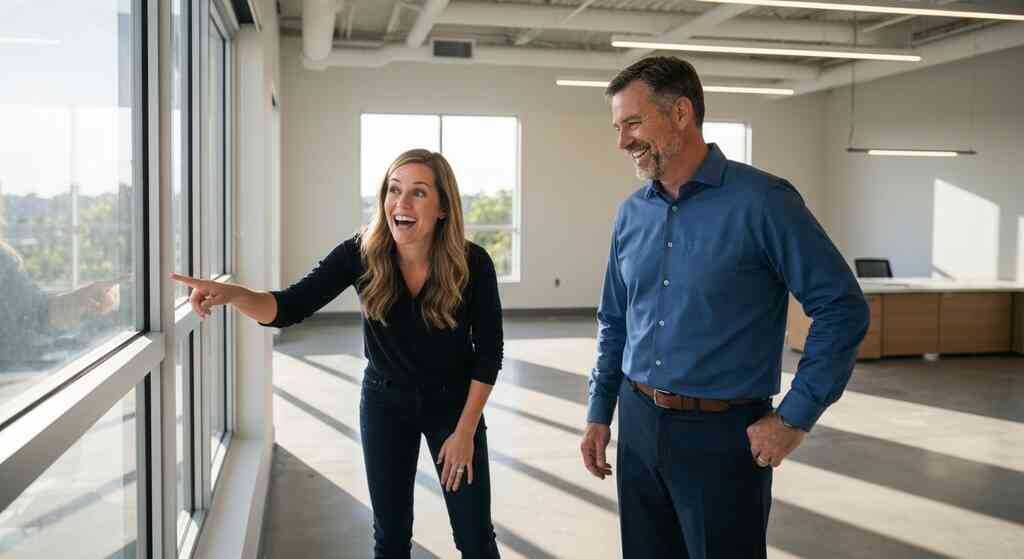
You are staring at a vacant commercial space, envisioning the layout, and wondering how to turn that empty shell into a thriving hub for your business. Whether you are launching a startup or expanding a retail brand, the transformation process requires precision, patience, and a clear understanding of the unique South Florida market. Improving a leased commercial space involves structural updates, safety upgrades, and strict adherence to regional building codes. Many business owners underestimate the complexity of these projects until they are deep into the construction phase. By preparing early and selecting the right partners, you can avoid common pitfalls that delay completion and bloat your budget. This guide offers actionable insights for owners looking to renovate their commercial construction projects efficiently.
Turning Your Commercial Vision Into A Reality
Transforming a raw commercial space into a functional workspace is a complex endeavor that impacts your financial success. You need to align your architectural vision with the physical limitations of the building and the financial constraints of your business model. A successful project requires meticulous planning, from initial site evaluation to the final walk-through inspection. Many owners find that their biggest challenge is balancing the need for speed with the necessity of quality workmanship. With the right roadmap and professional guidance, you can ensure that every square foot serves your operational goals.
Finding the right South Florida general contractor for your space
Securing a qualified professional is the most significant decision you will make during your project. You need to prioritize hiring a general contractor near South Florida who has verified experience with commercial, rather than just residential, builds. A true professional understands the nuances of the local market, including the specific logistical challenges found in bustling hubs like Fort Lauderdale or Miami. Verify their licensure through the Florida DBPR database to ensure they are fully authorized for the scope of your work. Furthermore, ask to see their portfolio of similar commercial projects to gauge their ability to handle your specific requirements.
Check references from previous commercial clients to learn about their communication style and reliability. An experienced builder will provide a clear estimate and a realistic timeline that accounts for potential delays common in our region. Avoid contractors who provide suspiciously low quotes, as these often lead to change orders and hidden costs. Ask how they manage subcontractors and who will be the point of contact on the job site daily. Building a strong working relationship with your lead builder will save you immense stress throughout the construction duration.
Understanding the reality of commercial tenant improvement projects
Before you start swinging hammers, you must grasp what commercial tenant improvement projects in South Florida actually entail for your specific building. These projects often involve installing new partitions, upgrading electrical panels, or installing specialized flooring to meet your business needs. Unlike home renovations, these upgrades must satisfy commercial occupancy requirements and fire safety regulations. You must also consider how your planned improvements affect the base building infrastructure, such as existing HVAC ducting or plumbing stacks. Proper coordination between your design team and the contractor is essential to prevent costly rework.
Commercial projects require a high level of organization and project documentation. Every detail, from the type of lighting fixtures to the thickness of wall insulation, must be accounted for in the construction documents. A professional builder will help you navigate these requirements, ensuring that your space is compliant with current standards. They will also assist in managing the supply chain, as certain materials can have long lead times in our region. Stay proactive in your communications to keep the construction schedule moving toward your desired opening date.
Why local expertise matters for your office build out requirements
Every city in our region has unique demands, which is why office build-out requirements in Boynton Beach differ from those in other municipalities. Local contractors understand the specific soil conditions, wind load requirements for windows, and even the nuances of local inspector preferences. They know which materials withstand our humid, salty air and which ones might fail prematurely. Relying on someone who understands the local landscape ensures that your workspace is built for the long haul. A builder with deep roots here will have established relationships with local supply houses and municipal building departments.
Local expertise also helps when dealing with the unique architectural styles prevalent in our area, from coastal modern to historic renovations. They know how to integrate necessary commercial construction services for offices without compromising the structural integrity of your leased building. They can also provide guidance on how to maximize your square footage for modern hybrid workflows. When you hire someone familiar with the area, you gain an advocate who works to keep your project aligned with community standards. This deep knowledge minimizes the likelihood of unexpected hurdles that could stop your project in its tracks.
Mastering The Rules And Regulations Of Our Region
Construction in our region is strictly regulated to ensure public safety and structural resilience during hurricane season. Understanding the legal framework is a fundamental requirement for every project owner. From building permits to fire safety inspections, the administrative side of a renovation can be just as daunting as the physical build itself. You must be prepared to work within these guidelines to avoid stop-work orders or significant fines. By engaging with professionals who live and breathe these codes, you can move through the regulatory process with confidence.
Navigating Miami Dade building code and local permit processes
Navigating Miami-Dade building codes for renovations is notoriously rigorous, reflecting the need for extreme structural safety. You must submit detailed architectural plans that comply with both state and local mandates before any work begins on your site. This includes proving that your chosen materials, such as impact-resistant glass, meet the local Notice of Acceptance (NOA) standards. The permitting process involves multiple departments, including zoning, structural, and electrical, each with its own review timeline. Failure to follow these steps correctly can result in long delays that push your project past its intended completion.
When planning your commercial permit process in Broward County, ensure you have a dedicated permit expediter or an experienced contractor managing the filings. They will track the progress of your application through the various municipal review boards. It is vital to respond quickly to any corrections or requests for additional information from building officials. Keep a digital and paper file of every approved document, including your notice of commencement, at the job site at all times. Being organized with your paperwork shows building inspectors that you take safety and compliance seriously.
Ensuring ADA compliance renovations for your retail space
The Americans with Disabilities Act (ADA) mandates specific accessibility standards for all public-facing commercial properties. Whether you are running a boutique or a large office, your retail space remodeling services in Pompano Beach must include accessible restrooms, clear pathways, and compliant entryways. These requirements cover everything from the height of your light switches to the slope of your ramps. Failing to meet these standards can lead to costly lawsuits and may even force you to undergo expensive secondary renovations. Work with an architect or contractor who specializes in ADA retrofits to ensure your space is welcoming to every potential customer.
Pay close attention to detail during the design phase, as small errors in door width or grab bar placement can be difficult to fix later. Your goal is to integrate these requirements so they feel like a natural part of your design, rather than an afterthought. ADA compliance is not just about avoiding litigation; it is about providing a high-quality experience for all members of the community. Always verify that your final build passes the required accessibility inspections before you move in your inventory or staff. A truly inclusive space is one that prioritizes the user experience from the ground up.
Meeting fire safety code compliance in Broward and beyond
Fire safety is a top priority for any commercial interior fit-out best practices in Delray Beach. You will likely need to install or upgrade your sprinkler system, smoke detectors, and emergency lighting to meet local fire marshal requirements. The occupancy load of your space will dictate the number and width of your emergency exits. Your electrical plans must also show that all wiring is up to modern safety codes to prevent hazards. These systems must be fully operational and inspected by fire officials before you can receive your certificate of occupancy.
Do not treat fire safety as a box to check at the end of the project. It should be a central part of your initial layout design, especially if you are working in an older building with legacy systems. Ensure your contractor coordinates with the local fire department during the design phase to flag any potential issues. If you are doing a high-density build-out, you may also need specialized fire-rated materials for walls and doors. Following these strict guidelines protects your employees, your customers, and your business investment from the risk of fire.
Smart Strategies For A High Performance Workspace
Modern workplaces are evolving, and your physical environment should reflect your company’s culture and operational needs. Achieving a high-performance workspace means designing for both efficiency and comfort. This involves smart choices regarding technology, materials, and layout, all of which contribute to a productive environment. By investing in quality systems now, you reduce your long-term energy costs and create a more sustainable business model. Consider these strategies to elevate the functionality of your newly renovated commercial space.
Optimizing office layout design for modern productivity
Effective office layout design is about balancing privacy with collaboration. Many businesses are shifting toward flexible seating, quiet zones, and areas specifically designed for brainstorming. Think about your team’s daily flow and how different tasks require different types of physical support. An open floor plan might look nice, but it can create noise distractions that hinder deep work. Use acoustical panels and smart furniture placement to create a balanced environment that supports both individual focus and team interaction.
Consider modern office renovation project examples to see how others in the region are tackling this challenge. You might incorporate phone booths for private calls or modular tables that allow for quick configuration changes. Good lighting also plays a major role in productivity, so prioritize natural light wherever possible. Work with an interior designer to choose color palettes and materials that reinforce your company brand and energy. A well-designed space is a powerful tool for recruiting talent and keeping your staff engaged every day.
Choosing sustainable building materials for commercial durability
When sustainable building materials for commercial spaces are selected carefully, they can provide incredible longevity for your project. Look for low-VOC paints, recycled content flooring, and energy-efficient lighting fixtures that reduce your carbon footprint. These materials are often more durable than traditional alternatives, meaning you will spend less on maintenance over the years. Plus, sustainable choices often lead to a healthier indoor air quality for your employees, which is a major win for morale. Talk to your contractor about which eco-friendly options are readily available through local distributors.
Durability is particularly important in our climate, where humidity and heat can accelerate the breakdown of cheap materials. Invest in high-quality sealants and moisture-resistant building products to protect your investment from mold and decay. While some sustainable materials may have a higher upfront cost, their life cycle value is often much higher. Being mindful of your environmental impact also serves as a great marketing point for your brand. Your commitment to sustainability can distinguish your business from competitors in the eyes of conscious consumers and partners.
Upgrading HVAC system efficiency and commercial electrical systems
Your commercial electrical upgrades and HVAC efficiency represent the backbone of your building’s comfort. In our climate, an underpowered or inefficient AC unit will not only result in massive energy bills but will also make for an unbearable working environment. Invest in modern, smart thermostats and high-SEER rated equipment that can handle the heavy cooling demands of summer. Simultaneously, ensure your electrical panel can support all your tech, lighting, and specialized equipment without overloading. Upgrading these systems is a smart financial move that lowers monthly overhead and improves staff comfort.
Work with a specialist who understands the demands of our high-humidity environment for your commercial plumbing retrofits and mechanical systems. Proper ventilation is essential for indoor air quality and keeping moisture at bay. If you are renovating an older space, you may need to replace rusted or outdated wiring that is no longer safe. Proper electrical load management prevents flickering lights and tripped breakers, keeping your technology running smoothly. A well-maintained climate control and electrical setup is a non-negotiable requirement for any serious business operation.
Protecting Your Investment Through Every Phase
Building or renovating a commercial space is a significant financial commitment that needs constant oversight. You want to ensure that your money is being spent effectively and that the project remains on track. This means staying involved in the budget process, understanding your contractual obligations, and thinking about long-term maintenance from day one. By taking a proactive stance on protection and planning, you can avoid the common frustrations that often derail construction projects. Think of these steps as your insurance policy for a successful build.
Managing commercial construction budget planning without surprises
Effective commercial construction budget planning guides recommend building in a contingency fund of at least 15 to 20 percent for unexpected issues. You will almost certainly encounter minor surprises once walls are opened up in an older building, such as outdated plumbing or electrical work that needs replacing. Clear communication with your contractor about your budget ceiling is vital from the start. Ask them for a detailed breakdown of costs, including labor, materials, and permit fees. This level of transparency prevents the dreaded scenario of running out of money before the finishing touches are applied.
Keep a close eye on your change orders, as these can quickly erode your budget if left unchecked. Any request to change the scope of work should be put in writing, with an associated cost and timeline impact included. Your contractor should provide regular financial updates that track actual spending against your initial projections. By keeping your eye on the numbers, you maintain control over the project’s financial health. Remember that quality work is worth the investment, but it must be managed within the reality of your business finances.
Reviewing landlord tenant lease agreements before the hammer drops
Before you start any work, carefully read your lease agreement to understand your rights and responsibilities regarding improvements. Some landlords have strict rules about which contractors you can hire or what types of renovations are allowed in their building. You may also be responsible for returning the space to its original condition when your lease eventually ends. Knowing these terms helps you avoid future legal disputes and potential financial penalties. Always get written consent from your landlord for any structural changes you plan to make.
Discuss expert advice on commercial tenant improvements with your legal team or your contractor before finalizing your renovation plans. Sometimes, landlords provide a tenant improvement allowance, which is a set amount of money to help cover the cost of your build-out. Ensure you understand the conditions of this allowance, such as whether it is a credit or a reimbursement after completion. Having a clear agreement on who owns the improvements-and who pays for them-prevents massive headaches down the road. An informed tenant is a protected tenant in the competitive world of commercial leasing.
Long term maintenance with commercial roofing and impact resistant glass
Protecting your building from the elements is essential, particularly given the annual hurricane season. High-quality commercial roofing solutions in West Palm Beach are a critical defense against water intrusion, which is the most common cause of damage after a storm. Your roof should be inspected annually by a professional to catch small tears or drainage issues before they become expensive problems. Simultaneously, ensure that your storefront has impact resistant glass for commercial storefronts to protect against debris and high winds. This glass is not just a safety feature; it is a code requirement for many commercial projects in our region.
When you incorporate commercial flooring installation best practices, choose materials that are easy to clean and resist moisture damage. Think about tips for commercial building improvements in 2026 when planning your maintenance schedule to stay ahead of the game. A clean, well-maintained building conveys a professional image to your clients and partners. By investing in these protective measures now, you extend the life of your space and avoid emergency repairs during the storm season. Proper maintenance is the smartest way to preserve the value of your commercial investment for years to come.
Frequently Asked Questions
How much does a commercial build-out cost in South Florida? Costs vary widely based on the building condition, the level of finishes, and your specific business needs. Generally, you should expect to spend between $50 and $150 per square foot for standard office improvements. For specialized spaces like restaurants or medical offices, costs often rise significantly due to complex plumbing and mechanical requirements. Always get multiple quotes from licensed contractors to ensure you are receiving a fair market price.
Do I need a permit for minor office partition changes? Yes, almost any structural change to a commercial space requires a building permit in our region. Even if you are just adding or removing non-load-bearing walls, you must submit plans for review by local authorities. This ensures the changes comply with fire safety, electrical, and accessibility codes. Working without a permit can lead to expensive fines and may complicate future insurance claims or lease renewals.
How do I choose the best contractor for my commercial renovation? Look for contractors who specialize in commercial work and hold active Florida DBPR licenses. A great indicator of quality is a portfolio of completed commercial projects similar to yours in size and complexity. Always check references, verify their insurance coverage, and look for clear communication skills. Using a directory like South Florida Contractors can help you find vetted professionals with experience in your specific city or neighborhood.
What should I prioritize when renovating a retail space? Focus on creating an accessible, welcoming, and safe environment for your customers. ADA compliance is the most important legal requirement, as it ensures your business is open to everyone. Beyond that, prioritize your interior lighting, efficient HVAC systems, and a layout that naturally guides customers through your products. High-quality finishes and durable flooring will ensure your space continues to look great under heavy daily foot traffic.
How can I protect my building during hurricane season? Preparation is the best defense, including installing impact-resistant windows and reinforced doors. Ensure your commercial roof is inspected annually and that all drains are clear of debris. Keep an emergency shutter plan in place and ensure your business has a clear process for securing exterior equipment before a storm hits. Working with local professionals who understand regional weather patterns is the best way to keep your building resilient.