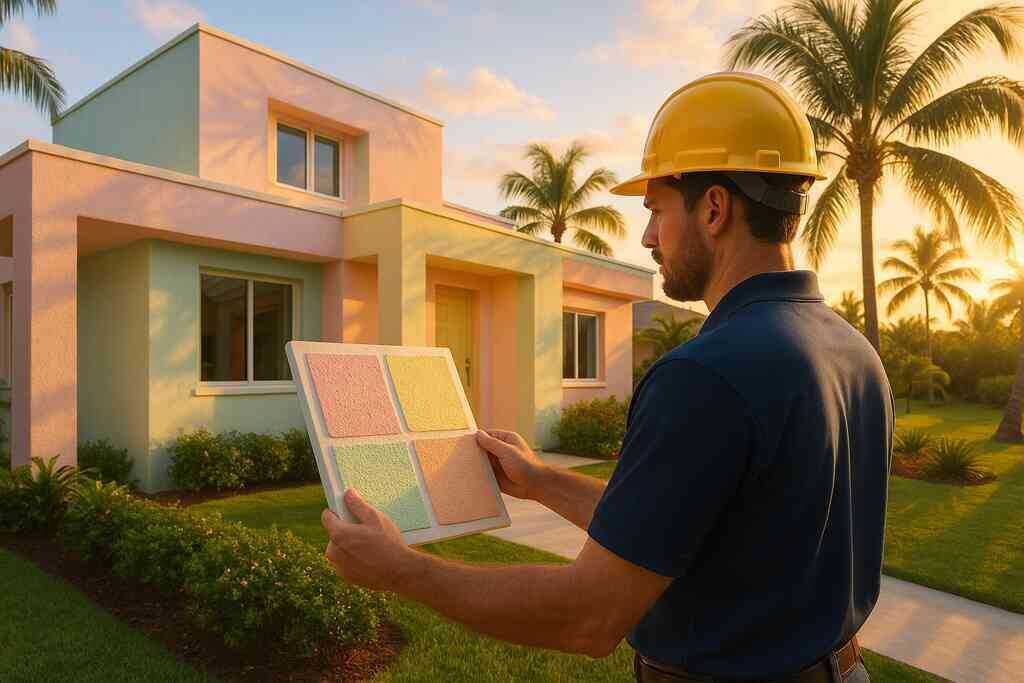
Top 5 Management Tactics from South Florida Contractors
January 23, 2026
Groundwork for Excellence with South Florida Contractors
Navigating Florida construction regulations and coastal codes
Florida coastal zones impose stringent wind, flood, and corrosion rules on every construction detail. Successful South Florida contractor teams start by thoroughly mastering these statutes. They cross-reference municipal amendments with federal FEMA maps before any shovel turns soil. This disciplined pre-planning eliminates permit delays and protects budgets from frustrating rework. For deeper insights, review the coastal code guidance for Florida contractors resources curated by regional experts.
Hurricane preparedness planning begins long before seasonal storms threaten jobsite schedules. Contractors model wind loads using ASCE standards, then specify connectors rated for extreme uplift. They coordinate with structural engineers to ensure continuous load paths remain unobstructed by architectural changes. Roof assemblies receive secondary water barriers, meeting strict coastal building code compliance thresholds. A concise primer on hurricane codes keeps teams aligned with municipal officials.
Leveraging the South Florida Contractors Directory to find a contractor near you
Once regulations are clear, owners must locate reliable talent capable of executing compliant builds. The South Florida Contractors Directory functions as a living map of licensed specialists organized by proximity. Users enter a ZIP code and rapidly view verified profiles, safety records, and customer ratings. This transparent data accelerates shortlisting and prevents costly misalignments between expectation and capacity. Begin exploration through the find construction pros near the South Florida portal and compare options within minutes.
After identifying contenders, stakeholders schedule discovery calls to discuss scope, culture fit, and milestone-based payment structures. Recording these interviews in a shared spreadsheet aids alignment among architects, financiers, and facility managers. Consistent evaluation criteria keep the selection process objective and compliant with corporate governance policies. Finally, references are checked, insurance certificates confirmed, and a pre-construction agreement drafted for clarity. These deliberate steps set the tone for collaborative project management success later.
Aligning project scope with client vision and regional demands
Scope definition merges architectural ambition with the real constraints of climate, zoning, and market pricing. South Florida general contractor teams conduct early feasibility studies, reconciling wish lists with supply chain realities. They create responsibility matrices that delineate owner, designer, and builder obligations to avoid later disputes. These matrices feed directly into project scheduling best practices, ensuring deliverables follow logical dependencies. By clarifying ends and means, crews eliminate hidden costs associated with assumptions and rework.
A structured work breakdown converts conceptual drawings into measurable tasks for every trade. Teams assign durations, labor units, and material quantities, then validate totals against historical South Florida benchmarks. This exercise reflects proven project management principles in building, adjusted for humid coastal climates. Regular scope confirmation meetings catch drifts early, protecting contingency budgets. Therefore, owners gain confidence that final facilities will match intended aesthetics, performance, and budget.
Tapping Boca Raton Renovation Contractor and Boynton Beach Remodelers networks for specialty trades
Even the strongest general contractors rely on specialist networks to deliver niche finishes and advanced technologies. For high-end kitchen makeovers, connecting with Boca Raton renovation teams on coastal projects supplies craftsmen accustomed to luxury materials. These artisans understand salt-air corrosion and specify hardware able to withstand seaside exposure. By integrating them early, designers adapt cabinetry, lighting, and ventilation to persistent humidity. The resulting synergy shortens punch lists and elevates client satisfaction metrics.
Equally valuable, Boynton Beach remodel specialists near you deliver proven strategies for occupied home renovations. They schedule noisier tasks during convenient daytime windows, preserving homeowner comfort without slowing productivity. Their familiarity with HOA guidelines expedites permitting, inspection, and final approvals. Collaboration through shared cloud dashboards helps specialty crews and general contractors sequence tasks efficiently. Leveraging such focused talent transforms modest upgrades into showcases of South Florida craftsmanship.
1) Integrated Digital Command Dashboard Method
BIM collaboration methods and virtual walkthrough coordination
First, leading South Florida general contractor teams load every architectural model into a shared BIM environment hosted in the cloud. Stakeholders explore clash-detection findings together, which prevents late-stage rework and slashes waste. Virtual walkthrough coordination then lets owners preview finishes, lighting, and equipment placements before orders are placed. Because the sessions occur remotely, executives traveling outside Florida still weigh in without delaying approvals. Consequently, decision fatigue drops, and scope clarity rises.
Moreover, BIM collaboration methods support coastal building code compliance by embedding hurricane load data directly into digital assemblies. Engineers tag each connector with wind-zone metadata, ensuring structural continuity through every revision cycle. When designers suggest aesthetic tweaks, the system instantly recalculates uplift forces, flagging risky changes in red. This proactive alerting embodies risk mitigation strategies in construction while reinforcing construction quality assurance plans. Teams exit each session with action lists stored on the dashboard for accountability.
Real time budget tracking for contractors with a milestone based payment structure
Real time budget tracking for contractors hinges on linking purchase orders, labor hours, and equipment rentals to cost codes within the dashboard. Each code rolls into a dynamic cash-flow graph that updates whenever a superintendent logs quantities. Owners see contingency drawdowns immediately, enhancing the client communication framework transparency. As a result, change order management workflow conversations become data-driven rather than emotional. Financial surprises therefore disappear.
Additionally, milestone-based payment structure checkpoints synchronize with the dashboard’s earned-value module. The tool compares planned versus actual progress, flagging variance before it balloons. Project scheduling best practices recommend corrective action when variance exceeds three percent, and the software automates that alert. For deeper tactics, review the in-depth project management secrets for the 2026 builds guide curated by regional analysts. Following those steps keeps construction companies profitable even during volatile material markets.
Contractor performance metrics visualized on cloud dashboards
High-performing South Florida contractor management teams publish safety incidents, quality defects, and schedule adherence on customizable scorecards. The visibility motivates crews because everyone understands exactly how performance affects bonuses. Digital project dashboards also gamify improvements by ranking subcontractors weekly against clear benchmarks. When a trade leads in productivity, management highlights that success during toolbox talks, fostering craftsmen retention strategies. Consequently, morale and output rise together.
Simultaneously, stakeholders track environmental metrics, including waste diversion rates and energy modeling insights for green building certification process milestones. When a target slips, the dashboard assigns automatic tasks to responsible parties, sustaining continuous improvement cycles. These contractor performance metrics integrate seamlessly with stakeholder engagement tactics in building projects, assuring trust. Regulatory inspectors appreciate the documented trail, accelerating approvals. Over time, datasets feed analytics that predict future project outcomes with startling accuracy.
Resource allocation analysis and labor scheduling optimization
Resource allocation analysis begins with loading crew skill sets, equipment availability, and supplier lead times into the scheduling engine. The algorithm then proposes lean construction implementation sequences that minimize wait states between trades. Superintendents review suggestions, adjusting for local events or weather forecasts that could hamper deliveries. Because schedules update in real time, subcontractor coordination techniques stay aligned without frantic phone calls. Ultimately, productivity increases while overtime costs tumble.
Labor scheduling optimization also leverages geofencing to confirm on-site attendance, protecting budgets from unverified hours. The system issues alerts when staffing dips below the required thresholds for critical path activities. Managers can then pull from a reserve pool of flooring subcontractor partners in South Florida or trusted electricians. That responsiveness upholds on-site safety leadership by preventing fatigue-driven accidents. Simultaneously, it ensures just in time material delivery dovetails with manpower availability.
Connecting Delray Beach Construction Company teams through mobile apps
Finally, mobile apps extend the command dashboard to field personnel across every Delray Beach Construction Company job site. Carpenters photograph completed tasks, tag them to locations, and push images for immediate approval. Inspectors sign off digitally, which eliminates paper chases and accelerates the punch list optimization process goals. Because data syncs even during weak signals, remote sites never operate blind. This immediacy reinforces lean efficiency tips for South Florida jobsites without added hardware.
Equally important, the platform aggregates lessons learned into a living contractor management playbook accessible to the entire Delray Beach contractor network in Palm Beach County. New recruits review best practices videos before stepping onto the slab, shortening ramp-up time. Home builders in Florida appreciate this consistency when scaling multi-lot developments. Meanwhile, West Palm Beach building experts in South Florida can benchmark performance across counties, fostering healthy competition. In turn, regional knowledge continuously improves, propelling future projects toward zero punch list ambitions.
2) Lean Supply Chain and Labor Flow Orchestration
Just in time material delivery to boost site logistics planning
Every South Florida contractor knows coastal jobsites have limited lay-down space. Just in time delivery reduces clutter, improves safety, and trims theft risk. Superintendents sequence drop-offs to match daily installation windows, following project scheduling best practices that emphasize flow over stockpiling. Suppliers receive geo-fenced alerts that confirm unloading zones are cleared and inspected. This disciplined choreography keeps crews productive while lowering carrying costs on high-value finishes.
Lean construction implementation thrives when digital dashboards link purchasing data to field progress. The system flags late shipments before they threaten critical path tasks, allowing quick reprioritization. Because cost codes integrate with budget tracking for contractors, managers see the financial impact of every hour a pallet sits idle. Transparent analytics strengthen client communication framework expectations around efficiency. Ultimately, owners witness smoother handoffs and tighter cash flow alignment.
Subcontractor coordination techniques using pull planning boards
Pull planning boards convert abstract timelines into tactile commitments that each trade can visualize. Electricians, framers, and HVAC crews collaborate in weekly huddles, moving color-coded tags only when predecessors finish. This visual rhythm eliminates finger-pointing because dependencies stay obvious. Teams revise boards daily as field realities shift, maintaining momentum without sacrificing quality. Such transparency fosters accountability that resonates with general contractors in South Florida who juggle multiple coastal builds simultaneously.
Digital twins of these boards synchronize with cloud schedules, reinforcing subcontractor coordination techniques across dispersed sites. When rain delays concrete pours, the system automatically notifies downstream trades to adjust labor. Milestone-based payment structure clauses link to achieved board targets, motivating punctuality. This alignment minimizes change order management workflow friction by addressing scope shifts collaboratively. Clients gain confidence seeing unified execution strategies rather than siloed agendas.
Supply chain resilience planning for coastal projects
Atlantic storms can halt ports, strand materials, and inflate lead times overnight. Proactive construction companies create parallel supplier lanes inland to hedge against coastal closures. They also prequalify vendors on higher ground who stock corrosion-resistant fasteners critical for hurricane preparedness planning for jobsites. These redundancies align with risk mitigation strategies in construction, preserving timelines even when the weather grows unpredictable. Consequently, project teams shield contingency budgets from emergency freight premiums.
Resilient sourcing further supports coastal building code compliance by guaranteeing certified components remain available. Software dashboards monitor geopolitical trends that may disrupt resin or aluminum markets, triggering early procurement of vulnerable items. Superintendents then adjust labor scheduling optimization models to match revised delivery forecasts. Paired with value engineering insights, this agility sustains profitability without compromising performance. Owners appreciate the foresight, and inspectors note uninterrupted adherence to specifications.
Craftsmen retention strategies that sustain quality workmanship
South Florida general contractor leaders treat skilled labor as a strategic asset, not a commodity. They offer profit-sharing based on contractor performance metrics, rewarding crews who beat the schedule while reducing rework. Continuous training sessions feed a living contractor management playbook, ensuring methods evolve faster than code updates. Field mentors pair with apprentices, building loyalty and sharpening regional expertise. High morale directly translates to flawless finishes and safer operations.
Retention also intersects with on-site safety leadership. When workers feel valued, they report hazards early, preventing costly incidents. Digital toolbox talks collect feedback that informs future jobsite designs, strengthening stakeholder engagement tactics in building projects. Employers who invest in wellness programs further reduce absenteeism, supporting seamless resource allocation analysis. Over time, loyal craftsmen become ambassadors, attracting new talent through word-of-mouth rather than expensive recruiters.
Integrating Find Flooring Contractors and Find Roofing Contractors partners for speed
Specialist alliances accelerate critical interior and exterior milestones. By onboarding vetted flooring subcontractor partners in South Florida, general contractors secure crews familiar with humidity-resistant adhesives and rapid-curing compounds. These experts coordinate with site logistics teams to receive materials packaged by room sequence, eliminating double handling. Their precision reduces punch list items and supports a zero-defect culture.
Roof assemblies advance in parallel when teams leverage roofing resilience resources for coastal builds, sourced through the same directory ecosystem. Sequencing ceiling insulation directly after shingle installation preserves climate control, protecting freshly laid floors below. Integrated schedules keep mechanical trades informed, preventing clashes that could trigger costly delays. This holistic approach embodies lean efficiency tips for South Florida jobsites, delivering projects faster without sacrificing craftsmanship.
 3) Coastal Resilience Risk Shield Framework
 3) Coastal Resilience Risk Shield Framework
Hurricane preparedness planning for jobsites across South Florida
Hurricane preparedness planning for jobsites begins with studying wind, surge, and debris projections for every coastal parcel. Superintendents upload those variables into BIM collaboration methods that highlight weak points before mobilization. Teams cross-reference output with [understanding hurricane codes on Florida coasts] as an instant code-compliance checklist. Because risks are quantified early, project scheduling best practices lock critical envelope work into calmer weather windows. Owners therefore gain confidence that structural integrity survives the fiercest storms while budgets stay protected.
Preparedness extends beyond design; site logistics planning adapts lay-down zones to prevent material flight during gusts. Superintendents stagger deliveries, employ weighted tarps, and enforce labor scheduling optimization that shortens exterior exposure. Subcontractor coordination techniques require daily weather briefings so framers, roofers, and glaziers move in a disciplined sequence. Lean construction implementation keeps crews lean but prepared, storing emergency generators and pumps in marked containers. Such foresight preserves schedule momentum even when advisories threaten to shut neighboring projects down.
Risk mitigation strategies in construction and insurance alignment
Insurers evaluate more than premium payments; they scrutinize proactive risk mitigation strategies in construction when pricing builders’ policies. South Florida general contractor executives therefore map every potential exposure onto digital project dashboards before groundbreaking. Those dashboards tie resource allocation analysis to contractor performance metrics, revealing trends that trigger corrective workshops. Budget tracking for contractors integrates with underwriter reporting, proving that contingency reserves meet carrier thresholds. The result is favorable premiums, balanced deductibles, and fewer financial shocks when claims do arise.
Alignment continues through a milestone-based payment structure language that cements risk transfer between owner, designer, and builder. Whenever a deliverable closes, parties sign a notarized release, protecting everyone from latent liability. The [South Florida contractor management hub] offers template clauses that speed legal reviews without sacrificing nuance. Integrated construction technology solutions track signatures, embed them in cloud ledgers, and alert insurers instantly. Stakeholder engagement tactics in building projects benefit because accountability remains transparent line by line.
Permitting navigation in South Florida for flood and wind zones
Obtaining a permit along Florida’s coastline demands relentless documentation and neighborhood diplomacy. Permit expediter teams to analyze FEMA flood maps, wind velocity data, and local overlays to craft submittals that sail through review. They embed coastal building code compliance data directly within drawings, answering reviewers’ questions before they emerge. Parallel outreach to community boards addresses aesthetic concerns, preventing last-minute objections that stall mobilization. This coordination accelerates notice-of-commencement issuance and preserves revenue forecasts.
Design-build project delivery streamlines the conversation by uniting architecture, engineering, and construction under one license. Virtual walkthrough coordination allows officials to explore models remotely, approving fire separations and egress routes faster. Teams reference [regional insights on South Florida market] to predict political priorities that influence zoning hearings. Client communication framework updates residents on timing, reducing complaint volume during noisy phases. Collectively, these tactics eliminate costly downtime tied to paperwork purgatory.
On site safety leadership through daily digital toolbox talks
Safety culture thrives when leadership appears on the slab every morning, guiding toolbox talks with conviction. Superintendents use QR codes so crews can scan agendas, acknowledge hazards, and log ideas for improvement. Data routes into digital project dashboards, feeding contractor performance metrics that reward safe behavior. On-site safety leadership therefore becomes measurable rather than motivational alone. Incidents decline, insurance modifiers improve, and workers feel genuinely protected.
Craftsmen retention strategies connect directly to this environment of trust and open feedback. When carpenters see hazards addressed quickly, they stay, train apprentices, and uphold construction quality assurance plans. Mentors upload lessons into a contractor management playbook shared across the [West Palm Beach building experts in South Florida] community. Resource allocation analysis then positions experienced crews on complex tasks, reducing rework and lifting morale further. The synergy echoes throughout every Delray Beach custom home, condominium tower, and civic facility.
Change the order management workflow that safeguards contingency budgets
Even flawless planning cannot anticipate every client’s inspiration or hidden site condition. A disciplined change order management workflow captures requests in writing, assigns cost codes, and timestamps approvals. Cloud software sends automatic estimates to designers, who evaluate value engineering insights before work stops. This approach avoids chaotic phone calls that erode trust and inflate hours. Clients appreciate transparent options and acceptably slow contingency drawdowns.
Financial diligence continues when superintendents reconcile new scopes against budget tracking for contractors’ dashboards nightly. If cumulative shifts threaten reserves, executives trigger collaborative reviews to defer noncritical enhancements. Early alerts preserve funds for vital sustainability upgrades outlined in the green building certification process. The team references the [zero punch list quality roadmap in construction] to guarantee modifications and uphold final quality. Consequently, handover remains on schedule, under budget, and free of lingering obligations.
4) Value Engineering and Cost Optimization Workshop
Green building certification process and energy modeling insights
South Florida general contractor teams begin every value engineering workshop with rigorous energy modeling insights that map heat loads and airflow. These simulations uncover high-payback upgrades that accelerate the green building certification process without inflating budgets. Because the data flows into a construction management methodology overview, estimators instantly see life-cycle savings alongside first costs. The transparent comparison aligns owners, architects, and engineers on low-carbon priorities before material orders lock. Consequently, scope adjustments remain productive instead of political.
Next, consultants benchmark proposed assemblies against coastal building code compliance metrics to verify hurricane resilience. They adjust insulation, glazing, and mechanical systems until performance exceeds baseline targets by measurable margins. Project scheduling best practices then slot long-lead green components early, preventing shipment delays from derailing momentum. Continuous resource allocation analysis tracks labor hours against projected savings, ensuring sustainability goals still support profitability. Ultimately, owners gain proven efficiency without financial surprises.
Design build project delivery that trims schedule fat
A unified design build project delivery eliminates the baton passes that traditionally bloat timelines between disciplines. Architects, structural engineers, and trade partners collaborate under one contract, guided by RENOVA design-build leadership in South Florida principles. Shared accountability compresses decision cycles, because every stakeholder sits at the same virtual roundtable. Milestone-based payment structure clauses reward early issue resolution, keeping crews motivated to meet aggressive targets. As a result, months drop from the critical path without sacrificing quality.
During construction, superintendents use BIM collaboration methods to validate field conditions against digital models daily. When discrepancies surface, the integrated team approves corrective sketches within hours rather than days. Budget tracking for contractors links each change to cost codes, giving the owner live visibility into financial impacts. This immediacy allows smarter value engineering insights instead of blanket contingency spending. Therefore, cash remains available for strategic enhancements late in the program.
Construction quality assurance plans driving zero punch list goals
Quality management starts long before finishing crews arrive, by embedding acceptance criteria within submittals and mock-ups. Teams reference Delray Beach remodeling excellence near Atlantic to study regional craftsmanship benchmarks that consistently achieve zero punch list handovers. Field inspectors compare real-time photos to those standards, flagging deviations while corrections remain inexpensive. Daily dashboards display contractor performance metrics, letting project leaders celebrate trades that reach flawless installation streaks. Positive reinforcement strengthens a culture of precision.
Equally important, construction quality assurance plans prescribe traceable checklists for every trade. Electricians verify torque settings, painters log humidity readings, and roofers document fastener spacing. These digital records feed the contractor management playbook, helping future crews replicate successes. When turnover approaches, the punch list optimization process reveals only cosmetic tweaks, saving owners weeks of reinspection. The project closes smoothly, boosting reputations and referral pipelines across South Florida.
Leveraging Find Interior Paint Contractors and Find Exterior Paint and Stucco Contractors for material efficiency
Paint and stucco selections impact maintenance budgets for decades, so savvy builders engage certified finish specialists early. By tapping interior paint efficiency solutions near Boca, teams access chemistries that cure faster in humid conditions. Faster curing accelerates schedule compression and reduces on-site storage needs, freeing valuable space for other trades. Specialists also calculate optimal spread rates, lowering waste and supporting lean construction implementation goals. Environmental credits accumulate, strengthening the certification dossier.
Exterior finish partners apply similar rigor to color retention and salt-spray resistance. They suggest pigments that reflect solar heat, trimming HVAC loads and supporting energy modeling insights established earlier. Coordinated procurement bundles primer, sealant, and topcoat into a single delivery, simplifying site logistics planning. Budget tracking for contractors captures volume discounts, redirecting savings toward upgraded fixtures without increasing the contract sum. Consequently, every gallon serves both aesthetics and economics.
Lean construction implementation that boosts profit and sustainability
Lean construction implementation removes friction across the supply chain, converting wasted motion into measurable profit. Field leaders study West Palm Beach renovation strategies in practice to refine pull-planning sessions that synchronize crews perfectly. Just-in-time drops eliminate clutter, lowering injury risk and enabling on-site safety leadership to flourish. Fewer accidents mean lower insurance premiums, enhancing overall financial performance. Simultaneously, reduced rework cuts material consumption, shrinking the project’s carbon footprint.
Continuous improvement loops close every week through structured retrospectives. Teams analyze schedule variance, root causes, and countermeasures, then feed lessons into lean efficiency tips for South Florida jobsites documented earlier. Stakeholder engagement tactics in building projects remain strong because progress metrics stay transparent and honest. As crews internalize the mindset, future bids incorporate lean efficiencies automatically. The contractor’s margin grows while owners enjoy dependable, sustainable outcomes.
5) Client and Stakeholder Communication Loop
Client communication framework for transparent updates
Open, predictable dialogue starts with a disciplined client communication framework that operates from kickoff through ribbon-cutting. Project managers establish preferred channels, response times, and escalation tiers in writing, then upload them to the shared portal. Clients receive concise weekly digests that highlight accomplished milestones, pending decisions, and upcoming site activities. Because information arrives in a repeatable format, stakeholders quickly find what matters without sifting through cluttered inbox threads. The result is fewer misunderstandings and faster consensus.
Modern South Florida general contractor teams reinforce this framework with live dashboards that mirror field progress. Color-coded charts align project scheduling best practices with the milestone-based payment structure, so owners instantly see why draws are release. A single click inside the South Florida contractor management hub displays updated photos, inspection notes, and budget deltas in real time. Transparency builds trust, and trust accelerates approvals. Every proactive message therefore reduces costly idle hours.
Stakeholder engagement tactics in building projects from concept to closeout
Major builds involve neighbors, lenders, inspectors, and design partners who all influence outcomes. Early charrettes invite those voices to shape priorities before drawings lock, preventing expensive rework later. Facilitators use moderated workshops to surface concerns about traffic, aesthetics, and sustainability while solutions remain inexpensive. Documenting feedback within the engagement log keeps accountability clear and respectful. Communities appreciate being heard, so opposition shrinks and permits the move to happen faster.
Once construction begins, superintendents host brief sidewalk sessions that preview upcoming activities for adjacent businesses. These real-time stakeholder engagement tactics in building projects reinforce goodwill and streamline on-site safety leadership by clarifying access routes. Updates also feed the resource allocation analysis engine, ensuring subcontractor coordination techniques adapt to local events. By closing the feedback loop weekly, teams keep every voice represented without sacrificing momentum. Continuous engagement means smoother inspections and fewer punch-list surprises at turnover.
Virtual walkthrough coordination for decision clarity and faster approvals
Digital twins allow owners to stroll future hallways from any laptop, eliminating guesswork about finishes or furniture layouts. During virtual walkthrough coordination sessions, architects annotate model views while contractors flag code-driven constraints in real time. This interactive experience compresses what once required multiple onsite mock-ups into a single screen share. Because visuals update instantly, executive committees make confident choices without travel delays. Decision cycles shrink from days to minutes.
The platform also logs every approval and embeds screenshots directly into the change order management workflow. BIM collaboration methods automatically recalculate quantities, keeping budget tracking for contractors accurate to the penny. If a proposed tweak challenges coastal building code compliance, the system highlights the risk before fieldwork begins. Early warnings mean no frantic late-night revisions. Ultimately, clear digital experiences translate to cleaner, faster builds.
Integrated construction technology solutions that enhance trust
Seamless data flow across estimating, procurement, and field devices removes the dark corners where overruns hide. Integrated construction technology solutions sync labor hours, material scans, and inspection findings into one ecosystem accessible to every stakeholder. Because information updates continuously, owners never feel left guessing about schedule health or cost exposure. That confidence minimizes formal disputes and preserves collaborative energy. Technology, therefore, becomes a relationship asset instead of a gadget.
Automated alerts trigger whenever contractor performance metrics dip below agreed thresholds, allowing swift corrective action. Budget tracking for contractors pairs these metrics with cash forecasts, so financial surprises disappear early. Risk mitigation strategies in construction benefit because trend lines reveal developing hazards long before insurance deductibles are trigger. Weekly analytics reports show how proactive adjustments protect both timeline and profit. Trust grows because data speaks louder than promises.
Using digital project dashboards to satisfy West Palm Beach Renovations’ clientele
Sophisticated homeowners undergoing West Palm Beach Renovations demand instant answers about scope shifts, finish selections, and weather impacts. Digital project dashboards satisfy that expectation by offering 24-hour access to curated insights. Color-coded Gantt charts illustrate how today’s tasks align with the broader delivery map. Clients tap any activity bar to view photos, inspector notes, or upcoming dependencies. Empowered owners feel included rather than sidelined.
Dashboards also display contractor performance metrics alongside a live punch list optimization process. Trades see their quality scores in real time, motivating precision that aligns with the zero-defect culture championed earlier. When a checklist item closes, automated notifications celebrate progress and reinforce positive momentum. The transparent loop shortens closeout timelines and cements strong post-occupancy relationships. Ultimately, digital clarity turns satisfied customers into vocal brand advocates.
Final Walkthrough to Sustainable Project Success
 Final Walkthrough to Sustainable Project Success
Punch list optimization process and knowledge capture
The closing phase begins with a disciplined punch list optimization process that mirrors the rigor shown during earlier milestones. Superintendents walk every room with owners, comparing installed assemblies to the approved construction quality assurance plans stored on digital project dashboards. Issues surface quickly because each item is geo-tagged, photographed, and assigned to the responsible trade within minutes. Clear ownership prevents delays, and corrective crews receive automatic notifications so rework happens before furnishings arrive. This proactive method protects budgets while assuring flawless turnover.
Equally important, every punch item becomes a data point that fuels continuous improvement. Field leaders tag root causes, then export insights into the evolving contractor management playbook. Over time, recurring patterns shrink as teams adopt best practices pulled from the zero punch list quality roadmap in construction. Lessons learned cascade into training modules for new hires, reinforcing excellence across the entire South Florida contractor community. As knowledge grows, final inspections become more ceremonial than corrective.
Scaling best practices across South Florida general contractor teams
Once a project closes, insights must travel beyond a single jobsite. South Florida general contractor executives schedule peer-review sessions that dissect performance metrics, change order agility, and value engineering insights achieved. Recorded meetings feed a cloud library where project scheduling best practices and subcontractor coordination techniques remain searchable by discipline. Field managers in Boca Raton or Boynton Beach retrieve templates in seconds, accelerating planning for upcoming builds. Standardization does not stifle creativity; instead, it erases avoidable inefficiencies.
Technology further accelerates scale. Digital project dashboards aggregate anonymized data from multiple construction companies, revealing macro trends in labor productivity and material waste. Predictive analytics highlight which lean construction implementation tactics raise profitability during coastal builds. By sharing dashboards with trusted partners, home builders in Florida align expectations early, reducing contractual friction. Collaborative transparency builds a competitive yet supportive ecosystem that elevates regional craftsmanship.
Maintaining long term relationships through post occupancy care
Handover is not the end of the journey; it is the start of a sustained partnership. Proactive builders schedule quarterly walkthroughs, confirming systems perform as modeled during energy simulations. This commitment strengthens the client communication framework established during construction and reassures owners that issues will never languish. When small adjustments are needed, service teams consult the same BIM collaboration methods to locate concealed valves or wiring quickly, minimizing disruption.
Post occupancy care also feeds risk mitigation strategies in construction for future projects. Real-world performance data validates design choices or flags components that underperform in South Florida’s humid climate. Stakeholder engagement tactics in building projects evolve because residents share honest feedback that goes straight into continuous improvement logs. The result is a virtuous circle where trust compounds, and referral business grows organically.
Continuously refining the contractor management playbook for future builds
Markets shift, codes tighten, and technologies advance; therefore, the playbook can never stagnate. Dedicated analysts track regulatory updates on coastal building code compliance and integrate revisions into easily digestible briefs for field teams. Monthly virtual workshops invite electricians, plumbers, and roofers to debate emerging materials, ensuring frontline experience steers policy, not just executive directives. Such inclusivity keeps guidelines practical and respected.
Finally, leadership benchmarks new procedures against lean efficiency tips for South Florida jobsites to confirm each update drives measurable value. Key performance indicators-schedule variance, safety incidence, and warranty calls-determine whether a tactic remains or evolves. When data proves success, best practices are disseminated through video micro-lessons accessible to crews “near me” on any device. Continuous refinement secures the region’s reputation for resilient, high-quality construction while keeping South Florida Contractors at the forefront of innovation.
Frequently Asked Questions
Question: How do the Top 5 Management Tactics from South Florida Contractors translate into tangible project scheduling best practices for my residential or commercial build?
Answer: Each tactic-ranging from the integrated digital command dashboard to lean supply-chain orchestration-feeds live data into a unified schedule that every South Florida contractor on your team can see. BIM collaboration methods expose clashes before crews mobilize, while labor scheduling optimization and milestone-based payment structure checkpoints keep the critical path honest. By selecting a South Florida general contractor from our directory, you gain proven subcontractor coordination techniques that have already shaved weeks off comparable coastal projects. The result is a realistic, constantly updated timeline that meets-even beats-your target completion date.
Question: What advantages do digital project dashboards and BIM collaboration methods offer when it comes to strict coastal building code compliance along Florida’s shoreline?
Answer: Coastal building code compliance in Florida means accounting for hurricane wind loads, flood elevations, and corrosion risks down to every fastener. Our listed construction companies load those requirements directly into their BIM models, tagging each component with wind-zone metadata. Digital project dashboards then monitor field installation in real time, alerting superintendents if any connector or material falls short of code. This closed-loop quality control protects your investment, accelerates permitting, and satisfies inspectors the first time they visit the jobsite.
Question: How does a contractor in South Florida use lean construction implementation and supply chain resilience planning to keep my budget intact even during volatile material markets?
Answer: General contractors in South Florida start with just-in-time site logistics planning to eliminate costly stockpiles on tight coastal lots. They layer on supply chain resilience planning by pre-qualifying inland vendors who can deliver hurricane-rated materials when ports shut down. Budget tracking for contractors integrates those orders into live cash-flow graphs, so you see savings the moment they happen. Lean construction implementation therefore converts waste into profit, holding the line on your contingency allowance-even when commodity prices spike.
Question: Can hiring through the South Florida Contractors Directory really streamline permitting navigation in South Florida’s flood and wind zones?
Answer: Absolutely. Every South Florida contractor listed in our directory is vetted for experience with FEMA flood maps, wind-borne debris regulations, and municipal overlays. These pros submit drawings that already answer reviewers’ toughest questions, cutting weeks of revisions. They also maintain relationships with local officials, which expedites approvals for Delray Beach custom homes, Boca Raton remodelers, and West Palm Beach renovations alike. Faster permits mean faster groundbreakings and quicker returns on your real-estate investment.
Question: How does the client communication framework you recommend reduce change order headaches during Boynton Beach renovations or large West Palm Beach builds?
Answer: Our featured construction services establish clear channels-weekly digests, live dashboards, and virtual walkthrough coordination-before the first shovel hits the soil. Every scope tweak flows through a documented change order management workflow that ties cost codes to schedule impact instantly. Because owners, architects, and trades see the same data, decisions stay objective and fast. This transparency not only safeguards your budget but also maintains trust, turning potential disputes into collaborative value engineering insights instead.