
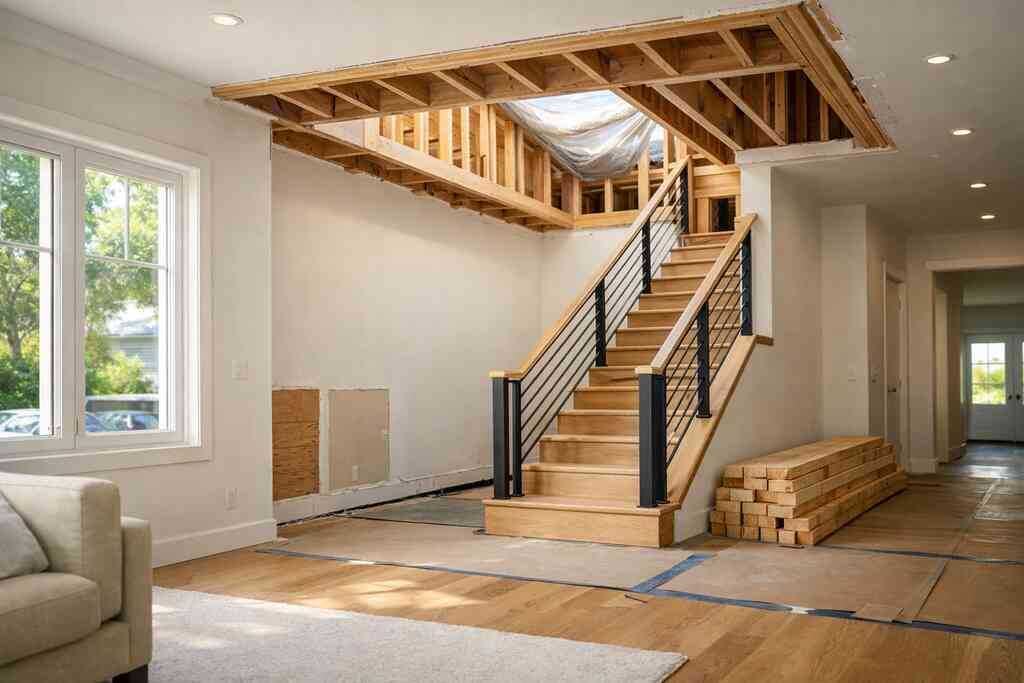
A second story addition South Florida is possible only if the structure can carry the load, the permits are handled correctly, and the design respects hurricane-code requirements from day one. If you are already worried about price, disruption, or whether your house can even handle it, that concern is justified.
Key Takeaways
- A second story addition starts with structural feasibility, not drawings. Foundation capacity, load-bearing walls, and roof framing can make or break the project.
- The South Florida permit process is not optional. Palm Beach County permits, Broward County permits, Miami-Dade permits, HOA approval, and sometimes condo or townhome rules all matter.
- The lowest bid is not always the best value. Compare licensed contractor Palm Beach County, licensed contractor Broward County, and licensed contractor Miami-Dade credentials, insurance, and scope details before you sign.
- Hurricane code compliance affects the design, framing, roof tie-downs, windows, and waterproofing. In South Florida, those details are not extras.
- A good plan blends structure, permitting, weather protection, and lifestyle. That is where experienced South Florida home additions planning saves time and stress.
1) The structural reality check that decides whether a second story is possible
A second story is only possible if the existing home can safely support the added weight. That means a structural engineer has to review the foundation load analysis, load-bearing wall evaluation, roof framing, and lateral resistance before you finalize plans. In South Florida, that review also has to account for wind loads and hurricane code compliance.
How a foundation load analysis and load-bearing wall evaluation tell you if the house can take the weight
The first real question is simple: can the house carry another floor? A proper structural engineering for additions review looks at the slab or footing system, wall layout, roof structure, and any signs of settlement. If the house was built with limited reserve capacity, you may need reinforcement, sistering, new beams, or, in some cases, foundation repair before the addition moves forward.
One homeowner in Broward thought the project would be mostly interior work. The engineer found that a section of the first floor had been altered years earlier, so the load path was weak. That discovery did not kill the project, but it changed the budget and the framing plan. That is the part most homeowners miss: the hidden structure decides the project more than the floor plan does.
For many South Florida home additions, the smartest move is to ask for a feasibility review before paying for full architectural drawings. If you need a practical starting point, this guide to planning a second story explains the sequence from inspection to design.
Why South Florida building codes and hurricane code compliance can change the design before any drawings are finalized
South Florida building codes can shape the addition before a designer finishes the first full set of plans. Wind uplift, tie-down requirements, roof geometry, opening protection, and connection details all matter. A design that works inland may need major revision in Miami-Dade or along the coast because hurricane code compliance is stricter and the building department will look closely at every structural connection.
This is especially true for coastal home builder Florida projects, waterfront home builder South Florida jobs, and oceanfront home contractor work, where exposure category and opening protection often change the scope. If you are also planning hurricane impact window installer South Florida work or a hurricane shutter contractor scope, those decisions should be locked in early because they affect framing and rough openings. For a deeper look at what a contractor checks before an addition, see what gets reviewed first.
2) The permit trail that keeps a second story addition from stalling
The permit trail is one of the biggest reasons second story projects stall. In South Florida, you usually need architectural and structural plans, engineering, energy compliance documents, trade permits, and inspections, plus any HOA approval for home additions. If your home is in a condo or townhome community, the rules can be even tighter than the city permit.
What the South Florida permit process usually demands in Palm Beach County, Broward County, and Miami-Dade County
The South Florida permit process usually starts with signed and sealed plans, structural calculations, site information, and sometimes a survey. Then you may need electrical, plumbing, mechanical, roofing, and window permits depending on the scope. Palm Beach County permit, Broward County permit, and Miami-Dade permit review can each ask for slightly different supporting documents, so a contractor who works across the region should know the local workflow.
Here is a practical way to think about it:
ItemWhy it mattersSigned and sealed plansShows the design is professionally preparedStructural calculationsProves the existing house can carry the additionTrade permitsCovers mechanical, electrical, plumbing, and roofing workInspectionsConfirms work matches the approved plansProduct approvalsOften needed for windows, doors, and roof componentsPermits are not red tape to skip. They are what keep the project legal, insurable, and resellable. If you want a broader regional starting point, the South Florida contractors guide is a useful companion read.
Why HOA approval for home additions and condo or townhome rules can matter as much as the city permit
HOA approval for home additions can affect setbacks, exterior finishes, rooflines, construction hours, parking, staging, and even dumpster placement. In condo renovation South Florida and townhome remodeling South Florida projects, the association may also control noise, waterproofing, balcony access, and elevator use. That means your permit strategy has to include the community rules, not just the municipality.
We have seen projects delayed because the city permit was ready, but the HOA had not approved the exterior elevation changes. One client in the western part of Palm Beach County had to revise the roofline twice to satisfy the association review board. That added time, but it was still better than building something that would have triggered fines or forced revisions later.
3) Why the cheapest bid can become the most expensive second story addition
The cheapest bid can cost the most if it leaves out engineering, permitting, protection, or finish details. A fair comparison looks at scope, allowances, insurance, licensing, schedule assumptions, and who actually manages the work. In South Florida, you want a contractor who understands both the build and the approval process.
How to compare a licensed contractor Palm Beach County, licensed contractor Broward County, and licensed contractor Miami-Dade without getting burned
Do not compare bids by price alone. Compare licensing, insurance, experience with second story addition South Florida projects, and whether the contractor has handled your county’s permit process before. You should also verify contractor licensing Florida records directly and ask for contractor insurance requirements Florida proof, including general liability and workers’ compensation, before any work starts. Use this checklist: 1. Verify the license status.
- Confirm the project scope matches the bid.
- Ask who will supervise daily.
- Ask for recent second-story references.
- Confirm the contractor understands hurricane code compliance.
- Ask whether the bid includes engineering coordination and inspections.

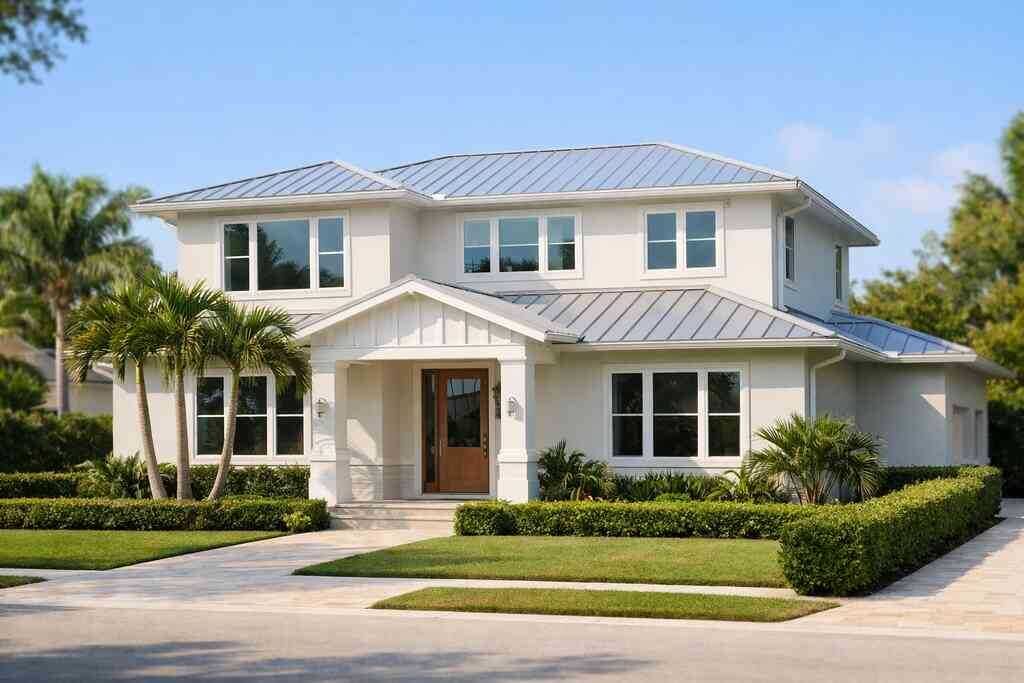
If you are searching for a general contractor near me South Florida or a home remodeling contractor South Florida, treat the first estimate as a starting point, not a commitment. For a useful comparison framework, this home remodeling contractor guide can help you ask better questions.
Bid elementGood signWarning signPermit handlingClearly included”Owner handles permits”EngineeringCoordinated earlyNot mentionedInsuranceCurrent documents providedVague or missingAllowancesSpecific and realisticToo low to be credible### What change orders contractor paperwork and lien waiver Florida language are really telling you
Change order contractor Florida paperwork matters because it shows what was not in the original price. A change order is a written adjustment for added work, changed materials, or hidden conditions. If it is not documented, disputes follow. Lien waiver Florida forms matter too because they protect you from paying twice if a subcontractor or supplier claims they were not paid.
I have seen a second story project slow down because the owner agreed verbally to upgraded windows, then the paper trail never caught up. The lesson is simple: if the scope changes, the contract should change. That is how contractor dispute resolution starts cleanly, before frustration takes over.
4) The hurricane-proofing details that separate a beautiful addition from a risky one
Hurricane proofing is not an optional upgrade in South Florida. It affects the roof, the wall connections, the openings, the waterproofing, and the sequence of construction. If those details are handled late, you can end up with a good-looking addition that performs poorly in storm season.
How hurricane roof tie-downs, roof removal and replacement, and temporary weather protection during construction protect the existing home
A second story usually requires at least partial roof removal and replacement, and that creates a weather risk. Temporary weather protection during construction should be planned before demolition begins, not after the first rain band shows up. Hurricane roof tie-downs, connection hardware, and roof-to-wall details also need to be coordinated with the structural engineer and roofer.
On one recent project in Miami-Dade, the team had to stage roof removal in smaller sections because a midweek storm system was moving in. The crew installed temporary dry-in protection before ending the day, and that decision kept the first floor usable. In South Florida, the weather is part of the construction plan, not a side issue.
When hurricane impact window installer South Florida work, hurricane shutter contractor planning, and waterproof detailing need to be locked in early
Windows, shutters, flashings, and sealants should be coordinated early because they affect framing dimensions and inspection timing. If you are adding new openings, the window schedule has to match the structural plan and the product approvals. Waterproof detailing around roof intersections, wall penetrations, and balcony edges is just as important as the visible finishes.
For more context on how second-story planning is handled across the region, this South Florida planning resource is worth a look. The sooner you coordinate those exterior details, the fewer surprises you get during rough framing and final inspections.
5) The smartest way to plan a second story addition that actually fits South Florida life
The smartest second story addition fits the structure, the permit path, and the way you actually live. South Florida design build thinking helps you align the architecture, engineering, and construction schedule so the project works in a coastal environment, not just on paper. That matters even more for waterfront and luxury homes.
How South Florida design build thinking helps with coastal home builder Florida, waterfront home builder South Florida, and oceanfront home contractor constraints
A South Florida design build approach keeps the architect, engineer, and builder talking early. That helps with coastal corrosion, wind exposure, staging limitations, and the reality of working in tight neighborhoods or along the water. It also helps when your project needs a South Florida concrete contractor, South Florida roofing contractor, or South Florida foundation repair scope to support the addition.
This is where you want the team to think beyond the addition itself. If the new second floor changes stairs, hallway widths, or bath placement, the first floor may need South Florida interior remodeling as well. That is especially true in South Florida luxury renovation projects where the new level has to feel like part of the original home.
What to ask before you commit to a home remodeling contractor South Florida for energy efficient remodeler, aging in place contractor South Florida, or South Florida luxury renovation goals
Ask whether the contractor has handled second-story work in your county, how they manage permits, how they document change orders, and who handles inspections. If energy efficiency matters, ask how they will improve insulation, air sealing, and HVAC zoning. If aging in place is part of the plan, the National Institute on Aging offers useful guidance on features that improve long-term safety and accessibility.
A strong contractor should also be able to discuss South Florida bathroom remodeler, South Florida kitchen remodeler, South Florida flooring installer, and South Florida tile contractor coordination if the first floor will be reworked below the new addition. If you are ready to compare local options, South Florida Contractors is a practical place to start because it helps you find a contractor South Florida by trade and location before you make the first call. For a direct route to nearby options, use the directory and call 18443112703.
Frequently Asked Questions
Question: What should I know about structural feasibility for a second story addition South Florida before I start design plans?
Answer: The first step is always structural feasibility, not finishes or floor plans. Before you invest in full drawings, a structural engineer should evaluate the foundation load analysis, load-bearing wall evaluation, roof framing, and overall load path to confirm the home can support a new level. In South Florida, that review also has to account for hurricane code compliance and South Florida building codes, since wind loads and connection details can change the scope of the project. If the house needs reinforcement, foundation repair, beam work, or roof modifications, it is better to know early than after construction starts. South Florida Contractors helps homeowners find a contractor South Florida who understands this process and can coordinate the right professionals, whether you are looking for a licensed contractor Palm Beach County, licensed contractor Broward County, or licensed contractor Miami-Dade. Always verify contractor licensing Florida and contractor insurance requirements Florida before hiring anyone.
Question: What does the second story addition permit process usually involve in Palm Beach County, Broward County, and Miami-Dade?
Answer: The second story addition permit process usually includes signed and sealed plans, structural calculations, trade permits, and inspections, along with any required HOA approval for home additions. Depending on the scope, you may also need approvals tied to roofing, windows, electrical, plumbing, and mechanical work. Palm Beach County permit, Broward County permit, and Miami-Dade permit reviews can each require different supporting documents, so it helps to work with South Florida contractors who already understand the local workflow. If your home is in a community with extra rules, condo renovation South Florida and townhome remodeling South Florida projects may require additional association approvals before city permits can move forward. South Florida Contractors is a practical starting point for homeowners who want a general contractor near me South Florida or a home remodeling contractor South Florida, but you should still confirm licensing, bonding, and insurance before signing a contract. Permits are not optional, and skipping them can create major problems later with inspections, resale, and insurance.
Question: How do I compare bids from a home remodeling contractor South Florida for Top 5 Things to Know Before a Second Story Addition?
Answer: The safest way to compare bids is to look far beyond price. A good estimate should clearly show scope, allowances, engineering coordination, permit handling, insurance, schedule assumptions, and who will supervise the work. The lowest bid is not always the best value if it leaves out structural engineering for additions, hurricane roof tie-downs, temporary weather protection during construction, or inspection coordination. When you compare a licensed contractor Palm Beach County, licensed contractor Broward County, or licensed contractor Miami-Dade, ask for recent second-story references and confirm that they know how to verify a contractor license, handle contractor bonding requirements, and provide lien waiver Florida documentation. A written change order contractor Florida process is also important, because it keeps any scope change documented and reduces the chance of contractor dispute resolution issues later. South Florida Contractors helps homeowners narrow down qualified options so you can make a better comparison before committing.
Question: Why are hurricane code compliance and South Florida building codes so important for exterior work on a second story addition?
Answer: In South Florida, hurricane code compliance is a core part of the design, not an upgrade added at the end. A second story addition can affect the roof structure, wall connections, openings, flashing, and waterproofing, so the project must be planned around South Florida building codes from the beginning. That is especially important if your project involves hurricane impact window installer South Florida work, a hurricane shutter contractor, roofing contractor South Florida services, or coastal conditions near the water. The right team will coordinate hurricane roof tie-downs, roof removal and replacement, and temporary weather protection during construction so the home stays protected while the addition is underway. This is where a South Florida design build approach can save time and stress, because the architect, engineer, and contractor can work together on the structural and weatherproofing details early. If you live in a coastal home builder Florida, waterfront home builder South Florida, or oceanfront home contractor setting, these concerns become even more important.
Question: How can South Florida Contractors help me find the right team for a second story addition South Florida and related interior upgrades?
Answer: South Florida Contractors is built to help homeowners find a contractor South Florida by location and trade, which makes it easier to connect with the right professional for a second story addition South Florida. If your project also includes South Florida interior remodeling, South Florida kitchen remodeler work, South Florida bathroom remodeler updates, South Florida flooring installer services, South Florida tile contractor installation, or a South Florida cabinet maker, the directory can help you build a team that fits the full scope of the job. It is especially helpful for homeowners who need more than one specialty, such as a South Florida concrete contractor, South Florida foundation repair specialist, or energy efficient remodeler South Florida to support the larger remodel. You can use the directory to review options, make a call, and start comparing contractors in South Florida before requesting a quote. Just remember that every contractor should still be verified for licensing, insurance, and relevant experience before work begins. For homeowners planning long-term changes, including aging in place contractor South Florida or South Florida ADA renovation needs, a well-coordinated team is often the difference between a smooth project and a stressful one.