
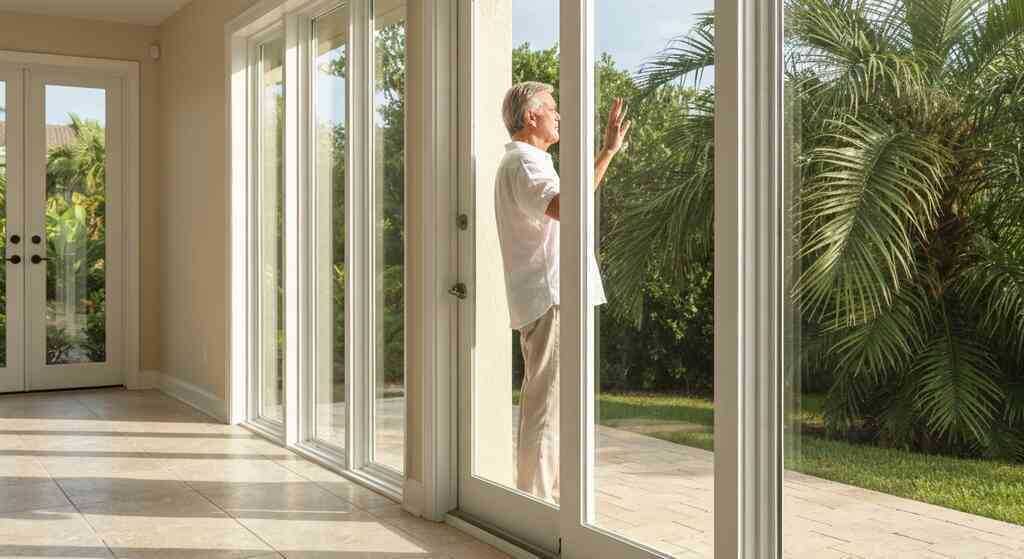
Living in South Florida means embracing the beauty of coastal life, but it also requires a serious commitment to storm preparedness. You might be staring at your older home and wondering how it will hold up when the wind picks up. Many residents realize that their property needs upgrades to better withstand intense weather. Whether you own a 1950s ranch in Wilton Manors or a high-rise condo on Brickell Avenue, protection is a necessity. Our team at South Florida Contractors is here to guide you through the process of securing your sanctuary.
1) Installing Hurricane Proof Windows and Impact Doors
Protecting the openings of your home is the first line of defense against catastrophic failure during a storm. If a window blows out, pressure inside the house can rapidly build up and blow the roof off. You should prioritize hurricane-proof windows near South Florida to keep your interior environment safe and stable. Modern technology allows these glass products to withstand massive impacts from flying debris. Investing in this protection is one of the smartest moves you can make for your property value and peace of mind.
Why impact glass is the gold standard for coastal construction
Impact-resistant glass consists of a durable interlayer, usually made of polyvinyl butyral (PVB), sandwiched between two panes of glass. Even if the outer layer shatters from wind-borne debris, the interlayer holds the shards together. This prevents wind and rain from entering your home during a hurricane. It also provides excellent insulation, which helps keep your energy bills down in the humid climate. Many homeowners find that the noise reduction alone makes the installation worth every penny.
Understanding Miami-Dade building code requirements for your home
Miami-Dade County maintains some of the most rigorous impact doors installation in Miami-Dade standards in the entire world. These codes require that products pass specific high-velocity hurricane zone tests to be approved for use. When you select windows or doors, ensure they carry a valid Notice of Acceptance (NOA) stamp. This certification proves that the assembly can resist wind pressures and debris impacts defined by local regulations. Always verify that your contractor is installing products that meet these strict requirements to ensure your insurance policy remains valid.
Balancing aesthetics with wind-load testing standards
You do not have to sacrifice the look of your home to gain essential storm protection. Modern manufacturing has evolved to offer frames that mimic classic wood, elegant aluminum, or sleek vinyl designs. Whether you prefer a minimalist look or a historic architectural style, there is an impact-resistant option available. Our partners often find that high-quality frames improve the curb appeal of a home significantly. By choosing the right design, you create a home that looks stunning while staying resilient against nature’s hardest hits.
2) Upgrading to a Resilient Roofing System
Your roof takes the brunt of the abuse during a tropical event, making it a critical focus area. Loose shingles or improperly secured tiles can easily become projectiles that damage nearby properties. Upgrading to a high-performance system is a smart long-term investment for any homeowner. Consult with a professional roofing contractor in Florida to see if your current roof meets modern wind standards. A solid roof keeps the water out and protects the structural core of your building.
Choosing the right roofing contractor Florida for high-wind zones
Not every tradesperson has the specialized training needed for high-wind roof installations. You need to hire someone who understands the complexities of roof-to-wall connections and proper fastener placement. Ask to see examples of previous work in the local area to gauge their attention to detail. A reputable company will provide a detailed scope of work that outlines the materials and methods used. They should also be familiar with local code amendments that change frequently to keep up with safety standards.
Comparing metal versus tile for hurricane season prep
Metal roofing has gained massive popularity in our region due to its superior strength and longevity. Standing seam metal roofs are particularly effective because they have fewer points of entry for water. Tile roofs, specifically concrete or clay, are beautiful but require proper fastening to survive high winds. If you choose tile, ensure the installation follows current high-wind load specifications to prevent tiles from sliding off. Both options offer great protection when installed correctly by a certified team.
The importance of secondary water barriers in your renovation
A secondary water barrier is a hidden hero that protects your home if the main roof covering fails. It acts as a final line of defense to keep moisture out of your attic and living space. Taped roof deck seams or spray-applied membranes are common methods used to achieve this level of protection. Even if your shingles are blown away, this layer prevents water from entering and destroying your drywall and flooring. Talk to your contractor about incorporating this essential feature during your next roof replacement project.
3) Implementing Structural Reinforcement for High Winds
Structural reinforcement ensures that your home acts as a single, unified piece when powerful winds strike. Without proper connections, individual parts like your roof or porch could separate from the main structure. You should have a professional inspect your home to see if any hardware is missing or corroded. This is especially vital for homes built before the more stringent codes were implemented. Strengthening these points is one of the most effective ways to prevent structural failure.
Securing roof-to-wall connections for older homes
Older houses often lack the heavy-duty metal clips that tie the rafters directly to the wall plates. These connections are the secret to keeping your roof attached during a severe wind event. Retrofitting your home with high-wind rated hurricane straps can be done by a skilled general contractor near West Palm Beach. The cost of these upgrades is minimal compared to the price of a total roof loss. It gives you a safer property and often leads to lower insurance premiums for your household.
How a South Florida general contractor assesses structural integrity
A professional will look at your home from the foundation up to identify potential weak spots. They check for signs of rot, termite damage, or rusted fasteners that could compromise your stability. Using detailed blueprints or physical inspections, they provide a roadmap for necessary repairs or reinforcements. Their goal is to ensure your home meets current safety standards for lateral wind loads and uplift resistance. Having a pro perform this assessment provides peace of mind throughout the entire year.
Strengthening your home addition Florida against lateral forces
When you decide to build a new space, you must ensure the new structure ties into the old one perfectly. Lateral forces, which push against the sides of your home, can cause cracks if the transition isn’t strong. Use quality materials and follow the latest engineering specifications to keep your home addition near Delray Beach secure. By investing in proper structural design now, you avoid costly retrofits in the future. Always make sure your addition is properly permitted and inspected to confirm it meets all safety requirements.
4) Retrofitting with Storm Shutters and Exterior Protection
Exterior shutters provide a physical shield against flying debris that could break your glass or damage your siding. There are many options available today that provide excellent protection without sacrificing your view. You should consider what works best for your daily lifestyle and how much time you have before a storm. Having a system that is easy to deploy makes your hurricane season prep in South Florida much less stressful.
Comparing accordion versus roll-down storm shutter retrofitting
Accordion shutters are fixed to the side of the window and slide shut like a closet door. They are a cost-effective choice and offer great protection against high-speed impacts. Roll-down shutters are more expensive but offer higher convenience since they can often be motorized. Many homeowners in our area appreciate the ability to secure their entire home with the push of a button. Both systems are highly effective when they are maintained properly and tested annually.
Protecting your property from exterior debris mitigation
Debris mitigation isn’t just about windows; it’s about clearing your yard of potential hazards. Potted plants, loose patio furniture, and even decorative rocks can become dangerous projectiles in high winds. Always clear your outdoor spaces before a storm threat is imminent to protect your walls and roof. If you have a bathroom remodel in Boca Raton or other ongoing exterior projects, ensure all loose materials are secured. Being tidy and prepared prevents unnecessary damage to your home and your neighbors’ property as well.
Finding reliable Boca Raton remodelers for exterior upgrades
When you need professional help, choose contractors who have a proven track record in your specific city. Look for companies that specialize in exterior retrofitting and have a portfolio of successful projects. Reading reviews and checking local references helps you find someone who understands the nuances of coastal construction. You want a team that is professional, responsive, and willing to answer your questions about safety. The right partner will make the process of securing your home a smooth and stress-free experience.
5) Enhancing the Building Envelope with Sustainable Materials
The building envelope is the physical separator between the interior and exterior of your home. A resilient envelope protects you from the elements while keeping your energy costs stable. Using modern, high-tech materials can improve your home’s performance significantly during extreme weather. We suggest focusing on sustainable building materials for coastal construction that resist moisture and salt corrosion. These choices pay off in the long run by requiring less maintenance and offering better protection.
Using impact-resistant siding for coastal construction
Traditional siding can easily peel away in high winds, leaving your home exposed to water damage. Fiber cement or reinforced polymer siding are excellent options that offer superior durability against high winds. These materials also stand up well to the constant salt air found along our coastline. By upgrading your siding, you protect the structural frame of your house from moisture intrusion. This simple upgrade enhances both the safety and the appearance of your exterior facade.
Energy efficiency and storm safety in West Palm Beach kitchen remodeling
When you renovate, you can integrate storm safety into your design choices without losing style. High-quality appliances and materials that handle humidity better will make your home more comfortable year-round. Think about installing impact-resistant glass in your back door or windows during a kitchen project. It ensures that your renovation investment remains protected from the next major storm event. Your home will be more energy-efficient and secure against the harsh Florida environment.
Long-term benefits of resilient building envelope upgrades
A resilient building envelope does more than just prepare you for hurricanes. It also helps manage indoor temperatures and keeps your home dry during our intense summer rain showers. Investing in better insulation and high-performance materials adds value to your property. You will notice lower utility bills and less wear and tear on your climate control systems. It is a proactive approach that ensures your house remains a comfortable, safe harbor for your family.
6) Managing Flood Zone Construction and Drainage
Water is perhaps the most destructive force that our homes encounter during a storm. Managing how water moves around your property is essential for preventing structural damage and mold. If you live in a low-lying area, you need to understand the specifics of flood zone construction in South Florida. Proper elevation and drainage prevent your home from becoming a target for rising water. Don’t wait for a flood to realize that your drainage systems are inadequate.
Essential tips for flood zone construction safety
If you are building or renovating, consider elevating your mechanical equipment like air conditioning units. Keep all important electrical outlets and panels well above the potential flood level. Using moisture-resistant materials for the lower parts of your walls can save your home during a surge. Talk to a specialist about whether wet floodproofing or dry floodproofing is right for your specific lot. Safety in these zones requires a combination of smart design and proper elevation.
How to verify your property status before a Fort Lauderdale renovation
Before starting any work, check your flood zone status with local municipal resources. Understanding your base flood elevation helps you make informed decisions about your project’s scope. You can often find this information on public hazard maps provided by your county or city office. If you are planning a construction permit in Broward, this information is mandatory for your application. Knowing where you stand allows you to design a renovation that is compliant and safe.
Installing proper drainage to prevent water intrusion
Good drainage is about getting water away from your foundation as quickly as possible. Ensure your gutters are clear and that your downspouts are extended away from the building. If you notice pooling water after a short rain, it is time to install a French drain or other irrigation solutions. Keeping the soil around your foundation dry prevents settling and water leaks into your basement or lower levels. Simple landscaping changes can often make a massive difference in how your home handles heavy rainfall.
7) Securing Your Property with Professional Oversight
Professional oversight is the key to ensuring your project is done correctly and legally. Cutting corners on home safety can lead to massive problems during the next hurricane season. Always verify the credentials of the people you hire to work on your home. It’s better to be safe and thorough when choosing who to trust with your biggest asset. We encourage you to use how to hire a contractor in Florida resources to ensure you find a qualified professional.
How to hire a contractor using a Florida DBPR license check
Always verify the license status of any contractor before signing a contract. You can easily do a search on the Department of Business and Professional Regulation (DBPR) website to confirm their status. A valid license is your first protection against shoddy work and abandonment. Ask for proof of insurance and confirm their coverage limits before any work begins on your property. Never settle for someone who cannot provide these documents upon your request.
Navigating the construction permit Broward process correctly
Pulling permits is not just red tape; it is your assurance that the work meets safety codes. The permit process involves a review of your plans to ensure they comply with building laws. When your project is finished, an inspector reviews the work to make sure it was built according to the approved plan. This step is crucial for insurance purposes and for the resale value of your home. If you skip this, you might have difficulty selling your house later or getting a claim paid.
Using a renovation cost calculator to budget for safety upgrades
Renovating your home with hurricane-proof features is a great investment, but it does require careful budgeting. Many online tools allow you to estimate the structural reinforcement for high winds costs based on your square footage and location. Always add a contingency fund to your budget for any unexpected issues found during the work. You might find that the cost of safety is lower than you expected, especially compared to the price of repairing damage. Prioritize the most important upgrades first and build your project out from there.
Frequently Asked Questions
How much does a hurricane-proof renovation cost in South Florida?
Costs vary widely depending on the size of your home and the scope of the project. Simple window retrofits are much more affordable than full structural reinforcements. Most homeowners can expect to invest a few thousand to tens of thousands depending on the specific safety goals they have.
Do I need a permit for storm shutters in my city?
Yes, in almost every jurisdiction in South Florida, installing permanent storm shutters requires a building permit. This ensures the attachments meet the wind-load standards for your area. Always verify your local requirements with the building department before purchasing any materials.
What is the difference between impact-resistant and storm-rated products?
Impact-resistant products are tested to withstand the force of debris flying at high speeds. Storm-rated often refers to a broader category that includes wind-load capacity. Always look for the Miami-Dade NOA to ensure the product meets the highest possible testing standards for our region.
How often should I inspect my storm protection systems?
You should inspect your shutters, windows, and roof at least once every year before the peak of the season. Look for signs of corrosion, loose fasteners, or cracked seals. Regular maintenance prevents the need for major repairs when you need your protection to work the most.
Where can I find a trusted contractor for these upgrades?
You should use a professional directory like South Florida Contractors to find licensed and insured experts. The directory allows you to view details, call local pros, and schedule quotes efficiently. It is the safest way to find someone who knows the local codes and climate realities.