Top Ten Winter HVAC Myths South Florida Contractors Debunk
February 25, 2026
When Palm Trees Meet Heat Pumps: The South Florida Winter Wake-Up
Coastal Comfort Versus Cold Front Hype
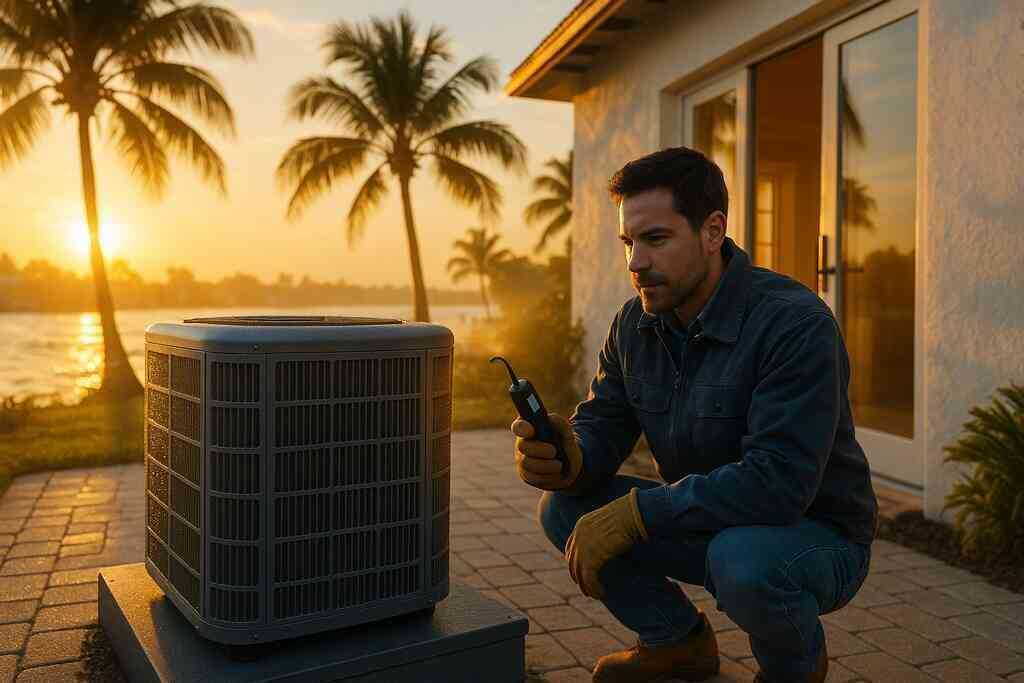
Winter headlines sometimes scream about record lows sweeping the peninsula, yet most coastal residents still enjoy balmy midday walks. Five decades of meteorological records confirm that true freezes remain rare, but a sudden dip into the fifties can still trigger comfort alarms indoors. Seasoned HVAC professionals in South Florida understand that rapid humidity swings-not absolute temperature-create the real challenge for equipment longevity and occupant comfort. Because salt-laden breezes accelerate metal fatigue, even short cold snaps uncover weak points in poorly maintained systems. Coastal homeowners who treat HVAC as a year-round necessity consistently avoid the expensive emergency calls that accompany every overhyped cold front.
What a South Florida Contractor Really Thinks About January Chill
Ask any veteran contractor in South Florida about “winter,” and you will hear an amused chuckle followed by practical advice. The joke hides a truth: light jackets outside do not equal light demand inside. Houses built for cross-ventilation during sticky summers often leak warm air when the thermometer briefly tumbles at night. A savvy professional will therefore recommend modest envelope upgrades-such as weather-stripping and attic insulation-before suggesting bigger mechanical investments. Tackling airflow first ensures heat pumps work less, electric bills shrink, and comfort remains stable even when neighbors complain about drafts. That holistic view separates reputable crews from handymen who chase quick thermostat tweaks.
Why Mild Evenings Still Demand HVAC Savvy
Sunset along the Intracoastal signals a double shift for residential systems: sensible heat drops while latent moisture lingers. Without intelligent control strategies, compressors short-cycle, drawing excess amperage and wearing out prematurely. Skilled technicians balance longer, lower-speed runs that dry the air gently, preventing condensation on ducts and windows. Meanwhile, homeowners gain healthier indoor air because mold spores cannot thrive in properly dehumidified rooms. That invisible payoff often matters more than the few degrees of warmth people notice stepping out of bed on a cooler morning. Ultimately, mild evenings remind us that good HVAC design is about stability, not just getting warm fast.
Myth-Busting Circuit: Ten Misconceptions Under the Microscope
Myth 1: Mild Climate Means No Heating Needed
Many newcomers assume that South Florida’s tropical reputation erases any need for heating equipment. Unfortunately, prolonged dampness around sixty degrees can feel clammy and trigger respiratory discomfort. Heat pumps operating in reverse can nudge indoor temperatures upward while expelling excess moisture, enhancing health and protecting furnishings. Ignoring that fact often results in higher energy use because residents reach for inefficient space heaters instead. Smart homeowners schedule a consultation with heating and cooling experts in Boca Raton to size a dual-purpose system capable of both cooling and mild heating without financial shock.
Myth 2: Cranking the Thermostat Saves Startup Energy
Slamming the dial to eighty after a brisk walk may feel proactive, yet it only forces the compressor into an extended high-speed cycle. Equipment then overshoots the target, prompting rapid short-cycling that wastes power and strains components. Incremental two-degree adjustments allow the thermostat to stage capacity gradually, maintaining efficiency curves. Users also avoid the uncomfortable temperature swings that follow a drastic set-point change. Education delivered by trusted technicians quickly eliminates this costly habit.
Myth 3: Heat Pumps Cannot Handle Cool Nights in Boca Raton
Modern variable-speed heat pumps maintain capacity well below forty degrees-far colder than most local lows. By harvesting latent heat from humid air, they continue delivering gentle warmth without resorting to inefficient electric strips. Oversized or outdated single-stage units fail because they shut off too quickly, not because the underlying principle is flawed. Professional sizing supported by energy-wise contractors in Boynton Beach guarantees balanced runtime, quiet operation, and dependable savings. Residents then enjoy one system year-round, avoiding the clutter and fire risk of portable heaters.
Myth 4: Auxiliary Heat Equals a Broken System
Auxiliary or “backup” mode engages automatically when outdoor temperatures fall faster than the heat pump can recover. This design prevents the house from drifting into discomfort but should appear rarely. Frequent activation signals airflow restrictions, low refrigerant, or thermostat miscalibration-not total equipment failure. Technicians perform static pressure tests and refrigerant charge verifications to pinpoint the true culprit. Addressing these underlying issues keeps auxiliary elements dormant, preserving both the wallet and hardware life.
Myth 5: Ductwork Insulation Is Unnecessary in Boynton Beach
Attics often hover near outdoor temperatures, so uninsulated ducts quickly lose precious BTUs on chilly mornings. Moisture condensing on cold sheet metal invites mold colonies that compromise indoor air quality. Wrapping supply lines with closed-cell insulation maintains delivered air temperature and prevents sweating year-round. This straightforward retrofit pays back quickly through lower runtime and improved comfort in distant bedrooms. Even existing insulation deserves inspection because rodent damage and UV degradation can leave hidden gaps.
Myth 6: Changing Filters Once a Year Is Fine
South Florida’s pollen peaks overlap with salt-air aerosols that clog filters faster than many homeowners realize. A dirty media pad suffocates airflow, forcing the blower motor to work harder while spreading allergens throughout the home. Industry guidelines suggest inspecting filters every thirty days and replacing them at least quarterly, though households with pets or coastal exposure may require monthly swaps. Adopting that simple practice preserves coil cleanliness and prevents avoidable service calls. Cleaner filters also boost energy efficiency, providing immediate utility savings.
Myth 7: Humidity Control Is Irrelevant When Heating
Although residents focus on cooling nine months out of twelve, humidity remains a silent threat during mild heating periods. Warm, damp air trapped against cooler surfaces can generate surface mold within days. Integrated dehumidification strategies-either through heat-pump logic or dedicated equipment-maintain relative humidity near fifty percent, protecting drywall and valuables. Ignoring moisture because the air feels slightly chilly invites structural damage that far outweighs the cost of proactive control. Contractors therefore emphasize moisture management as part of every winter HVAC tune-up.
Myth 8: Oversized Systems Lower Winter Bills
Larger compressors reach the set point rapidly, yet short cycles disrupt dehumidification, leading occupants to nudge thermostats even lower. That vicious loop shows up in higher bills and shorter equipment life. Proper load calculations consider insulation, orientation, and occupancy to right-size systems that run longer at part load, extracting moisture efficiently. Precise sizing optimizes seasonal efficiency ratios and keeps rooms evenly temperate without hot-and-cold swings. Investing in accuracy consistently outperforms the perceived safety of extra tonnage.
Myth 9: Space Heaters Are Cheaper Than Central Heat
Plug-in heaters advertise low wattage, but they deliver heat to only one area while the central fan remains off, leaving adjacent rooms uncomfortably cold. Households then deploy multiple units, collectively drawing more amperage than a properly tuned heat pump. The fire hazard from a tipped unit or overloaded circuit cannot be ignored either. A well-maintained central system paired with zoning or variable-speed logic spreads warmth efficiently across all occupied spaces. The cost difference surprises many first-time homeowners when winter electric bills arrive.
Myth 10: Winter Tune-Ups Are Unnecessary for High-SEER Systems
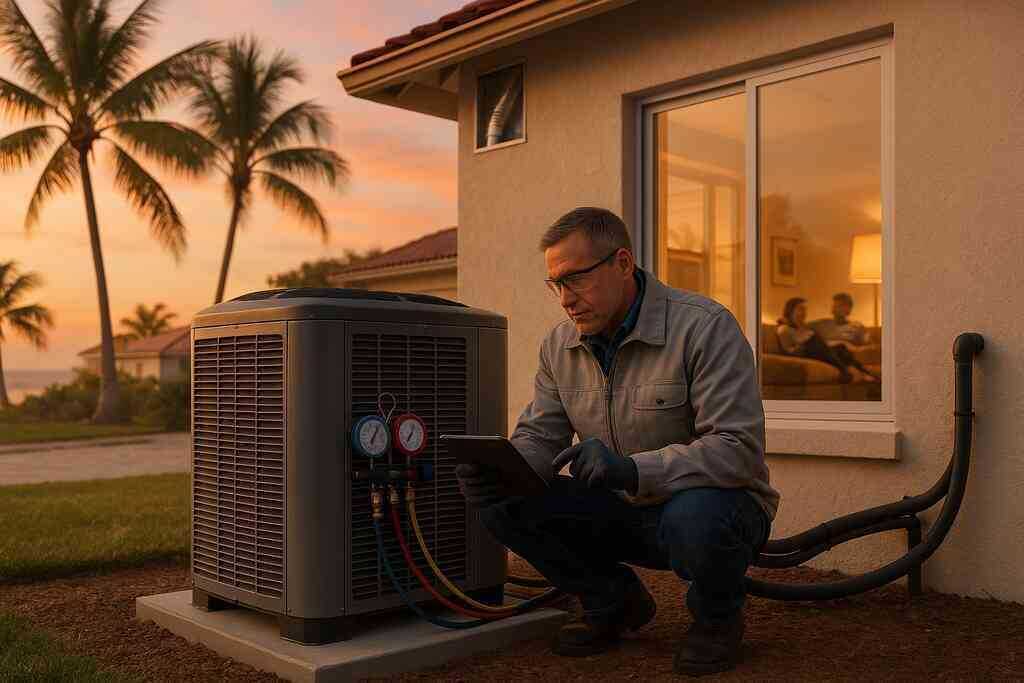
High Seasonal Energy Efficiency Ratio equipment boasts excellent summer performance, yet winter modes rely on different sensors, valves, and defrost sequences. Skipping seasonal inspections risks unnoticed corrosion, refrigerant leakage, or software glitches. Certified technicians verify that reversing valves actuate smoothly and that auxiliary elements disengage promptly after recovery. Their findings often uncover minor adjustments that safeguard warranties and prevent mid-season discomfort. Premium hardware still demands disciplined, consistent care.
Pro Contractor Insights: Turning Myths into Sustainable Comfort
Precise Load Calculations by a South Florida General Contractor
A licensed professional begins every upgrade by measuring square footage, insulation levels, window orientations, and infiltration rates. These data points feed a Manual J analysis that determines the exact tonnage a dwelling requires. Contractors then match equipment that meets but does not exceed the calculated demand, ensuring steady runtimes and deeper moisture extraction. This science-based approach eliminates guesswork and sets the foundation for decades of efficient operation. According to the role of a general contractor in HVAC upgrades, coordination with framers and electricians further streamlines installation logistics.
Smart Thermostat Programming for Warm-Climate Savings
Intelligent thermostats learn occupancy patterns, automatically easing set points when residents depart for beach outings or workdays. Remote sensors detect micro-climates, blending data to maintain stable comfort without constant manual tweaking. Integration with local weather forecasts allows anticipatory adjustments ahead of sudden cold fronts, preventing energy spikes. Homeowners appreciate push notifications that flag abnormal runtime, hinting at dirty filters or impending component failures. Consulting a Boca Raton renovation contractor on smart thermostats during remodels guarantees proper placement away from drafts and direct sunlight.
Zoning Strategies for Delray Beach Custom Homes
Sprawling floor plans with expansive glass facades face uneven solar gain, making single-zone systems inefficient. Motorized dampers controlled by individual thermostats tailor airflow to occupied wings, reducing run time in guest rooms. Builders who incorporate separate duct trunks during framing save their clients costly retrofits later. Residents enjoy personalized comfort while energy consumption drops, especially during brief winter evenings when only living areas require mild heating. Working with Delray Beach remodeling specialists for zoning systems ensures the design respects architectural aesthetics.
Coastal Corrosion Defense for Outdoor Condensers
Salt spray accelerates galvanic reactions, eroding aluminum fins and compromising heat exchange. Contractors apply polymer coatings to coils, install stainless-steel fasteners, and schedule quarterly rinses with gentle water streams. Elevating condensers on composite platforms prevents flood damage during king-tide events. Together, these measures extend equipment lifespan well beyond manufacturer expectations. Regular visual inspections detect rust blooms early, allowing economical spot treatments rather than costly coil replacements.
Detecting Refrigerant Leaks During Cooler Evenings
Pressure differentials widen slightly when ambient temperatures fall, making small leaks easier to trace with electronic sniffers. Technicians often schedule leak-search appointments after sunset to exploit this phenomenon. Catching micro-fissures early preserves compressor lubrication and maintains heating capacity. Dye injections provide visual confirmation, while nitrogen pressure tests verify complete sealing before recharging with eco-friendly refrigerant blends. Proactive leak management upholds efficiency ratings and keeps utility bills predictable.
Carbon Monoxide Monitors in Florida Homes
Although most residences rely on electric heat pumps, many still feature gas ranges, fireplaces, or standby generators. Enclosed garages where vehicles idle briefly also represent a hazard. Installing battery-backed CO monitors near sleeping areas offers an inexpensive safety net. Professionals ensure sensors sit at proper heights and test alarm function during annual service calls. Public awareness campaigns emphasize replacing devices every five to seven years as sensor elements age.
Beyond the Breeze: Future-Proofing HVAC with South Florida Contractors
Seasonal Checklist with West Palm Beach Renovation Experts
Homeowners juggling work, travel, and family often forget routine HVAC upkeep. A concise checklist-filter dates, thermostat battery swaps, and drain-line flushes-hung on the mechanical closet door serves as a constant reminder. Partnering with winter efficiency pros in West Palm Beach provides access to semiannual service plans that cover these tasks plus coil sanitization. This structured approach maximizes return on investment in high-performance equipment. Families then enjoy uninterrupted comfort whether temperatures climb or dip.
Partnering with Construction Companies for Energy-Efficient Upgrades
Major renovations offer the perfect moment to improve duct layout, add return paths, or integrate fresh-air ERV systems. Collaboration among architects, electricians, and mechanical contractors avoids conflicts that can cripple airflow after walls close. Early alignment on efficiency goals qualifies projects for local utility rebates, trimming upfront costs. Continuous communication through digital project platforms ensures materials arrive on time, keeping schedules tight. The synergy ultimately delivers homes that outperform code minimums by significant margins.
From Boca Raton Remodelers to Boynton Beach Renovations: Planning Ahead
Regional specialists understand micro-climate nuances, from Intracoastal humidity spikes to inland evening cool-downs. Consulting multiple trades early reveals opportunities to merge insulation, window, and mechanical upgrades into one cohesive plan. Clients benefit from bundled pricing and a single warranty umbrella covering structural and comfort systems alike. By relying on the South Florida Contractors network, owners gain vetted professionals capable of coordinating across city permits and HOA guidelines. Thoughtful planning today prevents costly change orders tomorrow, securing sustainable comfort for decades.
Frequently Asked Questions
Question: How can South Florida Contractors help me find out whether my current heat pump is truly undersized or if I have fallen for the oversized HVAC system waste myth?
Answer: Our directory connects you with licensed South Florida general contractors who perform Manual J and Manual D load calculations before recommending any equipment change. An accurate load study tells you whether better air-sealing or right-sizing the heat pump will lower those high winter electric bills. Because our listed pros also offer construction services-from adding attic insulation to installing variable-speed compressors-you get a single, warranty-backed solution instead of guesswork. Use the Find HVAC tool on southfloridacontractors.com, enter your zip code, and schedule a data-driven assessment that saves energy and keeps your indoor air quality in top shape.
Question: In the blog Top Ten Winter HVAC Myths South Florida Contractors Debunk, you talked about auxiliary heat confusion. When should auxiliary heat really turn on during a mild Boca Raton cold snap?
Answer: Auxiliary heat is meant to assist the heat pump only when outdoor temperatures drop faster than the system can recover-typically below 40-45 °F for a properly sized, energy-efficient heat pump Boca Raton homeowners rely on. If you see AUX displayed every night in 55 °F weather, you likely have airflow restrictions, a thermostat setback issue, or low refrigerant. A Boca Raton renovation contractor found through South Florida Contractors can recalibrate the smart thermostat, inspect static pressure, and confirm refrigerant charge so auxiliary coils stay off and your utility bill stays low.
Question: Is ductwork insulation really necessary for Boynton Beach homes if the attic never feels that cold, and which construction companies can handle this upgrade?
Answer: Absolutely. Even when the attic hovers in the 60s, uninsulated metal ducts sweat, invite mold, and let precious BTUs leak out before air reaches distant bedrooms. Certified Boynton Beach remodelers in our directory install closed-cell insulation, seal joints, and verify airflow balance. This quick retrofit reduces short-cycling, boosts indoor comfort, and extends system life-debunking the ductwork insulation myth once and for all.
Question: How often should I replace HVAC filters during Florida‘s cooler season, and can a contractor in South Florida set up smart reminders for me?
Answer: Salt aerosols and winter pollen clog filters faster than most homeowners realize. We recommend inspecting them every 30 days and replacing them at least every 60 days-more often if you have pets or live near the coast. Many Delray Beach construction companies listed on South Florida Contractors can install smart thermostats or IAQ monitors that send push-notification reminders, ending the HVAC filter change schedule myth for good.
Question: I’m worried about coastal corrosion on my outdoor condenser. What winterizing and condenser protection services do South Florida Contractors offer?
Answer: Coastal corrosion is very real, regardless of the myth. Our West Palm Beach renovation experts apply polymer coil coatings, replace hardware with stainless steel, elevate the unit on composite pads, and schedule quarterly freshwater rinses. These steps protect your investment, uphold manufacturer warranties, and keep your system running quietly on those cool South Florida evenings.