
Energy-efficient remodels in Florida can cut utility bills, improve comfort, reduce moisture problems, and make a home better prepared for storm season. Done right, they also support code compliance and resale value; done poorly, they can create leaks, warranty issues, and permit headaches.
If you are reading this because your last electric bill felt unfair, you are not imagining it. South Florida heat, humidity, and hurricane exposure punish weak building envelopes, so the details matter.
Key Takeaways
- Energy-efficient remodels in Florida help lower cooling costs by tightening the home’s thermal envelope and reducing heat gain.
- In South Florida, the best results usually come from combining insulation, air sealing, duct sealing, and high-performance windows instead of doing one upgrade alone.
- Exterior work should account for Florida Building Code compliance, hurricane-code requirements, and the local permit process in Palm Beach, Broward, and Miami-Dade counties.
- The cheapest bid can miss critical items like moisture control, proper flashing, and permit coordination, which can raise long-term costs.
- A smart remodel often improves comfort, indoor air quality, and durability at the same time, especially in coastal and waterfront homes.
Why a Florida remodel can lower your bills and raise your risk if it is done wrong
Energy-efficient remodels in Florida lower bills by reducing the amount of cooled air your home loses and the amount of heat and moisture it takes in. In South Florida, that means better insulation, tighter air sealing, stronger windows, and smarter HVAC choices. If the work is done carelessly, though, you can trap moisture, create code issues, or leave the house less safe in storm conditions.
Where energy-efficient remodels in South Florida actually save money in humid, hurricane-prone homes
The biggest savings usually come from the building shell, not just the equipment. Air sealing and duct sealing around attic penetrations, upgraded insulation, and low-E windows reduce the load on your AC, which matters in a region where the system runs hard for much of the year. For many homeowners, that is the difference between a house that never feels fully cool and one that holds temperature more evenly.
A well-planned project often blends coastal home energy efficiency with durability. That can include attic insulation upgrade Florida, radiant barrier installation, HVAC efficiency improvements, and smart thermostat installation. If you are looking for ideas, this guide to energy planning is a useful place to start because it shows how pros think through the whole system, not just one product.
One homeowner in Palm Beach County told us their upstairs bedroom stayed hot no matter how low they set the thermostat. The real problem was not the AC alone. It was attic heat gain plus leaky ducts, and once those were corrected together, the room finally tracked with the rest of the house.
Why the cheapest quote can miss insulation, air sealing, and code compliance that protect the whole house
The lowest bid often focuses on visible finishes and skips the invisible work that protects performance. That can mean thin insulation, no pressure testing, weak duct sealing, or window installation details that do not support hurricane resistance. In South Florida, those omissions can erase most of the efficiency gain you expected.
Here is the part most homeowners miss: energy-saving home upgrades work best as a system. A new AC will struggle if the attic is leaky. New windows will underperform if the installation is sloppy. And a beautiful remodel can still feel muggy if moisture control was never addressed.
Upgrade pathMain benefitCommon risk if skippedInsulation + air sealingLower cooling loadHeat leaks and high billsWindows + proper installationComfort and storm protectionWater intrusion and draftsHVAC + duct sealingBetter temperature balanceHigh runtime and uneven roomsIf you are comparing bids, look for a licensed contractor South Florida homeowners can verify, not just a low number on paper. A practical starting point is to review best remodeler options and use that as a checklist, not a shortcut. Always confirm licensing and insurance before you sign anything.
When a remodel turns into a permit and insurance problem instead of a comfort upgrade
This part is genuinely confusing for most people. A project that seems simple on the surface can trigger permit reviews, HOA approval, and insurance questions once it touches structure, openings, or mechanical systems. In South Florida, that is especially true for window replacement, roof work, additions, and any exterior change near the coast. Do not assume permits are optional. A Palm Beach County permit, Broward County permit, or Miami-Dade permit may be required depending on scope, and South Florida building codes are not a formality. For exterior and structural work, hurricane code compliance matters, especially where wind-borne debris and flood exposure are real concerns. A remodel can also affect your insurance documentation. If the contractor cannot explain the scope clearly, provide a written contract, and handle the lien waiver process properly, you may run into trouble later. The Florida Department of Business and Professional Regulation is the place to verify licensing, and homeowners should also review state and local permit expectations before work begins: Florida DBPR licensing and the Miami-Dade product approval portal are good examples of official resources. 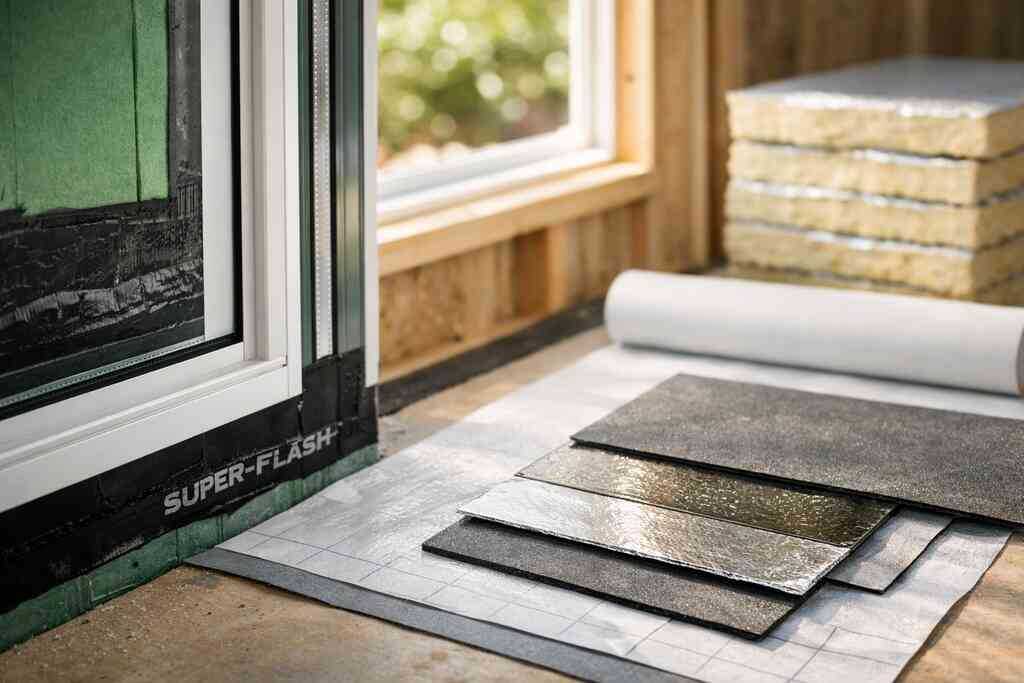
The upgrades that matter most when heat, moisture, and storm season never really leave
The most valuable upgrades in South Florida are the ones that cut heat gain, control moisture, and improve storm resistance at the same time. Insulated impact windows, cool roofs, attic and duct improvements, and moisture-smart finishes often give the strongest return because they work together. That is why many homeowners choose hurricane-ready energy-efficient renovations instead of single-item fixes.
How insulated impact windows, hurricane impact window installer South Florida work, and cool roof installation change comfort and utility bills
Insulated impact windows reduce solar heat gain, help stabilize indoor temperatures, and add storm protection in one move. A qualified hurricane impact window installer South Florida homeowners can verify should explain frame ratings, glass options, flashing, and approval requirements before work starts. A cool roof installation can further reduce attic temperatures by reflecting more heat, which helps the AC cycle less often.
Here is a simple comparison of what each upgrade tends to do:
UpgradeComfort impactEnergy impactStorm benefitInsulated impact windowsReduces hot spots and glareLowers cooling demandHighCool roof installationLowers attic heatCuts AC runtimeModerateLow-E window replacementImproves glazing performanceBetter solar controlDepends on productEnergy-efficient roofing upgradesHelps whole-house heat managementOften strongDepends on assemblyFor many coastal homes, the best approach is to combine low-E window replacement with energy-efficient roofing upgrades and careful sealing around openings. If you want a broader view of the best combinations, this roofing guide lays out the priorities without overselling any one product.
On recent projects, we have seen a clear pattern: homes near the water often need more than pretty finishes. They need thermal envelope improvements, moisture-resistant building materials, and installation quality that respects South Florida’s weather reality. That is true in Miami-Dade, Broward, and Palm Beach County alike.
For readers planning larger scopes, a directory like South Florida Contractor Guides can help you compare local options by trade and location before you make the first call. It is not a substitute for verification, but it is a practical way to begin narrowing down a home remodeling contractor South Florida homeowners can interview intelligently.
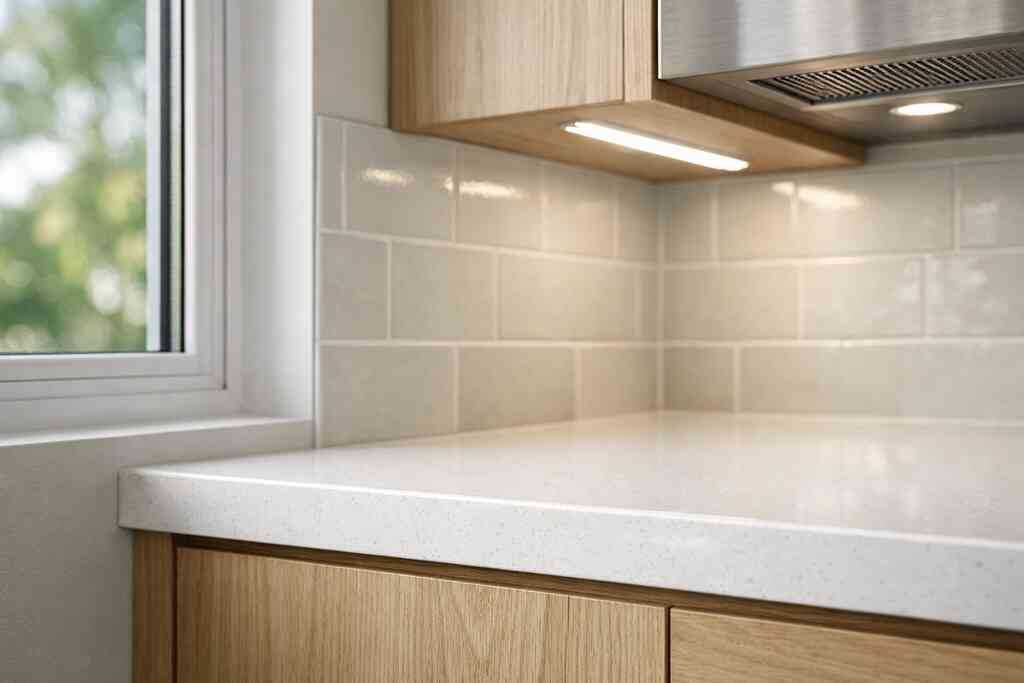
If your project includes a kitchen, bath, addition, or whole-house refresh, pair efficiency with function. An energy-efficient kitchen remodel might include LED lighting, better ventilation, and cabinet layouts that reduce wasted conditioned space. An energy-efficient bathroom remodel may use low-flow fixtures, moisture-tolerant finishes, and better exhaust control. Those choices improve comfort, not just utility costs.
If you are not sure where to begin, start with one solid estimate from a properly licensed pro and ask how they would coordinate permits, products, and installation details. You do not have to figure it all out today. You do need a clean first step: use the South Florida Contractors directory to find and compare local contractors by ZIP, then call 18443112703 after you verify licensing and insurance.
Frequently Asked Questions
Question: What are the benefits of energy efficient remodels in Florida, and how does South Florida Contractors help homeowners get started?
Answer: Energy-efficient remodels in Florida can lower utility bills, improve comfort, reduce moisture problems, and make homes better prepared for storm season. In South Florida, the biggest wins usually come from a whole-home approach: air sealing and duct sealing, attic insulation upgrade Florida projects, low-E window replacement, energy-efficient roofing upgrades, and HVAC efficiency improvements. South Florida Contractors helps homeowners begin with a practical contractor search by ZIP code or city, so it is easier to find a contractor South Florida residents can compare by location and service area. That matters because the best results come from working with a licensed contractor South Florida homeowners can verify for licensing, insurance, and permit readiness before any work begins. If the project involves exterior or structural changes, hurricane code compliance and the South Florida permit process should be part of the plan from day one.
Question: How do I choose a licensed contractor Palm Beach County, licensed contractor Broward County, or licensed contractor Miami-Dade for a South Florida energy efficient remodeling project?
Answer: The safest way to choose is to verify licensing, insurance, and experience with the type of work you need. A general contractor near me South Florida search can be a starting point, but you should confirm the contractor’s license through official state resources, ask for proof of insurance, and make sure they understand local permit requirements. For example, a home remodeling contractor South Florida homeowners trust should be familiar with Palm Beach County permit, Broward County permit, and Miami-Dade permit expectations, plus South Florida building codes and hurricane-code requirements for exterior work. South Florida Contractors is useful because it helps you compare local options instead of guessing from a random online ad. Whether you need a South Florida kitchen remodeler, South Florida bathroom remodeler, or energy efficient remodeler South Florida residents can rely on, always check contractor licensing Florida standards, contractor insurance requirements Florida, and contractor bonding requirements before signing a contract.
Question: What upgrades make the biggest difference for utility bill reduction through remodeling in a coastal home?
Answer: For coastal home energy efficiency, the most effective upgrades usually work together rather than alone. Insulated impact windows, air sealing and duct sealing, attic insulation, radiant barrier installation, cool roof installation, and smart thermostat installation can all reduce cooling demand in South Florida’s heat and humidity. If the project is larger, whole-home energy retrofit planning can also improve indoor air quality and moisture control while supporting high performance home remodeling goals. A hurricane impact window installer South Florida homeowners can verify should explain product approvals, flashing details, and installation methods that support storm protection as well as energy savings. The same is true for roofing contractor South Florida professionals working on energy-efficient roofing upgrades, because roof systems affect heat gain, durability, and hurricane readiness. South Florida Contractors helps homeowners compare contractors who can handle these projects as a coordinated system, which is usually better than piecemeal work.
Question: Can energy efficient remodels also help with hurricane-ready energy efficient renovations and hurricane code compliance?
Answer: Yes, when planned correctly. In South Florida, many of the best energy-saving home upgrades also improve storm resilience. Insulated impact windows, hurricane shutter contractor services, hurricane roof tie-downs, moisture-resistant building materials, and permit-ready remodeling all support both safety and performance. That said, hurricane-ready energy-efficient renovations must be done carefully because cutting corners on flashing, anchoring, or approvals can create leaks and warranty issues. Exterior work should always be reviewed under Florida Building Code compliance and local South Florida permit process rules, especially for waterfront home energy upgrades, oceanfront home contractor projects, or condo renovation South Florida work. South Florida Contractors is helpful here because it lets homeowners connect with contractors who understand the realities of wind, water, and code in Palm Beach, Broward, and Miami-Dade counties. Always verify licensing and insurance before moving forward.
Question: What should I look for if I want a South Florida design build firm for an energy efficient kitchen remodel or energy efficient bathroom remodel?
Answer: Look for a contractor who can coordinate design, permits, materials, and installation without losing sight of energy performance. For an energy efficient kitchen remodel, that may include LED lighting retrofit work, better ventilation, efficient appliance planning, and layouts that reduce wasted conditioned space. For an energy efficient bathroom remodel, moisture management, low-flow fixtures, exhaust control, and humidity control solutions are just as important as finishes. A strong South Florida design build team should also understand South Florida HOA permit requirements, townhome remodeling South Florida rules, and how to handle change order contractor Florida paperwork clearly if the scope changes. South Florida Contractors gives homeowners a practical way to compare a South Florida kitchen remodeler, South Florida bathroom remodeler, or home remodeling contractor South Florida by service area and project type. If you want a team that can also support aging in place and energy efficiency or South Florida ADA renovation needs, ask about that experience upfront and verify credentials before you hire.
Question: How do I use South Florida Contractors to find the right pro for pool deck, lanai, addition, or outdoor efficiency upgrades?
Answer: Start by entering your ZIP code or selecting your city, then review the contractors listed by distance and service type. This is especially useful if you need a pool deck contractor South Florida homeowners recommend, a paver installation South Florida specialist, a screen enclosure contractor South Florida, a lanai builder South Florida, or an outdoor kitchen contractor South Florida. For larger scopes like South Florida home additions, second story addition South Florida work, or sunroom contractor South Florida projects, you should also look for a contractor who understands South Florida building codes, permit coordination, and contractor dispute resolution if problems arise. The directory is a strong first step because it helps you compare qualified South Florida contractors in one place instead of starting from scratch. Once you narrow the list, call to discuss your goals, ask about licensing and insurance, and confirm that the contractor can support energy-efficient home additions, sustainable home remodeling, and hurricane-code compliant exterior work. That is the smartest way to move from research to a well-managed project.