
Paver installers build segmented surfaces that can flex, drain, and be repaired in sections. Concrete installers pour a monolithic slab that is usually faster to place, but more likely to crack if the base, joints, or drainage are poorly designed.
If you are comparing quotes and the numbers feel all over the place, you are not alone. This can be confusing for most homeowners in South Florida, especially when one bid talks about base prep and another talks about slab thickness, sealers, or pattern layout.
Key Takeaways
- Paver installation South Florida is usually the better fit when you want drainage, repairability, and a more decorative finish for driveways, patios, and walkways.
- Concrete driveway installation is often simpler to maintain and can cost less up front, but it depends heavily on proper base work and expansion joints in concrete to limit cracking.
- A pool deck contractor South Florida should prioritize slip resistance, drainage, and coastal weather exposure, because wet surfaces and heat make poor detailing show up fast.
- Before any exterior work starts, verify contractor license Florida, confirm insurance, and check permit and HOA requirements. Skipping that paper trail can create expensive problems later.
- For South Florida homeowners, the real choice is not just pavers versus concrete. It is the right surface, installed by the right licensed contractor, for your site, drainage, and code needs.
When your driveway, patio, or pool deck decides the contractor for you
The difference between paver and concrete contractors comes down to system design. Paver installers focus on interlocking units, base preparation, and edge restraint, while concrete installers focus on forming, reinforcing, placing, finishing, and curing a single slab. In South Florida, the right answer often depends more on drainage and movement than on appearance alone.
Which projects call for paver installation South Florida and which ones fit poured concrete surfaces better
Pavers make sense when you want driveway paver installation, patio paver installation, or walkway paver installation that can handle soil movement and heavy rain better. They are also a strong choice for coastal property paving because damaged sections can be lifted and reset without replacing the whole surface. Poured concrete works well for straightforward concrete slab installation, simple driveways, and some utilitarian patios where budget and speed matter most.
Here is the practical comparison most homeowners need:
FactorPaversPoured ConcreteMovement toleranceBetter with minor soil shiftsMore likely to crack if the slab movesRepairsReplace individual unitsPatch or replace larger sectionsDrainageEasier to design for runoffNeeds careful slope and joint planningAppearanceMore design optionsClean, simpler look; decorative finishes possibleMaintenanceSealing and joint sand upkeepCrack sealing, resurfacing, or leveling over timeOn a recent driveway project in Broward, the homeowner wanted a clean front entry but had drainage issues after heavy rain. We recommended pavers because the slope could be corrected in the base rather than trying to force a slab to do the job. That kind of decision saves headaches later.
If you are comparing bids, a good place to start is how to compare paver installation quotes. You will notice that the best proposals explain subgrade compaction for paving, base thickness, edge restraints, and sealing, not just price per square foot.
For concrete, ask what the installer is doing to prevent future issues. The real work is often in the base, the reinforcement, and the joints, not the finish color. If you want a deeper breakdown, see what a concrete contractor handles.
Why pool deck contractor South Florida work needs slip resistance, drainage, and expansion joints to survive coastal weather
Pool decks in South Florida live a hard life. They get sun, standing water, chlorine, salt air, and constant thermal movement, so a pool deck contractor South Florida should plan for slip-resistant pool deck surfaces, drainage-friendly slopes, and movement joints from the start. If those details are weak, the deck will telegraph problems quickly. The best pool deck materials and methods usually include: 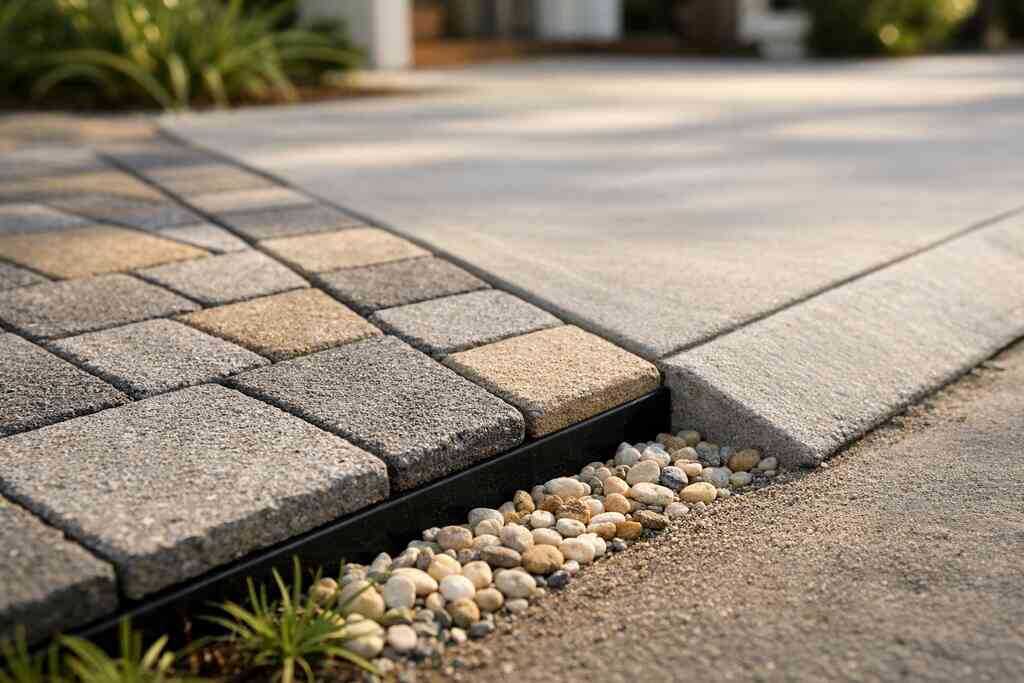
- A textured or broom finish for traction
- Slopes that move water away from the pool and house
- Proper expansion joints in concrete or flexible jointing at transitions
- A finish that stays cooler underfoot when possible
- Repair access if the deck needs future concrete leveling and repair
One homeowner in Palm Beach County had a pool deck that looked fine until afternoon rain pooled at the edge and created a slick strip near the screen enclosure. The fix was not cosmetic. It required reworking slope, correcting drainage, and replacing damaged sections so the surface could perform safely.
For pool and patio work, the contractor should understand hurricane-code realities too. Outdoor surfaces, tie-ins, and any adjacent structures must be planned with South Florida building codes and hurricane code compliance in mind, especially if the project touches a covered lanai, screen enclosure, or outdoor kitchen. If your project goes beyond the deck, a strong hardscape or general contractor may be the better lead.
The permit and licensing paper trail that protects your property
The safest contractor is not just the one with the best price. It is the one who can prove licensing, insurance, bonding, and permit discipline before a shovel hits the ground. In South Florida, that paper trail matters because exterior work often affects drainage, setbacks, HOA rules, and county review.
How to verify a contractor license Florida and confirm contractor insurance requirements Florida before work starts
A licensed contractor should be able to show active credentials, a clear scope of work, and proof of insurance before you sign. For exterior projects, you should also ask about bonding and lien waivers, because those protect you if a subcontractor or supplier is not paid. If anything feels vague, stop and verify.
Use this short checklist:
- Confirm the contractor license through the state or local licensing lookup.
- Ask for current general liability and workers’ compensation proof.
- Make sure the business name on the quote matches the license and insurance.
- Ask who will pull permits and who will supervise the job.
- Request a written scope, payment schedule, and change order terms.
For broader contractor research, many homeowners also start with South Florida contractor directory picks and then verify every credential directly. That is the right order. Search first, verify second, sign last.
If your project is concrete-heavy, a related read on driveway concrete and paving services can help you understand what should be included in the scope. It is a useful reference when bids sound similar but are not actually covering the same work.
Why South Florida permit process, HOA approval, and county rules matter for driveway resurfacing options and exterior upgrades
Permits are not red tape to ignore. They are part of how you protect the property, especially in Palm Beach, Broward, and Miami-Dade counties, where exterior work can trigger review for setbacks, drainage, structural tie-ins, and HOA appearance standards. A driveway resurfacing project, patio remodel, or new hardscape may need county approval or HOA sign-off before work begins.
That is especially important when the job includes:
- Driveway resurfacing options that change drainage or elevation
- Patio expansions or new seating areas
- Screened lanais or outdoor living additions
- Retaining walls or edge conditions near property lines
- Concrete work tied to a future addition or pool renovation
Here is the part most homeowners miss: a beautiful surface can still fail the project if it was installed without the right approvals. I have seen owners in Miami-Dade get delayed because a straightforward exterior upgrade conflicted with HOA review, even though the contractor was ready to start. A little paperwork up front is far cheaper than tearing out finished work later.
If your project is part of a larger outdoor build, a qualified outdoor living space contractor or retaining wall contractor may need to coordinate with the paving crew. For a useful example of how scopes vary, see the service details in driveway concrete and paving and compare them with your own plans. If you are unsure who should lead the work, a licensed contractor South Florida homeowners can trust will tell you what needs a permit, what needs an engineer, and what should not start until the paperwork is approved.
If you are planning a project in South Florida, South Florida Contractors is a practical place to start because it helps you find local contractors by trade and location before you make the first call. Search the directory, compare licenses and quotes, and call 18443112703 when you are ready to speak with a local contractor who fits your project.
Frequently Asked Questions
Question: What is the difference between paver installer vs concrete installer for a driveway or patio in South Florida?
Answer: A paver installer builds an interlocking system that sits on a prepared base, which makes it better for drainage, minor soil movement, and future paver repair and replacement. A concrete installer pours a monolithic slab that can be faster to place and sometimes costs less upfront, but it depends heavily on base preparation, reinforcement, and expansion joints in concrete to reduce cracking. In South Florida, that difference matters even more because of heavy rain, coastal moisture, heat, and hurricane code compliance concerns on exterior work. If you are deciding between driveway paver installation and concrete driveway installation, South Florida Contractors can help you compare the right surface for your site conditions, project goals, and budget. We always recommend verifying contractor license Florida, checking contractor insurance requirements Florida, and confirming permit requirements for paving projects before work begins.
Question: How do I know whether I need paver installation South Florida or poured concrete surfaces for my outdoor project?
Answer: The best choice depends on how the area will be used and how your property handles water. Paver installation South Florida is often the better option for patio paver installation, walkway paver installation, and coastal property paving because pavers are easier to repair in sections and can be designed for drainage-friendly paving solutions. Poured concrete surfaces can work well for simple, utilitarian spaces where a clean look and quicker installation matter most, but the slab must be designed with proper slope, base work, and joint placement to reduce concrete cracking. For South Florida homeowners, the decision should also account for South Florida building codes, South Florida permit process rules, and HOA approval for exterior upgrades when applicable. South Florida Contractors helps homeowners find a contractor South Florida by trade and location, so you can compare a licensed contractor Palm Beach County, licensed contractor Broward County, or licensed contractor Miami-Dade before you sign anything.
Question: What should I ask a pool deck contractor South Florida before starting a renovation?
Answer: A pool deck contractor South Florida should be prepared to explain slip-resistant pool deck surfaces, drainage planning, finishing options, and how the deck will handle heat, water, and salt air over time. You should ask what base preparation will be used, whether the project needs expansion joints in concrete, and how the contractor will address any future concrete leveling and repair needs. For pool areas, the contractor should also understand hurricane-code requirements and South Florida building codes because outdoor living areas often tie into screen enclosures, lanais, outdoor kitchens, or other structural features. South Florida Contractors can help you connect with a qualified hardscape contractor South Florida or outdoor living space contractor, but we always advise homeowners to verify licensing, bonding, and insurance before hiring anyone. That careful step protects your property and helps avoid permit or warranty issues later.
Question: Does the blog What Is the Difference Between Paver and Concrete Installers apply to patios, walkways, and driveway resurfacing options too?
Answer: Yes, the same principles apply across patios, walkways, and driveways. The blog What Is the Difference Between Paver and Concrete Installers explains how paver systems and poured concrete surfaces behave differently when it comes to movement, drainage, appearance, repairs, and long-term maintenance. For patio remodeling contractor needs, driveway resurfacing options, and walkway upgrades, pavers are often preferred when flexibility and repairability matter, while concrete may be a fit when the project is straightforward and the budget is tighter. In South Florida, though, every exterior project should be reviewed through the lens of drainage, hurricane code compliance, and permit requirements for paving projects. South Florida Contractors makes it easier to compare local options, including South Florida concrete contractor services and paver installation South Florida services, while reminding homeowners to confirm contractor licensing Florida and request a written scope before work starts.
Question: How can South Florida Contractors help me verify a contractor license and avoid problems with permits or insurance?
Answer: South Florida Contractors is a practical starting point when you want to find a contractor South Florida and compare professionals by service type, city, and distance. Once you identify a candidate, you should always verify contractor license Florida, confirm contractor insurance requirements Florida, and ask about contractor bonding requirements before signing a contract. We also recommend reviewing the South Florida permit process for your specific project, whether it is a patio upgrade, concrete slab installation, screen enclosure contractor South Florida work, or a larger home remodeling contractor South Florida project. If the job involves exterior changes, especially in Palm Beach County, Broward County, or Miami-Dade, permit approvals and HOA approval for exterior upgrades may be required. Our directory helps you start with vetted local listings, but your due diligence is still essential. That is the best way to protect your investment and avoid disputes, delays, or expensive change orders later.