
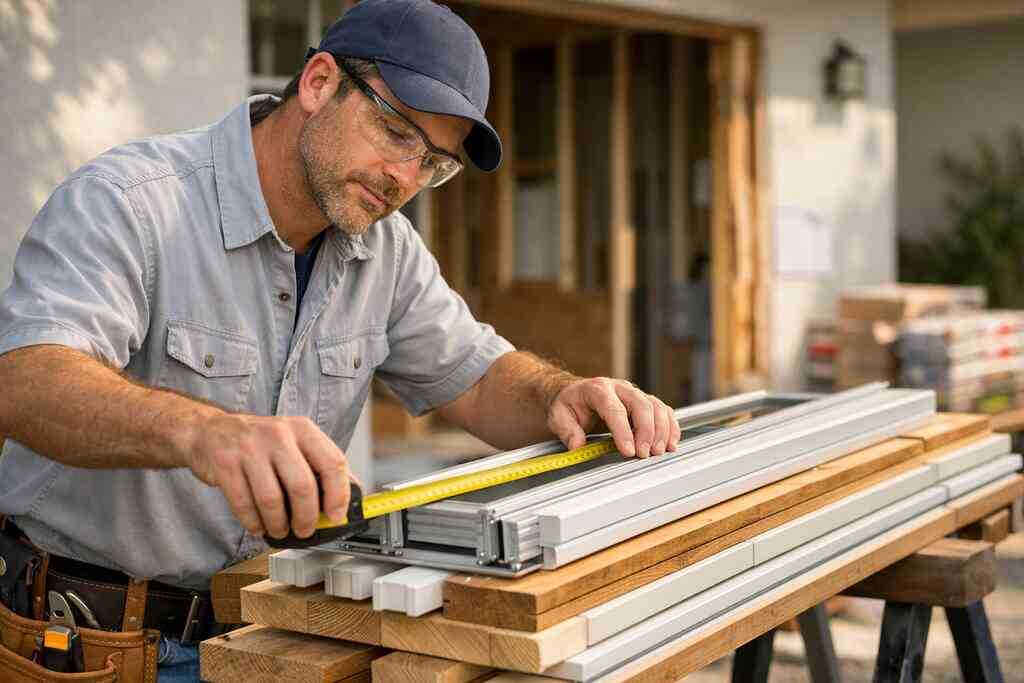
HOA approvals can change a South Florida home addition by adding a separate review layer, stricter design rules, and longer back-and-forth before you ever submit for county permits. In practice, the HOA can reshape your plans, materials, elevations, and even the contractor you hire.
If you are already feeling stuck, that reaction is normal. This part is genuinely confusing for most homeowners, especially when the association, the city, and the Florida Building Code all want different things.
Key Takeaways
- HOA approval is separate from county permitting. You usually need both, and the HOA can demand plan changes before the permit application moves forward.
- Second story additions face more scrutiny. They affect structural loads, setbacks, drainage, appearance, and hurricane-code compliance more than a basic sunroom or lanai.
- Condos, townhomes, and gated communities add extra layers. Shared walls, roofs, common elements, and architectural standards make reviews slower and more detailed.
- A complete submittal reduces revisions. Strong plans, surveys, product approvals, contractor credentials, and clear scopes keep the approval chain moving.
- Always verify licensing and insurance. Before you hire any home remodeling contractor South Florida homeowners should confirm credentials, bonding, and permit responsibility.
Why an HOA can slow a South Florida home addition before the permit desk even sees it
An HOA can slow a South Florida home addition because it often reviews the project before, or alongside, the permit package. That means your design may be judged first for appearance and community rules, then again for county code and structural compliance. For exterior work, hurricane-code requirements matter as much as aesthetics.
The hidden approval chain between HOA rules, county permits, and Florida Building Code
The usual chain is simple on paper and messy in real life. The HOA reviews the look of the addition, then the county or city reviews the technical permit set, and both must align with South Florida building codes. In Palm Beach County, Broward County, and Miami-Dade, that often means your project must satisfy architectural standards, zoning, structural engineering, and product approvals at the same time. If one piece conflicts, the file gets kicked back.
Here is the part most homeowners miss: an HOA can reject a feature that the county would otherwise permit. A board may not like a roofline, window grid, fence height, or exterior finish even if it technically complies. That is why a guide to choosing the right contractor matters early. A contractor who understands the HOA approval process for home additions can design around those constraints before you pay for revisions.
On a recent project near a gated community off Federal Highway, the first plan set was technically sound but visually too bulky for the association. The homeowner had to scale back the roof profile and adjust the exterior materials. That added time, but it saved a bigger problem: a rejected submittal after already paying for engineering.
Why a second story addition South Florida can trigger more scrutiny than a simple sunroom contractor South Florida project
A second story addition South Florida communities usually review more closely because it changes the home’s height, massing, structural load, and sometimes drainage patterns. A sunroom is often simpler, but it still needs scrutiny if it ties into the existing roof, affects impact openings, or sits near a setback line. Anything that changes the silhouette of the house tends to draw extra attention.
Project typeTypical HOA focusTypical permit focusSunroom or lanaiExterior appearance, roof tie-in, window styleStructural attachment, wind load, setback, enclosure detailsSecond-story additionHeight, bulk, privacy, neighborhood consistencyFoundation capacity, framing, hurricane resistance, egressOutdoor kitchen or patio coverVisibility, drainage, materialsFootings, gas, electrical, roof or slab tie-insThe technical side matters even more in coastal zones. A design that adds square footage may also trigger upgrades to hurricane code compliance if the work affects openings, roofing, or structural connections. If you are looking for a general contractor near me South Florida, you want someone who can explain both the HOA side and the engineering side without glossing over either one.
What changes when the property sits in a condo, townhome, or gated community in Palm Beach, Broward, or Miami-Dade
Condo renovation South Florida projects and townhome remodeling South Florida jobs often face the most layers because you are not just changing your unit. You may be touching common elements, shared walls, roofs, fire separations, or exterior elevations that belong to the association. In a gated community, the HOA can also control materials, colors, sightlines, and even work hours. The biggest difference is ownership. A single-family home addition usually deals with your lot and the local permit office. A condo or townhome may require association approval plus building management review, and sometimes engineer letters showing that no common systems are affected. In Miami-Dade, Broward, and Palm Beach, that can mean more documentation and more coordination before demolition starts. If you are comparing a licensed contractor Palm Beach County, licensed contractor Broward County, or licensed contractor Miami-Dade option, ask who will handle the HOA packet. Many delays come from missing product approvals, incomplete drawings, or a contractor who assumes the association will “work it out later.” They rarely do. 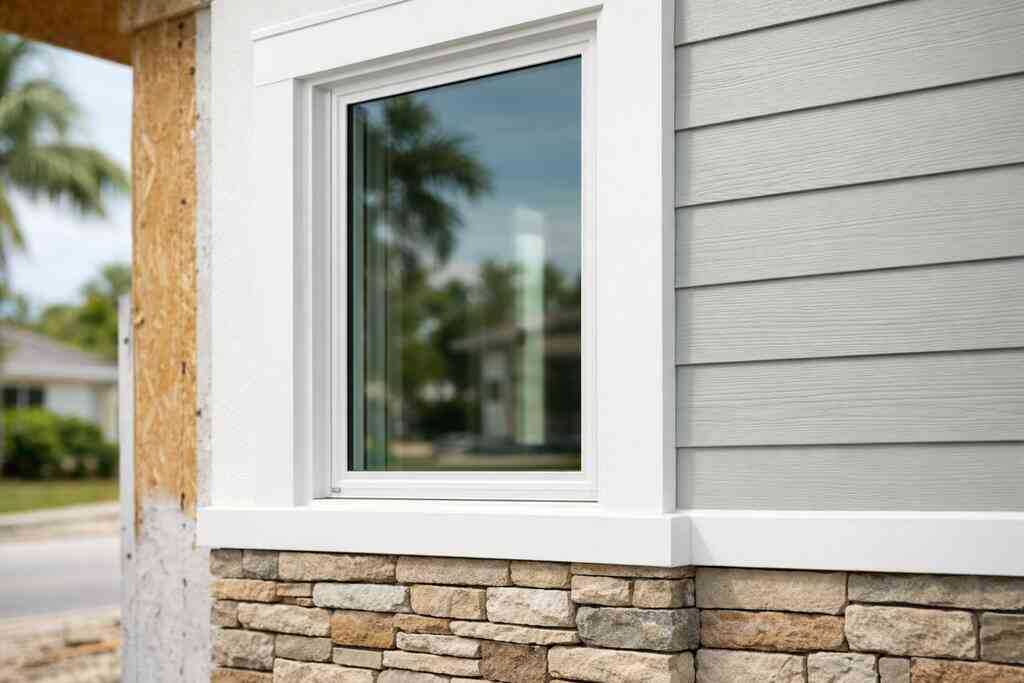
The paper trail that gets a South Florida home addition approved without expensive revisions
A clean paper trail gets a South Florida home addition approved faster because it gives the HOA and the permit reviewer fewer reasons to ask for corrections. The best packages include signed plans, current surveys, structural details, product approvals, contractor credentials, and a scope that matches the actual work. Missing one item can stall the entire file.
What a complete submittal usually needs from plans, surveys, and contractor credentials
Most approval packages should include a clear set of drawings, a survey, the scope of work, and the contractor’s credentials. For exterior or structural work, you should expect engineering details and product documentation that support South Florida building codes and hurricane resistance. If the project affects windows, doors, roofing, or structural framing, the paperwork needs to be tighter.
A strong submittal usually includes:
- Site survey with setbacks and property lines
- Architectural plans with existing and proposed conditions
- Structural sheets and engineering notes
- Product approvals for impact openings or roof components
- HOA application forms and architectural review documents
- Contractor license and insurance information
- A clear scope that matches the drawings
- Any required lien waiver form at the appropriate stage
If you are searching to find a licensed contractor in South Florida, make sure they can also prepare a permit-ready package. A beautiful concept drawing is not enough. One homeowner in West Palm Beach came to us with a “ready” addition package that lacked product approvals for the new windows. The county rejected it, and the revision cycle cost weeks. Good paperwork is cheaper than rework.
How to verify a contractor license, insurance, and bonding before you sign with a home remodeling contractor South Florida
Before you sign with a home remodeling contractor South Florida homeowners should verify the license, insurance, and bonding status directly. That means checking the Florida license record, confirming the company can pull permits in the correct jurisdiction, and asking for current proof of coverage. Do not assume a polished proposal means the credentials are in order.
A practical verification checklist looks like this:
- Confirm the Florida license number and the exact business name on the state record.
- Check permit authority in your county or city, especially for Palm Beach County permit, Broward County permit, or Miami-Dade permit work.
- Ask for insurance certificates and verify they are current.
- Ask about bonding requirements if the project or association requires them.
- Request a sample contract with payment terms, scope, and change-order language.
- Review lien waiver language so you understand when subcontractors and suppliers are paid.
For broader contractor credentials, how to choose the right contractor is a useful starting point, but the key is to verify before signing. Florida makes license verification public through the state’s contractor licensing system, and the Florida Department of Business and Professional Regulation is the official place to confirm active credentials. That is the kind of step that protects you before a mistake becomes a dispute.
A clear contract also matters when plans change. If the HOA asks for different stucco, a lower roofline, or a revised window layout, the contractor should issue a written change order contractor Florida document before anyone builds the wrong version. That protects your budget and keeps the permit file clean.
If your project includes an outdoor kitchen contractor South Florida scope, a screen enclosure contractor South Florida package, or a roofing contractor South Florida scope, the same rule applies: get the paperwork right first. South Florida weather does not forgive shortcuts, and neither do HOAs. The safest path is to start with the right local search, then compare credentials, not promises.
If you want a practical place to begin, South Florida Contractors is useful because it helps you find a contractor South Florida by city, ZIP, and project type before you make the first call. If you are ready to move forward, search the directory and call 18443112703 to connect with local options, then verify every license and insurance detail before you sign.
Frequently Asked Questions
Question: How do HOA approvals change South Florida home additions compared with the normal South Florida permit process?
Answer: HOA approvals add a separate review layer before or alongside the South Florida permit process, so your plans may be judged for appearance, materials, rooflines, setbacks, and neighborhood consistency before the county ever reviews the technical drawings. That means a South Florida home addition can be changed for HOA reasons even if it would otherwise meet Palm Beach County permit, Broward County permit, or Miami-Dade permit requirements. For exterior and structural work, hurricane code compliance still matters, so you need both a design that fits the association and a plan that can pass South Florida building codes. South Florida Contractors helps homeowners find a contractor South Florida who understands that balance, whether the project involves a home remodeling contractor South Florida, South Florida design build team, or a general contractor near me South Florida search. Always verify licensing, insurance, and bonding before signing anything.
Question: What should I expect from a licensed contractor Palm Beach County, licensed contractor Broward County, or licensed contractor Miami-Dade when I need HOA approval for a second story addition South Florida project?
Answer: For a second story addition South Florida project, you should expect a contractor to help with the full approval chain, not just construction. That usually means coordinating the HOA submittal, making sure the plans align with the South Florida HOA permit rules, and preparing a permit-ready package for the county or city. A qualified contractor should understand how additions affect height, drainage, structural loads, hurricane roof tie-downs, and exterior appearance. If the HOA asks for revisions, the contractor should document them clearly and issue a change order contractor Florida update before work moves forward. South Florida Contractors makes it easier to compare South Florida contractors by location and project type, but you should still confirm contractor licensing Florida records, contractor insurance requirements Florida, and contractor bonding requirements directly before hiring.
Question: Why do condo renovation South Florida and townhome remodeling South Florida projects usually face stricter HOA review than a single-family home addition?
Answer: Condo renovation South Florida and townhome remodeling South Florida projects often involve shared walls, roofs, common elements, fire separations, or exterior details controlled by the association. That creates more review layers than a typical single-family South Florida home addition. The HOA may want more drawings, engineer letters, material samples, and product approvals before it will sign off. If the project touches windows, roofing, or exterior openings, hurricane impact window installer South Florida and roofing contractor South Florida scopes may also need extra documentation for hurricane-code requirements. South Florida Contractors is a practical place to find a contractor South Florida homeowners can trust for these more detailed reviews, including contractors experienced in South Florida permit process issues, lien waiver Florida paperwork, and HOA submittals. Just remember: never skip permits, and always verify the contractor’s license and insurance.
Question: What documents do I need to get approved for a sunroom contractor South Florida or lanai builder South Florida addition?
Answer: A sunroom contractor South Florida or lanai builder South Florida project usually needs a complete paper trail: a site survey, architectural drawings, structural details, product approvals, contractor credentials, and a scope that matches the actual work. If the addition affects doors, windows, roofing, or structural framing, the HOA and the county will expect more detail because hurricane code compliance matters in South Florida. Missing paperwork is one of the biggest reasons approvals stall. South Florida Contractors helps homeowners connect with South Florida contractors who are used to handling the paperwork side, whether the project also includes a screen enclosure contractor South Florida scope, outdoor kitchen contractor South Florida work, or other exterior upgrades. Before you hire anyone, confirm how they handle contractor licensing Florida requirements, insurance, bonding, and permit responsibility.
Question: How can South Florida Contractors help me find a contractor South Florida homeowners can rely on for HOA-sensitive additions and remodeling?
Answer: South Florida Contractors is designed to help you find a contractor South Florida by city, ZIP code, and project type, which is especially helpful when your addition needs HOA approval and permit coordination. You can use the directory to compare options for home remodeling contractor South Florida work, South Florida custom home builder projects, coastal home builder Florida needs, or specialized trades like South Florida concrete contractor, South Florida foundation repair, South Florida flooring installer, South Florida tile contractor, South Florida cabinet maker, and South Florida kitchen remodeler. That matters because HOA-sensitive projects often require a contractor who can coordinate design, engineering, and permitting without creating delays. If your project involves a pool deck contractor South Florida, paver installation South Florida, or South Florida bathroom remodeler scope, the same rule applies: verify credentials, ask for insurance proof, and review the contract before signing. South Florida Contractors gives you a starting point, but your final decision should always be based on license verification, insurance, bonding, and clear communication.