
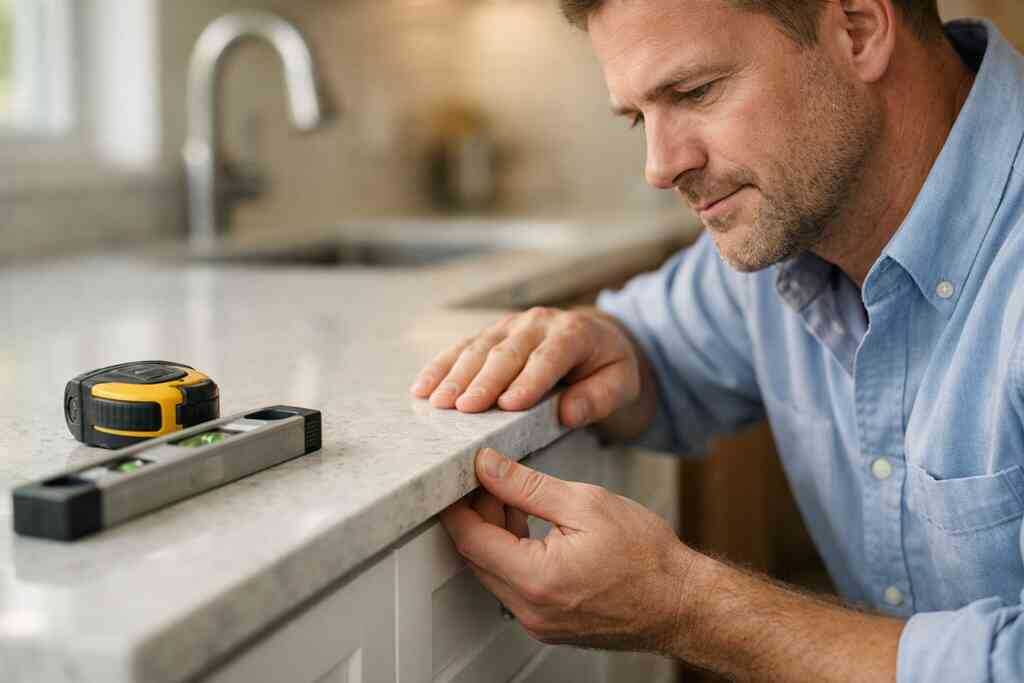
South Florida permit rules affect remodels by determining what you can change, who can do the work, and when construction can legally begin. If your project touches plumbing, electrical systems, structure, exterior openings, or wind resistance, permits and inspections can control the schedule more than the demolition itself.
Key Takeaways
- Permit rules can turn a simple remodel into a formal review process if you move walls, alter plumbing or electrical systems, replace windows, or touch structural elements.
- A licensed contractor matters in South Florida because Palm Beach County, Broward County, and Miami-Dade all expect the proper license, insurance, and permit handling before work starts.
- HOA, condo, and townhome approvals can be separate from city permits, and both may be required before demolition begins.
- Exterior remodels often trigger hurricane code compliance, especially for impact windows, shutters, roofing, roof tie-downs, enclosures, and coastal work.
- The safest path is to verify the contractor, confirm the permit scope, and keep paperwork organized so inspections, lien waivers, and change orders do not stall the job.
Why a remodel can stall before the first wall comes down in South Florida
South Florida permit rules affect remodels because many “simple” updates are not simple once they touch building systems or wind-resistant construction. A kitchen or bath can stay on track if the work is cosmetic, but once you move a sink, open a wall, or replace exterior openings, permit requirements can change fast. If you are already feeling overwhelmed, that reaction is normal. This part is genuinely confusing for most homeowners.
The hidden permit triggers behind kitchen and bathroom remodels in Palm Beach, Broward, and Miami-Dade
A kitchen or bathroom remodel often needs permits when the work changes plumbing, electrical, ventilation, or fire safety. In South Florida, that can mean a licensed contractor in Palm Beach County, licensed contractor in Broward County, or licensed contractor in Miami-Dade must coordinate the permit before demolition begins. A South Florida kitchen remodel cost estimate should always account for permit-related labor, not just cabinets and finishes.
Common triggers include:
- Moving a sink, dishwasher, or shower drain
- Adding new circuits, outlets, or lighting
- Changing exhaust fan ducting
- Removing or altering a wall
- Replacing cabinets in a way that affects plumbing or electrical layout
- Upgrading flooring if the assembly affects fire, moisture, or slab transitions
One homeowner in Broward thought a bathroom refresh would only involve tile, fixtures, and paint. Then the layout changed by two feet, the shower valve moved, and the electrical plan had to be revised. The project was still doable, but the permit set expanded. That is the part most people miss: the finish scope is not the same as the permit scope.
When interior updates become structural remodel permits and why that changes everything
Interior updates become structural remodel permits when they affect load-bearing walls, roof framing, beams, slab penetrations, or any assembly that supports the home. That is true for many South Florida home additions, second-story addition South Florida projects, and larger home remodeling contractor South Florida jobs. Once structure is involved, plan review gets stricter and inspection points multiply.
Project typeUsually simplerUsually permit-heavyPaint, trim, fixturesOften yesNoCabinet swap in the same layoutSometimesIf electrical or plumbing changesBathroom tile and vanity onlySometimesIf drains, shower pans, or wiring moveWall removalRarelyYes, especially if load-bearingNew openings or enlarged openingsRarelyYesFor a South Florida bathroom remodeler or South Florida flooring installer, the safe rule is simple: if the work changes the building envelope, structure, or systems, assume a permit will be required until proven otherwise. The city may ask for drawings, product approvals, or engineering before issuing approval. That is not red tape for its own sake; it is how South Florida building codes keep remodels safe in a hurricane-prone region.
The permit paper trail that separates a smooth project from a costly stop-work order
The permit paper trail matters because a project can be delayed, fined, or shut down if the contractor starts without the correct approvals. In South Florida, a smooth remodel usually starts with contractor verification, permit intake, plan review, and inspections in the correct order. If the paperwork is sloppy, the job can slow down even when the crew is ready.
How the South Florida permit process works from contractor license checks to plan review
The South Florida permit process usually starts before the first delivery truck arrives. A responsible contractor should confirm scope, check local requirements, and file the right documents with the county or municipality. If you are searching for a general contractor near me South Florida, look for one that can explain the permit sequence clearly and show active licensing and insurance. 
A practical order often looks like this:
- Confirm project scope and whether permits are needed.
- Verify the contractor license and insurance.
- Prepare plans, product approvals, and scope documents.
- Submit for a Palm Beach County permit, Broward County permit, or Miami-Dade permit as applicable.
- Wait for plan review comments and revise if needed.
- Pull the permit before work starts.
- Schedule inspections during the work.
- Close out the permit when complete.
For code-sensitive work, it helps to use reliable references like Florida Building Code resources and county permit portals. You do not need to memorize every rule, but you do need a contractor who knows which drawings and product approvals belong in the packet.
Why HOA approval, condo rules, and townhome restrictions can matter as much as city permits
HOA approval can matter as much as the city permit because the association may have its own renovation rules, work-hour limits, insurance requirements, and application process. That is especially true in condo renovation South Florida projects and townhome remodeling South Florida jobs, where common walls, shared systems, and elevator protection create extra conditions.
Here is what often surprises homeowners:
- The city may approve the permit, but the condo board still has not approved the work.
- The HOA may require proof of contractor insurance before any materials are delivered.
- A building may restrict demolition hours, elevator use, or debris staging.
- Some associations require submittals for flooring underlayment, window film, or hurricane protection products.
The South Florida permit process is not just a municipal checklist. It is a coordination exercise. If you are doing a South Florida design build project in a condo tower near Miami or a townhome in Broward, get the association package reviewed before you commit to a start date. You may also want to review the difference between building codes and HOA rules in Florida.
Where hurricane code compliance reshapes the design before the demo even starts
Hurricane code compliance changes remodels because South Florida building codes are designed around wind, impact, and water intrusion risk. Exterior work almost always gets more scrutiny than interior work, especially in coastal zones. If you are planning windows, roofs, enclosures, or outdoor structures, assume the design will be shaped by code before it is shaped by style.
Impact windows, hurricane shutters, and roof tie-downs in coastal home builder and oceanfront home contractor projects
Impact windows, hurricane shutters, and roof tie-downs are not decorative upgrades. They are life-safety and structural systems, and they are often part of the permit package for coastal home builder Florida, oceanfront home contractor, and waterfront home builder South Florida projects. If your home sits near the coast, the review may ask for product approvals, fastening details, or installation methods that match hurricane code compliance.
A few common examples:
- Hurricane impact window installer South Florida work usually needs approved product documentation.
- Hurricane shutter contractor projects may require anchorage details and opening schedules.
- Roofing contractor South Florida jobs can trigger nailing patterns, underlayment rules, and edge-detail requirements.
- Hurricane roof tie-downs may matter when structural connectors are upgraded during reroofing or additions.
The South Florida Contractor Data Report is a useful place to start if you want a broader view of local contractor categories and project realities. For coastal work, the smartest move is to ask your contractor which product approvals and inspections will be needed before demolition begins. That one question saves a lot of rework later.
A second story from a waterfront project in Palm Beach: the homeowner wanted a straightforward exterior refresh with new sliders, a small lanai upgrade, and a fresh roof tie-in. The permit review pushed the team to change fastening details and revise a window schedule. It was frustrating in the moment, but the finished project passed inspection cleanly because the design matched the code from the start.
How exterior remodels, pool decks, screen enclosures, patios, and roofing trigger stricter South Florida building codes
Exterior remodels often trigger stricter review because they affect wind loads, drainage, attachments, and waterproofing. That is true for a pool deck contractor South Florida, paver installation South Florida, screen enclosure contractor South Florida, sunroom contractor South Florida, lanai builder South Florida, and outdoor kitchen contractor South Florida. These projects can look small on paper and still require engineering or detailed permit review.
Exterior scope that often raises permit complexity includes:
- Pool deck resurfacing that changes drainage or elevation
- Screen enclosures anchored to slabs or walls
- Patio cover attachments to the house
- Roof replacements with structural tie-ins
- New openings for doors or sliders
- Concrete or foundation repair that affects load paths
A South Florida concrete contractor or South Florida foundation repair specialist should never guess about structural conditions. If the slab, footing, or tie-in is questionable, the permit may require engineering before the work proceeds. That is especially important in older homes where previous additions were done without clean records.
For homeowners planning a South Florida luxury renovation, energy efficient remodeler South Florida upgrades, or South Florida ADA renovation, the rule is the same: the prettier the finish, the more important the hidden compliance work becomes. You can absolutely improve the home’s comfort and resale value, but you want the permit path mapped before you order materials.
If you are comparing local options, start with the South Florida Contractor Directory and then verify the contractor license, insurance, and bonding before signing anything. You do not have to figure it all out alone, and you do not have to do it all today. Start by calling 18443112703 and then use the directory to find a contractor South Florida by trade, city, or ZIP code. You can also review what is included in a South Florida permit set before you begin.
Frequently Asked Questions
Question: How do South Florida permit rules for remodels affect my kitchen or bathroom project in Palm Beach, Broward, or Miami-Dade?
Answer: South Florida permit rules for remodels can change your project from a simple update into a formal approval process as soon as you move plumbing, electrical, ventilation, or walls. A South Florida kitchen remodeler or South Florida bathroom remodeler may need to file for a Palm Beach County permit, Broward County permit, or Miami-Dade permit before demolition can legally start. That is why working with a licensed contractor in Palm Beach County, licensed contractor in Broward County, or licensed contractor in Miami-Dade matters so much. The right contractor will help confirm the permit scope, coordinate drawings if needed, and keep the job moving without creating avoidable delays or stop-work issues. If you are comparing South Florida contractors, always verify licensing, insurance, and the exact scope of work before signing anything.
Question: What should I know before starting How Do South Florida Permit Rules Affect Remodels with a home remodeling contractor South Florida?
Answer: Before starting How Do South Florida Permit Rules Affect Remodels, the biggest thing to understand is that permits are not just paperwork; they decide what work can legally begin and how the project is inspected. A home remodeling contractor South Florida should be able to explain whether your remodel is interior-only or whether it crosses into structural remodel permits, exterior remodel permit requirements, or hurricane code compliance. That matters for projects like South Florida home additions, second-story addition South Florida builds, and even smaller changes that touch beams, openings, or building systems. A trustworthy general contractor near me South Florida will also help with contractor licensing Florida requirements, contractor insurance requirements Florida, and contractor bonding requirements when applicable. If you want fewer surprises, choose a contractor who is transparent about permits, inspections, and change order contractor Florida paperwork from the start.
Question: Do HOA, condo, and townhome approvals matter as much as city permits for condo renovation South Florida and townhome remodeling South Florida?
Answer: Yes. In many South Florida projects, HOA approval, condo association approval process steps, and townhome restrictions can matter just as much as the city permit. That is especially true for condo renovation South Florida and townhome remodeling South Florida projects where shared walls, elevators, noise rules, debris handling, and insurance documentation all come into play. Even if your city approves the Palm Beach County permit, Broward County permit, or Miami-Dade permit, the association may still require separate sign-off before work begins. South Florida Contractors can help homeowners understand the South Florida permit process, organize the right documents, and avoid scheduling a project before both layers of approval are in place. This is one reason it helps to find a contractor South Florida who has real experience working with associations and knows how to keep projects compliant and organized.
Question: What exterior remodels trigger hurricane code compliance and South Florida building codes?
Answer: Exterior projects often trigger hurricane code compliance because South Florida building codes are designed around wind, impact, and water intrusion risks. That means work involving a hurricane impact window installer South Florida, hurricane shutter contractor, roofing contractor South Florida, screen enclosure contractor South Florida, pool deck contractor South Florida, paver installation South Florida, lanai builder South Florida, sunroom contractor South Florida, or outdoor kitchen contractor South Florida may require product approvals, anchorage details, or engineering before the permit is issued. Roof work can also involve hurricane roof tie-downs, especially when structural connections are being upgraded. In coastal areas, coastal home builder Florida, oceanfront home contractor, and waterfront home builder South Florida projects often face even closer review. A knowledgeable contractor will not guess at these requirements; they will confirm them early so the design, materials, and inspection plan all match the code from day one.
Question: How can I verify a contractor license and avoid problems during a South Florida permit process?
Answer: The safest approach is to verify a contractor license before any deposit, demolition, or permit filing. Ask for the contractor’s license information, confirm it through the appropriate state or county source, and make sure the business carries the insurance required for the work being done. That applies whether you are hiring a South Florida concrete contractor, South Florida foundation repair specialist, South Florida flooring installer, South Florida tile contractor, South Florida cabinet maker, or a South Florida custom home builder. You should also ask how the contractor handles lien waiver Florida paperwork, permit submittals, inspections, and contractor dispute resolution if there is a scope change. South Florida Contractors helps people find a contractor South Florida by city, ZIP code, and trade, which makes it easier to compare options and then do your due diligence before hiring. If you want a smoother project, choose a contractor who explains the process clearly and does not minimize permit requirements.