

The South Florida permit process for remodels usually starts before demolition, not after. If your project touches plumbing, electrical, structural, windows, roofing, or exterior walls, expect permits, plan review, inspections, and contractor verification before work moves forward.
Key Takeaways
- Most South Florida remodel permits are triggered by scope, not by whether the job looks “small.”
- Palm Beach County permit, Broward County permit, and Miami-Dade permit rules can differ, even for similar remodel work.
- Condo and townhome projects often need HOA approval, association documents, and extra review before the city or county accepts the application.
- A clean submittal usually includes plans, contractor license information, owner authorization, and any required engineering or product approvals.
- For exterior or structural work, hurricane code compliance and South Florida building codes matter as much as the finish materials.
Why that bathroom update can stop your whole project before demolition starts
A bathroom remodel can stall quickly if it includes plumbing moves, new electrical circuits, or wall changes. In South Florida, the permit question is not “Is this a big project?” It is “Does this scope affect life safety, structure, waterproofing, or code compliance?” If the answer is yes, permits are usually required.
The remodel moves that usually trigger a South Florida permit even when the work looks minor
The most common permit triggers are the parts homeowners assume are simple. Moving a toilet, adding recessed lighting, replacing a tub with a curbless shower, opening a wall, or changing a window can all bring the project into the South Florida permit process. A South Florida permit checklist helps you spot those triggers before you buy tile or start demolition.
Here is the part most homeowners miss: even cosmetic work can become permit work if it exposes hidden issues. We have seen a “simple” bathroom refresh reveal unpermitted wiring, old cast-iron drain lines, or damaged framing behind tile. Once that happens, the inspector wants the correction documented, not guessed at.
A practical rule helps:
- No trade changes: sometimes exempt or simpler
- Plumbing, electrical, or mechanical changes: usually permitted
- Wall removal or structural changes: plan review and sometimes engineering
- Exterior openings, windows, doors, roofing: permit and product approvals almost always apply
Why Palm Beach, Broward, and Miami-Dade counties can treat the same scope differently
South Florida is not one permit territory. Palm Beach County, Broward County, and Miami-Dade each have their own review habits, forms, portal workflows, and local enforcement patterns. That means the same kitchen or bath scope may move smoothly in one jurisdiction and come back with corrections in another. 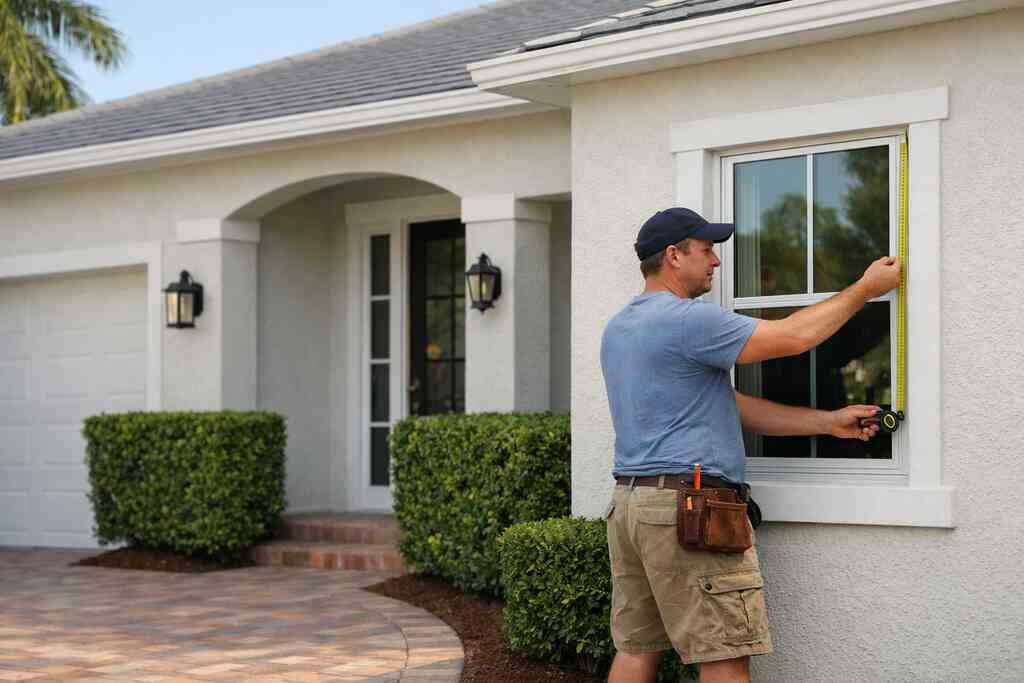
For example, a licensed contractor Palm Beach County may be used to one submittal format, while a licensed contractor Miami-Dade has to account for stricter product documentation on some exterior components. In Broward, reviewers may ask for clearer scope descriptions or more detailed contractor affidavits. If you are comparing bids from a general contractor near me South Florida, ask which building department they deal with most often and how they handle revisions.
County areaTypical homeowner takeawayCommon friction pointPalm Beach CountyOften straightforward for well-documented interior remodelsIncomplete submittals or missing contractor informationBroward CountyGood workflow if plans are clear and trade scopes are definedRevisions after scope changesMiami-DadeStrong focus on documentation and exterior code complianceProduct approvals, engineering, and detail matching### The hidden permit triggers in condo renovation South Florida and townhome remodeling South Florida
Condos and townhomes bring a second layer of approval. A condo renovation South Florida project may need association approval before the city ever reviews the permit. Townhome remodeling South Florida often brings shared-wall, fire-rating, or roof responsibility questions that are easy to miss at the quote stage.
A manager in a Fort Lauderdale condo once called after a kitchen demo stopped because the association required sealed drawings for a wall opening the owner thought was “non-structural.” That project was not derailed. It was just sequenced incorrectly. The fix was to line up the HOA permit, revised drawings, and contractor paperwork before resubmitting.
Watch for these extra triggers:
- HOA or condo board approval
- Rules for quiet hours, debris removal, and elevator use
- Shared plumbing stacks or electrical chases
- Fire separation requirements in attached units
- Restrictions on exterior changes, windows, shutters, and balconies
The paper trail that gets a South Florida remodel approved without revisions
A clean permit package is mostly about organization. The building department wants to see what you are changing, who is doing the work, whether that contractor is properly licensed, and whether the plans match the actual scope. If those pieces line up, approval is much easier. If they do not, your remodel slows down before the first inspection.
What the building department wants before they will even look at your submittal
Most departments want the same core package, even if the portal labels differ. For interior renovation permits and exterior renovation permits, expect to gather:
- Application form
- Detailed scope of work
- Architectural drawings for remodels if walls, layouts, or openings change
- Contractor license information
- Owner-builder documents, if applicable
- Product approvals for windows, doors, shutters, or roof components
- Engineering if structural review is needed
- HOA approval or condo authorization, when required
If you are hiring a home remodeling contractor South Florida, ask for the permit package before demolition is scheduled. A solid South Florida design build team will know how to coordinate drawings, trade scopes, and the submittal order so the file does not bounce back for easy-to-fix omissions.
When architectural drawings for remodels are enough and when structural permit review becomes unavoidable
For a paint-and-fixture update, drawings may be minimal. For a kitchen wall removal, a shower relocation, or a second story addition South Florida project, the city or county usually wants more. Structural permit review becomes unavoidable when the work changes load paths, framing, roof structure, foundation elements, or openings in exterior walls.
That is especially true for South Florida home additions, sunroom contractor South Florida work, lanai builder South Florida projects, and any plan that touches flood zone or hurricane code compliance. If the job also involves a pool deck contractor South Florida, paver installation South Florida, or screen enclosure contractor South Florida scope, the permit file may need site data, anchorage details, and drainage considerations too.
A simple way to think about it:
- Finish-level changes may need limited review
- Trade relocation usually needs permit documentation
- Structural changes need engineered support
- Exterior envelope work needs hurricane-code attention and product approvals
For homeowners planning a coastal-style renovation, the review gets stricter near the water. Oceanfront home contractor and waterfront home builder South Florida projects often require more careful attention to corrosion resistance, wind exposure, and elevation conditions.
If you are unsure whether your project crosses that line, start with a contractor who understands local permitting and can verify the paperwork before you commit. The safest move is to find a contractor South Florida who can show active licensing, insurance, and a permit-ready process, then compare their plan against the county requirements. For a broader reference point, see the 2026 permit guide and the Miami-specific permit workflow.
Frequently Asked Questions
Question: What is the South Florida permit process for remodels, and how do I know if my project needs a Palm Beach County permit, Broward County permit, or Miami-Dade permit?
Answer: The South Florida permit process for remodels usually starts before demolition, not after. If your project touches plumbing, electrical, structural, windows, roofing, exterior walls, or other code-sensitive work, a permit is often required. The safest way to determine whether you need a Palm Beach County permit, Broward County permit, or Miami-Dade permit is to review the full scope of work, not just the finished look. That is where a knowledgeable home remodeling contractor South Florida can help you avoid costly delays.
A good permit-ready review should identify whether your remodel is limited to finishes or whether it crosses into trade work, structural changes, or exterior envelope updates. For example, a bathroom update may seem small, but moving plumbing lines or changing electrical circuits can trigger permit requirements. Exterior work raises the stakes even more because hurricane code compliance, product approvals, and South Florida building codes may apply.
South Florida Contractors is a strong starting point when you need to find a contractor South Florida who understands local permit workflow and can help you compare your project against county expectations. Whether you need a licensed contractor Palm Beach County, licensed contractor Broward County, or licensed contractor Miami-Dade, always verify licensing, insurance, and permit experience before work begins.
Question: What should I expect from a South Florida bathroom remodeler or South Florida kitchen remodeler when permits are involved?
Answer: A qualified South Florida bathroom remodeler or South Florida kitchen remodeler should do more than quote finishes. They should help you understand which parts of the job trigger electrical permit requirements, plumbing permit requirements, mechanical permit requirements, and possible structural permit review. In South Florida, the permit question is not whether the project looks minor. It is whether the work affects life safety, structure, waterproofing, or code compliance.
For example, a bathroom remodel that includes a new shower layout, relocated toilet, or upgraded lighting may need plans and inspections before demolition continues. A kitchen remodel can also require permits if walls move, appliances are re-routed, or hidden electrical issues are uncovered during demo. That is why permit-ready remodel planning matters so much in South Florida.
A trustworthy contractor should also explain what documents are needed for a clean submittal, including architectural drawings for remodels, contractor license information, and any required product approvals or engineering. If your project is part of a larger South Florida luxury renovation or South Florida design build scope, the coordination gets even more important because one small change can affect the entire approval path.
South Florida Contractors helps homeowners connect with contractors who understand this process and can keep a remodel moving without skipping required steps. Always confirm contractor licensing Florida requirements, contractor insurance requirements Florida, and contractor bonding requirements before signing anything.
Question: How does condo renovation South Florida or townhome remodeling South Florida change the permit process?
Answer: Condo renovation South Florida and townhome remodeling South Florida projects usually involve more than just a city or county permit. You may also need South Florida HOA permit approval, condo board approval, or association documentation before the building department accepts the application. This is especially important when the work affects shared plumbing stacks, electrical chases, fire separation, windows, balconies, or exterior changes.
The biggest mistake homeowners make is sequencing the job incorrectly. A contractor may be ready to demo, but the association may require sealed drawings, revised scope documents, or specific contractor paperwork first. That can stop the job before it starts if the file is not prepared properly.
A seasoned general contractor near me South Florida should know how to line up the association review, the building department submittal, and the inspection schedule in the right order. South Florida Contractors can help you find a contractor South Florida who understands condo and townhome rules, but you should still verify the license, insurance, and experience directly before hiring.
Question: What documents do I need for South Florida permit approval on a remodel?
Answer: Most remodels need a core permit package that clearly shows what is changing, who is doing the work, and whether the contractor is properly licensed. A clean submittal often includes an application form, detailed scope of work, architectural drawings for remodels when layouts change, contractor license information, owner authorization, and product approvals if the job includes windows, doors, shutters, or roof components.
If your project involves structural changes, exterior openings, flood zone concerns, or hurricane impact products, the permitting office may also require engineering and additional documentation. This is especially common for coastal construction permitting, oceanfront home contractor work, and waterfront home builder South Florida projects where wind exposure and moisture conditions matter.
The goal is to avoid revisions that slow the project down. A permit-ready remodel should answer the reviewer’s questions before they are asked. South Florida Contractors supports homeowners who want to compare contractors and choose a team that understands South Florida permit approval, contractor licensing Florida, and how to verify a contractor license before moving forward.
Question: Can South Florida contractors help with exterior remodels like hurricane impact windows, roofing, screen enclosures, or a second story addition South Florida project?
Answer: Yes, but exterior and structural work should be treated with extra care because hurricane code compliance and South Florida building codes are central to the approval process. A project involving a hurricane impact window installer South Florida, hurricane shutter contractor, roofing contractor South Florida, screen enclosure contractor South Florida, lanai builder South Florida, or sunroom contractor South Florida usually requires permits, product approvals, and sometimes engineering.
The same is true for larger scopes such as South Florida home additions, second story addition South Florida work, pool deck contractor South Florida projects, paver installation South Florida, or outdoor kitchen contractor South Florida builds. Any exterior envelope or structural change can trigger structural permit review, anchorage requirements, drainage considerations, and elevation and flood zone considerations.
If you are planning a broader renovation, a South Florida custom home builder, coastal home builder Florida, or waterfront home builder South Florida may be the right type of professional depending on scope. Still, no matter how experienced the contractor seems, always verify licensing, insurance, and local permit experience before signing a contract. South Florida Contractors is designed to help homeowners find a contractor South Florida who is better aligned with the needs of the project, but the final due diligence is always yours.