
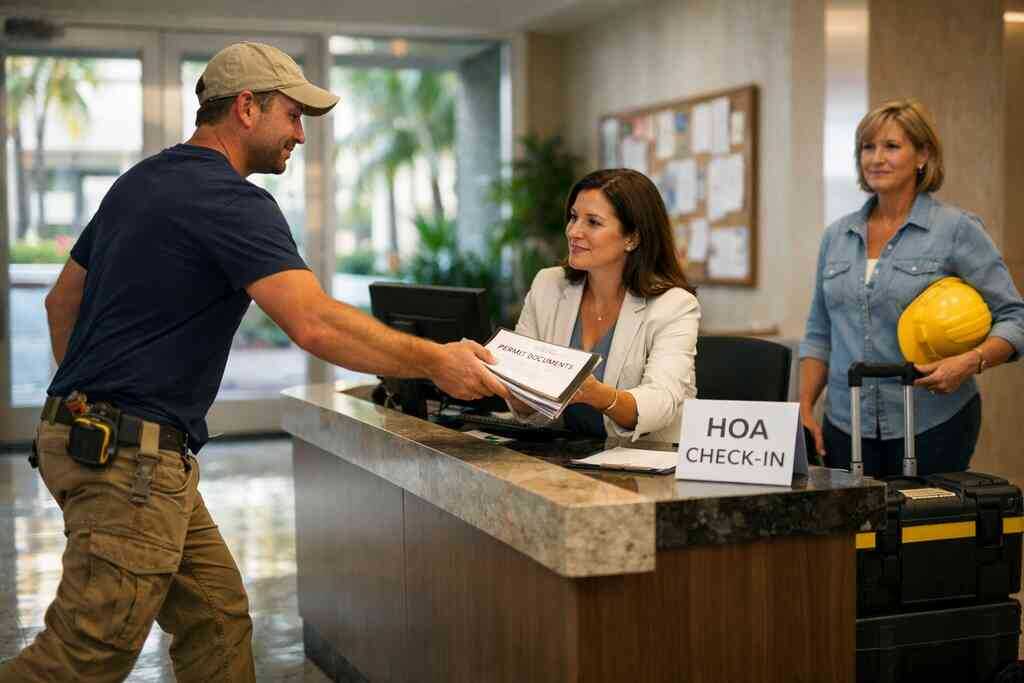
Why the HOA can stop your remodel before the permit office ever does
There is a special kind of dread that comes with hearing, “the board needs more information.” If you are juggling work, family, and a remodel, that sentence can feel like a locked gate. In South Florida, that gate often appears before the city or county permit reviewer even opens your file. That is why smart homeowners treat HOA approval as a real project phase, not a side task. A good South Florida contractors guide to condo renovation approval can save you from avoidable delays.
The hidden difference between community approval and a building permit in South Florida
An HOA approval and a building permit are not the same thing. The HOA protects the community’s rules, appearance, and shared building systems. The permit office protects life safety, structural integrity, and code compliance. You can pass one and still fail the other. That is why a remodel can stall even after your drawings look complete.
Here is the part most homeowners miss. The HOA may ask for architectural drawings, product approvals, insurance certificates, and noise schedules. The city or county may want engineer-stamped plans, permit-ready specifications, and hurricane-code documentation. In South Florida, those two reviews often overlap. They rarely move at the same speed. A homeowner in Aventura once brought us a “simple” kitchen update that touched a shared plumbing chase. The board wanted more detail than the city did.
If you are searching for a find a contractor South Florida option, start with this mindset: the right contractor understands both layers. That matters in Palm Beach, Broward, and Miami-Dade Counties, where community association permit requirements can vary by building, association, and municipality. The strongest submittals explain scope clearly, reduce back-and-forth, and respect the HOA’s review process. Short answer: the board wants confidence, not surprises.
Why condo renovation South Florida and townhome remodeling South Florida get extra scrutiny
Condo renovation South Florida projects get extra scrutiny because you are working inside a shared structure. Townhome remodeling South Florida projects can trigger similar review when roofs, walls, windows, balconies, or exterior finishes are involved. The board worries about noise, waterproofing, fire separation, and impacts to neighbors. So does the insurer. So does the permit reviewer. That is a lot of eyes on one project.
Exterior and structural work raises the stakes fast. A hurricane impact window installer South Florida, a hurricane shutter contractor, or a roofing contractor South Florida may need to show hurricane code compliance before anyone signs off. If your work affects load paths, openings, or tie-downs, the HOA often wants more than a brochure. They want proof. They want clarity. They want paperwork that matches the building’s actual conditions.
One client near downtown Fort Lauderdale wanted to replace interior walls and open the kitchen to the living room. The board approved the concept, then flagged the fire-rated assembly after reading the submittal. The fix was not dramatic, but it was precise. We revised the package, clarified the materials, and kept the project moving. That is the difference between a clean approval path and a month of revisions.
What Palm Beach, Broward, and Miami-Dade homeowners need to gather before they hire anyone
Before you hire, gather the documents that shape the approval path. You will move faster if you start organized. You will also avoid hiring a contractor who guesses instead of planning. That matters across South Florida, especially when associations and municipalities ask for different things.
Use this starter checklist:
- Current HOA or condo association rules
- Architectural review forms
- Unit floor plans, if available
- Photos of the existing space
- Any prior alteration approvals
- Product data for windows, doors, or roofing materials
- Insurance and licensing information from bidders
- Scope description written in plain language
If your project involves a licensed contractor Palm Beach County homeowners trust, verify that person before you sign anything. The same advice applies in Broward and Miami-Dade. The question is not just who can do the work. The question is who can document the work well enough for the HOA, the permit office, and your lender if needed. That is how you keep the process from turning into a guessing contest.
The paper trail that gets South Florida HOA permit approvals through without endless revisions
The paper trail is where many projects succeed or fail. Strong paperwork shortens reviews because it removes ambiguity. Weak paperwork creates questions, and questions create delays. In South Florida, delays can also complicate weather exposure, material storage, and subcontractor scheduling. Good contractors treat the submittal package like a technical argument, not a formality.
How a licensed contractor Palm Beach County, Broward County, or Miami-Dade County should package the submittal
A competent contractor packages the submittal around the exact scope. That means drawings, product approvals, engineering where needed, and a written scope that matches the drawings. If the project touches structure, systems, or exteriors, the contractor should say so plainly. If a homeowner needs a how to verify a contractor license in South Florida checklist, that should happen before deposits and before board review.
At minimum, the package should answer five questions:
- What is being changed?
- Where is the work located?
- Who is performing the work?
- What documents prove compliance?
- What items remain unchanged?
A strong Miami-Dade permit process for remodels submittal often reads like a clean story. The board can follow the sequence without chasing the contractor for missing references. The same is true in Broward and Palm Beach, even when the association has its own forms. Here is what almost no online guide mentions: boards trust packages that look organized. Order matters. Labels matter. Clarity matters.
Why contractor insurance requirements Florida contractor bonding requirements and lien waiver Florida matter in the approval stack
Insurance and bonding are not paperwork clutter. They are risk controls. Florida associations want proof that the contractor can cover property damage, worker injuries, and contract obligations. That is why contractor insurance and bonding requirements in Florida matter before approval, not after a dispute. Boards often reject incomplete certificates because they cannot accept unnecessary exposure.
A lien waiver is different, and homeowners often misunderstand it. It is a written statement that a contractor or subcontractor gives up the right to place a lien for work already paid. That does not replace inspection. It does not replace licensing. It simply helps reduce payment disputes. In HOA work, it can calm a board that has seen too many unfinished jobs or unpaid suppliers.
A table helps show the distinction clearly:
DocumentWhat it doesWhy the HOA caresInsurance certificateShows coverage existsReduces liability concernsBonding evidenceShows financial accountabilitySupports contract confidenceLien waiverReleases payment claims for paid workHelps prevent payment disputesLicense verificationProves legal authority to workConfirms contractor legitimacyIf a contractor cannot produce these items quickly, pause. That is a warning sign. South Florida homeowners deserve better than paperwork anxiety.
When change order contractor Florida paperwork becomes a permit problem instead of a project update
A change order sounds harmless. It is not always harmless. A change order is a written adjustment to the original contract. It can cover extra work, material substitutions, or scope changes. In the field, small changes happen. In permitting, those same changes can trigger new reviews. That is especially true when the work affects structure, waterproofing, electrical loads, or exterior envelopes. We saw this on a bath remodel in Coral Springs. The homeowner upgraded tile, then added recessed lighting and a shower niche after demolition started. The visual change looked minor. The permitting impact was not. The contractor had to document the revised scope so the board would not think the approved plan had been replaced midstream. That simple paper step prevented a larger delay. This is where change order paperwork for Florida contractors becomes part of permit management. The best contractors do not just announce the change. They explain it, revise the drawings if needed, and tie it back to code and board approval. That protects you from the “approved one thing, built another” problem. It also helps if the city or county inspector asks why the field conditions differ from the original filing. 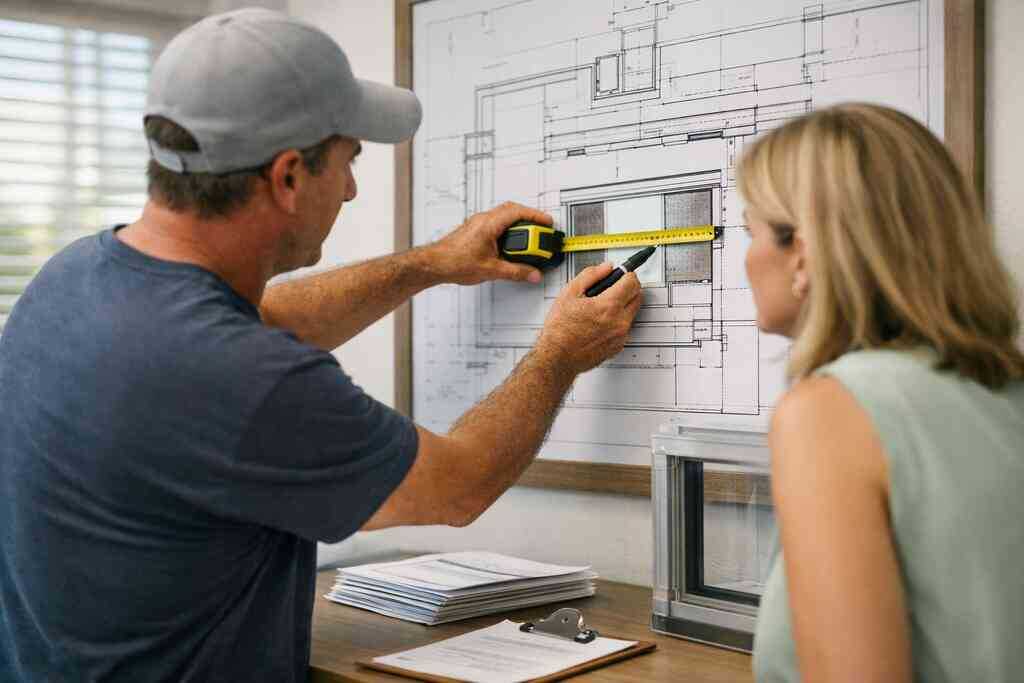
How South Florida building codes hurricane code compliance and Florida Building Code 2026 shape the documents the board expects
South Florida building codes are not optional background noise. They drive the approval package. Hurricane code compliance affects windows, doors, shutters, roofs, anchors, and sometimes even the hardware used during installation. If your project touches the building envelope, the board will often expect evidence that products and methods align with local rules. That expectation is especially strong for coastal properties and high-rise buildings.
The South Florida building code and hurricane compliance updates conversation matters because boards know storms do not care about convenience. They care about performance. A roofing contractor South Florida may need product approvals, fastening details, and tie-down information. Hurricane roof tie-downs are not decorative language. They are a safety issue. The same logic applies to impact windows and shutters.
If you are hiring a home remodeling contractor South Florida or a South Florida design build team, ask how they document code compliance before you sign. Better yet, ask how they update submittals when the county or association requests revisions. In South Florida, documentation is part of the craft. It is not paperwork after the fact. It is the backbone of getting the project approved and keeping it approved.
What happens after approval and how to keep the project from stalling at the finish line
Approval feels like relief. Then the real coordination starts. Inspections, deliveries, board notices, and punch-list items can still stall the job. That is why experienced South Florida contractors stay organized through the final steps. The finish line is not just completion. It is clean closeout.
The inspection sequence that protects roofing contractor South Florida hurricane impact window installer South Florida and hurricane shutter contractor work
Inspections should follow the approved scope, not the other way around. A roofing contractor South Florida must know when to call for rough, final, or special inspections. A hurricane impact window installer South Florida should confirm product approvals and opening protection details before closing walls or trims. A hurricane shutter contractor should leave no ambiguity about attachment points, hardware, or test documentation if required. Good sequencing prevents do-overs.
The biggest mistake we see is assuming the final inspection will “take care of it.” It will not. If an inspector finds missing paperwork or an unapproved substitution, the project can sit. That is why the contractor should keep the approval package, field photos, and signed documents together from day one. The file should be easy to hand over.
If your project involves a licensed contractor Miami-Dade, insist on inspection planning up front. The same applies in Palm Beach and Broward. The paperwork should match the work in the field. That sounds simple. It is. Yet this is where many projects lose momentum.
How to keep exterior renovation permit review moving on South Florida home additions pool deck contractor South Florida paver installation South Florida and screen enclosure contractor South Florida jobs
Exterior work often creates the most friction because it changes what neighbors see and how water moves. South Florida home additions bring structural review. A pool deck contractor South Florida may need grading, drainage, and finish specifications. Paver installation South Florida can trigger questions about setbacks or runoff. A screen enclosure contractor South Florida may need product approvals and anchoring details. Each of these jobs can look straightforward until the board asks for more detail.
The best way to keep review moving is to submit a complete package before the board asks for it. That means drawings, materials, and any engineering needed for the scope. It also means coordinating utility clearances and access for shared areas. In oceanfront and waterfront properties, the standard is often even tighter because corrosion, wind exposure, and moisture create longer-term risk.
If you need a coastal specialist, a coastal home builder Florida or waterfront home builder South Florida should know how associations think. Oceanfront home contractor work often involves stricter envelope review and more documentation. A South Florida concrete contractor or South Florida foundation repair team may also need engineer support if the project affects slabs or settlement concerns. Every exterior change has a paper trail. The smart contractor respects that from the start.
When to use contractor dispute resolution if the HOA questions scope or the city flags an issue
Sometimes the board disagrees with the scope. Sometimes the city sees something the board missed. Sometimes both happen at once. That does not mean the project is doomed. It means you need a calm process. Contractor dispute resolution is useful when the issue is about interpretation, missing documentation, or a field change that needs formal clarification.
Start with the facts. Compare the approved plan, the contract, and what is actually being built. Then identify the gap. Was it a design change? A missed note? A product substitution? A rushed field decision? Once the reason is clear, the contractor can respond with revised drawings, an explanation, or supporting documents. That is often enough.
If the issue turns into a disagreement about payment or scope, hold the line on documentation. Lien waivers, signed change orders, and written revisions matter. So does patience. A good contractor does not hide from the board or the inspector. The contractor answers with records. That is how projects recover.
The next decision frame for choosing a South Florida contractors partner for kitchen bathroom flooring or structural work with no permit shortcuts
If you are still deciding who to hire, use a simple frame. Choose the contractor who can explain the approval path before demolition starts. That may be a South Florida kitchen remodeler, South Florida bathroom remodeler, South Florida flooring installer, South Florida tile contractor, or South Florida cabinet maker. It may also be a South Florida design build team, South Florida luxury renovation team, or aging in place contractor South Florida homeowners trust for ADA-sensitive work. The trade matters less than the process discipline.
Ask these questions:
- How do you handle HOA architectural review board approval?
- How do you confirm permit scope before signing?
- How do you document product approvals and changes?
- How do you verify licensing and insurance?
- What happens if the board or inspector requests revisions?
If you want a licensed contractor Broward County or a licensed contractor Palm Beach County who already understands HOA rules, look for process answers, not just price. The same applies to Miami-Dade. For larger projects, a South Florida home additions team, second story addition South Florida specialist, or sunroom contractor South Florida should also understand community association permit requirements. You do not have to figure this out alone, and you do not have to figure it all out today. Start with one call, one license check, and one organized submittal.
Frequently Asked Questions
Question: How do South Florida Contractors handle the HOA permit approval process for condo renovation South Florida and townhome remodeling South Florida projects?
Answer: South Florida Contractors treats HOA approval as a real project phase, not an afterthought. For condo renovation South Florida and townhome remodeling South Florida work, we organize the submittal so it clearly explains the scope, shows the right drawings, and includes the documents HOA boards usually expect, such as product approvals, insurance certificates, and any required engineering. We also help align the HOA architectural review board approval process with the South Florida permit process so the HOA review and permit review do not create avoidable delays. Because community association permit requirements vary across Palm Beach, Broward, and Miami-Dade, we focus on clarity, completeness, and code awareness from the start. That includes exterior and structural work where hurricane code compliance, South Florida building codes, and Florida Building Code 2026 considerations may come into play. The goal is simple: reduce back-and-forth, keep the paperwork clean, and help homeowners move from approval to construction with fewer surprises.
Question: What should I verify before hiring a licensed contractor Palm Beach County, licensed contractor Broward County, or licensed contractor Miami-Dade for HOA-approved remodeling?
Answer: Before hiring any contractor, verify licensing, insurance, and experience with HOA-driven projects. South Florida Contractors recommends confirming how to verify a contractor license, checking contractor insurance requirements Florida, and asking for proof of contractor bonding requirements when appropriate. That matters whether you are hiring a South Florida kitchen remodeler, South Florida bathroom remodeler, roofing contractor South Florida, or a general contractor near me South Florida search result. You should also ask how the contractor handles lien waiver Florida paperwork, change order contractor Florida documentation, and permit coordination for your city or county. A trustworthy contractor will not just say they can do the work; they will explain how they will document it for the HOA, the permit office, and the inspector. For homeowners in Palm Beach County permit, Broward County permit, and Miami-Dade permit jurisdictions, that level of organization is often what separates a smooth approval from a stalled project.
Question: Why do exterior renovation permit review and structural work permit approval take extra planning in South Florida?
Answer: Exterior renovation permit review and structural work permit approval take extra planning because South Florida projects often affect wind resistance, waterproofing, drainage, and shared building systems. That is especially true for a hurricane impact window installer South Florida, hurricane shutter contractor, roofing contractor South Florida, pool deck contractor South Florida, paver installation South Florida, or screen enclosure contractor South Florida project. HOAs and permit reviewers want to know that the work follows South Florida building codes and hurricane code compliance expectations, especially when the project affects openings, roofs, anchors, tie-downs, or the building envelope. A hurricane roof tie-downs detail or impact window product approval may be required before anyone signs off. South Florida Contractors helps homeowners present the right documents early so the board can review a complete package instead of requesting repeated revisions. That is particularly important in coastal communities, oceanfront properties, and waterfront home builder South Florida settings where exposure to wind, moisture, and corrosion raises the stakes.
Question: How does South Florida Contractors manage change order contractor Florida paperwork if the approved scope changes during a remodel?
Answer: When a project changes after approval, South Florida Contractors treats the change order as a formal update, not a casual field note. If you are working with a South Florida flooring installer, South Florida tile contractor, South Florida cabinet maker, or South Florida design build team, even a seemingly small change can affect the HOA package or permit file. We document the revised scope, explain what changed, and update drawings or product details when needed so the board and inspector are not surprised by field conditions. This protects homeowners from the problem of having one thing approved and something else built. It also helps when a city or county inspector asks why the work differs from the original filing. Clear change order contractor Florida paperwork, signed revisions, and supporting documents are essential for keeping the project moving and avoiding disputes later. If a disagreement does arise, contractor dispute resolution is easier when the paper trail is complete and organized.
Question: Can South Florida Contractors help with South Florida home additions, second story addition South Florida work, and other larger projects that need HOA and permit coordination?
Answer: Yes. Larger projects like South Florida home additions, second story addition South Florida builds, sunroom contractor South Florida work, lanai builder South Florida projects, and outdoor kitchen contractor South Florida installations usually require even more careful coordination because they affect structure, appearance, and sometimes shared property systems. South Florida Contractors helps homeowners navigate HOA architectural review board approval, the South Florida permit process, and any municipality-specific requirements so the submittal is as complete as possible before work begins. For more complex builds, that may also include support for a coastal home builder Florida, waterfront home builder South Florida, oceanfront home contractor, South Florida concrete contractor, or South Florida foundation repair scope if the project touches slabs, settlement, or structural support. We also understand that many families want upgrades that are practical and future-focused, including South Florida ADA renovation, aging in place contractor South Florida solutions, energy efficient remodeler South Florida improvements, and sustainable home builder South Florida choices. No matter the project type, we encourage homeowners to verify licensing and insurance before signing and never to skip permits. The right preparation saves time, reduces risk, and helps keep the project aligned with HOA rules and local code requirements.