
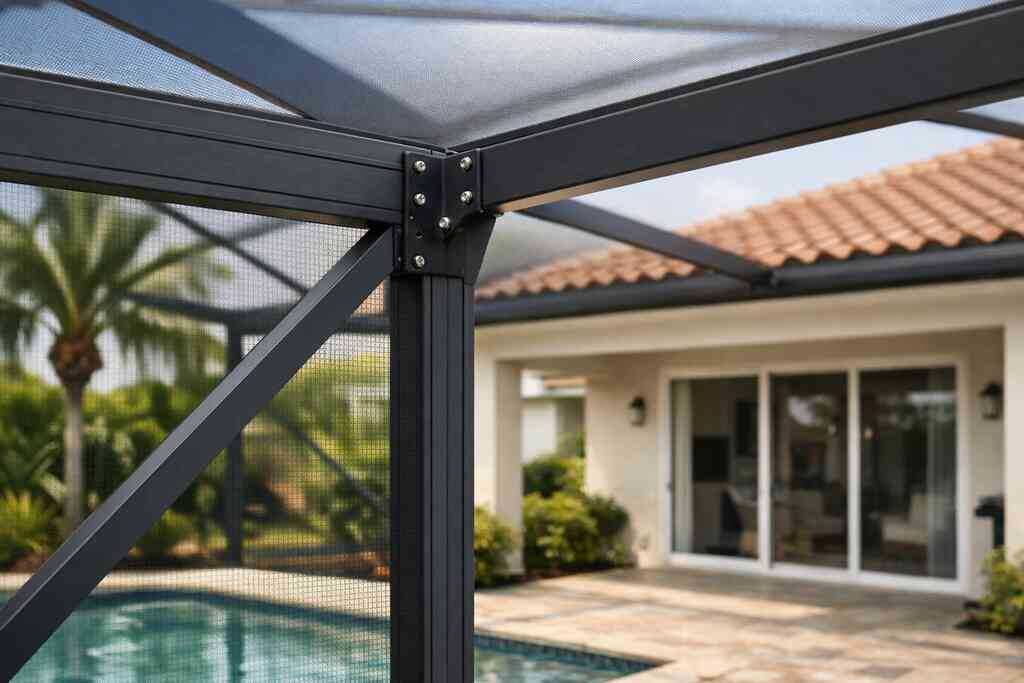
Choose a screen enclosure contractor in Miami-Dade who is licensed, insured, permit-ready, and experienced with hurricane code compliance. If the price seems unusually low, assume the scope is incomplete until proven otherwise. A good contractor will explain permits, wind-load requirements, and HOA approvals before any work starts.
Key Takeaways
- A screen enclosure contractor Miami-Dade should be able to explain permits, inspections, and hurricane code compliance in plain language before you sign.
- A low quote is not a win if it skips engineering, corrosion-resistant materials, or the Miami-Dade permit process.
- Verify contractor licensing Florida status, insurance, and bonding every time; do not rely on a business card or website alone.
- Written scope matters in coastal South Florida because small wording changes can turn into expensive change-order disputes.
- If you want to find a contractor South Florida, use a regional directory that helps you compare local options by city, trade, and project type, then verify credentials yourself.
When a screened patio becomes a permit problem in Miami Dade
A screened patio becomes a permit issue in Miami-Dade when the work changes structure, openings, attachment points, or wind resistance. Even a “simple” enclosure can trigger permit review, especially near the coast or in an HOA community. The safest path is to assume permits and inspections are required until a qualified contractor proves otherwise.
Why pool cage and lanai projects trigger Miami Dade permit scrutiny
Miami-Dade is not the place to treat a pool cage like a casual weekend upgrade. Wind, corrosion, and storm exposure make screen enclosure work part of the broader South Florida building codes conversation. A contractor who understands hurricane code compliance will know when a rescreen is just maintenance and when the frame, anchors, or connections require full review.
On projects around Coral Gables, Miami Beach, and inland neighborhoods alike, the permit question usually appears when the work touches the aluminum frame, roof members, or door openings. That is especially true for pool screen enclosure installation, patio screen enclosure replacement, and any lanai builder South Florida job that adds or alters footprint. If your project is near the water, the standards get stricter, not looser.
A homeowner in South Miami once called after receiving a quote that looked excellent. The catch was simple: it covered fabric and labor, but not the framing upgrades or permit drawings the job actually needed. Once those were added, the “cheap” bid no longer looked cheap.
For background on enclosure project types and what contractors often include, the Ultimate Guide To Screen Enclosure Contractor is a useful starting point.
The hidden clues that separate a cosmetic rescreen from a structural enclosure replacement
A cosmetic rescreen usually means replacing mesh, spline, or damaged fasteners without changing the skeleton of the enclosure. A structural replacement means the frame, anchors, headers, doors, or roof system may need engineering, permits, or both. That distinction matters because the pricing, timeline, and inspection path are very different.
Use this quick comparison:
Project typeTypical scopePermit riskWhat to askRescreening contractorNew screen mesh, spline, minor hardwareLower, but still verify locally“Are you changing any structural parts?”Screen repair after storm damagePatching torn panels, fixing isolated membersModerate“Will any damaged framing be replaced?”Full enclosure replacementNew frame, anchors, doors, or roof sectionsHigher“Will you handle drawings and permit submittals?”If a contractor says the job is “just a rescreen,” ask them to put that in writing. The hidden clue is usually in the details: corroded anchors, loose beams, separated connections, or a sagging roof line. Those are not cosmetic problems. They are structural warnings.
What separates a real screen enclosure contractor from a low quote and a headache
A real contractor gives you a complete scope, shows proof of license and insurance, and explains what is included before the first deposit changes hands. A low quote often omits permit handling, corrosion-resistant materials, cleanup, or storm-ready details. In coastal South Florida, those omissions turn into delays and disputes fast.
How to verify contractor licensing Florida insurance and bonding before anyone touches your property
Start by checking the license, not the sales pitch. For a licensed contractor Miami-Dade project, verify the contractor through the state and confirm the company name matches the proposal, permit application, and insurance certificate. If the person selling the job is different from the entity pulling the permit, pause and verify everything twice. You should also confirm contractor insurance requirements Florida and ask about contractor bonding requirements if the project is large enough to justify it. At a minimum, you want a current certificate of insurance and clarity on who is covered on your property. For general consumer guidance, the FTC advertising guidance is a reminder that claims should be clear, current, and not misleading. Here is the part most homeowners miss: a contractor can sound professional and still be the wrong fit for a coastal enclosure. Ask these questions before you sign: 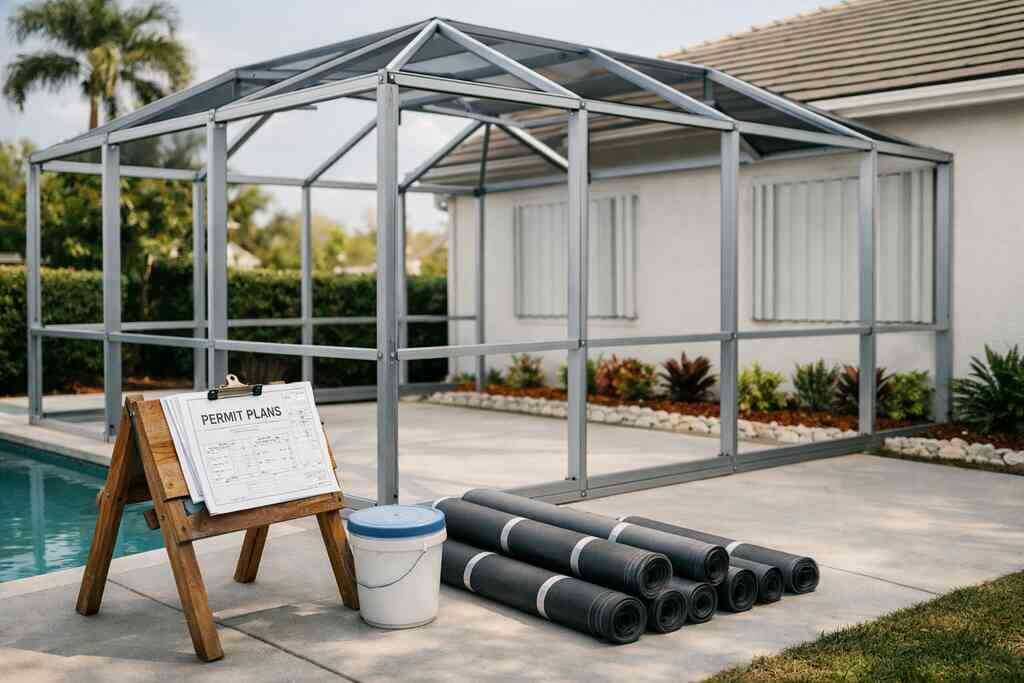
- Do you hold the correct Florida license for this scope?
- Who pulls the Miami-Dade permit?
- What insurance documents can you provide today?
- Will you use corrosion-resistant aluminum framing and approved fasteners?
- Is the price fixed, or can it change after demolition?
- Who handles HOA approval and final inspection closeout?
If you are comparing broader trade options in the region, a directory like How To Choose The Right Contractor can help you frame the questions before you call anyone.
Why change orders, lien waivers, and written scope matter more in coastal South Florida than most homeowners realize
On coastal projects, the contract is not paperwork. It is protection. A written scope should spell out materials, exclusions, permit handling, cleanup, hardware, and what happens if hidden damage appears. Without that, a small discovery can become a change order dispute.
A change order is a written change to the original scope and price. It should be signed before extra work starts. A lien waiver Florida document, by contrast, shows a contractor or subcontractor has been paid for work covered by a specific payment. Those documents matter on screen enclosures, pool deck tie-ins, and any project that touches other trades like pool deck contractor South Florida or paver installation South Florida work.
We have seen homeowners get stuck when the proposal said “replace screens,” but the installer later billed for “unexpected repairs” without a signed addendum. That is avoidable. Ask for the scope in plain English, keep every email, and never let field work outrun the paperwork.
If you need a broader comparison point for service scope and contractor selection, Top 5 Screen Enclosure Contractor South is a helpful related read.
The decision path that keeps your enclosure storm ready and HOA ready
The best enclosure decisions are made in this order: code first, HOA second, aesthetics third. In South Florida, that order protects you from failed inspections, rework, and neighbor complaints. A contractor who understands wind loads, hardware upgrades, and approval steps will save you more than a prettier design ever could.
How hurricane wind load rules Florida Building Code and HOA approval shape the final design
A storm-ready enclosure is not just thicker screen. It is a system sized for local wind conditions, attachment details, and approved materials. The Florida Building Code drives the structural side, while HOA boards often control color, visibility, roof profile, and even door placement. That means the best-looking option may still be the wrong one if it does not pass both reviews.
For oceanfront or waterfront properties, the margin for error is smaller. Salt air accelerates corrosion, and older anchors may not be acceptable for a new permit set. If your project is near the coast, ask about hurricane wind-load requirements, approved connectors, and whether the design needs upgrades for hurricane-resistant screen enclosure performance.
A practical way to choose is to compare contractor responses side by side:
QuestionGood answerRed flagWill this need engineering?“Possibly, depending on scope and existing frame condition.”“No, never.”How do you handle HOA approval?“We can provide drawings and product details.”“That is your job.”What about corrosion?“We specify coastal-rated hardware and framing details.”“Standard parts are fine.”What if the permit changes the design?“We discuss it before pricing.”“We will deal with it later.”If you are also planning related exterior work, a contractor who can coordinate outdoor kitchen contractor South Florida details, shade structures, or adjacent enclosure tie-ins is often easier to manage than several disconnected trades. For a broader look at exterior project planning, the How To Find A Pool Contractor guide is worth reviewing because many enclosure projects overlap with pool and deck work.
A final note for anyone feeling overwhelmed: this part is genuinely confusing for most people. Between Miami-Dade permit requirements, HOA paperwork, and storm-code details, the process can feel heavier than the actual project. You do not need to figure out every detail alone. You need a contractor who can explain the path clearly and document it.
If you are ready to compare options, South Florida Contractors is a practical place to start because it helps you find a contractor South Florida by trade and area before you make the first call. Search the directory, verify the license and insurance, then choose the estimator who gives you the clearest written scope. For a direct start, call 18443112703.
Frequently Asked Questions
Question: How do I choose the right screen enclosure contractor South Florida homeowners can trust for a Miami-Dade project?
Answer: Start with the basics: verify that the contractor is licensed, insured, and familiar with the South Florida permit process before you discuss pricing. A true screen enclosure contractor Miami-Dade should be able to explain hurricane code compliance, hurricane wind-load requirements, and HOA approval for screen enclosure work in plain language. That matters because a low quote can hide missing items like engineering, permit handling, corrosion-resistant aluminum framing, or final inspection closeout.
South Florida Contractors helps homeowners find a contractor South Florida by making it easier to compare local options across the region, including Miami-Dade, Broward, and Palm Beach. That means you can start with a directory that helps you narrow down the right screen enclosure contractor South Florida, then verify licensing and insurance yourself before moving forward. For exterior projects, especially pool cage contractor or patio screen enclosure replacement work, the safest choice is always the contractor who gives you a clear written scope, not the one with the cheapest first number.
Question: What should I know before hiring a licensed contractor Miami-Dade for pool screen enclosure installation or lanai builder South Florida work?
Answer: Before you hire anyone, ask whether the project requires a Miami-Dade permit, whether the existing frame needs engineering review, and whether the company handles drawings, submittals, and inspections. A licensed contractor Miami-Dade should be comfortable answering those questions without making you guess. In South Florida, exterior work is not just cosmetic. Pool screen enclosure installation, lanai builder South Florida projects, and sunroom contractor South Florida jobs can all trigger code and permit issues depending on the scope.
You should also confirm contractor insurance requirements Florida and ask for proof of coverage before work begins. If the project is large or complex, ask about contractor bonding requirements too. A professional contractor will not be offended by due diligence. They will welcome it because it shows you care about the same things they do: safety, compliance, and avoiding later disputes.
South Florida Contractors is a practical place to begin because it is built to help you compare contractors in the region, then contact them directly for a quote. That makes it easier to evaluate whether the company is truly qualified for a screened patio contractor job or just offering a quick estimate.
Question: Why is the blog How to Choose a Screen Enclosure Contractor in Miami Dade so focused on permits, hurricane code compliance, and written scope?
Answer: Because in Miami-Dade, screen enclosure work is never just about the screen. The blog focuses on permits, hurricane code compliance, and written scope because those are the issues that most often create delays, failed inspections, and costly change orders. If a contractor cannot explain the Miami-Dade permit process, South Florida building codes, and hurricane-resistant screen enclosure requirements, that is a warning sign.
The written scope is just as important. It should spell out what is included, what is excluded, how hidden damage will be handled, and whether the contractor will issue a change order contractor Florida document before extra work begins. That is especially important for projects that touch other trades, such as pool deck contractor South Florida work, paver installation South Florida, or outdoor kitchen contractor South Florida coordination.
South Florida Contractors supports this kind of careful planning by helping homeowners find a contractor South Florida who is experienced with the full project picture, not just one trade. That is especially valuable for coastal homes, waterfront properties, and HOA communities where compliance matters as much as appearance.
Question: How can South Florida Contractors help me compare screen repair after storm damage, rescreening contractor services, and full enclosure replacement?
Answer: The easiest way to compare those options is to start by understanding the difference in scope. A rescreening contractor usually replaces mesh, spline, and minor hardware. Screen repair after storm damage may involve isolated frame repairs, damaged fasteners, or limited structural fixes. A full enclosure replacement is more complex because it can involve frame changes, anchors, doors, roof sections, and permit review.
South Florida Contractors can help you find a contractor South Florida who handles the right type of job for your needs. That is important because not every contractor is equipped for every level of work. A company that is great at simple screen replacement may not be the right fit for a project that needs engineering, HOA approval, or hurricane wind-load requirements. By using a regional directory, you can compare local contractors and then ask each one whether they are prepared for a residential or coastal enclosure project.
If your property is near the coast, or if the enclosure has corrosion issues, ask whether the contractor uses corrosion-resistant aluminum framing and approved coastal hardware. The right contractor will answer directly and document it in the proposal.
Question: What are the biggest red flags when searching for general contractor near me South Florida for a screen enclosure project?
Answer: The biggest red flags are unusually low bids, vague scopes, reluctance to discuss permits, and weak documentation. If a company avoids talking about contractor licensing Florida, contractor insurance requirements Florida, or the South Florida permit process, that is a problem. Another warning sign is when the salesperson and the permitting entity do not appear to be the same company or license holder.
You should also be cautious if the contractor says permits are optional, because for many enclosure projects they are not. In Miami-Dade and throughout South Florida, exterior work often involves structural review, hurricane code compliance, and final inspection closeout. A reputable contractor will explain all of that before the first deposit.
South Florida Contractors gives homeowners a better starting point by organizing local options in one place, making it easier to find a contractor South Florida and then verify the license and insurance yourself. That is especially useful if you are comparing more than one trade, such as a roofing contractor South Florida, South Florida concrete contractor, or screen enclosure contractor South Florida, because it keeps the decision process clear and practical.