
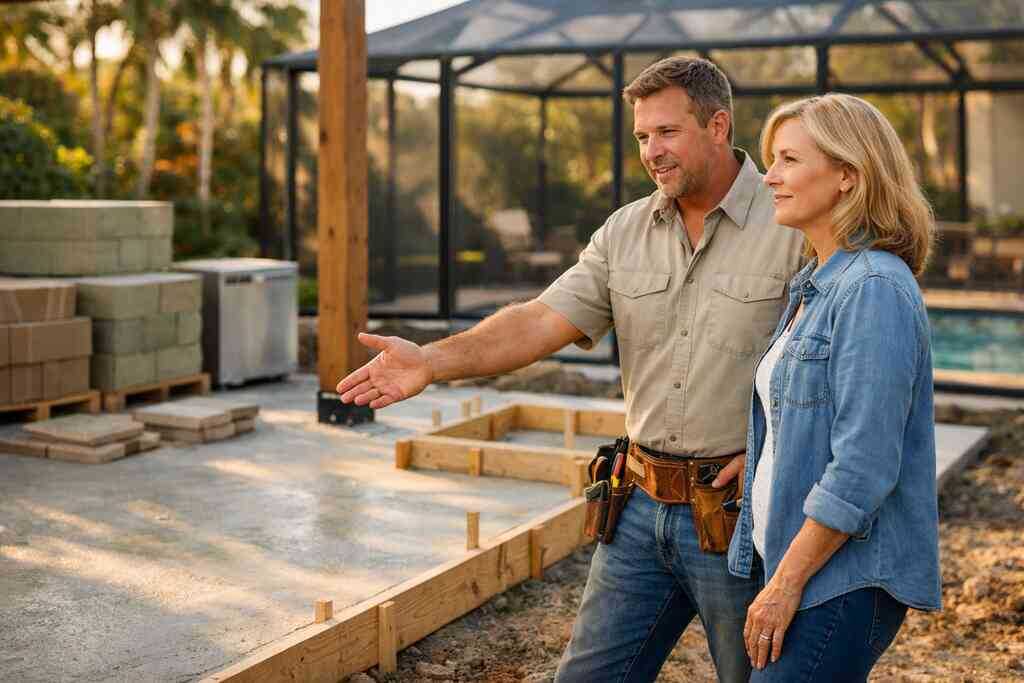
The permit question that decides whether your outdoor kitchen becomes an asset or a headache
Why South Florida outdoor kitchen planning starts with the permit process, not the grill selection
The first question we hear is usually about grills, cabinets, or countertops. That is understandable. Still, the real starting point is the permit process, because South Florida building codes shape almost every outdoor kitchen decision, and broader trends in U.S. Census business data can help frame how local construction demand evolves. If you are feeling overwhelmed already, that reaction is normal. Permitting feels slow, but skipping it creates bigger delays later. For outdoor kitchen planning in South Florida, the permit conversation should come before the appliance shopping.
We have seen homeowners fall in love with a layout before they understand the paperwork. Then the design changes after the permit review, and frustration sets in. That is why experienced South Florida contractors usually begin with zoning, setbacks, utilities, and structural details. If you want to find a contractor in South Florida for fall outdoor kitchen projects, start by asking how they handle permits, inspections, and code reviews. A polished rendering means little if the project cannot pass review. The best South Florida kitchen remodeler will explain that plainly.
When a Palm Beach County permit, Broward County permit, or Miami-Dade permit may be needed for gas, electrical, plumbing, and slab work
A permit may be required for gas lines, electrical circuits, plumbing, permanent slabs, and attached roof structures. That can include a simple sink, a built-in grill, or a new patio base, especially as broader construction and labor conditions tracked by the U.S. Bureau of Labor Statistics affect scheduling and pricing. The county matters because the process can vary across Palm Beach, Broward, and Miami-Dade. A licensed contractor Palm Beach County should understand local review expectations. A licensed contractor Broward County should explain similar issues before work begins. A licensed contractor Miami-Dade should also know how coastal exposure affects submittals.
One couple in Broward thought they only needed a grill hookup and a paver pad. The scope changed after the contractor found the gas line needed a different path and the electrical load required a subpanel review. That added paperwork, but it prevented a costly redo. Here is the part most homeowners miss: permit plans often protect the project more than they slow it down. If you want to know more about the permit process for outdoor kitchens in Palm Beach, ask for a line-item explanation before you sign.
How HOA approval and condo renovation South Florida rules can slow down even a simple patio and lanai kitchen integration
HOA approval can be a separate hurdle from the permit. Condo boards may also require detailed drawings, product information, and scheduling rules. That is especially true for shared walls, common-area patios, and screened lanai projects. In condo renovation South Florida work, you may need to coordinate building management, insurance certificates, and noise restrictions. Even a small patio kitchen can stall if the association wants revisions. That is why planning early matters.
If your outdoor kitchen touches a balcony, courtyard, or shared amenity space, expect questions. Some communities want waterproofing details. Others want appliance specs and cleanup plans. We hear this from clients almost every week. They think they are buying a grill island, then learn they are entering a multi-approval process. For readers comparing rules across property types, the article on what South Florida contractors recommend for HOA approval is a useful reference point.
Why hurricane code compliance and Florida Building Code requirements matter for cabinets, roofs, and shade structures near the coast
Outdoor kitchens in South Florida live in a demanding climate. Wind, rain, salt air, and flying debris all matter. That is why hurricane code compliance is not a side issue. It affects roof attachments, shade structures, wall anchoring, and sometimes cabinet placement. The Florida Building Code 2026 approach to exterior work rewards planning and punishes guesswork. If your outdoor kitchen sits near the coast, think about uplift, corrosion, and water intrusion from day one.
On waterfront properties, coastal construction considerations become even more serious. A pergola may need different engineering than a freestanding grill station. Cabinets may need better fastening and weather protection. Shade structures should be reviewed with the same seriousness as the rest of the build. If you are considering a coastal home builder Florida team or a waterfront home builder South Florida specialist, make sure they discuss code compliance before they discuss finishes. One useful resource is the South Florida building code update for outdoor remodels, especially if your project includes roof tie-ins or exposed framing.
The contractor credentials that separate a polished proposal from a risky promise
How to verify a contractor license when you find a contractor South Florida through a directory or referral
A beautiful estimate means very little if the license is wrong, expired, or mismatched to the work. That is why how to verify a contractor license should be your first real vetting step. When you find a contractor South Florida through a directory or referral, confirm the exact business name, license status, and scope category. Ask for the license number, then check it yourself. Do not rely on a logo, a truck wrap, or a friendly sales pitch.
The best South Florida contractors expect that question. They should not be offended. They should welcome it. If a contractor hesitates, that hesitation matters. This is true for a home remodeling contractor South Florida, a general contractor near me South Florida, or a specialized outdoor kitchen contractor South Florida. Verification is not rude. It is basic protection.
What licensed contractor Palm Beach County, licensed contractor Broward County, and licensed contractor Miami-Dade should be able to explain before any work starts
A real professional should explain the permit pathway, inspection sequence, and what part of the work is structural. They should also explain who is pulling permits and who is supervising subcontractors. That matters whether you are hiring a licensed contractor Palm Beach County, a licensed contractor Broward County, or a licensed contractor Miami-Dade. They should be able to tell you whether the project needs engineering, electrical revisions, or a plumbing inspection. If they cannot explain the process in plain English, keep looking.
A strong contractor will also talk about materials, maintenance, and realistic sequencing. They should know how an outdoor kitchen design build differs from a simple install. They should also understand how a South Florida luxury renovation project can be affected by season, supply timing, and HOA review. If the proposal sounds too simple, that is a warning. For a deeper checklist, use the licensed contractor checks in Palm Beach County guidance before committing.
Why contractor insurance requirements Florida and contractor bonding requirements matter before a single demo day begins
Insurance is not a formality. It is your first defense if something breaks, someone gets hurt, or a subcontractor causes damage. Contractor insurance requirements Florida should be verified before demo starts, not after. Ask for current certificates, then confirm they match the company name you hired. Bonding can matter too, depending on the project and jurisdiction. Contractor bonding requirements are not the same as insurance, and that distinction matters.
If you want a practical way to think about it, insurance helps cover risk. Bonding adds another layer of accountability. You do not need to become an expert overnight, but you do need proof. The article on how to verify contractor insurance in Florida before hiring is a smart starting point for homeowners who want fewer surprises. Here is what almost no online guide mentions: the cheapest bid can become the most expensive if coverage is weak.
What lien waiver Florida paperwork is, why change order contractor Florida language matters, and how to protect yourself if the scope shifts
A lien waiver is a document that shows payment was received for work or materials. It helps protect you from claims by unpaid parties. In Florida, that paperwork is part of smart project control. The same is true for change order contractor Florida language. A change order records a scope change, a price change, or both. If the project expands, this document keeps everyone aligned.
One client in Miami-Dade had a seemingly simple kitchen island that uncovered an old utility path during demo. The contractor paused, documented the issue, and issued a change order before moving forward. That avoided confusion later. The homeowner still felt frustrated, but the paper trail kept the job clean. If you want a plain-language explanation, review lien waiver paperwork in Florida before payment before you sign anything. Good paperwork does not slow a project. It keeps it honest.
The structure under the style that makes or breaks a coastal outdoor kitchen
Why wind-resistant outdoor kitchen structure and hurricane-rated outdoor features are nonnegotiable in South Florida
Style matters, but structure comes first. In South Florida, wind-resistant outdoor kitchen structure is not optional. Cabinets, frames, roof attachments, and shade structures all need to be secured correctly. Hurricane-rated outdoor features are especially important near open lots, canals, and coastal neighborhoods. A pretty rendering cannot compensate for weak anchoring. That is the hard truth.
The mistake we see most often is treating an outdoor kitchen like furniture. It is not furniture. It is built construction. If you are considering a pool deck contractor South Florida or a South Florida home additions team for a larger entertainment area, make sure they talk about uplift resistance and fastening details. Hurricane roof tie-downs may also come into play if the design ties into an existing structure. This is where a seasoned contractor earns trust.
How moisture-resistant cabinetry, marine-grade outdoor materials, and termite and corrosion resistance change the lifespan of the build
South Florida weather punishes weak materials. Moisture-resistant cabinetry holds up better than standard indoor products. Marine-grade outdoor materials resist swelling, fading, and corrosion. Stainless steel hardware helps, but even that needs proper care in salty air. Termite and corrosion resistance also matter, especially for hidden framing and base components. If you cannot see the problem today, the climate will help reveal it later.
A few years of exposure can separate a smart build from an expensive regret. We have seen lower-end outdoor islands look tired fast after repeated rain and sun. By contrast, well-specified materials age more gracefully and need less repair. That is why a South Florida cabinet maker or South Florida tile contractor with exterior experience can be worth the extra review time. If you want ideas before choosing finishes, the article South Florida contractors share ideas for outdoor kitchens in 2026 offers practical comparisons.
What concrete slab preparation and drainage planning for outdoor kitchens must solve before cabinets and appliances are set
The base underneath the kitchen matters more than most people realize. Concrete slab preparation must account for load, slope, drainage, and settlement. Drainage planning for outdoor kitchens should prevent standing water, erosion, and cabinet damage. If the slab is uneven or too close to pooled water, the rest of the build suffers. That can mean cracked tile, shifting islands, or appliance problems. None of that is fun to fix later. A South Florida concrete contractor should inspect the substrate before finishes are chosen. If the slab needs rebuilding, do that first. If drainage is weak, correct it first. This is especially important for paver installation South Florida projects, where the base determines the life of the surface. When a base is weak, the prettiest kitchen in the neighborhood still fails underneath. The useful guide What Does a South Florida Concrete Contractor Handle can help you ask better questions during bidding.
When a screen enclosure contractor South Florida, sunroom contractor South Florida, or lanai builder South Florida becomes part of the conversation

Not every outdoor kitchen remains fully open to the elements. Some homeowners want screened protection. Others want partial enclosure or a lanai extension. That is when a screen enclosure contractor South Florida, sunroom contractor South Florida, or lanai builder South Florida may join the project team. Their role is not cosmetic. They affect airflow, drainage, code review, and how appliances perform in enclosed spaces.
This coordination matters because the enclosure changes the building environment. Heat, smoke, moisture, and fire clearances all shift. If the kitchen is under a screened or roofed area, the design needs more careful review. That is especially true for patio and lanai kitchen integration on smaller lots. If you are comparing enclosure options, the page on what to ask before hiring a screen enclosure contractor is a good companion read before you commit to framing.
The utility maze that turns a pretty design into a working outdoor kitchen
Why electrical and gas line coordination should be mapped before the first countertop template is measured
Utilities come first. Always. If you do not map electrical and gas line coordination early, you can end up moving outlets, shifting appliance placement, or changing the entire layout. That is frustrating, expensive, and avoidable. The countertop template should follow the utility plan, not the other way around. That is especially true if you want a built-in grill, refrigerator, ice maker, or beverage center.
We have seen projects stall because the gas route was assumed instead of verified. The same happens with circuits for lighting and refrigeration. For a South Florida kitchen remodeler, the right sequence is simple: verify utilities, confirm code needs, then finalize finishes. If you are comparing material and labor costs, the South Florida kitchen remodel cost guide can give you a broader budgeting frame. The right plan keeps the layout useful, not just attractive.
What outdoor kitchen ventilation requirements mean for enclosed spaces, covered patios, and screened lanais
Ventilation sounds technical, but the idea is simple. Smoke, heat, and grease need a safe path out. Outdoor kitchen ventilation requirements become more important in covered patios and screened lanais. If the area is enclosed or partially enclosed, you may need additional clearance and airflow planning. That affects hood selection, appliance placement, and even where guests can stand comfortably.
This is one of those details that sounds minor until you use the kitchen. Then it becomes obvious. Poor ventilation makes the space unpleasant and sometimes noncompliant. A contractor with real exterior experience will flag that early. If they do not, keep asking questions. For some layouts, outdoor kitchen ventilation requirements can also affect the need for structural changes. That is another reason why custom planning matters more than a one-size-fits-all package.
How plumbing for outdoor sinks can trigger additional inspections and a more involved permit process for outdoor kitchens
Adding a sink sounds simple. It rarely is. Plumbing for outdoor sinks can trigger line extensions, drainage concerns, and inspection requirements. Depending on the site, that may also affect the permit scope. In some cases, it is the sink that turns a decorative area into a true utility project. That does not mean you should avoid it. It means you should plan it correctly.
A sink can improve cleanup, prep, and entertaining flow. It can also increase the paperwork. That is why a contractor should explain the plumbing path and inspection sequence before you approve the design. If you want the basic vocabulary first, the reference on plumbing basics for outdoor kitchen sinks is helpful, but local code review still comes first. The smartest builds treat plumbing as part of the structure, not an afterthought.
What energy efficient outdoor lighting and smart outdoor kitchen features add when the layout is built for evening use and waterfront home contractor considerations
Outdoor kitchens in South Florida are often used after sunset. That makes lighting more than a style choice. Energy efficient outdoor lighting improves safety, visibility, and mood. It also helps define prep zones, seating areas, and paths near pools or steps. Smart controls can make the space easier to use. Timers, dimmers, and app-based lighting are common upgrades now.
Smart outdoor kitchen features can include lighting, temperature controls, appliance monitoring, and security integration. On waterfront lots, that may matter even more because visibility and corrosion management are ongoing concerns. A contractor familiar with waterfront home contractor considerations can help place fixtures away from spray and moisture. If you like the idea of a more connected setup, it should still be built for durability first. Convenience is useful. Resilience is better.
The material and layout choices that age well in South Florida weather
Why weatherproof countertop options like granite and porcelain outdoor countertops perform differently in salt air and heavy rain
Countertops take more abuse than most people expect. Weatherproof countertop options need to handle rain, sun, food stains, and heat. Granite and porcelain outdoor countertops are both popular, but they behave differently. Granite has natural variation and strong heat resistance. Porcelain offers excellent moisture resistance and a sleek look. Each has tradeoffs in feel, maintenance, and edge treatment.
In salt air, finish quality matters as much as material choice. Cheap sealers and poor fabrication can shorten the life of any surface. If you are working with a South Florida luxury renovation mindset, ask to see exterior-rated samples and maintenance guidance. A good contractor will explain what daily use looks like, not just what the slab looks like in the showroom. For a broader feel for material decisions, review the South Florida home additions planning mindset through the lens of exterior living, not indoor polish.
How bar seating for outdoor kitchens changes circulation, safety, and entertaining space design on smaller lots
Bar seating looks simple. It is not. Bar seating for outdoor kitchens changes how people move, where chairs land, and how far guests stand from hot surfaces. On smaller lots, circulation becomes the real design challenge. You need enough space for prep, serving, and conversation without creating pinch points. That is especially important near pools, sliders, and door swings.
A well-planned seating edge can make the space feel social instead of cramped. A poor one blocks traffic and creates safety issues. That is why outdoor entertaining space design should be measured with real use in mind, not just visual balance. The right layout keeps guests close enough to talk but far enough from heat and splatter. That balance is easy to miss on paper. It becomes obvious during the first cookout.
When paver patio outdoor kitchen layouts work better than concrete, and when a South Florida concrete contractor should rebuild the base first
Pavers and concrete solve different problems. A paver patio outdoor kitchen can work well when drainage, flexibility, and visual detail matter. Concrete can be better when the design calls for a heavier base and a more unified surface. The key is not the surface alone. It is the substrate underneath. If the base is weak, both options suffer. That is where a South Florida concrete contractor becomes critical.
You should consider base rebuilding if there are cracks, sinking areas, or water issues. If the current pad is sound, a paver overlay or expansion may be enough. But do not guess. Have the structure checked first. This is especially important in neighborhoods with older slabs or shifting soil. The best results usually come from fixing the foundation before upgrading the finish. That keeps the kitchen stable for the long term.
How shade structure and pergola planning, poolside kitchen design, and outdoor entertaining space design should reflect South Florida luxury renovation goals and future maintenance
Shade changes everything in South Florida. Without it, even the best kitchen feels harsh by midday. Shade structure and pergola planning should consider sun angle, wind exposure, and maintenance access. A poolside kitchen also needs materials that tolerate splash, humidity, and frequent cleaning. These choices should support the look you want without creating a repair burden later. That is the heart of good design.
If you are aiming for South Florida luxury renovation quality, do not stop at appearance. Think about how the kitchen will age after constant use, storms, and routine cleaning. Think about what will need resealing, repainting, or replacing in a few years. That is not pessimism. It is smart planning. A thoughtful project pairs beauty with durability, especially in South Florida. If you are ready to compare local help, start with South Florida Contractors and make sure every bidder is a verified, insured, and properly licensed fit for your county and scope. You do not have to figure this out alone, and you do not have to figure it all out today. Start with one phone call, then get three written quotes from active Florida license holders.
Frequently Asked Questions
Question: What should I know first about the permit process for outdoor kitchens in South Florida, especially if I need a Palm Beach County permit, Broward County permit, or Miami-Dade permit?
Answer: The first thing to know is that permits should be part of the plan from day one, not something added after the design is finished. In South Florida, outdoor kitchen planning in South Florida usually involves South Florida building codes, hurricane code compliance, and county-specific review steps. Depending on the scope, you may need a Palm Beach County permit, Broward County permit, or Miami-Dade permit for gas, electrical, plumbing, slab work, roof tie-ins, or shade structures. A good South Florida kitchen remodeler will explain the permit process for outdoor kitchens before you choose finishes, so the project is designed to pass review instead of being redesigned later.
Question: How do I verify a South Florida outdoor kitchen contractor and make sure they are properly licensed and insured?
Answer: Start by confirming the exact business name, license number, and scope of work, then check that information yourself. How to verify a contractor license is one of the most important steps when you find a contractor South Florida through a directory, referral, or search result. Whether you are hiring a licensed contractor Palm Beach County, licensed contractor Broward County, licensed contractor Miami-Dade, or a general contractor near me South Florida, ask for proof of contractor licensing Florida, current contractor insurance requirements Florida, and any relevant contractor bonding requirements. A trustworthy contractor will not dodge those questions. They should also be able to explain who is pulling permits, how subcontractors are managed, and how change order contractor Florida paperwork is handled if the scope changes. South Florida Contractors can help you find vetted options, but you should still verify every license and insurance document before signing anything.
Question: What materials and structural details matter most for hurricane code compliance and long-term durability in a coastal outdoor kitchen?
Answer: In South Florida, durability starts with the structure, not the style. A wind-resistant outdoor kitchen structure, hurricane-rated outdoor features, and proper anchoring are essential, especially near the coast or on waterfront lots. Materials like moisture-resistant cabinetry, marine-grade outdoor materials, and corrosion-resistant hardware help the kitchen handle salt air, rain, and humidity. Granite and porcelain outdoor countertops each have strengths, but the best choice depends on exposure, maintenance, and the overall South Florida luxury renovation goal. If the kitchen includes a pergola, roof extension, or shade structure, hurricane roof tie-downs and Florida Building Code 2026 considerations may apply. A knowledgeable South Florida contractors team should also review termite and corrosion resistance, concrete slab preparation, and drainage planning for outdoor kitchens so the base and structure last as long as the finishes.
Question: Can South Florida Contractors help with outdoor kitchen design build projects that include electrical and gas line coordination, plumbing for outdoor sinks, and ventilation for covered patios or screened lanais?
Answer: Yes, that is exactly the kind of planning that makes a custom outdoor kitchen installation work correctly. Electrical and gas line coordination should be mapped before the final countertop template, because utility locations can affect appliance placement, cabinet sizes, and traffic flow. Plumbing for outdoor sinks can also trigger extra inspections and a more involved permit process, so it should be planned early. If your project is under a covered patio, screened lanai, or enclosed area, outdoor kitchen ventilation requirements become especially important for comfort and safety. A South Florida kitchen remodeler with exterior experience will also look at energy efficient outdoor lighting, smart outdoor kitchen features, and waterfront home contractor considerations if the property is exposed to wind, moisture, or salt air. That kind of design build approach reduces surprises and keeps the project aligned with South Florida building codes.
Question: What are the best fall outdoor kitchen remodel ideas from Top 5 Outdoor Kitchen Contractor Questions for Fall 2026 if I want a space that looks great and works for entertaining?
Answer: The best fall outdoor kitchen remodel ideas balance function, weather resistance, and comfort. For many South Florida homeowners, that means thoughtful bar seating for outdoor kitchens, smart outdoor entertaining space design, and shade structure and pergola planning that makes the space usable during the hottest part of the day. A paver patio outdoor kitchen may be a smart choice if drainage and flexibility matter, while a concrete slab may be better if the base needs rebuilding. Poolside kitchen design should also account for splash, wind, and safe circulation, especially on smaller lots. If you want the kitchen to feel polished after dark, energy efficient outdoor lighting and smart outdoor kitchen features can improve both convenience and atmosphere. South Florida Contractors can help you find the right contractor for the job, but always confirm licensing, insurance, and permit readiness before moving forward. That is the best way to protect your investment and get a result that fits South Florida weather, codes, and lifestyle.