
A good South Florida flooring installer does more than set tile straight. They assess moisture, slab movement, leveling, permits, and waterproofing before the first cut. Otherwise, the cheapest quote can become the most expensive repair. If you are worried the bid feels too low, that concern is justified.
Key Takeaways
- Hire a South Florida flooring installer who can explain substrate prep, moisture testing, leveling, and crack isolation in plain language.
- In Palm Beach, Broward, and Miami-Dade, tile work often intersects with South Florida permit process rules, HOA approvals, and condo board requirements.
- Always verify a contractor license, insurance, and bonding before signing. Never assume a business card proves compliance.
- Large-format tile, bathrooms, kitchens, and coastal homes demand better planning than a basic cosmetic install.
- If you want a faster way to compare local options, use South Florida contractors to find a contractor South Florida by trade and location, then verify credentials yourself.
Why the cheapest tile quote can turn into the most expensive mistake in South Florida
The cheapest tile quote usually skips the hidden work that protects your floor: moisture testing, slab prep, leveling, and crack control. In South Florida, that shortcut can lead to tenting, hollow spots, grout failure, or loose tile long before you expect it. The lowest number often leaves out the details that matter most in Palm Beach, Broward, and Miami-Dade.
What a South Florida flooring installer must get right before the first tile is cut
A solid South Florida tile contractor starts with the structure, not the tile rack. They should inspect the slab, check for cracks, confirm the flatness needed for your tile size, and decide whether underlayment or a crack isolation membrane is necessary. If the installer cannot explain those steps clearly, that is a warning sign.
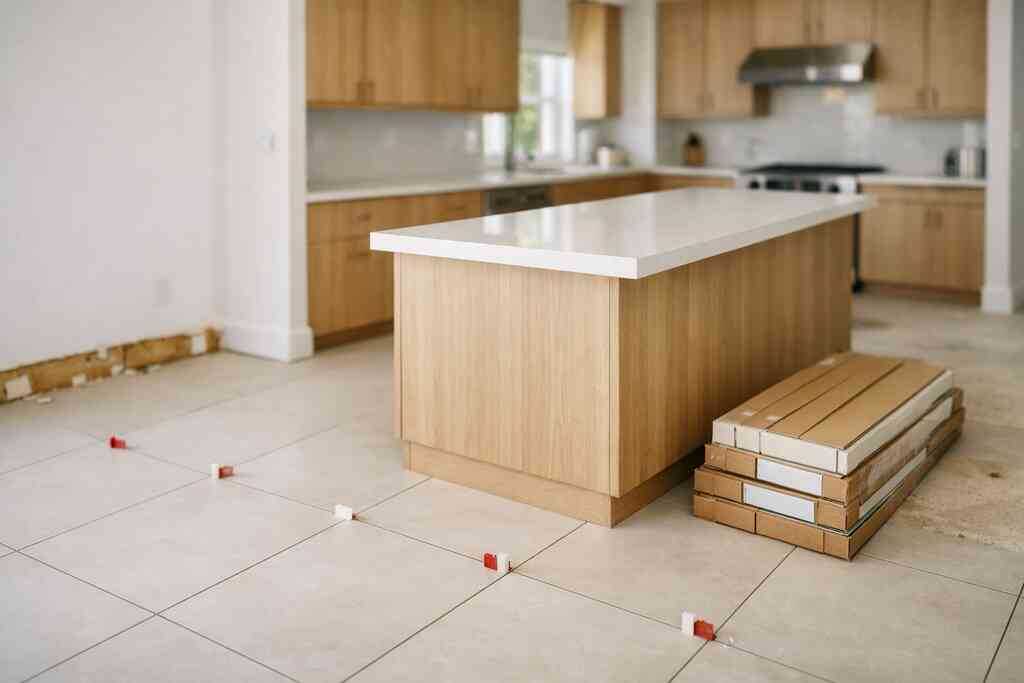
On one kitchen project near Delray Beach, Florida, the homeowner wanted large-format porcelain over an older slab. The first estimate focused only on labor and tile setting. The second contractor spotted a dip in the floor, added leveling, and saved the client from a lippage problem that would have shown every morning in daylight.
A careful installer should also know the difference between porcelain tile installer South Florida work and a basic ceramic job. Porcelain, especially large-format tile installation, often demands tighter flatness standards and better layout planning. The same is true for bathrooms, where waterproofing for tile floors and shower transitions must be planned before thinset ever gets mixed.
How coastal moisture, slab movement, and humid interiors change the job from Palm Beach to Miami-Dade
South Florida homes live with moisture. That means slab vapor, humid interiors, and small shifts in concrete are not edge cases. They are normal conditions, especially in coastal home tile installation, condo renovation South Florida projects, and townhome remodeling South Florida jobs where soundproof underlayment for condos may also matter.
Project conditionWhat the installer should checkWhy it mattersCoastal slabMoisture testing before tile installationHelps avoid bond failure and bubblingLarge-format tileFloor leveling for tile and layout planningReduces lippage and uneven jointsOlder homeCrack isolation membrane installationHelps protect against slab movementBathroom or showerWaterproofing for tile floorsPrevents leaks and hidden damageCondoSoundproof underlayment and HOA rulesAvoids complaints and approval delaysFor exterior-adjacent spaces, hurricane code compliance still matters because water intrusion and envelope issues can affect interior finishes. A contractor working in South Florida should understand that even a tile project may intersect with drainage, transitions, and moisture pathways. If the job touches a lanai, patio, or a remodeled opening, code awareness matters just as much as appearance.
One Boca Raton homeowner called after a failed patch job from a bargain installer. The grout kept cracking at the same doorway. The fix was not better grout. It was expansion joint planning, better substrate prep, and a transition detail that allowed the slab to move without destroying the finished floor.
The paper trail that separates a licensed contractor from a costly shortcut
A licensed contractor brings more than tools. They bring traceable credentials, insurance, and permit discipline. Before you sign anything, verify the license, confirm insurance and bonding, and make sure the scope matches the work being performed. If those documents are vague, expired, or missing, keep looking.
How to verify a contractor license, insurance, and bonding before you sign anything
Start with how to verify a contractor license through the state’s public license lookup, then confirm the business name on the proposal matches the license holder. A legitimate licensed contractor Palm Beach County, licensed contractor Broward County, or licensed contractor Miami-Dade should not hesitate to provide proof. They should also be willing to explain contractor licensing Florida requirements in simple terms. Use this short checklist: 1. Match the company name, license number, and signer on the bid.
- Ask for current general liability and workers’ compensation proof.
- Confirm contractor bonding requirements if the job calls for it.
- Get the scope in writing, including demolition, prep, materials, and cleanup.
- Ask how they handle lien waiver Florida forms at payment milestones.

If you want a broader hiring guide, the directory’s How To Hire A Tile Contractor resource is a useful starting point before you interview anyone. It helps you ask the right questions before the first visit.
A contractor should also carry clear insurance documentation. Do not guess. Do not rely on a verbal promise. In a region where condo lobbies, elevators, and shared hallways are common, one uncovered mistake can become a serious problem fast.
When South Florida permit process rules, HOA approvals, and condo boards can delay tile work
Permits and approvals are not red tape you can ignore. They are part of the job. The South Florida permit process can involve city review, county rules, condo board sign-off, or South Florida HOA permit approval, depending on where you live and what the tile work affects.
For many interior tile projects, the timing issue is less about the tile itself and more about related work. If your project includes waterproofing, plumbing changes, structural adjustments, or a layout that affects walls or thresholds, you may need documentation. In some buildings, condo management wants submittals for underlayment, noise control, and work hours before anyone starts.
If you are comparing broader contractor options, How To Find A Licensed Contractor is another helpful reference. It pairs well with direct calls because it explains what to verify before you trust a quote.
The part most homeowners miss is this: permits can protect your resale value. Unpermitted tile or hidden waterproofing work can become a closing headache later, especially in condo renovation South Florida and townhome remodeling South Florida transactions. A clean paper trail makes a future inspection much easier.
What a tile installer must know before they touch your floor
A tile installer should know how to prepare the substrate, test moisture, level the floor, and choose the right crack isolation strategy before any tile is set. For large-format tile installation, those steps are not optional extras. They are the difference between a floor that lasts and one that starts failing in the first season of use.
Floor leveling, substrate prep, moisture testing, and crack isolation for large-format tile installation
Large tile makes small flaws obvious. A slight hump in the slab can create lippage, and a low spot can leave unsupported tile edges. That is why floor leveling for tile and tile substrate preparation matter so much in South Florida homes, especially in kitchens, open-plan living rooms, and primary bathrooms.
A skilled installer will usually evaluate:
- Flatness before setting tile
- Moisture testing before tile installation
- Underlayment installation where needed
- Crack isolation membrane installation on suspicious slabs
- Expansion joint planning for tile at transitions and perimeters
The best installers also plan the layout before they start. Tile layout and pattern planning affects where cuts land, how the room feels, and whether the grout lines align with cabinets, islands, or door openings. That matters in a South Florida kitchen remodeler project, where a new island and cabinets can make poor layout choices impossible to hide.
For a deeper look at comparing pricing across local jobs, Compare South Florida Flooring Installer Costs can help you understand why one bid is higher than another. The right quote often includes prep work the cheap quote left out.
Here is a simple comparison that helps you read bids:
Bid itemGood signRed flagPrepSpecific leveling and moisture work listed“Prep included” with no detailsWaterproofingBrand, scope, and areas covered namedNo mention of wet-area protectionTransitionsTrim and transition strip installation described“Owner to supply” with no planCleanupDemo, haul-away, and final cleanup includedVague labor-only pricingPaymentClear milestones and lien waiversLarge upfront cash requestIn bathrooms and kitchens, details matter even more. A bathroom tile contractor South Florida should talk through shower tile waterproofing, threshold heights, and slip-resistant tile flooring. A kitchen backsplash installer South Florida should understand outlet alignment, cabinet clearances, and how the backsplash meets countertops without messy gaps.
If your project involves a coastal condo, ask about soundproof underlayment for condos and building rules before work starts. If it is a remodel in a moisture-prone area, ask about grout selection for humid climates and where movement joints will go. Those are not fancy extras. They are the habits of a careful South Florida flooring installer who expects the floor to perform, not just look good on day one.
If you want a practical place to begin your search, Contractor Services Flooring can help you locate local options by trade and area. Then do the part that protects you: verify the license, confirm insurance, and ask what they will do if the slab is not perfect. You do not have to figure this out alone, and you do not have to choose in a rush. Start with one strong shortlist, one license check, and one honest conversation.
Frequently Asked Questions
Question: What should I look for when hiring a South Florida flooring installer for tile jobs?
Answer: Look for a South Florida flooring installer who can explain the full process, not just the finished look. That means discussing moisture testing before tile installation, floor leveling for tile, tile substrate preparation, crack isolation membrane installation, and expansion joint planning for tile before any work begins. In South Florida, especially across Palm Beach, Broward, and Miami-Dade, those details matter because slab movement, humidity, and coastal moisture can affect tile performance. A trustworthy South Florida tile contractor should also be clear about insurance, bonding, and the South Florida permit process when the project requires it. If you are comparing bids, use South Florida contractors to find a contractor South Florida by trade and location, then verify licensing and insurance yourself before signing.
Question: How does How to Hire a South Florida Flooring Installer for Tile Jobs help me avoid a bad tile install?
Answer: The biggest lesson in How to Hire a South Florida Flooring Installer for Tile Jobs is that the cheapest quote is not always the best value. A low bid can leave out leveling, waterproofing for tile floors, underlayment installation, or proper layout planning, which can lead to lippage, grout failure, or loose tile later. South Florida homes deal with humidity, slab movement, and, in some cases, condo noise rules or South Florida HOA permit requirements. A strong installer should be able to explain how they handle large-format tile installation, shower tile waterproofing, and grout selection for humid climates in plain language. That is the kind of practical guidance homeowners should expect from a South Florida flooring installer and the kind of contractor screening South Florida Contractors encourages before you hire anyone.
Question: How do I verify a contractor license, insurance, and bonding before hiring a tile contractor in South Florida?
Answer: Start with how to verify a contractor license through the public license lookup, then compare the business name, license number, and signer on the proposal. A licensed contractor Palm Beach County, licensed contractor Broward County, or licensed contractor Miami-Dade should be willing to provide current proof of contractor insurance requirements Florida and explain contractor bonding requirements if they apply to your job. Ask for a written scope that includes demolition, prep, materials, cleanup, and payment milestones, and ask how they handle lien waiver Florida forms. If a company avoids those questions, that is a red flag. South Florida Contractors is built to help homeowners find a contractor South Florida and then do the due diligence that protects your home, budget, and resale value.
Question: Do tile jobs in South Florida usually need permits or HOA approval?
Answer: Sometimes yes, and you should never assume a permit is unnecessary. The South Florida permit process can involve city review, county requirements, condo board approval, or South Florida HOA permit rules depending on the property and the scope of work. If the tile project includes waterproofing, plumbing changes, structural adjustments, soundproof underlayment for condos, or work that affects walls, thresholds, or transitions, permits or building approvals may be required. In condo renovation South Florida and townhome remodeling South Florida projects, management may also want product submittals and work-hour details before the job starts. A careful South Florida tile contractor will understand the local process and help you plan around it rather than encouraging shortcuts. That approach protects your project and helps avoid delays, fines, or problems later when you sell.
Question: What makes South Florida Contractors useful for finding a tile installer or general contractor near me South Florida?
Answer: South Florida Contractors is designed to help homeowners and property managers quickly find a contractor South Florida by entering a zip code, selecting a city, and reviewing nearby contractors by distance. That makes it easier to compare a South Florida flooring installer, South Florida kitchen remodeler, South Florida bathroom remodeler, or general contractor near me South Florida without wasting time on random searches. Once you find a few options, you can call, ask about license status, request insurance documentation, and compare bids with confidence. The directory is especially useful when you need a contractor who understands South Florida building codes, hurricane code compliance, and the realities of coastal projects. Whether your project is a simple tile replacement or part of a larger South Florida luxury renovation, the goal is the same: make it easier to shortlist qualified professionals, then verify everything before work begins.