
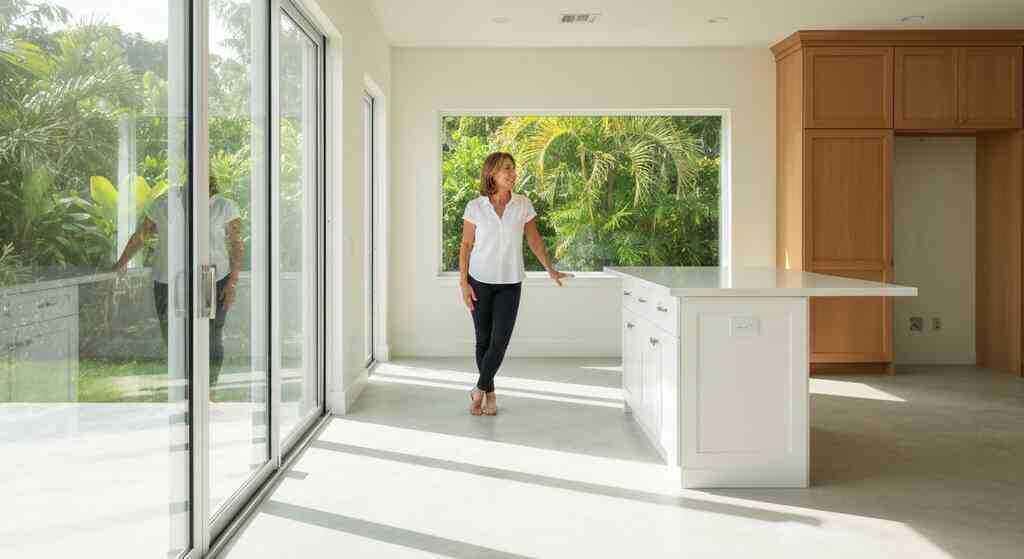
You are standing on a vacant lot in South Florida, holding a vision for your dream home, but the path from permit to keys is complex. Many homeowners dream of a custom build near the coast, only to feel overwhelmed by the strict regulatory environment. Ensuring your project follows regional guidelines protects your investment for the long term. Proper planning prevents costly teardowns or legal headaches. If you are ready to move forward, understanding Miami-Dade building code compliance for 2026 renovations will ensure your project stays on track.
Building a Strong Foundation Under Miami-Dade Rules
Building a new home in South Florida requires strict adherence to some of the most rigorous safety standards in the country. These regulations keep structures standing against extreme weather events that frequently impact our coastline. Following these rules secures your family’s safety. It is essential to work with builders who view these requirements as the bare minimum rather than an obstacle. A solid foundation begins with a deep understanding of the legal landscape governing residential construction.
Why the local code matters for your new home
The local building code is the primary defense against property damage during intense storm seasons. When builders ignore these mandates, they invite structural vulnerabilities that insurance companies often refuse to cover. Proper code compliance ensures that your roof, walls, and windows are engineered to withstand significant wind pressures. Beyond safety, adherence to these rules boosts your home’s resale value and protects your long-term equity. Most potential buyers only consider homes that demonstrate full compliance with current safety mandates.
Compliance also ensures that your home functions well in the unique, humid, and salty environment of South Florida. Materials that pass the code are chosen specifically for their ability to resist corrosion and moisture infiltration. Using non-compliant materials may lead to expensive repairs long before the building reaches its expected lifespan. Your home should be a sanctuary, and the building code provides the framework for that comfort. Staying within these guidelines guarantees your project is built with integrity and local expertise.
Understanding the High Velocity Hurricane Zone requirements
South Florida is designated as a High Velocity Hurricane Zone, meaning our building standards exceed those of almost anywhere else. These rules dictate the specific structural connections required to prevent roofs from lifting off during high-wind events. You must ensure that your builder accounts for these specific wind load requirements throughout the entire structural design phase. These guidelines cover everything from the concrete mix in your foundation to the exact nail patterns used on your roof sheathing. Relying on top 7 hurricane-proofing tips from South Florida contractors is the best way to safeguard your property.
The engineering behind these requirements accounts for the extreme stress that hurricane-force winds exert on buildings. Structures must be designed to hold together even when subjected to wind speeds that could destroy less resilient homes. This includes the use of heavier gauge steel connectors and reinforced masonry walls that offer superior impact resistance. When you build in this zone, your contractor must document that every component meets these stringent performance criteria. It creates a robust safety buffer that protects your home, your belongings, and your peace of mind during storm events.
How to verify your general contractor using the Florida DBPR license check
Before you sign any construction contract, confirm your chosen professional is fully licensed and in good standing. The state provides a simple online tool that allows you to confirm a professional’s history and active status. Skipping this step is a common mistake that can lead to working with unlicensed individuals who lack the necessary insurance. Proper Florida DBPR license verification for general contractors in Florida is vital for your project’s legality. Always ask for a copy of their license and verify it matches the current registry before any work begins.
Checking a license confirms that the individual has passed required exams and maintains active workers’ compensation coverage. It also gives you access to a record of past complaints or disciplinary actions. You want a partner who respects the regulatory process and maintains clear communication throughout the build. Never trust an estimate that seems too good to be true, as it often suggests a lack of professional licensing. Taking a few moments to perform this check will save you from potential fraud and poorly executed projects.
Mastering the Permit and Inspection Process
The path to a finished home is paved with permits, inspections, and administrative steps that can feel like a maze. Understanding the specific requirements for your municipality is essential to avoiding costly delays in your construction schedule. From the initial plan review to the final certificate of occupancy, each stage is audited by local authorities. Keeping your paperwork organized is just as important as the physical construction work itself. Relying on professional guidance ensures that your permit applications are accurate and submitted on time.
What you need to know about the construction permit Broward and Miami-Dade process
Navigating the local permitting landscape requires knowing exactly which department handles your specific area of project development. Whether you are building in a suburban neighborhood or a dense urban environment, the 2026 South Florida contractors guide to building permits must be followed precisely. Most jurisdictions require detailed engineering drawings, site surveys, and energy calculations before any permit is issued. You should expect to pay fees that cover the administrative labor of plan reviewers and building inspectors. Failing to secure the right permits can result in stop-work orders that halt your progress.
Start by meeting with your local building department to understand their specific submission requirements. Different cities may have unique zoning codes or historic district rules that influence how you can build on your lot. Your builder should take the lead on this, as they are responsible for submitting plans that meet all local codes. If you are unsure where to begin, reaching out to South Florida contracting in Boca Raton, Florida can provide the necessary local guidance. Clear communication with your permit clerk will keep your application moving smoothly through the system.
How to handle Miami-Dade County inspection protocols
Inspections act as a quality control mechanism, ensuring that the work performed matches the approved, permitted building plans. You should expect several scheduled visits from municipal inspectors during critical phases like the foundation, framing, and final electrical. It is vital to keep the job site clean and organized so that inspectors can clearly see the work performed. If an inspection fails, you must correct the issue and request a follow-up, which can delay your move-in date. A proactive, experienced builder will often conduct their own internal inspections before the official city inspector arrives on site.
Maintain a dedicated binder or digital folder with all approved permits and plans readily available for the inspector. These documents provide the legal basis for the project and help clarify the building requirements for all involved parties. Being present during inspections can be helpful, though your contractor will usually handle the direct interaction. If you are looking for South Florida contracting in Boynton Beach, Florida, ensure they have a solid track record with local code compliance. Consistency and transparency with inspectors lead to fewer headaches and a much faster, cleaner project completion.
Working with a professional general contractor to avoid building delays
A professional general contractor acts as your advocate and project manager during the entire construction cycle. Their expertise allows them to anticipate common pitfalls, such as supply chain interruptions or unexpected weather delays. When you hire a qualified professional, they manage the entire subcontractor team to ensure that all work is synchronized. Finding South Florida contracting in Delray Beach, Florida that prioritizes project management will dramatically reduce your stress levels. They know the local building inspectors, understand the nuances of the code, and keep your budget in check.
Effective communication is the cornerstone of a successful build, and a great contractor will keep you updated every week. They will help you make difficult decisions about materials or design changes without sacrificing the safety or legal compliance of your home. By leaning on their experience, you can avoid common mistakes that lead to costly corrections or extended permitting timelines. Whether you need South Florida contracting in West Palm Beach, Florida or elsewhere in the region, focus on those with a proven history of success. A skilled professional makes the difference between a dream project and a long-term construction burden.
Designing for Coastal Resilience and Safety
Living near the coast in South Florida is a beautiful lifestyle, but it requires a specialized approach to design and engineering. Salt air, shifting soils, and the threat of tropical storms require materials and structural systems that can withstand harsh conditions. Your home must be a fortress that protects your family while offering the lifestyle you deserve. Working with a South Florida Contractors professional helps you select designs that age gracefully in our unique environment. Safety and aesthetics do not have to be mutually exclusive; in fact, they often complement each other perfectly.
Selecting flood resistant building materials for coastal construction
The base elevation of your home is often dictated by the local floodplain mapping and your specific parcel’s elevation. You must choose materials that can withstand potential water exposure without structural degradation, such as concrete masonry or treated wood. Flood vents are often required to equalize hydrostatic pressure during a storm surge, which protects your foundation from catastrophic failure. Always consult with your engineer to verify that the exterior finishes and interior building materials are suitable for a coastal zone. Many homeowners choose to elevate their living areas above the flood line to further decrease their long-term insurance premiums.
Additionally, consider the durability of your landscaping and driveway materials when designing for flood resilience. Permeable pavers can help manage heavy rainfall and reduce runoff, which is a major benefit in low-lying areas. Avoid using materials that easily rot or harbor mold when exposed to the high humidity and periodic moisture of our climate. By prioritizing long-term resilience, you are investing in a home that will maintain its structural integrity for generations to come. Your builder should provide specific options for flood-resistant building products during the planning stages.
The importance of Miami-Dade Notice of Acceptance for hurricane proof windows
When selecting fenestration products, look for the “Notice of Acceptance” or NOA label to ensure they meet local standards. This certification means the window or door has been tested to withstand high-velocity impact from wind-borne debris. Without this certification, you risk structural failure at the openings of your home, which is a primary cause of interior damage. Investing in compare 2026 impact windows with South Florida contractors is arguably the most important decision you will make for your home’s security. These systems provide constant protection, so you never have to scramble to install shutters when a storm approaches.
The NOA system gives you peace of mind that your home is equipped with the best defense against severe storms. You should ask your contractor for the specific NOA number for every product they intend to install on your project. This allows you to verify that the product is approved for the specific wind speeds expected in your exact location. Remember that the entire assembly, including the frames and fasteners, must meet these high-performance standards to be effective. Relying on certified products is an essential component of a smart, safety-conscious home build in Florida.
Wind load design criteria and structural reinforcement for hurricane safety
Structural reinforcement is the backbone of your home’s ability to resist the immense force of hurricane winds. This starts at the foundation and continues all the way through the roof structure to ensure a continuous load path. Designers look at the building as a whole system, reinforcing corners and connections that are prone to uplift. Proper construction management ensures that these structural plans are followed precisely during the framing phase. You should never cut corners on these hidden structural elements, as they are the primary defense for your safety.
In addition to the frame, the roof design plays a crucial role in managing wind pressure and preventing structural failure. Hip roofs, for instance, are generally more aerodynamic and perform better than gable ends during high winds. Your engineering team will calculate the exact wind loads for your project based on its proximity to the coast and height. This attention to detail results in a home that is designed to survive the toughest conditions Mother Nature can throw at it. By focusing on these core design elements, you ensure your residence stands strong for years.
Modern Standards for Energy and Moisture Control
Achieving comfort in our subtropical climate requires a delicate balance of moisture management and energy efficiency. You want a home that stays cool without running the air conditioning at full blast every single day of the year. Modern building practices focus on creating a tight envelope that prevents hot, humid air from entering your living space. This also helps keep the home healthy by preventing mold and mildew growth in wall cavities. Investing in these modern standards improves your daily comfort while significantly lowering your monthly utility expenses.
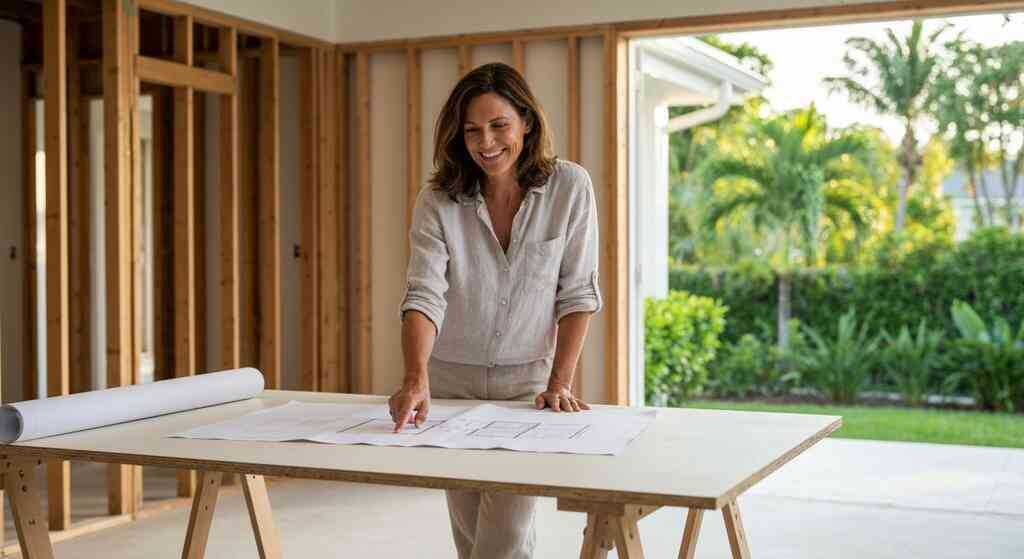
Building envelope moisture protection in a humid climate
The building envelope is the physical separator between the conditioned interior air and the hot, wet outdoor environment. Using high-quality vapor barriers and proper insulation techniques prevents condensation from forming behind your interior walls. In South Florida, moisture control is often more important than cold-weather insulation, as the humidity is our constant enemy. Your contractor must ensure that all gaps around windows, doors, and utility penetrations are sealed with appropriate materials. If you are planning for residential construction projects, emphasize these moisture-resistant strategies.
Effective ventilation is also key to keeping your home fresh and preventing the buildup of trapped moisture. Whole-house dehumidification systems are becoming a standard feature for new high-performance homes in our region. These systems work with your AC to maintain a comfortable indoor relative humidity, which is essential for comfort. By keeping your home dry, you protect your furniture, flooring, and structural materials from long-term decay. A properly sealed house is a healthier house, providing a much higher quality of life for your family.
Meeting energy efficiency building mandates for sustainable construction
Energy codes are becoming stricter every year to ensure that our new homes consume fewer resources over their lifespans. You will be required to meet minimum efficiency standards for your roof, wall insulation, and HVAC equipment. Utilizing high-efficiency windows and reflective roofing materials can dramatically reduce your home’s heat gain during the summer months. Many homeowners choose to go beyond the code requirements to achieve even greater energy savings and environmental impact. Your builder can help you calculate the long-term return on investment for various energy-saving upgrades.
Think about the orientation of your home and how window placement affects your cooling costs throughout the day. Strategic shading, such as deep overhangs or window tints, can make a massive difference in your daily energy usage. Using Delray Beach custom home as a starting point, look for builders who prioritize energy modeling and sustainable design principles. These steps create a home that is easier to manage, cheaper to run, and much more comfortable during the peak of summer. Efficiency is a smart financial strategy for your future.
Incorporating sustainable building materials into your home plans
Choosing sustainable materials for your home has a positive ripple effect, from reduced manufacturing impacts to better air quality. Many products are now available that are made from recycled content or sourced from responsibly managed forests. You should look for low-VOC paints and flooring options that contribute to a healthier indoor living environment. Renovation projects often use these same sustainable principles to improve existing structures. A conscious approach to material selection shows that you care about your home’s total footprint on the planet.
Consider the life cycle of the products you choose, prioritizing those that offer durability and low maintenance requirements. Materials like metal roofing or fiber-cement siding can last for decades while resisting the harsh coastal salt air. While some sustainable materials may have a higher initial cost, their longevity often justifies the investment. Your contractor can provide samples and help you compare options based on your personal budget and environmental goals. By choosing thoughtful materials, you create a beautiful space that aligns with your values.
Planning Your Project with Local Expertise
Planning a custom home requires a team that understands the specific challenges and rewards of building in South Florida. From the first sketch to the final punch list, your success depends on the professionals you invite into your project. Don’t be afraid to interview multiple firms to find the team that best understands your vision and goals. Relying on construction management will keep your project on a professional path. When you build with the right people, the experience becomes much more enjoyable and significantly less stressful.
Budgeting for your build with a renovation cost calculator
A construction budget is a living document that must account for materials, labor, permits, and professional design fees. It is wise to include a healthy contingency fund, usually around 10 to 15 percent, for the unexpected challenges that arise. You can use various online tools to get a baseline for your project, but always verify these numbers with local bids. Understanding the general contractor roles in Florida will help you see why certain professional services are worth the premium price. The cheapest quote is rarely the best deal when it comes to long-term home quality.
Track your spending carefully and demand regular updates from your project manager to avoid any last-minute surprises. If you are debating between finishes, look for local showrooms to compare product quality and price points directly. High-end materials like marble or impact-grade windows carry higher costs, but they also offer superior performance and value. Talk to your contractor about areas where you can save without sacrificing the core integrity of the home. Smart budgeting allows you to build the home you want without compromising your financial stability.
Finding the right team from Boca Raton remodelers to Miami general contractors
The right builder is someone who listens to your needs and communicates honestly about the realities of the construction process. Look for firms that have deep roots in the community and a portfolio of completed work similar to your vision. Whether you are looking for custom home design in Florida or a simple layout change, finding a team that shares your values is crucial. You should check references and visit some of their past project sites if possible. Don’t just look for a low price; look for a partner who takes pride in their craft and respects your investment.
Your contractor should be willing to share their approach to scheduling and how they handle potential delays in the supply chain. A good team will be proactive in their communication, letting you know about progress long before you have to ask. They should be familiar with the local permit offices and have a good working relationship with municipal officials. Having a strong local team makes the complex process of home improvement feel much more manageable. Trust your instincts when interviewing professionals and pick the team that makes you feel the most confident.
Ensuring your dream home meets all safety and zoning regulations
Before breaking ground, you must ensure your project fully aligns with local zoning ordinances regarding height, setbacks, and land use. Every city and county has its own set of rules that dictate what you can and cannot build on your property. Your architect and contractor will verify these regulations as they draft your blueprints and submit your permit applications. This attention to detail prevents future legal battles and ensures your home is a permanent, compliant addition to your neighborhood. Zoning compliance is just as vital as structural code compliance for your long-term ownership.
Remember that regulations are there to ensure that your home and your neighborhood remain safe and attractive for years to come. When you embrace these standards, you are showing respect for the community and ensuring your property value remains high. The peace of mind that comes from knowing your home is safe and fully permitted is priceless. Enjoy the process of designing your dream space while relying on your experts to handle the complex regulatory requirements.
Frequently Asked Questions
How much does a custom home build cost in South Florida right now?
The cost varies widely based on finishes, location, and complexity, typically ranging from $300 to over $600 per square foot. Factors like lot preparation, foundation requirements in flood zones, and high-end impact window packages contribute significantly to the total investment. It is best to consult with a contractor to get a localized estimate for your specific neighborhood.
Do I need a permit for a interior remodeling project?
Yes, most interior renovations that involve electrical, plumbing, or structural changes require a permit from your local building department. This ensures that the work meets safety codes and is properly inspected to protect your property and family. Always check with your municipality before beginning any significant renovation work.
How do I verify if my contractor is properly licensed?
You can verify a contractor’s status by using the official website of the Florida Department of Business and Professional Regulation. Their online license search tool provides the current status, history of the license, and any reported disciplinary actions. Never rely solely on a verbal claim or a paper copy provided by the contractor without performing this independent verification.
Why are hurricane-proof windows so expensive?
These windows are engineered with specialized, heavy-duty frames and laminated impact-resistant glass designed to withstand high-velocity debris. The rigorous testing required to achieve a Miami-Dade Notice of Acceptance adds to the manufacturing and certification costs. However, they provide vital protection against catastrophic damage during storm events and often result in significant homeowners insurance discounts.
What is the benefit of a professional construction manager?
A professional construction manager handles the coordination of subcontractors, permit applications, scheduling, and budget tracking. They act as your primary point of contact and work to resolve problems before they delay the project. Their deep experience with local codes and inspectors is often the deciding factor in finishing a project on time and within budget.