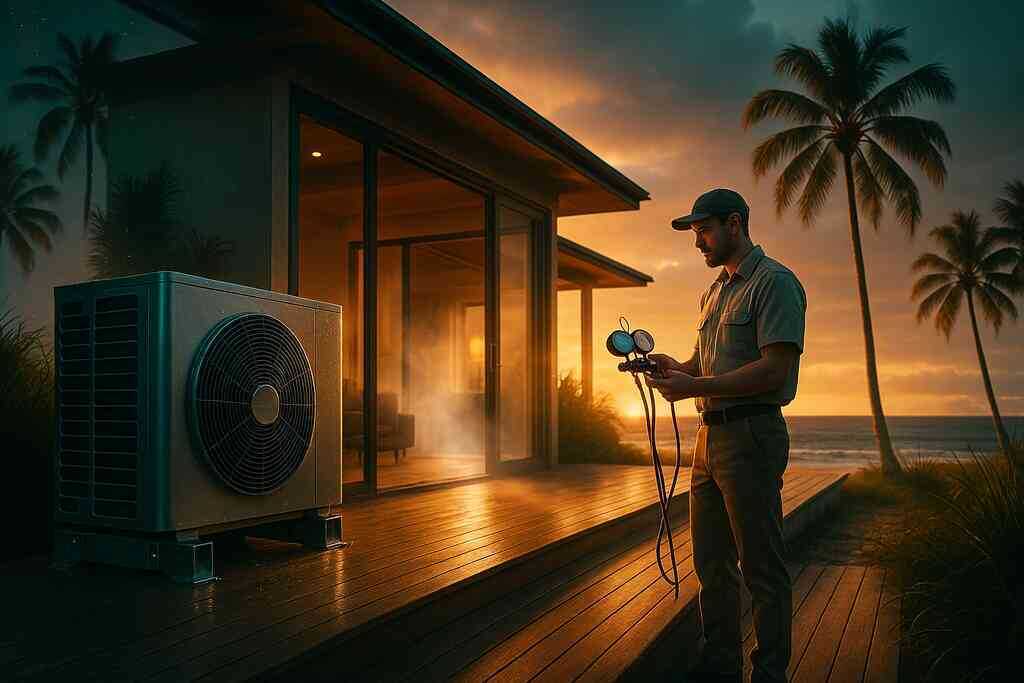
Top 5 Strategies for HVAC Excellence with Florida Experts
January 5, 2026
Opening the vents to South Florida HVAC mastery
Coastal climate realities that drive system design
The Atlantic and Gulf waters blanket neighborhoods from Boca Raton Remodelers’ projects to Delray Beach Construction Company builds with heat-laden vapor. That marine moisture sneaks through walls, raising indoor latent loads beyond what many out-of-state systems expect. Local South Florida general contractor teams therefore size equipment using climate-specific data, not generic spreadsheets. They specify coils with enhanced moisture removal while still meeting strict SEER targets. The result is stable comfort even when dew points soar.
Persistent sea breezes carry corrosive salt crystals that pit unprotected metals. Construction companies counter by specifying epoxy-coated condenser fins and stainless-steel fasteners. Equipment positioned on elevated pads avoids floodwater-induced failures. These coastal climate insights guide home builders in Florida seeking resilient, efficient results. When chosen early, such protective measures cost pennies compared to post-storm replacement.
Why partnering with a licensed South Florida contractor matters
Florida’s Building Code weaves hurricane strapping, wind-borne debris protection, and energy-efficiency mandates into every permit. A licensed contractor in South Florida knows these rules cold, preventing costly stop-work orders. Their insurance coverage also safeguards property owners during risky crane lifts or refrigerant handling. Unlicensed labor may promise savings yet often violates permitting, leaving owners responsible for fines.
Licensed specialists coordinate seamlessly with construction services and renovation timelines, minimizing project drift. They liaise with utility rebate programs, unlocking incentives for high-efficiency heat pumps. Finally, vetted contractors maintain ongoing education, so they deploy cutting-edge variable-speed technology instead of yesterday’s fixed-speed compressors. In short, licensure protects wallets, schedules, and indoor air quality.
Directory quick tip finding HVAC pros near you
Scrolling through random search results can overwhelm anyone typing “HVAC near me.” Instead, simplify the hunt by opening the HVAC contractor directory in South Florida for vetted names, phone numbers, and customer reviews.
The platform sorts listings by proximity, allowing you to compare Delray Beach HVAC specialists near the coast against Boca Raton HVAC retrofit professionals on call. Filter by project scope-new construction, remodeling, or preventive maintenance-to see only relevant teams. One click reveals licensing status, insurance proof, and service specialties. That transparency empowers homeowners to decide fast, keeping remodel momentum alive.
Emerging eco friendly refrigerants shaping installations
Regulations are phasing out high-GWP refrigerants, nudging contractors toward greener blends with lower environmental impact. South Florida installers already specify R-454B or R-32 in new units, balancing sustainability against performance. These modern blends carry distinct pressure curves, so equipment calibration demands certified technicians.
Contractor education ensures charge accuracy, which maximizes SEER ratings and combats notorious Florida humidity. Because flammability classifications differ, licensed crews follow revised safety protocols during brazing and leak checks. Early adoption protects homeowners from future retrofit costs while shrinking carbon footprints. Forward-thinking South Florida contractors thus turn policy shifts into homeowner wins.
1) Precision load calculations and SEER smart system matching
Manual J math for coastal comfort and energy savings
Coastal homes cannot rely on rough thumb rules. Manual J load calculations give numbers anchored in real physics. Experienced South Florida contractor teams gather infiltration, orientation, and occupancy data before clicking any dropdown. That disciplined process ensures South Florida HVAC energy optimization and prevents oversizing that breeds humidity. Precise load calculation for Florida home builders also protects budgets because equipment matched to need costs less upfront.
Latent heat overwhelms many coastal systems once summer storms blow in. Manual J factors dew-point swings, insulation age, and window U-values on Boynton Beach or Boca Raton projects. By modelling hourly peaks, general contractors in South Florida size coils to remove moisture even when temperatures dip at night. Right-sized equipment short-cycles less, so rooms stay quieter and bills shrink. Builders who skip these calculations often chase callbacks because sweaty occupants quickly notice mistakes.
High SEER rated system selection tips for Delray Beach remodels
Once the load number is locked, system efficiency becomes the next mission. Delray Beach Construction Company clients crave high SEER ratings that tame electric bills without sacrificing cool air delivery. Choosing equipment above code minimum drives tax credits and utility rebates that South Florida general contractor teams secure during permitting. However, efficiency curves shift when humidity climbs, so contractors verify sensible heat ratios before approving product submittals. They avoid flashy units that look efficient on paper yet fail to wring moisture from salty air.
West Palm Beach renovations sometimes demand ductless heat pumps to meet architectural constraints. By contrast, Boca Raton renovation contractor crews prefer central variable-speed systems for expansive estates. Regardless of format, high SEER equipment must integrate with smart thermostats that modulate airflow as clouds pass overhead. Contractors calibrate total external static pressure, making sure ratings observed in labs survive real attic ductwork. Home builders in Florida also schedule blower door tests, confirming low leakage so the advertised efficiencies materialize. That diligence yields faster payback and boosts resale value because buyers trust documented performance.
Variable speed air handler benefits explained near you
Variable-speed air handlers adjust blower revolutions in tiny increments, matching load fluctuations rather than blasting full power every minute. This modulation keeps evaporator coils colder longer, improving humidity control best practices in Florida while slashing noise. Residents searching for “HVAC near me” often choose these systems after experiencing uneven temperatures with legacy equipment. General contractors in South Florida appreciate flexibility because one unit gracefully handles mild spring mornings and sweltering August afternoons. Lower amperage draw also reduces demand charges on commercial meters, an often overlooked cost driver.
Energy recovery ventilators pair elegantly with variable blowers, allowing balanced fresh air without pressurization issues that create wall condensation. Construction services teams integrate both devices on a shared communication bus, so fan speed rises when sensors detect cooking fumes. The result is indoor air quality improvement specialists labeling these homes as top performers in post-occupancy audits. Homeowners notice fewer allergy flare-ups and whisper-quiet operation, delivering premium value that offsets initial investment. Insurance providers sometimes even apply discounts because slower fans reduce start-up current that stresses breakers.
Leveraging South Florida Contractors to source HVAC load experts
Finding a load-calculation specialist should never feel like a scavenger hunt. Open the quick search tool for Florida contractors nearby to filter by “HVAC Design” and zip code in seconds. The directory returns professionals with RESNET or NATE credentials, assuring you that Manual J reports withstand code review. Review portfolios that showcase Boynton Beach remodelers replacing oversized equipment with right-sized heat pumps. Comparing multiple quotes also keeps bids honest, a crucial step when homeowner associations scrutinize budgets.
South Florida Contractors advisors further connect users with rebate coordinators who navigate paperwork while systems ship. They direct general contractors toward energy-efficient HVAC tactics for humid climates so projected savings align with measured performance. Because each listing displays licensing and insurance data, owners avoid risky hires that might void warranties. Many listings include customer testimonials praising punctual permit submissions and respectful job-site behavior. Those real stories foster trust, shortening the path from research to signed proposals.
2) Advanced dehumidification and humidity control best practices
Dynamic indoor air quality improvement strategies
South Florida contractor teams start every humidity conversation with airtight building diagnostics. They deploy data-loggers that track dew point swings room by room, revealing invisible moisture highways. Armed with numbers, indoor air quality improvement specialists specify balanced ventilation and sealed return chases, stopping humid air before it condenses. Next, variable-speed blowers slow airflow just enough to deepen coil temperatures, wringing latent heat without overcooling the space. This proactive method embodies humidity control best practices in Florida while slashing energy waste.
Residents often overlook furniture placement, but airflow obstruction silently fuels mold blooms. Contractors therefore map grille throw distances, ensuring conditioned air washes across exterior walls. They recommend low-permeance interior paints that resist diffusion when afternoon storms drive vapor inward. Finally, smart thermostats integrate with paired humidistats, sending alerts if relative humidity creeps above critical thresholds. Immediate homeowner action prevents drywall saturation and sustains comfort year-round.
Energy recovery ventilator installation services to battle mold
An energy recovery ventilator, or ERV, captures exhaust energy that standard vents waste. By pre-conditioning incoming air, ERVs stabilize temperatures and humidity before the airstream reaches sensitive occupants. South Florida general contractor crews mount these boxes in attics, routing dedicated ductwork to keep supply paths short and efficient. Because the core transfers moisture as well as heat, interior relative humidity stays below mold-friendly levels even during steamy evenings. Clients enjoy fresh air without the penalty of higher cooling loads.
Proper commissioning separates a silent ERV from a noisy energy hog. Technicians balance airflow with digital manometers, matching cubic feet per minute to Manual D duct design. They also sync fan runtimes with variable-speed air handlers, preventing pressure imbalances that might draw allergens through wall cavities. Maintenance plans include core cleaning every season, ensuring bio-films never colonize moist surfaces. This disciplined approach delivers long-term indoor air quality gains alongside energy savings.
Zoned dehumidifiers for Boca Raton renovation contractor projects
Coastal estates often showcase sprawling wings, each with unique occupancy patterns. Zoned dehumidifiers let Boca Raton renovation contractor teams manage those microclimates separately, boosting efficiency. For example, a guest suite may stay empty for weeks, so its unit idles until sensors detect moisture spikes. Meanwhile, the main living zone operates steadily, avoiding the odor buildup that troubles vacation properties.
Installation details matter because oversights invite leaks and warranty voids. Engineers size condensate pumps for long discharge runs, preventing backups during afternoon downpours. They insulate refrigerant lines against attic heat, keeping suction temperatures stable. In hurricane zones, West Palm Beach hurricane-ready HVAC crews elevate equipment on storm-rated stands, safeguarding electronics from flood surges. The result is resilient, zone-focused moisture control that preserves art collections and hardwood floors alike.
Allergy friendly advanced filtration paired with humidity balance
Even perfectly dry air can irritate sinuses if particulates linger. Therefore, South Florida HVAC energy optimization plans pair dehumidifiers with MERV-13 or higher media filters. These cartridges capture pollen, dust mites, and pet dander that otherwise float unchecked through return paths. Because lower relative humidity desiccates allergens, filtration effectiveness rises; particles become lighter and easier to trap.
Contractors further enhance protection with ultraviolet germicidal irradiation mounted downstream of evaporator coils. UV-C lamps disrupt microbial DNA, stopping spores before they colonize drain pans. Home builders in Florida appreciate that the lamps consume minimal power yet extend coil life by reducing biofilm insulation. Finally, maintenance scheduling software emails reminders for filter swaps, aligning with preventive HVAC maintenance scheduling already in place. A balanced, filtered, and sanitized air stream keeps families breathing easy regardless of outdoor weather swings.
 3) Contractor grade duct sealing and zoning integration
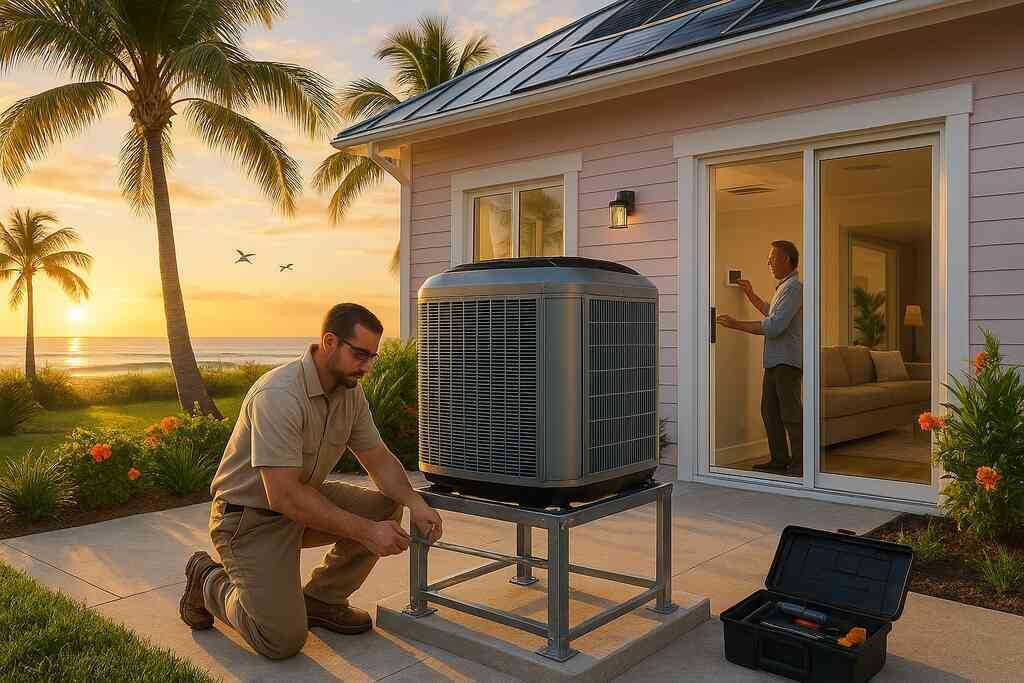 3) Contractor grade duct sealing and zoning integration
Aeroseal and mastic contractor grade duct sealing solutions
Aerodynamic leaks can waste more than thirty percent of conditioned air before it reaches living spaces. South Florida contractor crews combat that loss with Aeroseal aerosol injections that plug pinholes from the inside. For larger gaps, skilled technicians brush on thick mastic, creating a permanent, flexible seal around joints. Because they combine both products, systems maintain static pressure even when dew points climb. Homeowners exploring innovative HVAC technologies boosting Florida comfort quickly learn that sealing first maximizes every future upgrade.
Before any sealant cures, general contractors in South Florida run duct blaster tests to document leakage rates. They photograph manometer readings and attach reports to permit packets, satisfying inspectors without delays. Next, crews insulate sealed trunks, preventing solar-heated attics from reheating supply air. That extra step protects humidity control best practices in Florida by keeping coil temperatures low. Finally, clear labels on every plenum help future technicians identify materials, ensuring compatible repairs years later.
Zoning system design for Delray Beach remodels and new builds
Delray Beach Construction Company planners divide sprawling floor plans into climate zones based on orientation, occupancy, and glass exposure. Low-voltage dampers then channel air precisely, allowing nursery rooms to stay cooler than sun-baked kitchens. South Florida general contractor teams integrate smart thermostats that coordinate damper positions with variable-speed air handlers. When clouds roll in, airflow shifts automatically, preventing overcooling while preserving comfort. That responsive zoning slashes energy use during shoulder seasons when load diversity peaks.
During new builds, designers reserve straight runs for main trunks and locate bypass dampers away from bedrooms. Remodelers retrofitting heritage homes, however, often snake around ducts through tight soffits to preserve architecture. In both cases, balancing dampers receive colored tags, simplifying future commissioning. Contractors model pressure drops with Manual D software, guaranteeing that each branch meets CFM targets. Those calculations avoid whistling grilles and ensure high-efficiency heat pump upgrades near me deliver published SEER values.
Noise reduction techniques through duct redesign
Unwanted roar from rattling ducts undermines even the best humidity control strategies. Technicians therefore replace thin metal elbows with lined radius fittings that slow turbulent air. Flexible connectors isolate blower vibration from rigid trunks, preventing bass notes from resonating through studs. In Boca Raton renovation contractor projects, acoustic insulation wraps keep movie theaters whisper-quiet during peak cooling. Meanwhile, balancing dampers fine-tune velocity, removing jet-like blasts at supply grilles.
When estates expand, contractors upsize return paths rather than simply boosting blower speed. That approach maintains low static pressure and cuts motor amperage, extending equipment life. Perforated return plenums further distribute suction, muting the telltale whoosh under bedroom doors. South Florida HVAC energy optimization audits measure decibel levels before sign-off, proving tangible comfort gains. Owners quickly notice conversations no longer compete with their air conditioner.
Licensing compliance checkpoints for HVAC airflow alterations
Florida’s Mechanical Code treats ductwork as structural airflow infrastructure, so modifications require clear documentation. Licensed general contractors across the South Florida region coordinate with mechanical engineers to submit revised load calculations when zones change. Inspectors look for stamped drawings, damper schedules, and fire-rated penetration details before approving drywall closure. Crews also record refrigerant charge after airflow tweaks, ensuring evaporator superheat stays within manufacturer limits. Neglecting those checkpoints voids warranties and invites costly callbacks.
Savvy home builders in Florida schedule mid-project inspections to catch routing issues while ceilings remain open. They verify that mastic meets ASTM C1712 standards and that Aeroseal usage follows EPA guidelines. Updated manuals inside the air handler cabinet list new filter sizes and pressure setpoints, satisfying future maintenance crews. Finally, documentation uploads to the South Florida Contractors portal keep homeowner records organized and accessible near you. That transparent workflow builds trust and strengthens the region’s reputation for code-compliant excellence.
4) Solar ready high efficiency heat pump retrofits
High efficiency heat pump upgrades near me for net zero aims
Homeowners chasing net-zero targets begin by swapping dated condensers for inverter-driven, high-efficiency heat pump upgrades near me. These models sip power yet deliver full capacity even when wet coastal air challenges coils. Variable-speed compressors ramp gently, which improves humidity removal and slashes peak demand charges. Because savings multiply when paired with envelope improvements, contractors study the blueprint for energy-smart buildings in South Florida construction before recommending equipment. Aligning mechanical choices with insulation, glazing, and shading ensures real-world payback matches glossy brochures.
Locating a vetted installer no longer requires endless scrolling; the South Florida Contractors directory lists Boca Raton, Boynton Beach, and Delray Beach teams in seconds. Coastal residents often compare bids from Boca Raton HVAC retrofit professionals on call to ensure competitive pricing and warranty depth. Qualified crews calculate total external static pressure, then resize return plenums so published SEER numbers survive attic friction. They also document refrigerant charge, blower RPM, and thermostat calibration for code compliance. Those verified metrics reassure lenders offering green-energy financing packages.
Eco-friendly refrigerant transitions without performance loss
Regulations phasing out legacy R-410A push Florida builders toward low-GWP blends that protect the reef-rich coastline. Certified technicians must balance different pressure curves while safeguarding capacity, especially during sticky summers. Early design meetings therefore examine oil compatibility, compressor modulation, and evaporator sizing. Contractors lean on guides for navigating coastal codes for HVAC upgrades in Florida to avoid inspection delays. Clear documentation keeps projects moving and preserves homeowner tax credits.
Switching refrigerants also changes flammability classifications, so safety rules shift. A full-service RENOVA contractor support for the HVAC renovations team trains crews to purge lines with inert gas and install spark-protected disconnects. They label service ports, ensuring future technicians recharge with the correct blends. Because latent load dominates coastal design, installers verify sensible heat ratios after the swap. This disciplined approach delivers greener cooling without sweaty callbacks.
Solar PV integration wiring paths for future ready installs
Solar-ready HVAC retrofits start with conduit runs that bridge attics, inverters, and air handlers before drywall closes. Experienced designers coordinate breaker sizing, disconnect placement, and communications wiring so PV arrays talk to heat-pump inverters. Homeowners exploring decarbonization often consult West Palm Beach renovation pros for solar-ready HVAC systems to map expansion phases. Leaving stubbed junction boxes today saves costly demolition when panels arrive later. Surge protection devices meanwhile defend sensitive boards against afternoon thunderstorms.
Advanced controllers share real-time wattage data with smart thermostats, allowing load shifting when clouds roll away. Batteries charge during midday peaks, then power compressors through humid evenings, achieving solar-ready HVAC retrofits that feel seamless. Integrators also plan roof penetrations using hurricane-rated flashing to stop leaks. Finally, homeowners receive commissioning reports that outline photovoltaic compatibility, grid-tie settings, and future inverter firmware paths. Documentation preserves warranty coverage and boosts resale value.
Hurricane resilient HVAC installation guidelines from West Palm Beach experts
Coastal codes demand elevated pads, stainless fasteners, and vibration-isolating stands that survive debris-laden winds. Technicians follow the 2025 hurricane code readiness for HVAC systems to select strapping hardware rated beyond the current gust maps. Electrical whips feature flexible metallic conduit that bends without tearing seals, preventing saltwater intrusion. Crews anchor condensers above historical surge lines, protecting boards that orchestrate variable-speed operation. Those steps keep families cool even when neighboring units lie twisted in driveways.
Resilience continues with smart sensors that send low-refrigerant or flood alerts before failure. Homeowners track metrics through apps linked to industry news via the South Florida contractors blog hub for maintenance reminders and storm preparation checklists. Contractors schedule preseason inspections to tighten lugs, clear drains, and verify generator transfer switches. After storms, rapid-response teams restore airflow while insurance adjusters review photo-documented conditions. This proactive strategy transforms potential disasters into routine service calls.
5) Smart automation and predictive maintenance for hurricane resilience
Smart thermostat integration in South Florida homes for energy savings
Smart thermostats now form the digital brain of South Florida HVAC energy optimization. They learn occupancy patterns and shift setpoints quietly while families sleep. Because coastal humidity changes hourly, adaptive algorithms fine-tune blower speed to maintain ideal dew points. That constant calibration supports variable-speed air handler benefits without annoying short cycles. Energy bills drop, yet comfort remains steady through muggy dawns.
Contractors pair thermostats with indoor air quality sensors that track particulate spikes from nearby roads. When sensors detect pollution, systems enter purification mode rather than only cooling. The thermostat triggers higher MERV filtration and slows fans for longer coil contact. This seamless orchestration shows how smart home HVAC automation trends protect lungs and wallets simultaneously. Owners enjoy an intuitive dashboard that visualizes savings in real time.
Preventive HVAC maintenance scheduling through IoT alerts
Predictive analytics converted reactive service calls into proactive care. Embedded vibration monitors detect compressor wear weeks before failure threatens hurricane readiness. Once anomalies are registered, cloud platforms schedule appointments automatically, embodying preventive HVAC maintenance scheduling made practical. Homeowners receive alerts on phones, allowing convenient rescheduling if needed. Service vans arrive stocked with exact replacement boards, eliminating repeat visits.
IoT dashboards also consolidate condensate level data, blower RPM trends, and refrigerant pressures. Algorithms flag deviations that compromise humidity control best practices in Florida. Contractors then dispatch technicians to adjust the charge or clear drains before mildew appears. This data-driven methodology reduces emergency rates and extends equipment life. Ultimately, predictive maintenance preserves system efficiency despite relentless salt air.
Emergency AC repair best practices during storm season
When storms cut power, surge-protected disconnects safeguard circuit boards waiting for generator transfer. Technicians advise clients to shut the thermostats off until voltage stabilizes, preventing locked compressors. After power returns, a controlled restart sequence lowers the inrush current that could trip weakened breakers. Crews verify refrigerant subcooling, ensuring coils do not leak during vibration events. These emergency AC repair best practices keep families calm while winds howl outside.
Field teams also prioritize flooded units positioned at ground level. They photograph damage for insurance and elevate components on temporary stands. Quick drying and board replacement stop corrosion before it spreads. Owners receive digital reports detailing hurricane-resilient HVAC installation guidelines already followed. Documented diligence strengthens future claims and validates service quality.
HVAC tax incentive consultation services for smart upgrades
Energy regulators reward residents who invest in high-efficiency heat pump upgrades near me combined with automation. Yet paperwork deters many homeowners. Experienced consultants translate technical specs into rebate forms, securing checks that offset smart thermostat costs. They calculate peak demand reductions to unlock additional utility incentives. Clients often recover significant percentages of project outlay.
Consultants also track evolving credits for solar-ready HVAC retrofits. By bundling battery integration with predictive controls, owners access layered incentives otherwise missed. Schedules align with project management fundamentals in construction for HVAC retrofits, so tax windows are never lost. Transparent summaries show expected payback timelines, guiding confident investment decisions. Expertise converts confusing policies into tangible savings.
South Florida contractor project coordination with remodeling timelines
Smart automation equipment must dovetail with drywall schedules, cabinet installs, and paint curing. Experienced coordinators create Gantt charts that sequence thermostat wiring before wall closure. They communicate sensor locations to electricians, preventing conflicts with lighting circuits. This tight choreography minimizes change orders and keeps remodeling on track.
Homeowners gain further assurance by hiring licensed general contractors across the South Florida region. These professionals vet subcontractors, verify permits, and synchronize deliveries when storms delay shipping lanes. Integration meetings review zoning system design and app setup, ensuring occupants understand new technology. Final walkthroughs include live demonstrations of humidity alerts and storm shutdown protocols. Coordinated execution delivers flawless automation that endures coastal challenges.
From planning to performance sustaining HVAC excellence
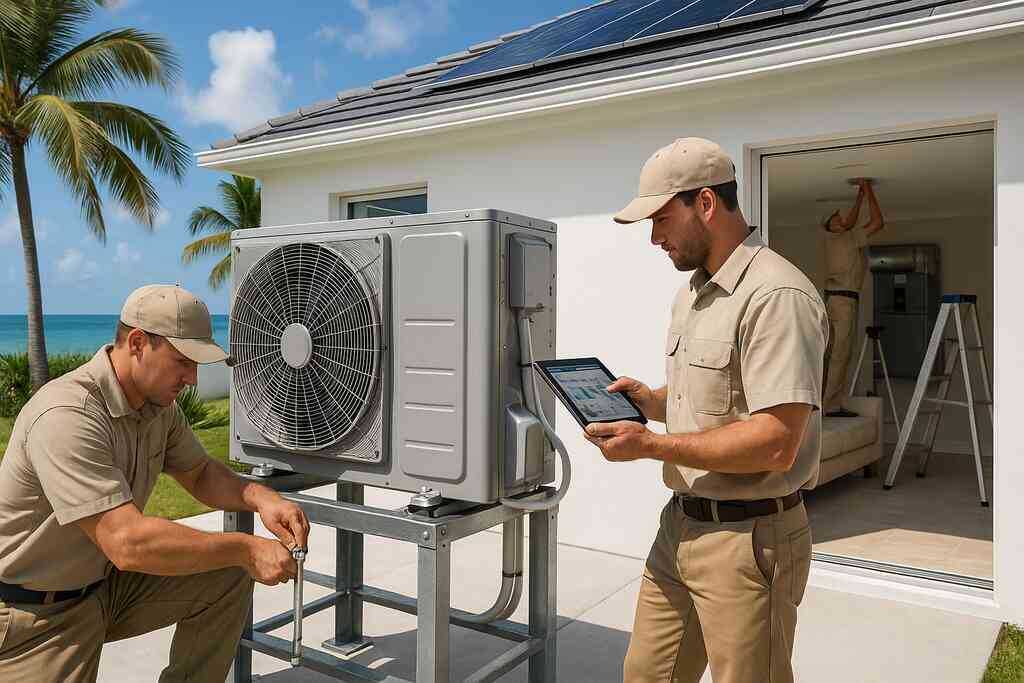 From planning to performance sustaining HVAC excellence
Recap of the top five strategies for homeowners and builders
Every successful South Florida HVAC energy optimization journey begins with precise load math, followed quickly by smart SEER equipment matching. Those first two strategies prevent oversizing, improve humidity control best practices in Florida, and lower monthly bills. Next, advanced dehumidification paired with balanced ventilation stops mold before it starts while safeguarding valuable finishes. Fourth, contractor-grade duct sealing solutions and thoughtful zoning direct conditioned air exactly where occupants need it, slashing waste. Finally, solar-ready high-efficiency heat pump upgrades near me and predictive automation future-proof coastal properties against rising utility costs.
Together, these five strategies create a holistic roadmap any South Florida contractor can deliver. Builders gain happier clients because spaces feel consistently comfortable, even during late-afternoon thunderstorms. Homeowners notice quieter operation, steadier temperatures, and markedly cleaner indoor air thanks to certified indoor air quality improvement specialists. Insurance carriers appreciate hurricane-resilient HVAC installation guidelines that reduce claims after storms. Real estate agents later highlight documented efficiency during showings, elevating resale value without expensive staging tricks.
Next steps to connect with a South Florida general contractor
Moving from theory to action starts with choosing a vetted South Florida general contractor who already speaks the language of Manual J reports and variable-speed compressors. Open the South Florida Contractors Directory, filter by specialty, and review license numbers displayed beside company names. Detailed profiles reveal past projects, customer testimonials, and insurance certificates, providing confidence before you ever pick up the phone. This transparency empowers property managers and first-time homeowners alike to compare multiple bids on equal footing. It also discourages unlicensed operators who may underprice but later vanish when warranty issues arise.
When your shortlist feels solid, schedule site visits so pros can gather attic measurements, duct photos, and infiltration readings. Show them renovation plans or new-build drawings to streamline permitting. Ask clear questions about lead times, rebate assistance, and smart thermostat integration in South Florida homes. Experienced firms explain staging, debris control, and communication channels up front, which reduces surprises. Final proposals should outline equipment specifications, timeline milestones, and payment schedules tied to verifiable progress.
Using the Find HVAC feature to secure preventive service plans
After installation, long-term reliability depends on disciplined preventive HVAC maintenance scheduling rather than reactive emergency calls. The directory’s Find HVAC filter lists technicians who offer membership packages with seasonal inspections, coil cleanings, and firmware updates. Many plans include priority hurricane season response, an invaluable perk when the forecast shifts suddenly. Clear pricing and scope details appear on each listing, letting you compare apples to apples before signing. Such upfront clarity removes guesswork and keeps budgets predictable.
Homeowners in coastal zip codes can further refine searches by selecting humidity management or indoor air quality add-ons. Companies specializing in leak detection, refrigerant charge optimization, and duct camera scans display those credentials prominently. Selecting one of these specialists ensures sensors stay calibrated, filters change on schedule, and condensate lines remain clear. The extra diligence sustains design performance and extends warranties, protecting the investment you just made.
Future trends in coastal climate air conditioning strategies
Engineering teams already test next-generation refrigerants with even lower global warming potential while maintaining strong latent capacity. Concurrently, micro-inverter heat pumps integrate directly with rooftop solar panels to create appliance-level energy balancing. Builders should anticipate wiring pathways and equipment footprints now, so future upgrades remain simple. Adaptive algorithms will soon pull real-time weather data and utility rates to modulate compressor speed minute by minute. Those capabilities promise deeper savings without sacrificing comfort.
Research also shows movable shading devices and phase-change materials reducing envelope loads, which lets mechanical systems downsize further. Coastal climate air conditioning strategies will therefore blend architecture, materials science, and data analytics into one resilient ecosystem. Partnering today with Delray Beach HVAC specialists near the coast positions property owners at the forefront of these innovations. Their firsthand exposure to salt, storm, and heat accelerates practical adoption of laboratory breakthroughs. Staying engaged with regional experts ensures each upgrade dovetails seamlessly with evolving building codes and utility incentives.
Frequently Asked Questions
Question: How do precise load calculations performed by South Florida Contractors improve HVAC energy optimization for coastal homes?
Answer: Unlike rule-of-thumb sizing, our listed general contractors in South Florida run full Manual J and Manual D reports that factor in local humidity, sea-salt infiltration, glass exposure, and occupancy patterns. That precision stops oversizing, which is the main culprit behind clammy rooms and soaring electric bills. When the load number is accurate, technicians can pair right-sized, high-SEER equipment with variable-speed air handler benefits, keeping energy use low and indoor comfort steady-even during sticky August afternoons.
Question: What makes variable-speed air handlers and zoning system design recommended in the Top 5 Strategies for HVAC Excellence with Florida Experts ideal for Delray Beach remodels?
Answer: Variable-speed blowers ramp up or down in tiny increments, allowing the coil to stay colder longer and wring out latent moisture that plagues coastal properties. When paired with smart zoning system design for Delray Beach remodels, each area of the house receives just the airflow it needs-nurseries stay cool, rarely-used guest suites idle, and glass-heavy kitchens avoid afternoon heat spikes. Together, these upgrades slash utility costs, quiet the system, and meet Florida contractor licensing compliance in HVAC projects.
Question: Can South Florida Contractors help me transition to eco-friendly refrigerants and high-efficiency heat pump upgrades near me without losing performance?
Answer: Absolutely. Our directory features Boca Raton HVAC retrofit experts and West Palm Beach HVAC performance audits teams that are already certified to handle R-454B and R-32 blends. They adjust charge levels, verify oil compatibility, and document pressures so your new low-GWP system maintains full latent capacity. Pairing those eco-friendly refrigerant transitions with inverter-driven, high-efficiency heat pump upgrades near you often unlocks federal tax credits and local utility rebates that our contractors will file on your behalf.
Question: How does contractor-grade duct sealing combined with advanced dehumidification protect indoor air quality in South Florida’s humid climate?
Answer: Leaky ducts dump up to 30 percent of conditioned air into hot attics, forcing systems to run longer and inviting mold-laden air into living spaces. South Florida Contractors’ crews apply Aeroseal aerosol injections and mastic to create airtight trunks, then add energy recovery ventilator installation services or dedicated dehumidifiers to keep relative humidity below 55 percent. The result is cleaner air, smaller energy bills, and allergy-friendly advanced filtration that keeps pollen and dust out of your lungs.
Question: What preventive HVAC maintenance scheduling and smart thermostat integration services do South Florida Contractors offer to make my system hurricane-resilient?
Answer: Many directory members bundle annual IoT-enabled service plans that monitor refrigerant pressure, blower RPM, and condensate levels. Predictive alerts schedule repairs before peak storm season, and smart thermostat integration in South Florida homes initiates safe-shutdown protocols during power outages. Technicians also elevate condensers on hurricane-rated stands and install surge protection to meet the latest hurricane-resilient HVAC installation guidelines, ensuring your family keeps cool and dry when the next storm rolls through.