
1) The shutter quote that looks cheap until the permit and hardware show up
A lot of South Florida homeowners get that first shutter quote and feel relief. Then the questions start. If you are reading this because the number feels high, take a breath. The confusing part is real, especially when you are comparing a hurricane shutter contractor against a cheaper handyman-style estimate. The price often changes once permit drawings, fastening schedules, and coastal-grade hardware are added. If you want to find a contractor in South Florida, start by comparing scope, not just the bottom line.
What is actually included in a hurricane shutter contractor estimate for South Florida
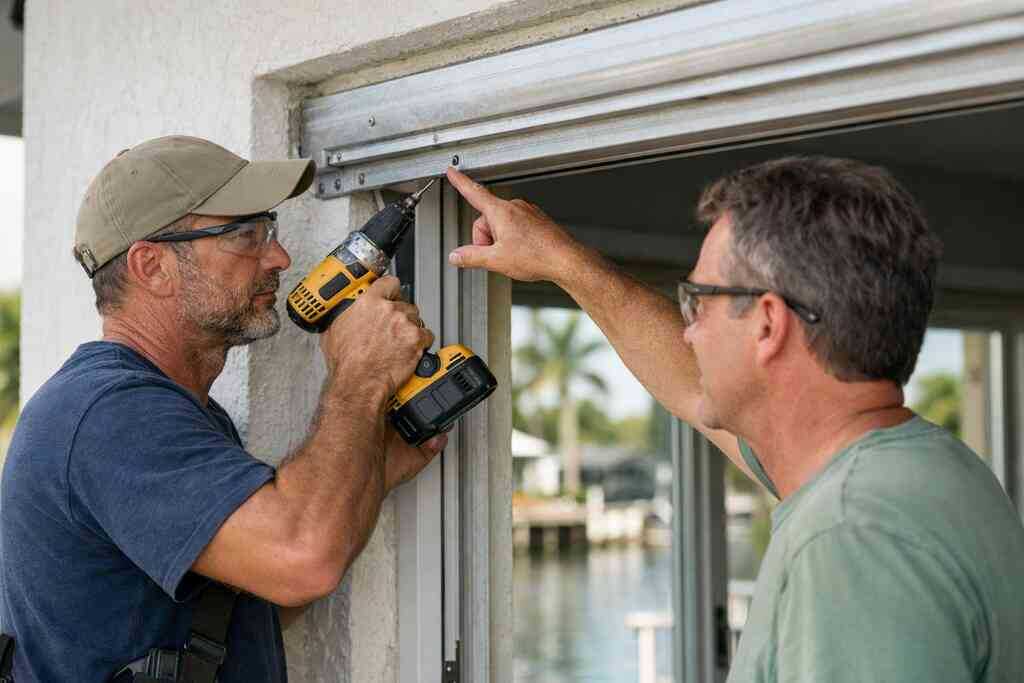
A serious estimate should spell out more than panels and labor. You should see measurements, attachment details, hardware type, cleanup, and permit support. In South Florida, that matters because exterior opening protection has to meet hurricane-code requirements, not just look sturdy. A real bid also clarifies whether the contractor is handling wind load engineering, site verification, and final inspection coordination. If those items are vague, the price is probably incomplete.
The best estimates also identify whether the contractor is a licensed contractor in Palm Beach County, a licensed contractor in Broward County, or a licensed contractor in Miami-Dade that a homeowner can actually verify. That matters more than most people realize. A polished proposal can still hide weak scope language. You want clarity on who supplies shutters, who supplies anchors, and who pulls permits. That is how you avoid expensive surprises later.
Which line items usually hide the real cost of shutter installation South Florida
Here is the part most homeowners miss. The real cost often hides in small words. Those words include demo, anchoring, trim work, caulking, corrosion-resistant fasteners, and upgraded tracks. A quote can look low because it assumes easy access and standard materials. Then the installer arrives and discovers a thicker substrate, a tricky lintel, or a wider opening.
One client in a coastal Broward neighborhood had a simple-looking lanai opening. The quote changed after the crew confirmed the mounting surface needed reinforcement and better stainless hardware. That change was not a scam. It was reality. South Florida homes age differently near salt air, wind, and sun. Cheap quotes often ignore that.
Why hurricane code compliance and coastal hardware change the price on oceanfront and waterfront homes
Oceanfront and waterfront homes usually need more than standard parts. Salt air chews through inferior hardware fast. Wind exposure is harsher too, especially on buildings closer to the Intracoastal or open water. That is why coastal hardware upgrade language matters in the proposal. Better materials cost more, but they help the system last and perform under storm pressure.
You may also hear about approved shutter systems, wind-borne debris protection, and corrosion resistance. Those are not marketing phrases. They are practical requirements for many South Florida homes. When a contractor skips them, the quote drops. So does the protection. If your home sits near the coast, ask direct questions about material grades and fastening methods before you sign.
How Palm Beach County permit, Broward County permit, and Miami-Dade permit requirements can reshape the scope
Permit rules can change the job before work begins. That is normal in South Florida. A Palm Beach County permit, Broward County permit, or Miami-Dade permit may require drawings, product approvals, and specific installation details. The scope can expand if the opening size, substrate, or shutter style needs review. That is why permit-ready bidding matters.
For homeowners comparing hurricane shutter installation South Florida, the permit process should be part of the conversation from day one. Do not let anyone suggest skipping it. Permits protect you, your home value, and your resale paperwork. They also reduce the chance of inspection trouble later. In this region, permit shortcuts usually become expensive detours.
When a low bid means missing wind load engineering, shutter rail anchoring, or corrosion resistance
If a quote is far below the others, look closely. It may be missing wind load engineering, shutter rail anchoring, or fasteners built for salty air. It may also omit the labor needed for uneven stucco, tile edges, or older framing. Those omissions matter because exterior opening protection is only as strong as the attachment. The panel itself is not the whole system.
I have seen homeowners chase the lowest number and pay twice. First for the installation. Then for corrections. The smarter move is simple. Compare what is included, what is excluded, and what must pass inspection. If the contractor cannot explain those pieces clearly, keep looking.
2) Accordion shutters or roll-down shutters for a South Florida home
This is one of the most common decisions South Florida homeowners face. It is also one of the most personal. Some people want speed. Some want cleaner sightlines. Some want lower maintenance. There is no universal best answer. The right choice depends on your openings, your budget, and how often you want to use the system outside storm season. A strong hurricane shutter contractor in South Florida should explain the tradeoffs plainly.
Which homes fit accordion shutters and which need a different storm protection contractor approach
Accordion shutters work well on many standard openings. They are often practical for bedrooms, smaller windows, and homes where storage space is limited. They fold neatly and can be easier to deploy than removable panels. That convenience matters when a storm approaches and everyone is busy. Still, they are not ideal for every opening.
Larger spans, complicated architecture, and luxury waterfront homes can call for a different approach. A storm protection contractor may recommend a mixed system instead of a one-size-fits-all answer. That is normal. On some homes, the façade, railing layout, or exposure zone changes the decision. You want a contractor who looks at the home, not just the product brochure.
When roll-down shutters make more sense for garages, lanais, and larger openings
Roll-down shutters often shine on large openings. Think garages, lanais, wide sliders, and patio spaces. They offer a cleaner finish and faster operation. They also help when the opening is too broad for practical panel handling. For many South Florida families, that convenience is worth the higher upfront cost.
One homeowner near a Miami-Dade coastal corridor chose roll-down units for a lanai and garage. The result was easier daily use and less storage clutter. The installation took careful coordination because the opening widths were large and the attachment points needed exact placement. That is the pattern. Bigger convenience usually means bigger planning. It is still manageable when the contractor knows the local code expectations.
How exterior opening protection affects daily use, curb appeal, and storage space
People focus on storm performance first. They should. But daily living matters too. Accordion shutters can add visible hardware to the façade. Roll-down shutters can reduce that visual impact. Removable storm panels may look cleaner when stored, yet they demand space and effort. Your choice affects how your home looks on a calm day, not just before a storm.
That is why South Florida building codes for exterior opening protection should be discussed alongside lifestyle. If your garage is packed with bikes, beach gear, and holiday bins, storage matters. If you care about curb appeal, visual bulk matters. If your household wants fast deployment, ease of use matters. The right system balances all three.
What homeowners near the coast should ask about approved shutter systems and coastal hardware upgrade
Coastal homeowners should ask two things first. Is the shutter system approved for your exposure and opening type? Are the fasteners and tracks built for salt air? Those questions matter because a beautiful product can still fail if the hardware corrodes. The coastal environment punishes shortcuts quickly.
Ask about stainless or coated fasteners, track strength, and maintenance. Ask whether the product is an approved shutter system for your jurisdiction. Ask if the installer recommends a coastal hardware upgrade for your location. Those are not small details. They are the difference between a shutter that lasts and one that becomes a recurring headache.
Where HOA approval for shutters can complicate the final choice in condo and townhome communities
HOA rules can slow the process more than the weather does. In condo and townhome communities, exterior appearance matters to the board. That means shutter color, visibility, and system type may need approval. If you live in a shared community, do not buy first and ask later. That is a fast way to waste money.
For homeowners dealing with HOA approval for shutters in South Florida condo renovation, the board packet should be part of the schedule. Some communities want product sheets, color samples, and installation drawings. Others want written confirmation that the system meets community standards. A good contractor will respect that process instead of pushing you to ignore it. That patience saves time.
3) Impact windows versus shutters when the real goal is hurricane code compliance
This is where many homeowners get stuck. They think they must choose one path forever. That is not always true. Some homes do better with shutters. Others benefit more from impact glass. Many properties need a mix. The right answer depends on your openings, your budget, and how you use the home every day. For a broader view, a hurricane impact window installer in South Florida can help you compare the options honestly.
When a hurricane impact window installer South Florida is the better path than shutters alone
Impact windows make sense when you want permanent protection without exterior deployment. They are often a strong fit for families who travel, work long hours, or want less storm prep stress. They also help when the home has too many openings for practical shutter use. In those cases, shutters alone can become a burden.
Still, impact windows are not the perfect answer for every opening. Some large spans, specialty shapes, or garage entries may still need shutters. That is why mixed protection plans exist. A smart contractor should tell you where impact glass helps most and where shutters remain the better solution.
How impact-rated openings change comfort, noise, and energy efficiency in hot South Florida weather
Impact-rated openings do more than protect against storms. They can improve indoor comfort by reducing heat gain and outside noise. That matters in busy parts of South Florida, especially near traffic corridors or dense neighborhoods. You may notice fewer temperature swings and a quieter interior. Those benefits are real, not theoretical.
They can also support energy-efficient remodel goals. If you are working with an energy efficient remodeler South Florida homeowners trust, ask how impact glass fits the larger plan. It may help with cooling demand and everyday livability. That said, the product choice should still start with code compliance and performance. Comfort is a bonus, not the only goal.
What to confirm about impact window ratings before you sign anything
Do not sign until you understand the rating. Ask for the product approval, impact rating, and installation method. Ask whether the frame and glass are approved as a system. Ask if the rating matches your exposure category and opening size. A window is not truly impact-rated if the paperwork does not support the installation.
You should also ask about manufacturer instructions and warranty terms. Those details sound dull. They are not. They determine whether the product will pass inspection and perform under stress. A contractor who cannot explain them clearly is not ready for your job.
Why some homes still need shutters even after impact glass is installed
Some openings stay vulnerable even after impact windows go in. Large sliders, lanais, garage doors, and certain entry features often need separate protection. That is because impact glass does not solve every opening on the house. Exterior opening protection is a system, not a single purchase. Your home may need layered defense.
On the projects we have seen this year, the best results came from hybrid planning. Impact windows handled the main living areas. Shutters protected the biggest exposure points. That combination often feels more balanced than forcing one product everywhere. It also tends to fit real life better.
How Florida Building Code and local hurricane code compliance affect mixed protection plans
Mixed plans still have to satisfy the rules. The Florida Building Code 2026 expectations and local hurricane code compliance shape what you can combine and where. A contractor should confirm that all parts of the plan align with permit and inspection needs. That includes product approvals, opening schedules, and attachment details. No guesswork.
If you want to find a storm protection contractor near South Florida, focus on contractors who can explain mixed systems without confusion. That is usually a sign they understand real-world code application. You do not need jargon. You need a plan that will pass and protect. That is the standard.
4) The license and insurance checklist that separates a real contractor from a risky one
This is the section that saves people the most regret. A pretty proposal does not prove competence. A fast return call does not prove compliance. You need a license, insurance, and paperwork checklist. If that sounds tedious, it is. It is also how you protect your home and your money. If you are comparing a few options, start with how to verify a contractor license in South Florida in 2026.
How to verify a contractor license before you hire anyone in Palm Beach, Broward, or Miami-Dade
Ask for the license number, then verify it yourself. Do not rely on a photo of a card alone. Confirm the name matches the business, the license is active, and the scope fits the work. That matters whether you need a licensed contractor in Palm Beach County, a licensed contractor in Broward County, or a licensed contractor in Miami-Dade. The county does not replace verification.
You can also ask whether the contractor regularly works with your local permit office. That is a helpful clue. A contractor familiar with the local process usually makes fewer mistakes in submittals and inspections. If they resist giving basic license information, walk away. That is not a good sign.
What contractor insurance requirements Florida homeowners should confirm without guessing
Insurance protects you when something goes wrong. At minimum, ask for current proof of coverage and check that it matches the company you are hiring. Do not guess. Do not assume. Ask whether the policy is active and whether the work you need is covered. That is especially important for exterior and elevated work.
If you want more guidance, verify insurance on Palm Beach contractors before the first payment. The same mindset applies across South Florida. A real contractor expects the question. A risky one gets irritated by it. That reaction tells you plenty.
Why contractor bonding requirements matter when the project touches exterior openings or roofing
Bonding is another layer of protection. It does not replace good work, but it can provide recourse if the contractor fails to perform. That becomes more important when the job touches exterior openings, roof edges, or structural attachment points. Those are not areas for casual shortcuts. They affect the envelope of the house. If a contractor sounds vague about bonding, ask direct follow-up questions. Ask how their bond applies to your project type. Ask what documentation they provide before work begins. You are not being difficult. You are being careful. That is appropriate in South Florida.
How lien waiver Florida paperwork protects you during payment milestones
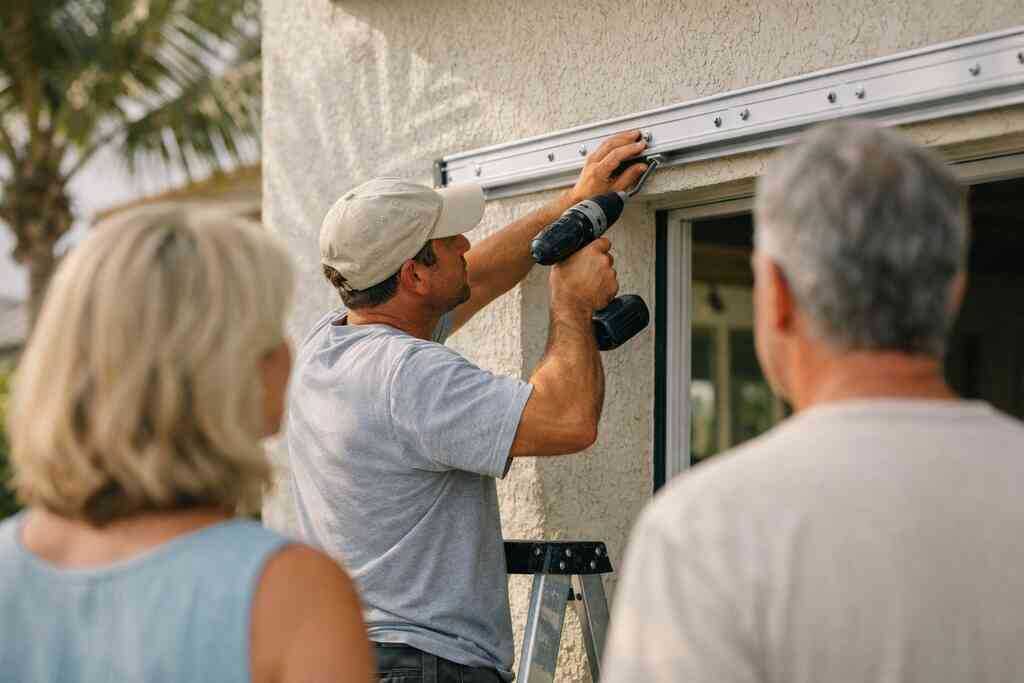
A lien waiver shows that a contractor or supplier has been paid for a specific stage of work. It matters because it helps reduce the risk of payment disputes later. If you are making progress payments, ask for lien waiver Florida paperwork before releasing funds. That is normal practice. It should not feel awkward.
One homeowner in Broward told us they had never heard of lien waivers until a project stalled. Once the paperwork was cleaned up, the stress dropped immediately. That is the point. Good paperwork keeps small problems from becoming bigger ones. It also gives you a clearer project trail.
What change order contractor Florida language should be in writing before the work changes
Change orders are not a failure. They are a reality. If the scope changes, the price and timeline may change too. But the change order must be written. It should explain what changed, why it changed, and how much it affects the job. Verbal agreements are too fuzzy for construction.
If your contractor starts work before documenting changes, pause the job. Ask for written change order contractor Florida language before proceeding. That protects both sides. It also keeps expectations honest. Good contractors respect that boundary.
5) Why a permit ready shutter installation saves time even when the paperwork feels slow
Permits can feel like the part that slows everything down. In practice, they often prevent bigger delays later. A permit-ready contractor anticipates submittals, approvals, and inspections from the start. That matters in South Florida, where exterior opening protection often intersects with local review standards. If you want a smoother path, choose a contractor who treats paperwork as part of the build, not an annoyance.
Which projects usually trigger the South Florida permit process for hurricane shutter installation
Most new shutter installations, replacements that change attachment points, and structural openings will trigger the South Florida permit process. That includes many projects tied to garage doors, large sliders, and lanai openings. If the work changes the building envelope, assume review is likely. That is the safer mindset. Never assume a storm protection job is too small to matter.
A permit-ready contractor will tell you early whether the scope needs drawings or product approvals. That honesty helps you plan. It also prevents the dreaded mid-project pause. If you are comparing bids, ask who handles submission and who handles corrections if the reviewer asks for more information.
How South Florida building codes and Florida Building Code 2026 expectations affect shutter layouts and attachments
Code expectations shape more than the final inspection. They influence layout, anchoring, and product selection. Even small details, like fastener spacing or substrate type, can affect compliance. That is why the best contractors build around the code from the beginning. They do not “fix it later.”
For homeowners seeking South Florida building codes for exterior opening protection, the code conversation should be practical. Ask how the system will attach, what documents support the product, and how the installer will handle field conditions. Those are the questions that reveal competence. Fancy language does not.
Why wind-borne debris protection standards matter more near the coast and in higher exposure zones
Wind-borne debris protection is not just a technical phrase. It describes real storm risk. Near the coast, exposure increases, and hardware choices matter more. In higher-risk zones, the quality of the shutter system and its attachment can make a major difference. This is where cheaper materials often fail the test.
That is why contractors should explain the relationship between exposure and product choice. They should not dismiss it. If they do, you are probably talking to the wrong person. Coastal homes need solutions that respect the environment, not just the budget.
How HOA permit and condo renovation South Florida rules can add another review layer
HOA and condo rules can add a second set of approvals. Sometimes that layer is straightforward. Sometimes it is not. If you live in a shared community, the board may want product details, color data, and installation plans. That can affect your timing and product selection. It is annoying, but normal.
The issue gets more complicated in condo renovation South Florida settings because exterior changes may need multiple approvals. A contractor who has done this before will help you gather paperwork. That support matters. It keeps the project moving and reduces friction with management or the board.
What a contractor should prepare before submitting drawings for Palm Beach, Broward, or Miami-Dade
The contractor should prepare accurate measurements, product approvals, anchoring details, and site-specific notes. They should also know what the reviewer in each county typically wants to see. A strong submittal reduces back-and-forth. It also signals that the contractor understands local expectations. That is a good sign.
If you are working with South Florida contractors, ask them how they handle permit packets for Palm Beach County, Broward County, and Miami-Dade. The answer should be specific. If it is vague, keep searching. You want a contractor who is permit ready before the first hole is drilled.
6) The inspection day details that decide whether your shutter job passes or stalls
Inspection day is where small mistakes become visible. The system may look perfect from the driveway, but inspectors care about what is behind the finish. They look at anchors, placement, labeling, and documentation. That is why the best jobs feel boring on inspection day. Nothing is hidden. Nothing is rushed. If you want fewer surprises, ask for a hurricane shutter contractor questions for summer 2026 checklist before work starts.
What inspectors typically want to see on shutter rail anchoring and fastener placement
Inspectors usually focus on whether the shutter rails are anchored correctly and whether the fasteners match the approved plan. They may also check spacing and visible labels. This sounds simple, but it is where many jobs slip. A single misplaced fastener can create a delay. That delay can be annoying, costly, and avoidable.
The contractor should know the fastening pattern before installation begins. If the crew improvises, that is a warning sign. Good crews do not treat anchoring like guesswork. They treat it like the structural step it is.
How fastener corrosion resistance becomes a big deal in salty South Florida air
Salt air attacks metal. That is a fact of life here. Fasteners that look fine on day one can corrode quickly near the coast if they are not appropriate for the environment. That is why corrosion resistance is not a luxury. It is a necessity. South Florida homes need hardware that matches the climate.
This matters most in coastal neighborhoods, but it also matters inland over time. Humidity, rain, and sun all add wear. Ask what fasteners are used and why. Ask whether they are compatible with the shutter material and substrate. Those details can save years of trouble.
Why shutter inspection issues often come from the smallest missed detail
Most inspection problems are boring little errors. A missing label. A loose anchor. A spec sheet that was left in the truck. The frustration is that the big work may be excellent, yet the job still stalls over a detail. That is why document control matters.
We have seen projects slow down because paperwork did not match the installed product. The fix was simple, but the delay was real. Ask your contractor how they track product approvals, invoices, and inspection support. The answer tells you a lot about their process.
When hurricane roof tie-downs or nearby structural work affect the shutter approval path
Sometimes the shutter job is not isolated. If your home has related structural work, roof work, or hurricane roof tie-downs, the inspector may view the project differently. That can affect sequencing and required documentation. It does not mean your project is doomed. It means the contractor needs to coordinate carefully.
If nearby work touches the load path or opening support, ask how that affects the shutter approval path. The slab-to-roof load path matters more than homeowners often realize. Exterior protection is part of a larger structural story. Good contractors understand that connection.
How to ask for documentation without creating friction with the contractor
Ask early and ask plainly. You can say, “Please send the product approval, permit documents, and inspection photos when available.” That is respectful and clear. It does not sound accusatory. It sounds organized. Most professional contractors appreciate that.
If you are trying to avoid conflict, frame it as a file for your records. That usually helps. You are not chasing them. You are keeping your home documentation clean. That is smart, especially in South Florida where resale and insurance questions can surface later.
7) The smarter way to compare storm protection contractor bids without getting burned
The final decision should not come down to the slickest estimate. It should come down to clarity, compliance, and trust. A good bid tells you what happens next. A weak bid hides behind vague language. If you want to make the right call, compare more than price. Compare readiness. Compare documentation. Compare responsiveness. A strong storm protection contractor should make that comparison easy.
Which questions reveal whether the contractor understands South Florida hurricane realities
Ask how they handle coastal hardware, inspections, and permit review. Ask what they do if the inspector wants revisions. Ask whether they have worked in Palm Beach, Broward, and Miami-Dade under different conditions. These questions reveal whether the contractor understands South Florida as a whole, not just one street. Real experience shows up in specific answers.
You should also ask about pre-hurricane season home prep timing. Demand spikes fast, and schedules tighten. A contractor who knows this will talk honestly about lead times. That honesty is more valuable than a vague promise.
How to compare labor warranty, material specs, and permit scope without being fooled by vague language
A fair bid should separate labor warranty, material specs, and permit scope. If those items are blended into one fuzzy sentence, ask for a clearer breakdown. The best contractors do not mind. They know precise language reduces disputes later. It also makes comparison easier.
One practical trick helps a lot. Put the bids side by side and highlight anything missing. Missing permit support is a red flag. Missing hardware details is a red flag. Missing warranty terms is a red flag. If a proposal cannot survive that test, it is not ready.
Why change orders should be expected and documented instead of treated like a surprise
Change orders will happen on some projects. A wall condition may differ. An opening may be out of square. A hidden issue may appear when trim is removed. The key is documentation, not panic. If the contractor explains the change clearly and puts it in writing, you can make a rational decision.
That is why change orders for contractor projects in 2026 deserve attention before work begins. Ask how the contractor handles surprises, pricing, and approval steps. A calm process beats a surprise invoice every time. That is true in every county.
What to ask about scheduling during pre-hurricane season home prep when demand spikes
Ask when they can actually start, not when they hope to start. Those are different questions. Ask how they manage materials, crews, and inspections when demand surges. Ask what happens if a permit review takes longer than expected. That gives you a real picture of the schedule.
If you are balancing family life, work, and contractor calls, you are not alone. Many South Florida homeowners feel the pressure build fast. The best response is to narrow your options and act. Pick three bids. Verify the licenses. Confirm the permits. Then move.
How to decide whether to keep calling around or choose the contractor who is actually permit ready
This is the deciding question. If one contractor can explain scope, code, insurance, and permit steps clearly, that matters. If another gives you a cheaper number but cannot explain the hardware or paperwork, that matters too. Permit readiness is a real advantage. It saves stress later.
You do not have to figure this out alone, and you do not have to figure it all out today. Start with one phone call, one license check, and one written scope comparison. Then use South Florida Contractors to keep the search focused and local. That is how smart South Florida homeowners choose well.
Frequently Asked Questions
Question: What should I look for in a hurricane shutter contractor estimate for hurricane shutter installation South Florida?
Answer: A good estimate should clearly show the full scope, not just the panel price. Look for measurements, shutter type, shutter rail anchoring, fastener corrosion resistance, cleanup, permit support, and any coastal hardware upgrade that may be needed for your location. In South Florida, exterior opening protection has to align with hurricane code compliance and local permit requirements, so a vague quote can hide real costs. South Florida Contractors helps homeowners compare bids the right way by focusing on scope, documentation, and verified contractor credentials. Before you hire anyone, confirm licensing and insurance, especially if the project involves a licensed contractor in Palm Beach County, a licensed contractor in Broward County, or a licensed contractor in Miami-Dade. That is the safest way to compare proposals and avoid surprise add-ons later.
Question: For the blog post Top 7 Hurricane Shutter Contractor Questions for Summer 2026, how do I choose between accordion shutters, roll-down shutters, and removable storm panels?
Answer: The best system depends on your openings, your budget, your storage space, and how often you want to use the protection outside storm season. Accordion shutters are often practical for standard windows and doors, roll-down shutters are a strong option for larger openings like garages and lanais, and removable storm panels can work well when storage and budget are priorities. In South Florida, the decision should also account for wind-borne debris protection, daily convenience, curb appeal, and whether HOA approval for shutters is needed. South Florida Contractors is a helpful place to start because you can find a contractor South Florida homeowners can verify for the exact type of work they need. A qualified storm protection contractor should explain the tradeoffs honestly, not push one product for every home. If your property is coastal or waterfront, ask about approved shutter systems and coastal hardware upgrade options so the system is built for salt air and long-term performance.
Question: Do I still need a hurricane impact window installer South Florida if I already have shutters?
Answer: Sometimes yes. Shutters and impact-rated openings solve different problems, and many homes use a mix of both for better coverage. Impact windows can improve comfort, noise reduction, and energy efficiency, while shutters may still be needed for large sliders, lanais, garage doors, or specialty openings. That is why mixed protection plans are common in South Florida building codes and Florida Building Code 2026 conversations. A reputable hurricane impact window installer South Florida homeowners trust should explain where impact glass makes sense and where exterior opening protection still needs shutters. South Florida Contractors can help you locate the right professional, but always verify contractor licensing Florida requirements and contractor insurance requirements Florida before signing anything. The goal is code compliance, better day-to-day living, and a plan that passes inspection without shortcuts.
Question: What permit and inspection steps should I expect for permit-ready shutter installation in South Florida?
Answer: Permits should be part of the project from the beginning, not an afterthought. Depending on the job, you may need a Palm Beach County permit, Broward County permit, or Miami-Dade permit, along with product approvals, attachment details, and site-specific measurements. The contractor should prepare the drawings, confirm the approved shutter systems, and coordinate the inspection process so nothing stalls at the end. During hurricane shutter inspection, officials usually look closely at shutter rail anchoring, fastener placement, and whether the installed product matches the approved documents. This is where a permit-ready contractor really matters. South Florida Contractors is designed to help homeowners find a contractor South Florida can count on for organized paperwork and code-aware execution. Never skip permits, especially for exterior opening protection or any project that affects hurricane code compliance. Proper permitting protects your home, your resale value, and your peace of mind.
Question: How can I tell if a storm protection contractor is legitimate before I hire them?
Answer: Start by verifying the license number yourself and making sure the company name, license status, and project scope all match. Ask for proof of insurance, and if the project is more complex, ask about contractor bonding requirements as well. A trustworthy contractor should also explain how they handle lien waiver Florida paperwork, written change order contractor Florida procedures, and any questions that come up during the South Florida permit process. If a bidder avoids these basics, that is a red flag. South Florida Contractors serves as a directory to help you connect with contractors across Palm Beach, Broward, and Miami-Dade Counties, but you should always verify licensing and insurance before hiring anyone. That standard applies whether you need a general contractor near me in South Florida, a home remodeling contractor South Florida, or a specialized hurricane shutter contractor.
Question: Why should I use South Florida Contractors instead of just calling the first contractor I find?
Answer: Because South Florida projects are different. Weather exposure, hurricane code compliance, HOA approval for shutters, condo renovation South Florida rules, and county permit requirements can all affect the job. South Florida Contractors helps you find a contractor South Florida homeowners can compare by location, service area, and project fit, which saves time when you need someone who understands local conditions. Whether you are looking for a hurricane shutter contractor, hurricane impact window installer South Florida, energy efficient remodeler South Florida, or even broader home upgrade help like a South Florida kitchen remodeler, South Florida bathroom remodeler, roofing contractor South Florida, or screen enclosure contractor South Florida, the directory gives you a practical place to start. The key is still the same: verify the license, confirm insurance, and make sure the contractor is permit-ready. That is the smartest way to move forward with storm hardening solutions and other South Florida home exterior upgrades.