

The permit trigger most remodelers miss in Palm Beach County
A lot of homeowners think permits only matter for major additions. That assumption can lead to expensive surprises. If you are reading this while stressing over drawings, contractor bids, and city comments, you are not alone. The permit process feels slow because it is strict. In South Florida, that strictness helps protect you from storm, structural, and liability problems later. One small scope change can shift your project into a structural renovation permit without warning.
When a cosmetic update becomes a structural renovation permit
A paint job is not the same as moving a wall. Neither is replacing cabinets with a full kitchen reconfiguration. The moment you touch framing, openings, load paths, or major systems, your project may leave the simple finish category. That is where many Palm Beach County remodeling permits start to expand. The safest mindset is simple: if the work changes structure, life safety, or building systems, expect review.
On a recent Palm Beach project, a homeowner started with what looked like a modest refresh. Then the demo exposed a wall tied into a header and old wiring. The project paused immediately. That pause felt frustrating, but it prevented a much larger correction later. Here is the part most homeowners miss: hidden conditions often matter more than the original plan.
How Palm Beach County permit steps for remodels change once walls, openings, or systems move
Once you move walls or enlarge openings, the Palm Beach County permit steps for remodels usually become more detailed. You may need structural sheets, product approvals, trade permits, and sometimes engineering. A simple interior remodel permit can become a broader review if HVAC ducts shift or plumbing stacks move. The building department approval process is not trying to punish you. It is checking that the remodel still meets Palm Beach County permit process expectations and South Florida building codes.
You should also expect more questions if the work touches kitchens, baths, or openings to the exterior. A home remodeling contractor South Florida homeowners trust will usually flag these issues early. That matters because each new scope item can trigger another reviewer. The faster you define the full scope, the fewer revisions you face.
The local warning signs that your project also needs South Florida building codes review
Some signs are obvious. Others are subtle. If your project changes a window size, adds a new door, removes a wall, or touches a roof line, review becomes more serious. In coastal South Florida, exterior changes often invite hurricane code compliance questions as well. That is especially true for oceanfront and waterfront homes, where wind pressure and water exposure matter more.
Watch for these warning signs:
- You are changing structural framing.
- You are altering exterior openings.
- You are moving electrical, plumbing, or mechanical systems.
- You are adding square footage.
- You are working in a condo, townhome, or HOA community.
- You are near the coast or in a high-wind exposure zone.
If any of that sounds familiar, slow down and verify the permit path before demo begins. That single step saves time, money, and headaches.
The paperwork chain that gets a remodel approved without backtracking
Good permit submissions do not happen by luck. They happen because the paperwork tells a clean story. If the plans, scope, and contractor credentials line up, reviewers move faster. If they do not, the file bounces back. We hear this from clients almost every week. The confusion is real, and it is completely normal.
Which documents usually belong in a permit application for home remodel work
Most permit application for home remodel packages include a clear scope, drawings, contractor information, and sometimes engineering. For many projects, you may also need product approvals, site information, and owner authorization. A South Florida permit checklist for home remodels usually starts with the basics and expands from there. The more precise the description, the fewer revision requests you get.
Common items include:
- Signed permit application
- Scope of work description
- Architectural or plan drawings
- Structural details, if needed
- Contractor license information
- Owner-builder forms, if applicable
- Product approvals for exterior items
- Trade permit details
If you are hiring a licensed contractor Palm Beach County homeowners should always ask for complete paperwork before submission. A vague application often leads to delays. Clear paperwork builds trust with the reviewer.
How plans, contractor credentials, and scope descriptions reduce revision requests
Revision requests usually come from gaps. Maybe the plan shows a new island, but not the sink location. Maybe the layout changes, but the electrical notes stay generic. Maybe the contractor writes “bath remodel,” but the project also moves plumbing and ventilation. That is when the reviewer pauses and asks for more detail. Precise language cuts through that.
A strong Palm Beach County remodeling permit process submission should read like a complete story. What exists today? What changes? What trades are involved? Who is responsible? When those answers are consistent, the file feels organized. In construction management terms, that is a cleaner path from plans to approval.
Why a licensed contractor Palm Beach County homeowners trust should also carry insurance and bonding verification
A license matters. Insurance and bonding verification matter too. Never skip either one. A contractor can look polished and still leave you exposed if documentation is missing. That is why you should also learn how to verify a contractor license in Florida before you sign anything.
You want proof of contractor insurance requirements Florida residents rely on, plus contractor bonding requirements when applicable. Ask for current certificates, not old copies. Then match the company name carefully. This is where many homeowners slow down, and they should. If the paperwork is wrong, the permit can stall, and your liability can grow. South Florida contractors who care about compliance will not resist that request.
The county split that changes everything between Palm Beach, Broward, and Miami-Dade
The same remodel can feel similar on paper and very different in review. That is the reality across South Florida. Palm Beach, Broward, and Miami-Dade all enforce Florida Building Code requirements, but local review habits differ. Coastal exposure, wind concerns, and product approvals all shape the process. If you are comparing bids from a general contractor near me South Florida search, make sure each bid accounts for county-specific review.
Why the same remodel can face different permit expectations across South Florida
A kitchen update in Boca Raton may not review the same way as one in Miramar or Kendall. A bathroom wall move in Palm Beach County might trigger different comments than a similar scope in Miami-Dade. That does not mean one county is “harder.” It means the reviewer is looking at local risk differently. Wind, flood exposure, and building stock all affect expectations.
This is where South Florida homeowners get caught off guard. They assume one permit packet fits everywhere. It does not. A smart contractor builds the scope for the county first, then the project. That difference matters a lot when you are trying to avoid re-submittals.
What to watch for in Miami-Dade permit, Broward County permit, and Palm Beach County permit paths
A Miami-Dade permit often pays close attention to high-velocity wind requirements and product approvals. A Broward County permit may focus heavily on consistent documentation and trade coordination. A Palm Beach County permit can be equally strict, especially for exterior changes and structural work. The details vary, but the principle stays the same: documentation must match the work.
If your project includes a South Florida permit checklist for home remodels, tailor it to the county. Do not assume a Broward approval packet will satisfy Miami-Dade. And do not assume a fast permit in one county means the next one will move the same way. County staff, local amendments, and review queues all influence the pace.
How local reviewers treat wind exposure, coastal conditions, and hurricane code compliance differently
In coastal South Florida, reviewers think beyond finishes. They look at how your home handles wind, water, and pressure. That is why hurricane code compliance comes up so often on exterior work. It is also why oceanfront home contractor projects and waterfront home builder South Florida work need especially careful planning. The building department is protecting the structure from a storm that can test every fastener.
If your remodel touches windows, roofing, or exterior walls, expect added scrutiny. A licensed contractor Broward County homeowners hire for coastal work should know these distinctions well. So should a licensed contractor Miami-Dade projects demand. Exterior remodels are never just cosmetic here. They are performance upgrades against weather.
The work that always brings extra scrutiny from building departments
Some scopes attract attention every time. Roofs do. Window replacements do. Exterior attachments do too. If you are planning a roof permit South Florida job, you should expect review beyond the basic sketch. That is not bureaucracy for its own sake. It is storm protection, inspected line by line.
Why roof permit South Florida projects often demand more than basic drawings
A roofing contractor South Florida homeowners hire should know that roof permits often require specific product data and attachment details. The reviewer wants to know how the system will perform under wind loads. That is where hurricane roof tie-downs become important. Even when the roof looks simple from the street, the permit file may need far more depth.
If you are coordinating a roof permit requirements in South Florida review, do not assume the shingle choice is the whole story. Deck condition, underlayment, fastening pattern, and edge details all matter. For older homes, the existing framing may need clarification. That is especially true for coastal homes and second-story additions.
What happens when you add hurricane impact window installer South Florida work or hurricane shutter contractor scope
Window and shutter work almost always brings product scrutiny. A hurricane impact window installer South Florida homeowners hire must show approval documents that match the opening size and application. A hurricane shutter contractor faces similar scrutiny if the shutter assembly changes how the opening is protected. The term “impact rating” simply means the product has been tested for windborne debris and pressure. 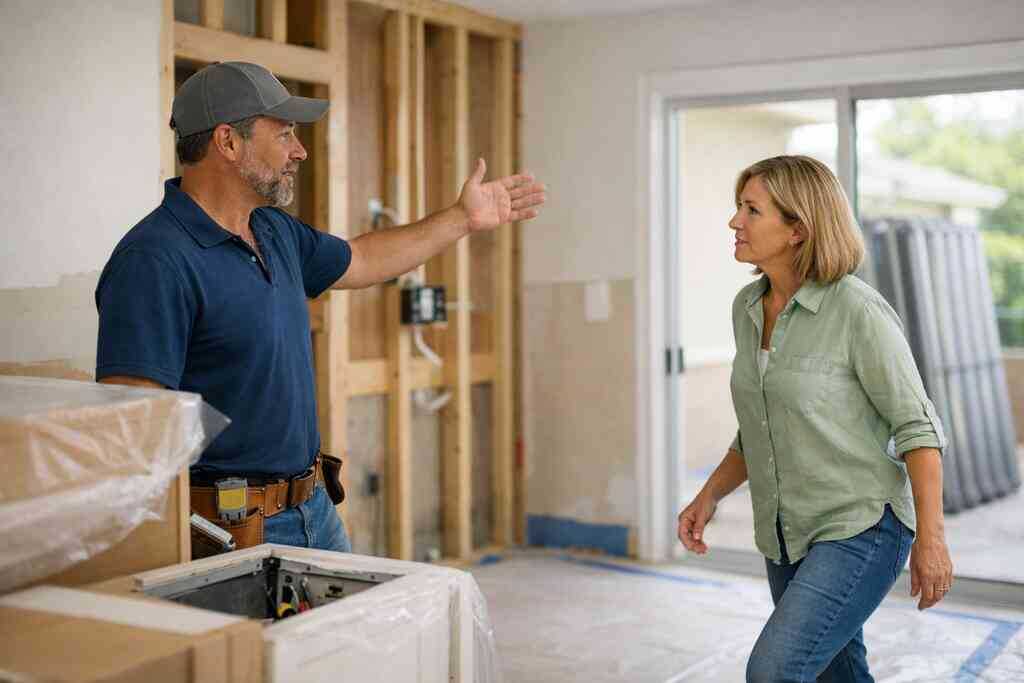
If the window or shutter dimensions change, the permit file should change too. That is where homeowners sometimes get frustrated. They think the product alone settles the issue. It does not. The opening, anchorage, and surrounding wall all matter. For guidance, many people also review hurricane window installation in South Florida before they order products.
How hurricane roof tie-downs, exterior openings, and structural attachments can trigger deeper review
Here is what almost no online guide mentions: the smallest exterior change can create the biggest review load. Add a new opening. Move a header. Attach a lanai. Extend a roof edge. Each step can trigger structural questions. That is why sunroom contractor South Florida and lanai builder South Florida scopes often involve extra documentation.
The moment you connect to the shell of the house, the reviewer looks harder. That is especially true for outdoor kitchen contractor South Florida projects, screen enclosure contractor South Florida work, and pool deck contractor South Florida jobs near the coast. Exterior attachments are not decorative add-ons. They are structural responsibilities.
The hidden approvals that can slow down even a simple interior remodel
Interior remodels feel simpler. Sometimes they are. But not always. If you move appliances, relocate fixtures, or upgrade ventilation, trade permits may still apply. That is where careful coordination saves the project. The mistake we see most often is timing.
When electrical permit for remodel, plumbing permit for remodel, or mechanical permit for remodel comes into play
An electrical permit for remodel appears when circuits, panels, outlets, lighting, or appliance loads change. A plumbing permit for remodel appears when you move sinks, drains, showers, or water lines. A mechanical permit for remodel appears when ductwork, exhaust, or equipment placement changes. These trade permits protect safety, and they keep the project legal.
If you are working with a South Florida kitchen remodeler, the appliance layout matters more than people expect. If you are working with a South Florida bathroom remodeler, drain routing can decide whether approval is straightforward or delayed. A South Florida contractors for kitchen remodel permits resource can help you understand that coordination before demo starts. Good planning prevents stop-work headaches.
Why a South Florida kitchen remodeler or South Florida bathroom remodeler must coordinate trade permits carefully
Kitchen and bath projects look simple from the outside. Inside, they are systems-heavy. Cabinets, counters, tile, fixtures, and appliances all interact with electrical, plumbing, and mechanical requirements. A South Florida tile contractor may finish beautifully, but the work still depends on the rough-in beneath it. The permit has to reflect that sequence.
If your scope includes custom millwork, cabinet maker details, or flooring changes, the permit file should still track the trades underneath. That is why South Florida flooring installer and South Florida cabinet maker coordination matters. A clean timeline avoids rework and inspection failures. On complex projects, design build contractor South Florida teams usually handle this best because they manage the sequence from the start.
How change order contractor Florida issues can force permit updates before work continues
A change order is written approval for a scope change. It sounds simple, but it can affect the permit. If the homeowner adds an extra shower valve, changes a window, or expands an opening, the permit may need updating before work continues. That is why the change order process for Florida contractors matters so much.
Do not let a verbal change drift into the field without documentation. That creates inspection trouble later. It can also create payment disputes. A written change order protects both sides. It also keeps the permit aligned with the actual work.
The HOA, condo, and townhome layer nobody wants to discover late
Some of the toughest delays have nothing to do with the county. They come from associations. If you live in a condo or townhome, or even in an HOA community with exterior rules, you have another approval layer. This is where many projects stall after the contractor is already ready to mobilize. That delay feels awful, and it is avoidable.
What South Florida HOA permit and condo renovation South Florida rules often add to the process
A South Florida HOA permit process may require architectural review, insurance certificates, elevator reservations, debris rules, and restricted work hours. Condo renovation South Florida work can also require board approval before county submission in some buildings. The association may care about flooring underlayment, water shutoff procedures, or noise limits. That is why the phrase permit and HOA rules in South Florida condos matters so much.
These rules are not the same as building code. That distinction confuses people all the time. The county checks safety and code compliance. The association checks building protection and resident impact. You often need both.
Why townhome remodeling South Florida projects may need association review before city or county approval
Townhome remodeling South Florida projects can look straightforward, yet they often cross shared-wall or exterior-envelope issues. If your work affects windows, roofs, patios, or common areas, the association may want drawings first. Even interior work can trigger notice if sound, plumbing, or utility access changes. That means your permit timeline should include HOA review time from the beginning.
If you live in a coastal community, expect extra caution. Many buildings have strict rules because a past storm taught them hard lessons. A condo renovation South Florida project without association approval can stop immediately. That is not dramatic. It is reality.
How to plan for insurance certificates, owner restrictions, and access rules before demolition starts
Plan the logistics early. Ask for insurance certificate requirements, work-hour rules, and any access restrictions before you schedule demo. If the building needs freight elevator reservations or security clearance, build that into your sequence. You do not want a crew standing idle because paperwork was not ready. That is expensive and avoidable.
A few items to request upfront:
- Association approval form
- Contractor insurance certificate
- Owner indemnity language, if required
- Elevator or loading dock schedule
- Noise and debris rules
- Work-hour restrictions
- Utility shutoff procedures
This is where South Florida homeowners benefit from organized communication. The more layers in the project, the more useful a steady project manager becomes. Construction management is not just about trades. It is about keeping the paperwork and the field aligned.
The closeout step that protects your resale value and future inspections
The project is not finished when the last tile is set. It is finished when the permit is closed properly. That final step protects your resale value, your insurance profile, and your future renovation options. Skipping it can cause long-term pain. In South Florida, that pain often shows up later during refinancing or a home sale.
Why final inspection for remodel is not a formality in South Florida
A final inspection for remodel verifies that the finished work matches the approved permit. Inspectors check whether the actual build aligns with the drawings and trade approvals. If something changed, they may require correction or additional paperwork. This is especially true for impact openings, roof changes, and structural updates. Final inspection is not a box to check. It is the proof that the work is legal and complete.
A final inspection and permit closeout for remodels should be treated like part of the project, not an afterthought. If the final inspection fails, the permit may remain open. That can create problems with insurance renewals and future contractor bids. It is much easier to close it correctly the first time.
How permit closeout process issues can affect refinancing, insurance, and future remodels
Open permits can slow a refinance. They can also raise questions during a buyer’s inspection. Some insurers ask for proof that major remodels were permitted and closed. If they do not see it, they may request documents or adjust coverage terms. That can become a stressful surprise when you are otherwise ready to move on.
The permit closeout process also matters for future work. If a later contractor sees an unresolved permit, they may hesitate to build on top of it. That is why homeowners in South Florida should keep permit records organized. The file should include approvals, inspection results, revisions, and final sign-off.
When to ask for lien waiver Florida documentation and proof the job matches the approved scope
Ask for lien waivers as payments are made and at closeout. A lien waiver Florida document means the contractor or supplier confirms they have been paid for specific work. It helps reduce the risk of payment claims later. You should also confirm that the final scope matches the approved permit, especially if there were changes during the job.
Before the last payment, check for these items:
- Final inspection approval
- Closed permit record
- Lien waivers from key parties
- Warranty documents
- Product manuals for installed items
- A copy of the final approved scope
If you are comparing bids from South Florida contractors, ask how they handle closeout from day one. A disciplined contractor will welcome the question. If they hesitate, that tells you something.
The smartest next step is simple. Gather your scope, photos, and rough measurements, then call three South Florida contractors with active Florida licenses and matching insurance. You do not have to solve every permit detail tonight, and you do not have to do it alone. Start with one careful conversation, and let the paperwork follow.
Frequently Asked Questions
Question: What are the most important Palm Beach County permit steps for remodels, and how do I know if my project needs a structural renovation permit?
Answer: The biggest step is defining the full scope before demolition starts. In Palm Beach County, a remodel can move from an interior remodel permit into a structural renovation permit if you touch framing, openings, load paths, roofing, or major electrical, plumbing, or mechanical systems. That is why South Florida homeowners should never assume a cosmetic update will stay cosmetic. If walls are moving, windows are changing, or exterior openings are involved, the Palm Beach County permit process usually gets more detailed and may require engineering, trade permits, and product approvals. South Florida Contractors helps homeowners find a contractor South Florida who understands these review triggers and can coordinate the permit application for home remodel work correctly from the start. We always recommend verifying licensing and insurance before hiring any licensed contractor Palm Beach County residents are considering, because a clean permit file starts with a qualified team.
Question: What documents should I prepare for a South Florida permit checklist before submitting a remodel application?
Answer: A strong South Florida permit checklist usually includes a signed permit application, a clear scope of work, drawings, contractor license information, owner authorization if needed, and product approvals for exterior items. Depending on the project, you may also need structural details, trade permit information, and association approvals for condo renovation South Florida or townhome remodeling South Florida projects. The goal is to make the paperwork tell one complete story so reviewers do not keep asking for missing details. If you are searching for a general contractor near me South Florida homeowners can trust, South Florida Contractors is a practical place to start because our directory helps you compare South Florida contractors by service area and project type. We also encourage homeowners to check contractor licensing Florida records, confirm contractor insurance requirements Florida, and ask about contractor bonding requirements before moving ahead. That extra diligence can save time, money, and permit delays.
Question: How does the permit process differ between Palm Beach County permit, Broward County permit, and Miami-Dade permit reviews?
Answer: The counties all follow Florida Building Code and South Florida building codes, but local review habits are not identical. A Palm Beach County permit may focus heavily on structural changes, exterior openings, and hurricane code compliance, while a Broward County permit or Miami-Dade permit may place even more emphasis on wind exposure, product approvals, and documentation consistency. That means a permit packet that works in one county may still need changes in another. This is especially important for exterior remodeling permit work such as roof permit South Florida projects, hurricane impact window installer South Florida jobs, hurricane shutter contractor scopes, and other weather-sensitive upgrades. South Florida Contractors helps homeowners find a contractor South Florida who understands local county expectations, whether they need a licensed contractor Broward County residents recommend or a licensed contractor Miami-Dade homeowners can rely on. The safest approach is to tailor the documents to the county before submission, not after a revision request comes back.
Question: Why do roof, window, and exterior attachment projects get extra scrutiny under hurricane code compliance in South Florida?
Answer: Exterior work is reviewed more carefully because it affects how the home performs in wind, water, and storm conditions. Roof permit South Florida jobs often require product data, fastening details, and sometimes information about hurricane roof tie-downs. Likewise, a hurricane impact window installer South Florida homeowners hire must match approved product documentation to the exact opening size and installation method. If you are working with a hurricane shutter contractor, sunroom contractor South Florida, lanai builder South Florida, or outdoor kitchen contractor South Florida, the permit may also require structural review because the work attaches to the home’s shell. In South Florida, those details matter for safety and long-term value. South Florida Contractors connects homeowners with South Florida contractors who understand hurricane code compliance and can coordinate with the right trades, whether the project involves a roofing contractor South Florida, a South Florida concrete contractor, or an oceanfront home contractor. We always advise confirming credentials and insurance before hiring any contractor.
Question: How do HOA, condo, and townhome rules affect remodel permits in South Florida?
Answer: HOA and condo rules can add a separate approval layer on top of the county permit process. A South Florida HOA permit process may require architectural review, insurance certificates, work-hour restrictions, elevator reservations, debris rules, and owner forms. Condo renovation South Florida projects can also require board approval before work begins, and townhome remodeling South Florida jobs may need association review if they affect shared walls, roofs, windows, or common areas. That means homeowners must plan for both building department approval process steps and association approval steps. These are different systems, and both matter. South Florida Contractors helps homeowners compare South Florida contractors who are familiar with these layered approvals, whether the work is handled by a South Florida bathroom remodeler, South Florida kitchen remodeler, or design build contractor South Florida team. Before signing a contract, always verify licensing, insurance, and how the contractor handles association paperwork so there are no surprises after demolition is scheduled.
Question: Why is final inspection for remodel and permit closeout process so important after the work is done?
Answer: Final inspection for remodel is not just a formality. It confirms the completed work matches the approved permit, trade approvals, and any changes that were documented during construction. If the final inspection fails or the permit is never closed, that can cause problems later with refinancing, insurance, resale, and future remodeling permits. The permit closeout process also protects you by creating a clear record of what was approved and completed. Before making the last payment, homeowners should ask for lien waiver Florida documentation, the closed permit record, warranty information, and copies of any final approvals. South Florida Contractors encourages homeowners to work only with South Florida contractors who take closeout seriously, whether the project is a South Florida luxury renovation, South Florida home additions, second story addition South Florida, or a smaller interior remodel. A responsible contractor understands that compliance does not end when construction ends; it ends when the permit is closed properly and the paper trail is complete.