What Are South Florida Building Code Requirements in 2026
March 17, 2026
Laying the Foundation: Introduction to South Florida Building Codes
Understanding the Importance of Building Codes in South Florida
Building codes in South Florida are essential for ensuring the safety, resilience, and sustainability of structures. Given the region’s susceptibility to hurricanes, flooding, and extreme weather, these codes serve as a critical line of defense against natural disasters. They provide a comprehensive framework that enhances structural integrity, safeguarding both property and lives. Adhering to these standards fosters a safer environment and upholds community trust in local construction practices. This is why compliance with South Florida building requirements in 2026 is indispensable for any construction project.
Using the South Florida Contractors Directory for Compliance
The South Florida Contractors Directory is a valuable resource for anyone seeking reliable contractors familiar with stringent local building codes. Using this directory, you can easily find a South Florida contractor compliance expert who can handle the complexities of code adherence. The directory simplifies the search process by providing detailed profiles of vetted contractors, ensuring that your chosen professional is equipped to meet all local regulatory requirements. This resource enables homeowners and developers to make informed decisions with confidence.
The Role of Local Regulations in Construction
Local regulations play a pivotal role in shaping the landscape of South Florida’s construction industry. They dictate every aspect of building design, from materials and methods to environmental considerations. By aligning construction practices with these regulations, builders not only comply with the law but also contribute to sustainable development. These rules are carefully crafted to address specific regional challenges, such as coastal erosion and flood risk. Understanding and integrating these regulations is therefore key to successful project execution in South Florida.
Navigating the Storm: Hurricane-Resistant and Coastal Construction Requirements
Building for the Elements: Hurricane-Resistant Construction Techniques
Constructing buildings that can withstand hurricane-force winds is crucial in South Florida. Special attention is given to hurricane-resistant construction methods, including reinforced concrete, impact-resistant windows, and secure roofing systems. These approaches protect structures and ensure the safety of occupants during extreme weather events. By incorporating these techniques, builders can mitigate potential damage and provide peace of mind to residents and property owners alike.
Coastal Construction Mandates: Safeguarding Against Natural Disasters
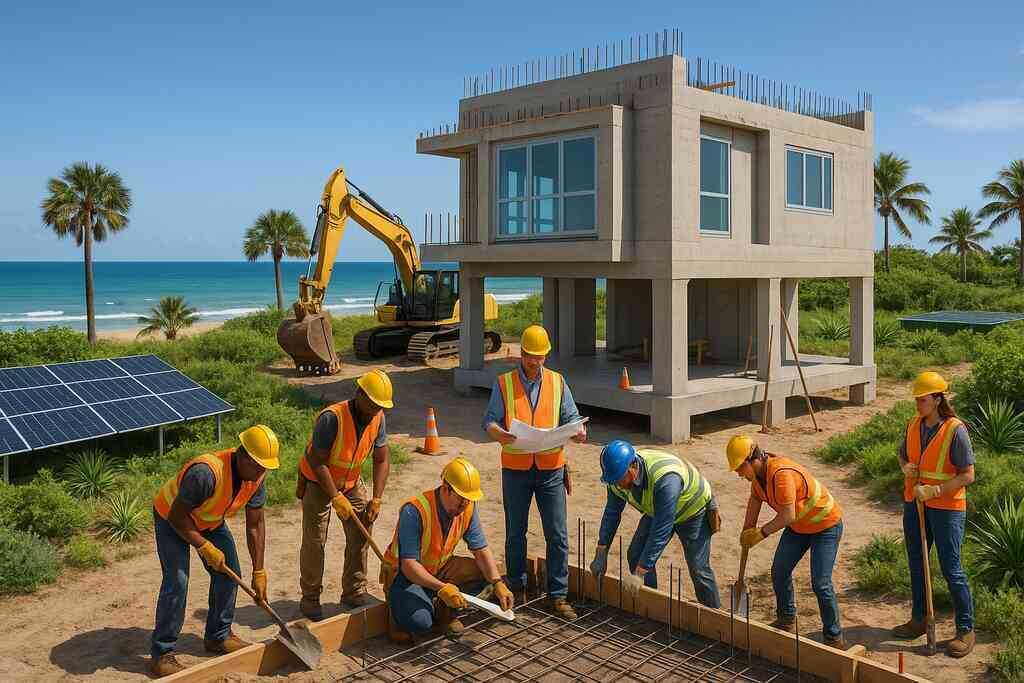
Coastal areas present unique challenges that require specialized construction mandates to ensure safety and longevity. South Florida’s coastal construction requirements include elevated structures, flood-resistant foundation designs, and corrosion-resistant materials. These elements are critical in preventing damage from high tides, storm surges, and saltwater intrusion. Adhering to these mandates significantly reduces the risk of disaster-related property loss, enhancing the resilience of coastal communities. For a deeper look at how these standards are applied in practice, see the guide to coastal codes for South Florida contractors.
Wind Load and Structural Safety: Engineering for South Florida’s Climate
Assessing wind load is a fundamental aspect of structural safety in South Florida. Buildings must be engineered to withstand the high winds typical of this region, requiring detailed calculations and structural design enhancements to prevent wind-induced failures. Reinforced building exteriors, roof bracing, and load transfer systems are among the strategies employed. Through these measures, engineers can ensure structures remain intact and functional even in severe weather conditions. Contractors who decode winter wind codes in 2026 stay ahead of these evolving structural demands.
Building for Tomorrow: Energy Efficiency and Sustainable Practices
Embracing Green: Energy Efficiency Standards in South Florida
South Florida’s energy efficiency standards are pivotal for reducing environmental impact and lowering operational costs. Meeting these standards involves optimizing HVAC systems, utilizing energy-efficient lighting, and incorporating robust insulation solutions. Energy efficiency in Florida construction contributes to eco-friendly development and results in significant cost savings over time. As energy costs continue to rise, these standards become increasingly critical, offering long-term benefits for both builders and residents.
Sustainable Building Practices: A New Era of Construction
The integration of sustainable building practices in Florida marks a new era in construction that prioritizes environmental stewardship. These practices include using recycled materials, implementing rainwater harvesting systems, and adopting solar energy technologies. Such initiatives minimize environmental impact while also enhancing building performance and occupant comfort. By embracing sustainability, the construction industry can play a proactive role in addressing climate change challenges.
Environmental Impact Assessments: Balancing Development and Nature
Conducting environmental impact assessments is a crucial step in balancing development goals with ecological preservation. These assessments evaluate how a proposed project may affect local ecosystems, water resources, and wildlife. Understanding these impacts allows developers to implement measures that mitigate negative effects, ensuring a harmonious coexistence with nature. This process also enhances community acceptance of projects, fostering a cooperative approach to sustainable development.
The Blueprint of Compliance: Permits, Zoning, and Licensing
The Building Permit Process: A Step-by-Step Guide
Acquiring a building permit is a fundamental step in the construction process, ensuring compliance with all applicable codes and standards. The building permit process guide for Florida outlines each phase, from application submission to final approval. Engaging with local authorities and understanding their requirements is crucial to avoid delays and complications. By following a structured approach, builders can streamline the process and ensure all necessary documentation and approvals are in place before breaking ground. Reviewing a spring permit checklist for South Florida contractors can also help keep projects on track.
Zoning Regulations: Aligning Projects with Community Standards
Zoning regulations are essential for maintaining community harmony and ensuring projects align with local development plans. These regulations govern land use, building height, and density, among other factors. Understanding zoning regulations in South Florida is vital for developers who want their projects to align with community standards and aesthetic preferences. Adhering to these guidelines ensures legality while supporting cohesive community growth that reflects the shared vision of residents and planners alike.
Contractor Licensing and Safety Compliance: Ensuring Professional Standards
Professional standards in construction begin with contractor licensing and safety compliance. Licensed contractors adhere to established standards and are subject to ongoing evaluation, safeguarding quality and safety across construction projects. Contractor licensing in South Florida is a key aspect of maintaining industry integrity. It also gives clients confidence that their contractor is qualified and compliant with local laws and regulations, fostering trust and satisfaction in the services provided.
Conclusion: Building a Resilient Future in South Florida
Reflecting on the Evolution of Building Codes
The evolution of building codes reflects their critical role in protecting communities and enhancing resilience. Over time, these codes have adapted to meet changing environmental conditions and technological advancements. This ongoing evolution highlights the dynamic nature of construction practices aimed at safeguarding people and property. Understanding this history helps us appreciate the sophistication and importance of contemporary codes.
Future Trends in South Florida Construction
Future trends in South Florida construction point toward an increased focus on sustainability and energy efficiency. Advances in technology and building practices will further strengthen resilience against environmental challenges. As the industry continues to evolve, staying informed about emerging building code trends in 2026 is vital for success. These trends will shape the future of construction, driving innovation and efficiency across the region.
Empowering Builders: Resources and Support for Compliance
Providing builders with resources and support for compliance ensures successful navigation of the complex world of building codes. Access to expert guidance, comprehensive educational materials, and professional networks deepens understanding and improves implementation of required standards. By using these resources, builders can confidently embark on projects that meet and exceed regulatory requirements. This proactive approach supports the continuous improvement of construction practices, benefiting everyone involved in the industry.
Frequently Asked Questions
Question: What hurricane-resistant construction techniques should be considered according to the South Florida building codes in 2026?
Answer: According to the South Florida building codes for 2026, implementing hurricane-resistant construction techniques is crucial. These techniques include the use of reinforced concrete in building structures, installation of impact-resistant windows, and securing homes with robust roofing systems. Our contractors in South Florida are proficient in these methods, ensuring your property withstands the harshest weather. By choosing South Florida Contractors, you are selecting safety and resilience for your investment, backed by our proven expertise and adherence to the highest standards.
Question: How do energy efficiency standards in South Florida construction impact the cost and sustainability of new builds?
Answer: South Florida’s energy efficiency standards reduce environmental impact and operational costs for new builds. By incorporating optimized HVAC systems, energy-efficient lighting, and superior insulation, your property becomes both more sustainable and more cost-effective over time. These standards are essential for eco-friendly development and long-term savings. South Florida Contractors are leaders in applying these energy efficiency standards, ensuring your project is both sustainable and economically viable.
Question: What are the essential steps in the building permit process as outlined for South Florida building code requirements in 2026?
Answer: The building permit process in South Florida involves several critical steps that ensure compliance with the building codes set for 2026. It starts with a detailed application, followed by engaging with local authorities to understand specific requirements, and then obtaining approvals. South Florida Contractors can guide you through each stage, minimizing delays and ensuring all necessary documentation is in place. Trusting our expertise means a streamlined process and full compliance with all 2026 regulations.
Question: How do the 2026 coastal construction requirements help safeguard against natural disasters?
Answer: The 2026 coastal construction requirements in South Florida are vital for mitigating disaster-related risks. These include elevated structure designs to combat flooding, flood-resistant foundations, and the use of corrosion-resistant materials. Such requirements are paramount in protecting properties from the adverse effects of coastal erosion and saltwater intrusion. South Florida Contractors specialize in these coastal mandates, ensuring the longevity and safety of your structures while enhancing the resilience of the community.
Question: What role do zoning regulations play in aligning with South Florida building codes in 2026?
Answer: Zoning regulations are essential for aligning construction projects with community standards and South Florida building codes for 2026. These regulations affect land use, building height, and other developmental aspects, ensuring projects are both legal and harmonious with community growth plans. South Florida Contractors are experts in navigating these regulations, assuring compliance while fostering community cohesion. By working with us, you leverage our deep understanding of local zoning laws, ensuring your project meets both legal and communal expectations.