
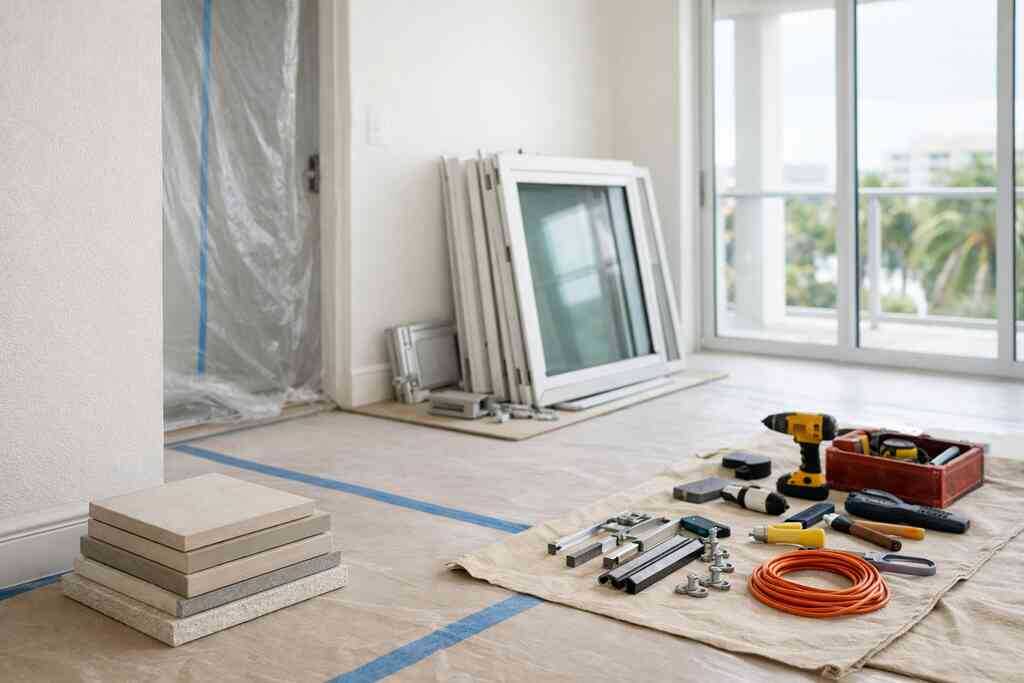
HOA approval on South Florida jobs usually requires a board or architectural review submission, contractor licensing and insurance proof, detailed plans, and any permits tied to the work. If your project affects the exterior, structure, common areas, or building systems, expect more scrutiny, especially where hurricane code compliance and community rules overlap.
Key Takeaways
- Interior renovation approval in condo buildings is often lighter than exterior work, but you should still expect notice, paperwork, and rule checks.
- Exterior modification approval can require drawings, product approvals, material samples, and board review before any work begins.
- Licensed contractor Palm Beach County, licensed contractor Broward County, and licensed contractor Miami-Dade verification matters because many HOAs will not accept unverified contractors.
- South Florida permit process and HOA approval are separate steps; you usually need both, and one does not replace the other.
- For windows, roofs, lanais, and balconies, boards often focus on hurricane code compliance, appearance, noise, debris control, and access.
Why an HOA can stop a South Florida job before the first hammer swings
An HOA can pause a South Florida project before demo starts if the work changes the exterior, affects common elements, or conflicts with community rules. Interior cosmetic updates may need only notice, but anything visible from outside, structural, or shared with neighbors often goes to an HOA architectural review board approval process first.
The difference between interior work that only needs board notice and exterior changes that trigger architectural review
A simple kitchen refresh may only need board notice if it stays inside the unit and does not affect plumbing, electrical, or walls. A full home remodeling contractor South Florida project is different if you move walls, change flooring that affects sound transmission, or alter ventilation. Once the work touches the outside shell, it usually becomes an exterior modification approval issue.
Here is the part most homeowners miss: even “interior” jobs can trigger HOA review if they create noise, require hall access, or change what the building hears and sees. A bathroom remodel with tile over a sound-sensitive slab, for example, may need underlayment details and work-hour compliance. One owner in a Fort Lauderdale condo learned this the hard way when the board rejected a flooring package until the contractor added a sound-control spec and product sheet.
Why condo renovation South Florida and townhome remodeling South Florida usually need more paperwork than a single family home
Condo renovation South Florida and townhome remodeling South Florida projects usually involve more people, more rules, and more shared property. You may need elevator reservations, hallway protection, insurance certificates, and access scheduling. In a single-family home, the homeowner often controls the whole site; in a condo, the association controls the building envelope and common areas.
That is why community association approval requirements can feel heavier than the city permit. Boards often want proof that the contractor understands condo board documentation, parking restrictions, debris removal, and common area access rules. If you are hiring a licensed contractor Miami-Dade or elsewhere in South Florida, ask early whether they have worked under HOA restrictions before.
How hurricane code compliance and community rules collide on windows, roofs, lanais, screen enclosures, and balconies
Exterior work in South Florida sits at the intersection of appearance rules and wind-resistance rules. A board may care about frame color and sightlines, while the city or county cares about product approval and Florida Building Code compliance. That tension shows up fast with hurricane impact window installer South Florida, hurricane shutter contractor, roofing contractor South Florida, and screen enclosure contractor South Florida work. 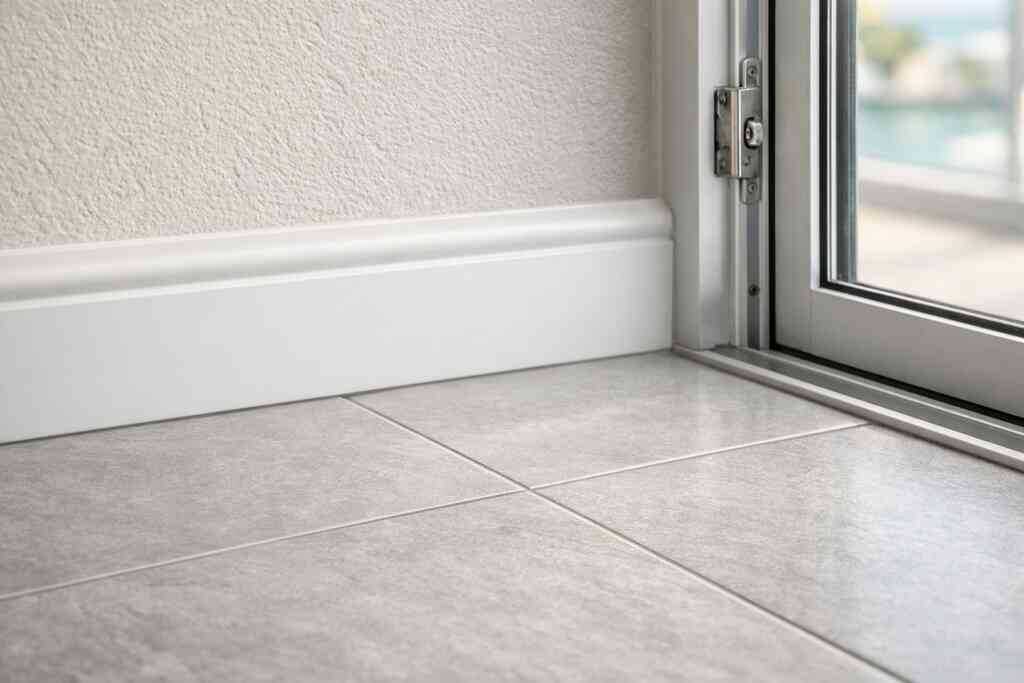
Project typeHOA focusCode focusImpact windowsFrame color, grille pattern, consistencyProduct approval, opening protection, wind resistanceRoof workTile style, color, appearance, noiseUnderlayment, fastening, hurricane roof tie-downsLanai or screen enclosureVisibility, setbacks, profileStructural attachment, wind load, permitsBalcony repairFinish, guardrail look, accessStructural integrity, waterproofing, life safetyIf you are near the coast, boards may be stricter because oceanfront buildings face more corrosion, water intrusion, and wind exposure. I have seen a simple balcony repair become a long review cycle because the owner wanted a different railing finish than the association standard. That is common in waterfront home builder South Florida and oceanfront home contractor settings too. The paper trail that gets South Florida HOA approval moving instead of bouncing back
A clean submittal usually includes drawings, product data, contractor credentials, insurance, and a clear scope of work. If you want approval to move instead of bounce back, package the submission like a permit set: organized, specific, and consistent with the South Florida permit process. The better the paperwork, the fewer board questions.
What boards usually want in a clean submittal from architectural drawings and material samples to contractor license and insurance proof
Most boards want enough detail to understand exactly what will change, who will do it, and how the work will be protected. That usually means:
- Architectural drawings for HOA approval or a clear scope sketch.
- Material cut sheets, color samples, and finish details.
- Contractor license information and proof of contractor licensing Florida compliance.
- Insurance certificates, sometimes with the HOA named as additional insured.
- Proof of permit submission or permit readiness for the correct jurisdiction.
- Work schedule, noise plan, debris plan, and access plan.
- Any required lien waiver Florida language or contractor acknowledgment forms.
The board is not just checking aesthetics. It is checking risk. That is why contractor insurance requirements Florida and contractor bonding requirements matter before you submit. If the contractor cannot produce basic documentation, the application may stall even if the design looks fine.
A homeowner in Palm Beach County once came to us after two failed submissions on a balcony waterproofing job. The problem was not the scope. The problem was the contractor packet: missing insurance pages, vague product data, and no clear line between HOA approval and county permitting. Once the packet was rebuilt, the review moved much faster.
DocumentWhy the HOA wants itLicense proofConfirms the contractor is authorized to workInsurance certificateReduces association riskProduct approvalsShows the material meets building and community standardsScope of workPrevents scope creep and unauthorized changesWork scheduleHelps manage noise, elevator use, and accessBefore you submit, how to verify a contractor license should be part of your checklist, not an afterthought. The safest move is to confirm the license directly with the state and compare the business name on the application with the name on the insurance certificate. If you are comparing South Florida contractors, that one step can save weeks.
For complex projects, especially South Florida design build, South Florida home additions, or second story addition South Florida work, boards may also want a more detailed review package. A good general contractor near me South Florida should know how to line up HOA approval with city or county permits so the process does not split into two separate headaches.
If you are already collecting bids, this is a smart time to use a regional directory like South Florida Contractors and read How South Florida Contractors Handle HOA Approval in Condos to compare licensed pros before you file anything. It is especially useful if you are trying to find a contractor South Florida for a project that needs both association review and permit coordination.
For county-specific projects, the same standards still apply, but the paperwork will be tailored to the local permitting office. A Palm Beach County permit, Broward County permit, or Miami-Dade permit may each have different submission habits, even though the HOA expects the same core package. That is why a contractor who understands both the board packet and the permit desk is worth more than a low bid.
Frequently Asked Questions
Question: What is required for HOA approval on South Florida jobs, and how does South Florida Contractors help with the South Florida HOA approval process?
Answer: HOA approval usually depends on the type of work, but most South Florida projects need a clear submittal package before any construction begins. For condo renovation South Florida, townhome remodeling South Florida, and exterior modification approval, the association often wants architectural drawings for HOA approval, product specifications, material samples, contractor license proof, insurance certificates, and a defined work schedule. If the project affects the exterior, common areas, structure, or building systems, the board may also require permit and HOA coordination so the South Florida permit process stays aligned with association rules. South Florida Contractors helps homeowners find a contractor South Florida who understands community association approval requirements, condo board documentation, and the realities of working under HOA construction guidelines South Florida. That matters because a strong application can reduce delays, prevent resubmittals, and keep your project moving.
Question: Do I need a licensed contractor Palm Beach County, licensed contractor Broward County, or licensed contractor Miami-Dade for HOA work?
Answer: In most cases, yes, and the HOA will usually expect that the contractor is properly licensed for the county where the work is being done. Whether you need a licensed contractor Palm Beach County, licensed contractor Broward County, or licensed contractor Miami-Dade, the board will often ask for contractor licensing Florida documentation, a valid certificate of insurance for HOA review, and sometimes contractor bonding requirements or lien waiver Florida paperwork. South Florida Contractors is a practical place to start because the directory helps you compare South Florida contractors across the region instead of guessing based on a random online listing. Before hiring, always verify the license, insurance, and scope of work. That is especially important for home remodeling contractor South Florida projects, South Florida kitchen remodeler jobs, and South Florida bathroom remodeler projects where both the HOA and the permit office may review the paperwork.
Question: How do hurricane code compliance and Florida Building Code compliance affect windows, roofs, lanais, and balconies?
Answer: Exterior work in South Florida is heavily shaped by hurricane code compliance and Florida Building Code compliance, especially when the project involves windows, roofs, lanais, balconies, or screen enclosures. A hurricane impact window installer South Florida may need to show product approvals and frame details, while a roofing contractor South Florida may need to document roof materials, fastening methods, and hurricane roof tie-downs. For lanai builder South Florida work or a screen enclosure contractor South Florida project, the association may care about visibility, color, and appearance, while the permit office focuses on wind resistance, attachment, and structural safety. This is why the HOA review and permit review are separate but connected. South Florida Contractors helps homeowners find professionals who understand both sides of the process, which is especially useful for coastal wind mitigation requirements, oceanfront home contractor work, and waterfront home builder South Florida projects where reviews are often more detailed.
Question: What paperwork should I prepare for a condo renovation South Florida or townhome remodeling South Florida project?
Answer: For a condo renovation South Florida or townhome remodeling South Florida project, the best submittals are organized, specific, and complete. Boards often want a scope of work, architectural drawings if the layout is changing, product data, color and finish selections, contractor insurance requirements Florida documentation, contractor registration with HOA forms if needed, and a schedule that addresses noise and work-hour restrictions. Depending on the project, you may also need elevator protection during renovations, common area access rules, debris removal and site cleanup plans, and parking and staging restrictions. If the work involves flooring, cabinetry, tile, or waterproofing, the association may ask for extra details because those items can affect sound, moisture, and neighboring units. South Florida Contractors helps you find a contractor South Florida who is used to compiling condo board documentation and coordinating with the South Florida permit process so the project package is less likely to be bounced back for missing information.
Question: Can South Florida Contractors help me find the right specialist for projects like paver installation South Florida, pool deck contractor South Florida, or outdoor kitchen contractor South Florida under HOA rules?
Answer: Yes. South Florida Contractors is designed to help homeowners and property managers connect with the right trade for the job, whether that is paver installation South Florida, pool deck contractor South Florida, outdoor kitchen contractor South Florida, South Florida flooring installer, South Florida tile contractor, South Florida cabinet maker, or South Florida concrete contractor. For HOA-covered work, the right contractor should know how to handle exterior modification approval, material and color matching requirements, and permit and HOA coordination without creating avoidable delays. That is especially important for projects that touch common areas or change the exterior appearance of the property. If your job is more complex, such as South Florida home additions, second story addition South Florida, South Florida design build, or South Florida luxury renovation, it becomes even more important to use a contractor who understands both community association approval requirements and local permitting. South Florida Contractors helps narrow the search so you can compare qualified options, then verify licensing and insurance before moving forward.