
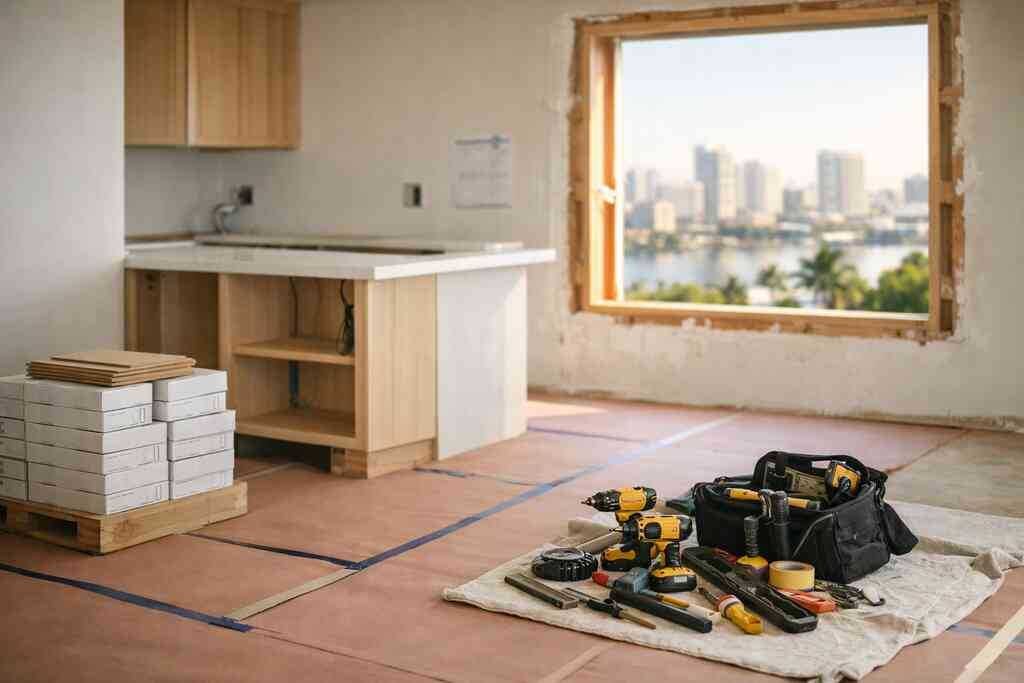
The difference is control: condo remodeling is usually more restricted because the association, building systems, and shared structure shape what you can change, while townhome remodeling often gives you more freedom but still comes with HOA rules and permit requirements. In South Florida, both can trigger hurricane-code reviews, especially for windows, roofing, and any exterior work.
Key Takeaways
- Condo remodeling usually requires more approvals because the building, shared walls, and common elements are controlled by the condo association and often the board.
- Townhome remodeling can feel more like a house project, but exterior changes, roofs, windows, and any work near shared elements may still require association approval and permits.
- In Palm Beach, Broward, and Miami-Dade counties, hurricane-code compliance and permit reviews often affect impact windows, shutters, roofing, and waterproofing.
- You should verify licensing, insurance, bonding, and lien waivers before hiring any contractor for condo renovation South Florida or townhome remodeling South Florida.
- The safest first step is to confirm the building rules, then compare bids from a licensed contractor Palm Beach County, licensed contractor Broward County, or licensed contractor Miami-Dade based on your location.
Why a condo remodel can look simple until the rules start talking back
A condo remodel can seem straightforward until you realize you do not control the whole building, only your unit, and sometimes not even all of that. The condo association, board rules, permit offices, and shared systems can limit demolition, plumbing, flooring, and even work hours. That is why condo remodeling South Florida often starts with paperwork, not hammers.
The first surprise is not demolition; it is who actually controls the work in your building
In a condo, the biggest question is not what you want to change. It is who has authority over the area you want to touch. You may own the interior finishes, but the slab, structural walls, plumbing risers, electrical chases, and exterior openings may belong to the association or be heavily restricted by the declaration.
Here is the part most homeowners miss: a kitchen remodel in a condo can involve the board, the management company, and the permit office before the first cabinet comes out. A simple bathroom update can be just as complicated if you need to move plumbing or replace waterproofing. We have seen projects stall for weeks because a homeowner assumed “inside my unit” meant “mine to change.”
For a deeper overview of building-rule friction, see How Do HOA Approvals Affect Condo Renovations in Miami.
Why interior changes in a condo can trigger HOA approval, condo board review, and permit requirements
Interior renovation condo projects often need both condo association approval and a municipal permit. Those are separate steps. The association cares about building rules, noise, waterproofing, and structural impact. The city or county cares about safety, code compliance, and licensed trade oversight.
Common triggers include:
- Flooring replacement in condos that needs soundproof flooring options or underlayment approval
- Removing or relocating plumbing in a bathroom remodel in a condo
- Electrical changes that affect circuits, panels, or GFCI protection
- Cabinet replacement if it affects walls, plumbing, or ventilation
- Window or door changes that intersect with hurricane-code requirements
If you are trying to map out what the board may ask for, this HOA approval guide is a useful starting point. For permit-heavy condo work, the rules behind what contractors need for condo renovation permits are worth reviewing before you sign anything.
A quick example: one client in Broward wanted new tile, a walk-in shower, and updated lighting. The association approved the finishes quickly, but the waterproofing details and plumbing drawings delayed the project until the contractor revised the submittal. Nothing was wrong with the design. The paperwork simply had to match the building’s review process.
The hidden South Florida variables that change the scope in Palm Beach, Broward, and Miami-Dade counties
South Florida adds layers that other markets do not. Palm Beach County permit, Broward County permit, and Miami-Dade permit review can all feel similar on paper, but each building department and each association may handle submittals a little differently. Add hurricane exposure, and exterior work gets serious fast. That matters for condo renovation permits because impact windows, shutters, roofing interfaces, balcony waterproofing, and façade-related work may need tighter documentation. A hurricane impact window installer South Florida or hurricane shutter contractor usually has to coordinate product approvals, installation details, and inspection timing. For exterior or structural work, always assume hurricane-code compliance will be part of the discussion, not an afterthought. If you want a broader planning framework, the Ultimate Guide To Condo Renovation South and How To Plan A Condo Renovation pages help you organize the sequence before you commit to materials or demolition. 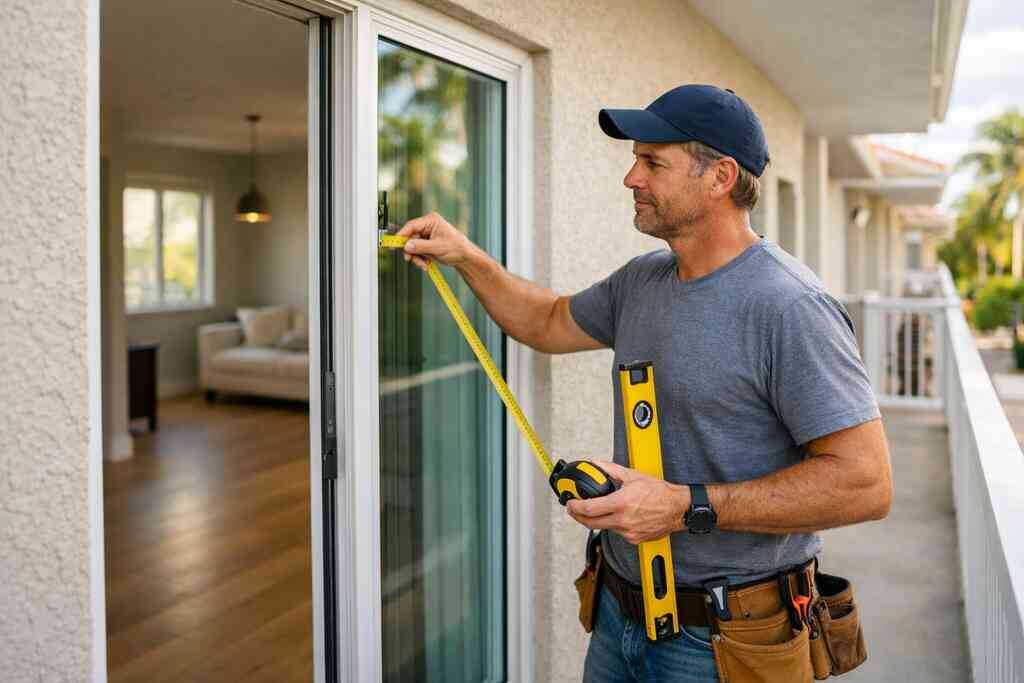
When a townhome remodel behaves like a house and when it still does not
A townhome remodel often feels closer to a single-family project because you may have more control over the interior layout and sometimes the roof, windows, or entry. But it is not always as simple as a house. Shared walls, association rules, and exterior restrictions can still limit what you can change, especially in South Florida where weather and code issues matter.
Which walls, roofs, windows, and exterior elements are yours to touch, and which are shared or restricted
In a townhome, the rule is usually this: you may control more of the unit than you would in a condo, but you still need to verify what is deeded, shared, or regulated by the association. The roof, exterior cladding, windows, and some structural components may still be common elements or subject to approval.
That distinction affects townhome remodeling South Florida projects in very practical ways. A shared wall remodeling plan may require fire-rating checks. Townhome exterior remodeling often needs HOA approval even when the interior does not. And if you are changing windows, doors, or roof components, hurricane-code compliance becomes unavoidable. South Florida building codes are not a formality here; they directly shape the scope.
Project areaCondoTownhomeInterior wallsOften limited, especially near structure or plumbingOften more flexible, but still verify load-bearing statusFlooringMay need soundproof flooring approvalUsually easier, but association rules may still applyWindows and exterior doorsOften association-controlledSometimes owner-controlled, sometimes shared or restrictedRoof workUsually association-controlledMay be owner-controlled or association-controlled, depending on documentsPermitsCommon for most trade or structural changesCommon for structural, exterior, electrical, plumbing, and roof workIf you are comparing contractor types, a home remodeling contractor South Florida or a South Florida design build team can help you sort out what is cosmetic versus what needs engineering, permits, and association review. The right team will ask for governing documents before pricing the job.
A second example: a Lake Worth townhome owner thought they only needed paint, new flooring, and a patio refresh. Once the contractor reviewed the association documents, the patio enclosure, drainage tie-in, and sliding-door replacement each needed separate approval. What looked like a weekend project became a permitting and coordination project.
For townhome and multi-trade work, a broad general contractor near me South Florida search can help, but only after you verify the license and insurance. If you are comparing specialized teams, South Florida Contractors Guide To HOA Approvals is especially useful for understanding how association rules affect the schedule.
If your project includes kitchens or baths, look for a South Florida kitchen remodeler or South Florida bathroom remodeler that regularly works in condo and townhome settings. If it includes waterproofing, exterior repairs, or storm-related upgrades, make sure the contractor understands hurricane code compliance before the work begins.
If you want a practical next step, start by checking your building documents, then compare quotes from a licensed contractor Miami-Dade, licensed contractor Broward County, or licensed contractor Palm Beach County. Verify the contractor license, confirm contractor insurance requirements Florida, ask about contractor bonding requirements, and require lien waivers and written change orders before work starts. You do not have to figure it all out alone, and you do not have to figure it out today. Start with one careful call, then use South Florida Contractors to find a local match by ZIP, city, and trade, or call 18443112703 to begin the search.
Frequently Asked Questions
Question: What Is the Difference Between Condo and Townhome Remodeling for a South Florida homeowner?
Answer: The biggest difference is control and approval. Condo remodeling South Florida projects are usually more restricted because the condo association, board rules, shared structure, and building systems can limit what you can change. Townhome remodeling South Florida projects often give you more flexibility, but you still may need townhome association approval, permits, and hurricane-code compliance for exterior or structural work. In either case, South Florida homeowners should start by reviewing the governing documents, then confirm the South Florida permit process for items like flooring replacement in condos, kitchen remodel in a condo, bathroom remodel in a condo, windows, roofing, and any shared wall remodeling. South Florida Contractors can help you find a contractor South Florida by ZIP code, city, and trade, so you can compare a licensed contractor Palm Beach County, licensed contractor Broward County, or licensed contractor Miami-Dade before work begins. Always verify licensing, insurance, bonding, and lien waiver Florida requirements before hiring anyone.
Question: Do I need condo association approval and condo renovation permits before starting an interior renovation condo project?
Answer: In most cases, yes. Condo association approval and condo renovation permits are often separate requirements, and both may apply to the same project. The association may review work hours, waterproofing, noise, structural limitations in condos, and whether your renovation affects common elements or shared systems. The city or county may require permits for plumbing, electrical, waterproofing, layout changes, or anything that touches code compliance. This is especially important for a kitchen remodel in a condo, a bathroom remodel in a condo, or flooring replacement in condos that may need soundproof flooring options or condo flooring approval. A South Florida kitchen remodeler or South Florida bathroom remodeler who regularly works in condo buildings can help coordinate drawings, submittals, and inspections, but you should still verify contractor licensing Florida, contractor insurance requirements Florida, and contractor bonding requirements before you sign a contract. South Florida Contractors is a practical place to start because it helps you compare qualified local pros without guessing who handles condo board rules remodeling correctly.
Question: How does hurricane code compliance affect townhome exterior remodeling, windows, roofing, and shutters in South Florida?
Answer: Hurricane code compliance can shape the entire scope of a townhome project in South Florida, especially when the work involves exterior openings or roof systems. If you are planning impact windows, shutters, roofing, or waterproofing, the association and the permit office may both require product approvals, installation details, and inspections. A hurricane impact window installer South Florida or hurricane shutter contractor should understand how Miami-Dade permit, Broward County permit, or Palm Beach County permit reviews can affect timing and documentation. The same is true for a roofing contractor South Florida handling roof tie-ins or hurricane roof tie-downs on shared or owner-controlled structures. Because building codes and approvals can vary by building and location, it is smart to work with a home remodeling contractor South Florida or South Florida design build team that knows how to coordinate the South Florida permit process without skipping steps. South Florida Contractors can help you locate a local contractor, but you should always confirm the license, insurance, and permit responsibility before work starts.
Question: What should I check before hiring a general contractor near me South Florida for condo or townhome remodeling?
Answer: Before hiring any general contractor near me South Florida, make sure you verify the contractor license, confirm insurance, ask about bonding, and review past experience with condo renovation South Florida and townhome renovation permits. You should also ask how the contractor handles South Florida HOA permit requirements, lien waiver Florida paperwork, and change order contractor Florida procedures if the scope changes. A trustworthy contractor should be comfortable discussing the governing documents, permit requirements for remodeling, and whether your project needs a licensed contractor Miami-Dade, licensed contractor Broward County, or licensed contractor Palm Beach County depending on where you live. If your project includes flooring, cabinetry, tile, or structural modifications, you may need specialists such as a South Florida flooring installer, South Florida tile contractor, or South Florida cabinet maker working under a qualified remodeling team. South Florida Contractors is useful because it helps homeowners compare options in one place instead of chasing random leads, but the final decision should always be based on verified credentials, written scope, and clear approval steps.
Question: Can South Florida Contractors help me find the right specialist for condo or townhome projects like kitchens, bathrooms, flooring, and exterior upgrades?
Answer: Yes. South Florida Contractors is built to help homeowners find a contractor South Florida across a wide range of project types, including condo and townhome remodeling South Florida, kitchen and bath updates, flooring, exterior work, and larger projects. If your job is a South Florida kitchen remodeler or South Florida bathroom remodeler search, the directory can help you compare local contractors by ZIP code, city, and trade. If your project includes exterior work, you can also look for a hurricane impact window installer South Florida, hurricane shutter contractor, roofing contractor South Florida, pool deck contractor South Florida, paver installation South Florida, screen enclosure contractor South Florida, or outdoor kitchen contractor South Florida, depending on the scope. For homeowners planning larger improvements, the directory can also support searches for South Florida home additions, sunroom contractor South Florida, lanai builder South Florida, energy efficient remodeler South Florida, or aging in place contractor South Florida. The key is to match the project with the right trade, then verify licensing, insurance, and permits before signing. That is the safest way to move from research to construction with confidence.