
If cracks are widening, floors feel uneven, or doors and windows are suddenly sticking, you may need South Florida foundation repair sooner rather than later. In South Florida, heavy rain, storm bands, drainage problems, and shifting coastal soils can turn a small warning sign into a structural issue fast.
Key Takeaways
- Widening cracks, sloped floors, sticking openings, and recurring drywall cracks are common signs of foundation movement in South Florida homes.
- Moisture intrusion, poor drainage, and coastal soil erosion can make minor foundation issues worse after storms and heavy rainfall.
- Garage slabs, patios, pool decks, and driveways can reveal broader settlement problems before interior damage becomes obvious.
- Any structural repair should involve a licensed contractor in Palm Beach County, Broward County, or Miami-Dade, with insurance, bonding, and permit checks verified first.
- Permit requirements and hurricane-code compliance matter for foundation work, especially when repairs affect exterior or structural elements.
1) Cracks that keep widening after every heavy rain or hurricane band
Widening cracks after rain are one of the clearest foundation settlement signs. In South Florida, diagonal cracks in foundation walls and slab cracks often point to movement from moisture intrusion, drainage issues near the foundation, or soil shifting under the slab. If the crack grows, changes direction, or reappears after patching, treat it as structural until a licensed professional confirms otherwise.
Why diagonal cracks in foundation walls and slab cracks deserve immediate attention in South Florida homes
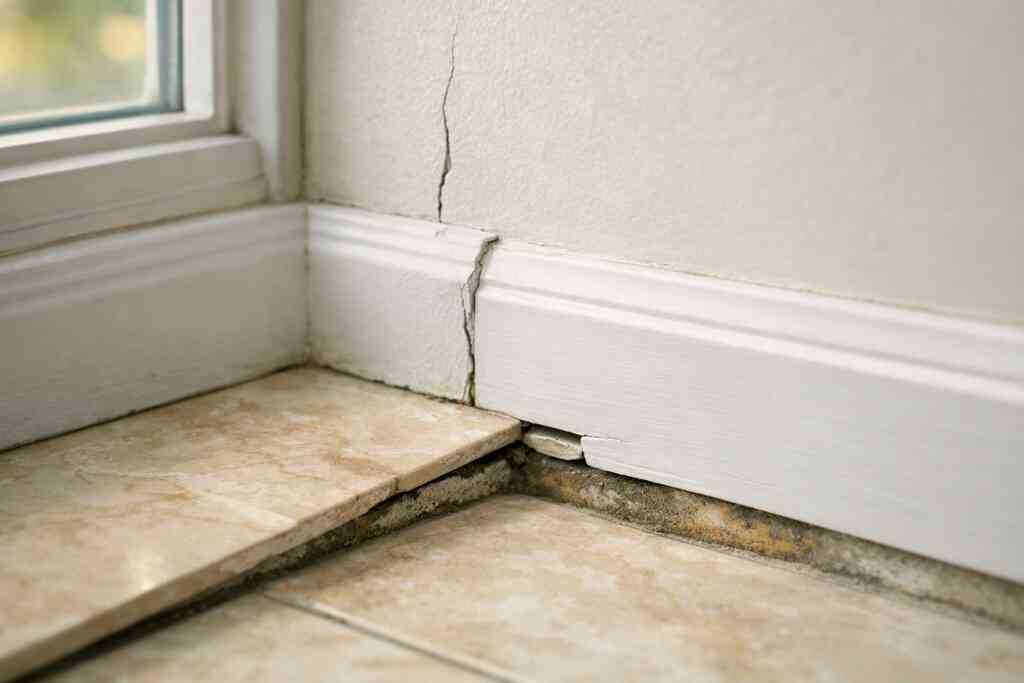
Diagonal cracking usually means the structure is moving, not just aging. In a slab home, you may see cracks run from a corner of a window opening toward the floor, or across tile joints in a way that looks new after a storm. That pattern can show uneven settlement, slab foundation problems, or pressure from soil heaving and shifting.
Here is the part most homeowners miss: a crack that seems stable during dry weather can open after a week of soaking rain. One homeowner near Coral Springs called after noticing a hairline crack by the garage door. Two storm bands later, it had spread across the corner of the opening and into the interior tile. The repair plan changed from cosmetic patching to structural evaluation.
How moisture intrusion, drainage issues near the foundation, and coastal soil erosion turn small cracks into structural warning signs
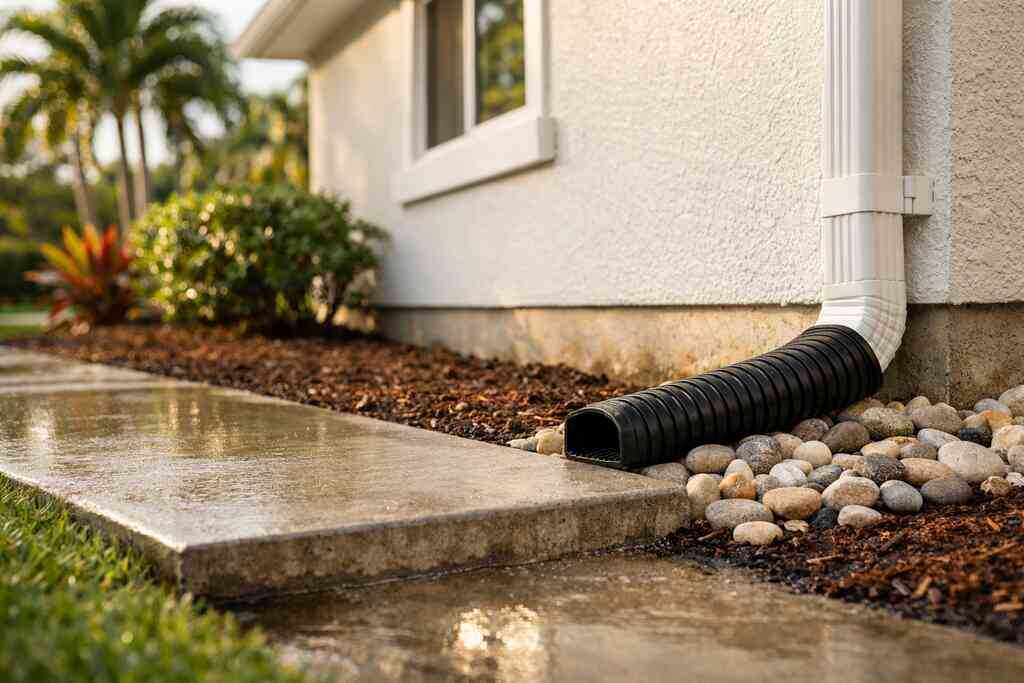
South Florida homes deal with saturated ground, shallow water tables, and rapid drainage changes. If gutters dump water too close to the house or grading slopes toward the slab, moisture intrusion around the foundation can soften support soils. On waterfront lots, coastal soil erosion can add another layer of movement, especially where the home sits close to fill dirt or older seawall conditions.
A practical first check looks like this:
- Look for cracks wider than a credit card edge.
- Mark the ends with pencil and date them.
- Watch for new gaps after heavy rain.
- Check exterior grading and downspout discharge.
- Look for tile lifting, baseboard separation, or new door rubs near the crack.
If you suspect a deeper issue, compare your symptoms with this foundation warning guide. It helps you separate cosmetic cracks from structural ones before you call for estimates.
2) Floors that suddenly feel sloped, springy, or uneven underfoot
Uneven floors in South Florida homes often mean the slab or supporting soil is moving. A floor that feels sloped, bouncy, or different from room to room can signal sinking foundation repair needs, slab foundation problems, or settlement around garage and patio areas. If the change feels sudden, do not assume it is just normal aging.
What uneven floors in South Florida homes can reveal about soil shifting, slab foundation problems, or sinking foundation repair needs
The floor tells the truth before the walls do. A marble, ball, or phone-level test can reveal a subtle slope, but your feet may notice it first. If a hallway dips near the center of the home, or one side of a living room feels springier than another, the slab may be losing support.
In South Florida, settlement can happen where fill dirt was compacted poorly, where plumbing leaks wash away soil, or where long-term moisture causes the ground to soften. That is why many foundation leveling contractor inspections start with floor elevation readings before they ever talk about repairs. A good evaluation should also consider crawl space foundation concerns where applicable, though most local homes sit on slabs.
SignWhat it may meanWhy it mattersSloped hallway floorDifferential settlementCan point to one side of the slab sinkingSoft or springy feelLost subgrade supportOften linked to voids or moisture problemsTile cracks along grout linesMovement under finish flooringMay reveal slab foundation problemsVisible gap at trimOngoing settlementSuggests movement is still activeIf you want a broader regional perspective, this South Florida foundation repair overview is useful before you decide what kind of specialist to contact.
When garage floor cracks, patio settlement, and pool deck settlement point to a broader South Florida foundation repair issue
Garage slabs and exterior flatwork often fail before the main house does. Cracks in the garage floor, a patio that tilts away from the home, or pool deck settlement around the coping can all indicate the same soil movement affecting the foundation. If those areas have separated from the structure, the issue is usually bigger than surface concrete repair.
The mistake we see most often is waiting until the tile inside the house cracks too. By then, the repair scope can expand. A coastal homeowner in Broward once called about a small pool deck drop near the skimmer. The inspection showed settlement had already started under the adjacent room, which changed the plan from concrete patching to a structural repair discussion.
3) Doors and windows that stick even after a fresh paint job
Sticking doors and windows are often early signs of house settlement repair needs. If trim is freshly painted but doors still rub, latch hard, or refuse to close evenly, the frame may be out of square because the structure has moved. In South Florida, that movement can be tied to soil changes, storm pressure, or foundation settlement.
Why sticking doors and windows often show house settlement repair needs before the damage becomes obvious
Paint can hide a lot, but it cannot fix a shifted frame. If you need to lift a door to close it, or a window suddenly scrapes after years of smooth use, the opening may no longer be square. That often happens before larger symptoms appear, which is why homeowners should treat repeated sticking as a structural clue, not a hardware problem. A quick rule of thumb helps: 1. Check whether multiple openings are affected.
- Open and close each one slowly.
- Look for new gaps at the top corners.
- Inspect for cracked caulk outside the frame.
- Note whether the problem got worse after storms.

If several openings are acting up at once, the issue may be foundation movement rather than isolated carpentry. That is especially true in homes with long spans, wide openings, or older additions that were not tied into the original structure as well as they should have been.
How hurricane-related foundation movement, swelling soils, and South Florida building codes can complicate exterior openings and repairs
Storm pressure can shift a structure just enough to cause alignment problems, especially after repeated weather events. Swelling soils around the perimeter can also push unevenly against the slab and framing. When repairs affect exterior openings, South Florida building codes and hurricane-code requirements may come into play, especially for impact-rated windows, doors, and surrounding structural framing.
That is why a simple trim fix is not always the right answer. If the opening has moved, the repair may need structural correction before finish work goes back in. For homeowners comparing local help, it is smart to start with a directory of local contractors and verify licensing before anyone touches the opening.
4) Drywall cracks that return no matter how many times you patch them
Repeated drywall cracks often mean the structure is still moving. If you patch a crack, paint over it, and see the same line return, the problem may be foundation movement rather than cosmetic settling. In South Florida, recurring cracks can also be linked to moisture intrusion around the foundation or slab leak warning signs.
How repeated drywall cracks from foundation movement differ from cosmetic settling and what to inspect first
A normal settling crack usually appears once and then stays quiet. A movement crack comes back. It may reappear at the same seam, widen at the corners, or show up in a pattern around doors, windows, and ceiling transitions. That pattern matters more than the drywall itself.
Before you patch again, inspect these areas:
- Corners above doors and windows
- Ceiling-to-wall joints
- Long interior walls near plumbing runs
- Areas close to patios or exterior walls
- Baseboards with recurring gaps
If the crack is accompanied by a soft floor spot, new tile cracking, or a faint moisture stain, the wall may be telling you about a foundation or plumbing issue below. That is where a closer inspection saves money.
When moisture intrusion around the foundation, slab leak warning signs, or retaining wall failure near the home are part of the same problem
Moisture and structure are connected. Water entering near the foundation can weaken support soils, while a slab leak can wash away material under the home and create new settlement. In some properties, retaining wall failure near the home changes drainage enough to trigger both wall cracks and floor movement.
A short anonymous example: a Miami-Dade homeowner kept patching a bedroom crack every few months. The final inspection found a drainage slope issue outside, a wet area near a retaining wall, and a slab leak warning sign under the living room side. Once the water issue was fixed, the cracking stopped returning.
If you are still sorting through symptoms, this Top 10 guide is a helpful side-by-side reference.
5) When the next step is a licensed South Florida foundation repair contractor, not another DIY fix
If the signs are recurring or getting worse, the next step is a licensed South Florida foundation repair contractor. You should verify licensing, insurance, bonding, and lien waiver Florida paperwork before work begins, and you should never skip permits for structural repairs. In Palm Beach County, Broward County, and Miami-Dade, permit requirements and hurricane-code compliance can affect the scope and order of the job.
How to verify a contractor license in Palm Beach County, Broward County, or Miami-Dade and confirm insurance, bonding, and lien waiver Florida paperwork
This part is genuinely confusing for most people, especially if you are comparing several bids. Start by confirming the contractor is licensed for the work they are proposing. For projects that may involve structural correction, foundation repair, or related concrete work, ask for the license number, insurance certificate, and proof of bonding if applicable. Then request a clear written scope and any lien waiver Florida documents tied to payments.
Use this simple comparison:
What to verifyWhy it mattersLicense statusConfirms the contractor is authorized to do the workInsuranceHelps protect you if damage or injury occursBondingAdds another layer of financial protection in some casesWritten scopePrevents confusion about what is includedLien waiversHelps show subcontractors and suppliers were paidFor general hiring standards, the FTC advertising guidance is useful when you are comparing claims, guarantees, or too-good-to-be-true promotions. It is a good reminder to ask for specifics, not slogans.
What permit requirements, South Florida permit process realities, and hurricane code compliance mean before any structural repair or foundation leveling contractor starts work
Structural repairs usually require permits, and that is not optional. The South Florida permit process can involve plan review, supporting documents, and inspections, depending on the scope and jurisdiction. If the repair changes structural members, exterior openings, or load paths, hurricane code compliance may also affect the details, especially in homes exposed to wind and moisture.
Do not let anyone tell you to handle the permit later. That is how jobs get delayed, reworked, or disputed. If you are trying to find the right help, South Florida Contractors is a practical place to start because it helps you find a contractor South Florida homeowners can compare by trade and area before they make the first call. Search the directory, then call 18443112703 once you are ready to speak with a local professional.
Frequently Asked Questions
Question: What are the most common foundation settlement signs South Florida homeowners should watch for after heavy rain or storms?
Answer: The most common foundation settlement signs in South Florida include widening cracks in foundation walls, slab cracks, uneven floors in South Florida homes, sticking doors and windows, and drywall cracks from foundation movement that keep returning. After heavy rain or hurricane bands, these symptoms can worsen because soil shifting in South Florida, moisture intrusion around the foundation, and drainage issues near the foundation can all affect the slab. If you notice cracks that grow, tile that starts to lift, or trim gaps near openings, it is smart to treat the situation as structural until a licensed contractor confirms otherwise. South Florida Contractors helps homeowners compare local options so they can find a contractor South Florida residents can trust for inspection, repair planning, and permit-aware next steps.
Question: How do I know if I need South Florida foundation repair or just a cosmetic patch?
Answer: A cosmetic crack usually stays the same size and does not come back after patching, while South Florida foundation repair becomes more likely when the problem keeps recurring or spreads after rain. If you see diagonal cracks in foundation walls, garage floor cracks, patio and porch settlement, or pool deck settlement around the home, those can point to slab foundation problems or sinking foundation repair needs. Repeated drywall cracks from foundation movement, sloped floors, and doors or windows that suddenly stick are also strong signs that the structure may be moving. South Florida Contractors encourages homeowners to get a proper evaluation from a licensed contractor Palm Beach County, licensed contractor Broward County, or licensed contractor Miami-Dade before assuming the issue is only surface-level. That approach helps avoid wasted money on temporary fixes when the underlying issue may require structural crack repair or concrete slab repair South Florida homes often need.
Question: Does South Florida Contractors help me find a licensed contractor for foundation leveling contractor services and hurricane-related foundation damage repairs?
Answer: Yes. South Florida Contractors is designed to help you find a contractor South Florida homeowners can compare by area, distance, and service type, including professionals who may handle foundation leveling contractor work, concrete slab repair South Florida projects, and other structural services related to hurricane-related foundation damage. Because South Florida weather can create moisture intrusion around the foundation, drainage problems, and coastal soil erosion, it is important to work with someone who understands local conditions and hurricane code compliance for structural repairs. Before hiring, you should always verify licensing, insurance, bonding, and lien waiver Florida paperwork, and ask whether the project may require a Palm Beach County permit, Broward County permit, or Miami-Dade permit depending on the job location. South Florida Contractors makes it easier to start that search, but homeowners should still confirm credentials directly with the contractor before any work begins.
Question: What should I ask before hiring a South Florida concrete contractor for structural crack repair or house settlement repair?
Answer: Before hiring a South Florida concrete contractor, ask about their license status, insurance, bonding, experience with house settlement repair, and whether they have handled projects involving slab leak warning signs, retaining wall failure near the foundation, or foundation waterproofing solutions. It is also wise to ask how they handle the South Florida permit process, whether they are familiar with South Florida building codes, and how they approach hurricane code compliance for structural repairs. A trustworthy contractor should explain the inspection findings clearly, provide a written scope, and tell you whether the work is cosmetic, structural, or requires additional evaluation. South Florida Contractors helps you compare local professionals, but it is still your responsibility to verify the contractor license and confirm they are properly insured before signing anything. That is especially important for exterior and structural work that can affect safety, drainage, and long-term performance.
Question: Can South Florida Contractors help with other related projects like drainage grading improvements, French drain installation, or patio and pool deck settlement repairs?
Answer: Yes, South Florida Contractors can help you begin the search for professionals who handle related work such as drainage grading improvements, French drain installation, and exterior concrete issues like patio and pool deck settlement repairs. These services often go hand in hand with foundation problems because poor drainage, soil heaving and shifting, and moisture intrusion around the foundation can all contribute to movement under the slab. In some cases, the right solution may involve more than one trade, such as a South Florida concrete contractor, a roofing contractor South Florida homeowner may need for runoff control, or another licensed specialist depending on the site conditions. If you are comparing options for a general contractor near me South Florida search, start with the directory, review the details, and call the company directly to discuss the project. As always, verify licensing, insurance, and permit requirements before work begins, especially when the repair may affect structural elements or hurricane-related details.
Question: Why should I use South Florida Contractors instead of choosing the first company I find online for foundation repair?
Answer: South Florida Contractors gives homeowners a practical way to compare South Florida contractors across Palm Beach, Broward, and Miami-Dade Counties instead of relying on the first search result or a flashy ad. That matters because foundation settlement signs can be caused by several different issues, including soil shifting in South Florida, moisture intrusion around the foundation, coastal soil erosion, or even slab leak warning signs, and the right contractor needs to identify the real cause before recommending repairs. The directory helps you find a contractor South Florida homeowners can contact directly, review by distance and service area, and evaluate before scheduling an estimate. For structural work, you should still confirm contractor insurance requirements Florida, contractor bonding requirements, and any lien waiver Florida paperwork, plus check whether the South Florida permit process applies to your project. South Florida Contractors is a strong starting point, but the final decision should always be based on verified credentials, a clear scope, and compliance with South Florida building codes and hurricane-code requirements.