
When a hairline crack is really a warning sign in a South Florida home
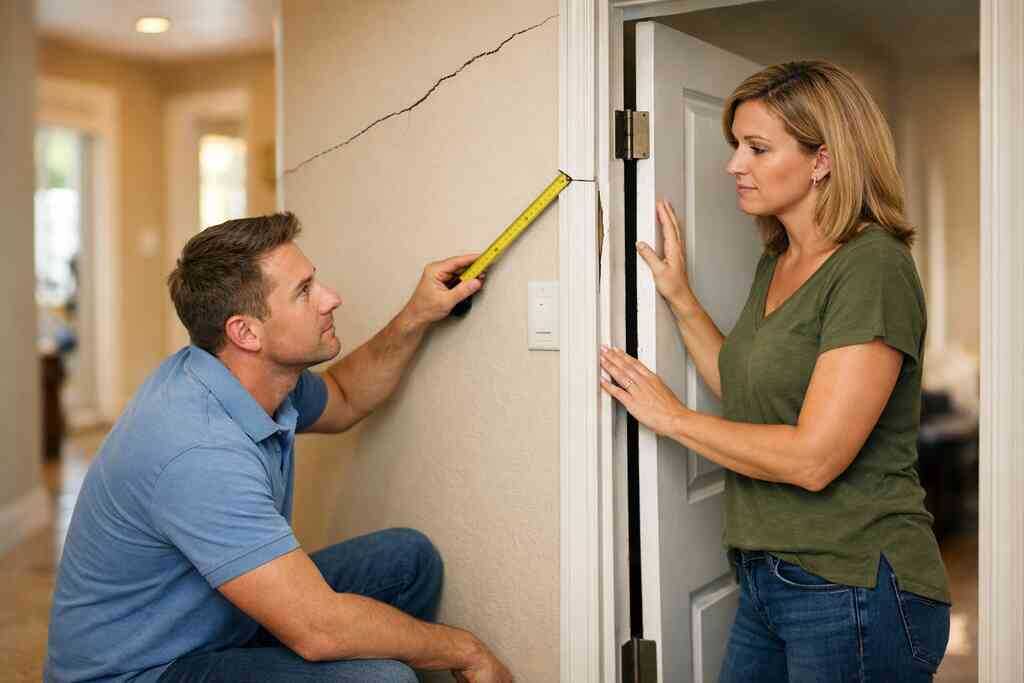
A homeowner in Broward called after noticing a thin crack above a bedroom door. By the weekend, the door would not latch. That is the part most people miss. The crack is rarely the problem; it is the message. If you feel uneasy about what you are seeing, that reaction is healthy.
Small changes often show up first as wall cracks from settlement, sticking doors and windows, or uneven floors in South Florida homes. Sometimes the trim gaps widen before the slab tells on itself. If you are searching for South Florida foundation repair signs, start by trusting patterns, not one isolated mark. A single crack may be cosmetic. Several symptoms together deserve a closer look.
The subtle wall cracks, sticking doors, and uneven floors that usually show up before the big problem does
Here is what we see again and again in homes with foundation settling in South Florida: diagonal cracks at door corners, doors that scrape, and floors that feel slightly sloped underfoot. You may also notice baseboards separating from drywall. These are classic signs of movement, especially in homes with long slab spans or added weight from renovations. A solid slab crack inspection starts with those clues, not with guesswork.
The question we get more than any other from first-time buyers is simple: “How bad is bad?” That is a fair question. If cracks are widening, appearing in multiple rooms, or pairing with window alignment issues, you need a home foundation inspection. If you need a place to start, the Top 10 Signs You Need Foundation Repair in Coastal Florida guide helps you sort the early warning signs from the noise. In South Florida, that distinction can save you weeks of stress.
How soil movement, drainage problems, irrigation overwatering, and plumbing leaks quietly damage slabs and foundations
South Florida soils are tricky. You get sandy sections, compacted fill, and pockets that hold water longer than they should. Add soil movement in South Florida and you get slab stress. Add drainage problems around the foundation, and that stress grows. Add irrigation overwatering damage, and now the soil expands and shifts in uneven ways.
Plumbing leaks make it worse because they work silently. A slab leak does not always flood a room. Sometimes it just softens the soil under part of the foundation. That can create concrete crack repair needs later, but the real fix starts with moisture control. One client in Palm Beach thought the issue came from a bad tile installation. The actual culprit was a slow irrigation leak near the front elevation, which had washed out support under the slab for months.
Why hurricane season can expose structural weakness that was already building long before the storm
A storm does not usually create a brand-new foundation problem. It exposes one that already existed. Heavy rain, saturated soil, and wind-driven pressure can make small movement look sudden. That is why hurricane impact on structural movement matters, even when the house has no visible storm damage. The house may have been warning you all along.
After major weather, we often see homeowners blame the wind first. But the real issue is often preexisting weakness that the storm simply revealed. If your doors were already sticking or your floors already sloped, take that seriously. South Florida weather is not forgiving, and hurricane code compliance for structural repairs becomes part of the long-term solution. If you are comparing help options, a licensed contractor in Broward County or a verified licensed contractor South Florida homeowners can trust should be able to explain the difference clearly.
The South Florida evidence trail that separates settlement from structural damage
The evidence usually tells a story if you know how to read it. That is why a careful structural damage assessment matters more than a quick patch. Settlement can be slow and uneven. Structural damage can be more directional and severe. In South Florida, the best decisions come from reading the pattern, not just filling the crack.
A few signs belong together. Wall cracks from settlement, shifting door frames, and floor slopes often point one way. Bowing foundation walls, repeated window misalignment, and recurring crack patterns can point another. If you are trying to find a contractor South Florida homeowners recommend, ask how they separate cosmetic wear from deeper movement. That question alone tells you a lot about their experience.
What slab crack patterns can tell you about foundation settling in South Florida homes
Crack shape matters. Vertical cracks often suggest mild movement or shrinkage. Diagonal cracks can suggest differential settlement. Stair-step cracking in masonry may indicate shifting along a load-bearing line. None of these signs proves a major failure by itself, but together they can justify a closer look from a South Florida concrete contractor.
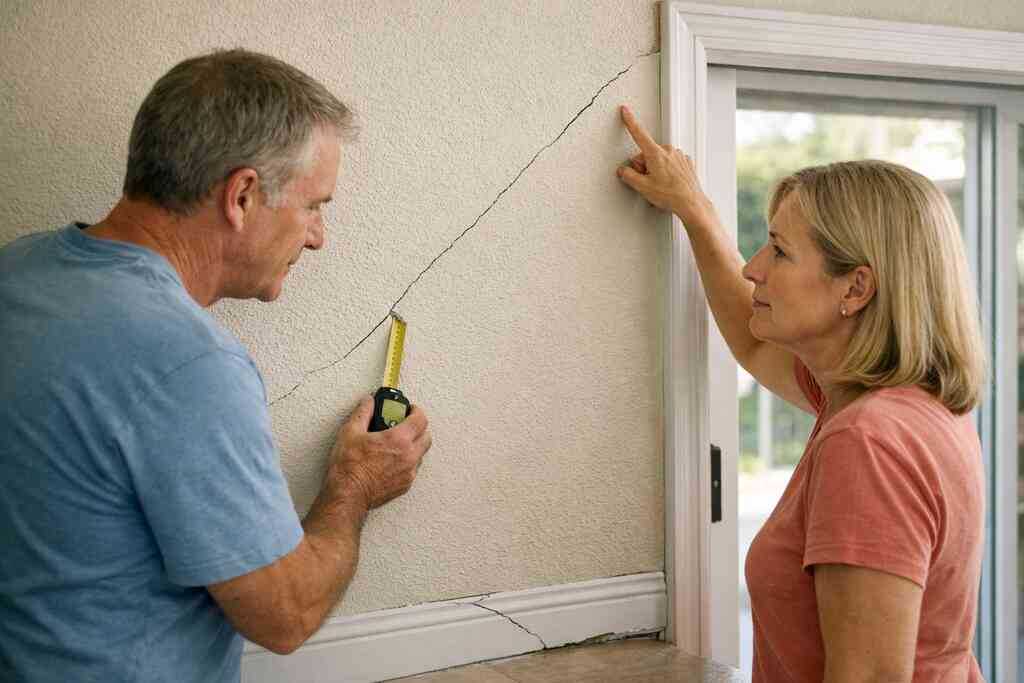
The best first step is to photograph cracks with a ruler or coin beside them. Do that in the same light each time. Then compare the images over a few weeks. If the lines grow, the situation is changing. For homeowners who want a deeper read, the article on foundation settling in South Florida homes with uneven floors and wall cracks gives a useful pattern guide. It is especially helpful when you are deciding whether the issue is minor or structural.
When bowing foundation walls, door frame separation, and window misalignment point to deeper movement
Bowing walls are not a “wait and see” problem. They suggest pressure from soil, water, or both. If door frames are pulling away from the wall, or windows no longer close smoothly, the structure may be shifting in a way that needs engineering input. That is when a general contractor near me South Florida search should turn into a more deliberate home foundation inspection conversation.
Here is a quick field check. Stand back and look at the wall from end to end. Check for curvature. Open and close windows slowly. Watch for binding. If the same problems appear in multiple openings, the movement may be wider than one room. In those cases, a licensed contractor South Florida residents can verify should coordinate with a structural engineer if needed. That is how you avoid spending money on the wrong repair.
Why crawl space moisture issues, stormwater runoff erosion, and seawall concerns matter near waterfront properties
Waterfront homes have their own rules. Crawl space moisture issues can accelerate wood decay and fastener corrosion. Stormwater runoff foundation erosion can wash away supporting soil at the perimeter. If the property sits near a canal, bay, or Intracoastal edge, seawall and waterfront foundation concerns become part of the inspection. The foundation may be stable today and compromised next season if drainage is not handled correctly.
One Miami-Dade owner called after noticing muddy water near the rear slab every time it rained hard. The house looked fine inside. Outside, runoff was channeling directly toward the footing. We corrected drainage, then addressed the slab movement. On coastal properties, that sequence matters. If you are building or repairing near the water, a coastal home builder Florida professional should think like a drainage specialist too.
How to document the damage before calling a licensed contractor South Florida homeowners can trust
Documentation helps you stay calm and gives contractors something useful to review. Start with dated photos of each crack, door gap, and floor dip. Then jot down where each symptom appears and whether it changes after rain. This makes conversations with a licensed contractor South Florida homeowners can rely on much more productive. Use this simple list: – Photograph every crack from close and far.
- Mark crack ends lightly with removable tape.
- Note recent storms, plumbing leaks, or drainage changes.
- Check whether doors and windows stick in the same places.
- Save inspection reports, invoices, and HOA notices.

If you want help choosing the right pro, the article on how to hire a contractor in South Florida is a smart starting point. It is practical, and it keeps you focused on evidence rather than panic.
The permit and code reality nobody wants to skip
This is the part homeowners find uncomfortable, and that is completely normal. Permits feel like friction when you want fast answers. But foundation work, structural repairs, and many forms of concrete repair are exactly where shortcuts become expensive. In South Florida, the South Florida permit process protects the house, the homeowner, and the next inspector who sees the work.
You should never assume a repair is too small to matter. Structural changes can trigger permit review even when the visible work looks minor. That is especially true when repairs affect load paths, columns, tie-downs, or exterior structural elements. A good home remodeling contractor South Florida homeowners hire will explain the permit path before demo starts.
When foundation repair, structural work, and concrete crack repair trigger the South Florida permit process
The rule of thumb is simple: if the work changes structure, waterproofing, load support, or exterior safety, ask about permits. Permit requirements for foundation repair in South Florida are not optional background details. They are part of responsible planning. Cosmetic patching may stay outside the permit process, but structural reinforcement usually does not.
That includes pier work, slab stabilization, major crack repair, and some drainage corrections that affect the foundation. If you are unsure, ask for a written scope that identifies what is being repaired and why. Then confirm the permitting path before signing. If you need a deeper reference, the South Florida Construction Permit Guide explains the process in plain language. It is the kind of detail that prevents avoidable delays.
How Palm Beach County permit, Broward County permit, and Miami-Dade permit expectations can differ in practice
The counties do not always handle things the same way in practice. A Palm Beach County permit review may ask for a different document set than a Broward County permit office. A Miami-Dade permit review may focus heavily on wind resistance, structural details, or local submittal standards. The work may be similar, but the paperwork can differ.
That is why homeowners should not treat South Florida as one uniform permitting system. Local reviewers may ask for engineering letters, product approvals, contractor disclosures, or revisions. If your project touches exterior walls, roof-to-wall connections, or related tie-down items, expect more scrutiny. The smartest approach is to ask early, not after demolition begins. A South Florida design build team often manages this better because planning and permitting happen together.
Why Florida Building Code compliance and hurricane code compliance matter for structural repairs and tie-down related work
Structural repairs in South Florida cannot ignore wind. Florida Building Code compliance matters because the house must perform under local environmental stress, not just look repaired. If the repair affects framing, attachments, or load transfer, hurricane code compliance becomes part of the job. That includes tie-down related work on roofs and structural connections when applicable.
Here is the plain-English version: the repair has to hold up when the weather does not cooperate. That is true for exterior wall repairs, roof tie-ins, and any work that affects the building envelope. If you are also considering hurricane impact window installer South Florida options or a hurricane shutter contractor, coordinate the scope. If the house has structural movement, those upgrades should not be treated like separate islands. The right contractor will think about the whole system.
What HOA approvals, condo renovation South Florida rules, and coastal restrictions can add to the timeline
HOAs and condos can add another layer of paperwork. South Florida HOA permit rules may require architectural review, neighbor notices, insurance certificates, or approved work hours. Condo renovation South Florida projects can also demand association approvals before city or county permits move forward. Coastal communities may add restrictions on staging, noise, access, or even material choices.
That is not a reason to panic. It is a reason to plan better. If your home sits in a managed community, ask for the association checklist before you hire anyone. If you are in a waterfront or coastal zone, expect more documentation, not less. The right South Florida contractors will build that reality into the schedule from day one.
How to verify contractor license, insurance, bonding, and lien waiver paperwork before signing anything
This part is non-negotiable. Verify the license. Verify the insurance. Ask about bonding if the scope requires it. Then review payment paperwork carefully, including lien waiver Florida forms. A lien waiver means the contractor or subcontractor acknowledges payment for work completed, which helps reduce lien risk.
Use this checklist before you sign:
- Confirm the contractor’s Florida license status.
- Ask for current insurance certificates.
- Request any bonding details relevant to the job.
- Review the written scope and payment milestones.
- Ask how change orders will be approved in writing.
- Keep copies of every signed document.
If you want a quick reference, the guide on how to verify a Florida contractor’s license is useful. So is the article on how to check contractor insurance requirements in Florida. Those two checks alone can save you from a costly mistake.
Frequently Asked Questions
Question: What are the most common South Florida foundation repair signs I should watch for in my home?
Answer: The earliest South Florida foundation repair signs are often subtle: wall cracks from settlement, sticking doors and windows, door frame separation, uneven floors in South Florida homes, and gaps in trim or baseboards. In South Florida, those symptoms can be tied to soil movement, drainage problems around the foundation, irrigation overwatering damage, or plumbing leak foundation damage. A single crack is not always serious, but when several symptoms appear together, it is time for a structural damage assessment and a home foundation inspection. South Florida Contractors helps homeowners sort through those warning signs so they can find a contractor South Florida residents can trust instead of guessing or patching over the problem. If the issue involves exterior walls, slab movement, or any structural repair, remember that hurricane code compliance and the South Florida permit process may apply.
Question: How does the blog Ultimate Guide to South Florida Foundation Repair Signs 2026 help me decide whether I need South Florida foundation repair or just a cosmetic fix?
Answer: The blog Ultimate Guide to South Florida Foundation Repair Signs 2026 is designed to help homeowners tell the difference between cosmetic cracking and real structural movement. It explains how slab crack inspection, bowing foundation walls, window misalignment, and repeated cracking patterns can point to foundation settling in South Florida, not just normal wear. It also shows why South Florida concrete contractor experience matters when the signs may be caused by sandy soil issues, stormwater runoff foundation erosion, or crawl space moisture issues. South Florida Contractors is a practical starting point because the directory helps you connect with a licensed contractor South Florida, licensed contractor Palm Beach County, licensed contractor Broward County, or licensed contractor Miami-Dade homeowners can verify before moving forward. That matters because any foundation repair should be evaluated carefully, with permits, insurance, and contractor licensing Florida requirements checked first.
Question: What should I do before hiring a general contractor near me South Florida for foundation or structural repair work?
Answer: Before you hire a general contractor near me South Florida, start by documenting the damage. Take dated photos of cracks, note whether doors and windows stick, and record any recent storms, leaks, or drainage changes. Then verify contractor licensing Florida status, contractor insurance requirements Florida, and any contractor bonding requirements that may apply to the job. Ask for a written scope, confirm how change order contractor Florida work will be handled, and request lien waiver Florida paperwork as payments are made. If the job affects load-bearing elements, exterior walls, or moisture intrusion prevention, make sure the contractor discusses the South Florida permit process and hurricane code compliance for structural repairs. South Florida Contractors is built to make that search easier by helping you connect with contractors in Palm Beach, Broward, and Miami-Dade Counties, but you should always verify licensing and insurance before signing anything.
Question: Do foundation repairs in South Florida usually need permits, and how do Palm Beach County permit, Broward County permit, and Miami-Dade permit rules differ?
Answer: In many cases, yes, foundation repairs and related structural work do need permits. The exact permit requirements for foundation repair depend on the scope of work, but anything involving structural support, slab foundation repair, concrete crack repair tied to stability, or drainage changes that affect the foundation should be reviewed under the South Florida permit process. Palm Beach County permit, Broward County permit, and Miami-Dade permit expectations can differ in the documents they ask for, the engineering support required, and the way they review exterior and hurricane-related work. That is why you should never assume a repair is too small to matter. A professional South Florida concrete contractor or home remodeling contractor South Florida homeowners trust should explain the permitting path up front. South Florida Contractors encourages homeowners to plan ahead, because skipping permits can lead to delays, inspection problems, or costly corrections later.
Question: Can South Florida foundation issues be related to drainage, waterproofing, or coastal conditions near waterfront homes?
Answer: Absolutely. In South Florida, foundation problems are often tied to drainage problems around the foundation, irrigation overwatering damage, stormwater runoff foundation erosion, crawl space moisture issues, and seawall and waterfront foundation concerns. Coastal properties can experience soil washout, moisture intrusion, and changing ground conditions that put extra stress on the slab or foundation system. That is why coastal home builder Florida, waterfront home builder South Florida, or oceanfront home contractor experience can matter when the issue involves more than a simple crack. The right contractor should think beyond the visible damage and address moisture intrusion prevention, grading, drainage, and structural movement together. If you are building or repairing near the water, South Florida Contractors can help you find a contractor South Florida homeowners can vet carefully for the right combination of structural, drainage, and permit experience.