
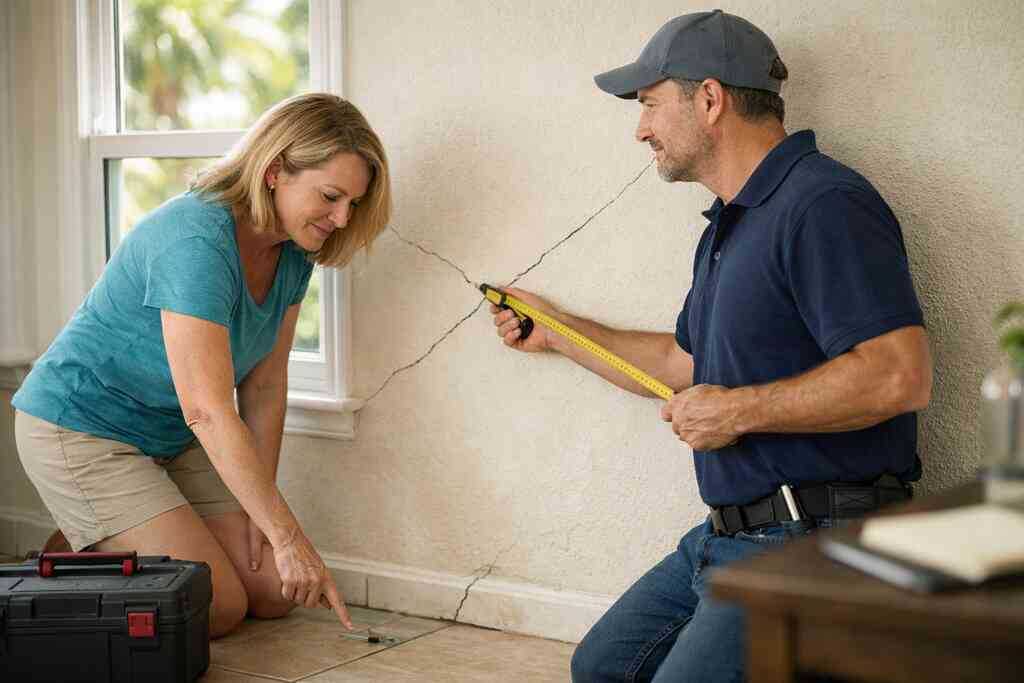
A homeowner in Broward called after a small crack near a window turned into a diagonal line across the living room wall. That kind of call can make your stomach tighten. If you are staring at cracks, sticky doors, or sloping floors, that reaction is normal. In South Florida, small foundation clues can become bigger structural problems faster than many people expect. Salt air, heavy rain, sandy soils, and hurricane-season stress all work against your home. That is why South Florida foundation repair deserves prompt, practical attention.
Most people hope a crack is just cosmetic. Sometimes it is. Sometimes it is the first visible sign of soil movement in South Florida or sinkage in slab foundations. The hard part is telling the difference without guessing. You do not need to panic, but you should not ignore it either. If you are trying to find a contractor South Florida homeowners can trust, start with a careful inspection, not a patch job. Always verify licensing and insurance before anyone touches the structure.
Cracks that keep growing instead of settling down
When a hairline crack becomes a foundation repair warning sign in South Florida
Hairline cracks happen in homes. That alone does not prove structural foundation damage. Still, in South Florida, a crack that lengthens, widens, or returns after patching deserves attention. Moisture, heat, and seasonal ground movement can turn a tiny line into a real problem. The question is not whether a crack exists. The question is whether it is active.
Here is the part most homeowners miss. A crack that changes is more serious than a crack that sits quietly for years. On the projects we have seen this year, the active ones usually have a story behind them. Drainage problems around the home, poor grading near the foundation, or hurricane-season foundation stress often show up first in the cracks. If you see that pattern, you may need a Top 10 Signs You Need Foundation Repair in Coastal Florida review before you repaint or re-stucco.
Which wall, floor, or ceiling crack patterns point to soil movement or slab stress
Not every crack means the same thing. Vertical cracks can be less alarming than diagonal ones. Stair-step cracks in block walls often point to movement worth checking. Ceiling cracks that run with a sagging line can suggest framing stress, not just old drywall joints. Floor cracks across tile can also indicate slab movement underneath.
A simple rule helps. If cracks appear in multiple surfaces at once, the issue may be deeper than finish materials. One client in Palm Beach County had a thin crack at a baseboard, then a matching one above a door frame. That pattern pointed to movement, not ordinary settling. The repair started with a foundation inspection by a structural professional, not with cosmetic patching. That saved them from paying twice.
How coastal moisture, drainage problems, and hurricane-season foundation stress can widen damage
South Florida homes live with water pressure other regions never see. Coastal moisture, saltwater and soil erosion impact, and sudden downpours all affect the soil around your slab. When water lingers near the foundation, the ground softens and shifts. Then the next heavy rain or wind-driven storm adds more stress. That cycle widens existing cracks and can create new ones.
This is why exterior work near the structure should respect hurricane-code requirements. If a repair affects walls, openings, or lateral support, the contractor should understand hurricane-code compliant structural repair. A licensed contractor Miami-Dade homeowners can rely on should explain those implications clearly. Cosmetic repairs may hide the symptom. Structural repairs address the cause.
When cracks in stucco and concrete are cosmetic versus when they suggest structural foundation damage
Stucco cracks are common in coastal Florida. So are small concrete surface lines. Cosmetic cracks usually stay thin, stay isolated, and do not change shape quickly. Structural cracks often widen at one end, repeat in nearby areas, or connect with other symptoms like sticking doors and windows. If the crack crosses a corner or follows a foundation line, pay close attention.
A quick comparison can help you think clearly:
Likely cosmeticPossible structural issueThin, isolated stucco lineRepeated or widening cracksOld crack that never changesNew crack after rain or stormSurface-only concrete checkingDiagonal or stair-step wall cracksNo door or floor changesCracks plus movement in openingsIf you are unsure, do not guess. A licensed contractor near me in Broward County can help coordinate the right inspection path. That may include a structural professional and a South Florida concrete contractor. Repair cracks in stucco and concrete only after you know what caused them.
Floors that start telling on the slab
How uneven floors in a Florida home reveal sinkage in slab foundations
Uneven floors are easy to blame on age. That is often too casual. In a slab home, floors can reveal what the slab is doing underneath. If a marble rolls across the room, if furniture rocks, or if tile lines suddenly look off, the slab may be settling unevenly. That is one of the clearest signs of foundation problems in South Florida.
The issue becomes more obvious near transitions. You may notice one room feels lower than the next. You may also feel a slight dip near an exterior wall. Those are classic signs of slab heaving or sinkage in slab foundations. A concrete slab foundation inspection should never be dismissed as “just Florida” without checking the structure.
The difference between normal house settling and slab heaving that needs a concrete slab foundation inspection
Normal settling usually happens early and then slows. Slab heaving is different. It can lift part of a slab because of moisture changes, expansive soil pockets, or pressure beneath the concrete. In South Florida, that can happen after repeated water intrusion after heavy rain or from chronic drainage problems around the home. When the floor rises in one section, doors may scrape and trim may separate.
A concrete slab foundation inspection helps separate harmless movement from damage that needs repair. The inspection should look for cracks, elevation changes, and moisture conditions under and around the slab. A South Florida concrete contractor and structural repair team should not start patching tile before that review. If you are comparing options, ask for a foundation repair contractor in South Florida who works with structural assessments, not just surface fixes. That distinction matters.
Why sloping or sagging floors often show up near kitchens, additions, and waterfront rooms
Kitchens get heavy use, and they carry weight. Cabinets, appliances, tile, and plumbing concentrate load in one area. Additions can show movement because they were built later or on slightly different soil conditions. Waterfront rooms can feel it too, especially where moisture and soil erosion affect the perimeter. Those are common places for sloping or sagging floors to reveal the problem first.
If you live near the water, do not assume the floor change is “normal coastal living.” Waterfront home foundation concerns deserve a closer look. The combination of soil movement in South Florida and repeated moisture exposure can make a small slope feel worse over time. That is especially true in older homes and additions. A careful South Florida home structural assessment should map the floor, not just eyeball it.
What South Florida concrete contractor and structural repair teams should evaluate before any patch work begins
Before anyone installs leveling compound or replaces tile, the structure should be understood. A good team looks at the slab, load paths, plumbing leaks, exterior drainage, and nearby cracks. They should also ask whether the issue is localized or spread across the home. That tells you whether you are dealing with home settlement vs foundation failure. Patching too early can hide the warning signs and delay real repair.
The safest path is simple:
- Measure floor elevation changes.
- Check exterior grading and drainage.
- Inspect for plumbing leaks.
- Review nearby wall and ceiling cracks.
- Confirm whether the slab has heaved or settled.
If you need a licensed contractor near me in Palm Beach County to coordinate that work, verify credentials first. A real professional will welcome the scrutiny. That is especially true for coastal home structural repairs where hurricane-code compliant structural repair may be part of the fix.
Doors and windows that suddenly fight back
Why sticking doors and windows can signal more than humidity in South Florida
Humidity can make wood swell. That is true. But when several doors and windows begin sticking at once, look deeper. Shifting framing, slab movement, or foundation settlement can throw openings out of square. In South Florida, that often appears after rain cycles, not just after a sticky summer week. If your front door rubs, your slider drags, and a bedroom door latches poorly, the home may be moving.
This is one of the most overlooked settling foundation warning signs. People adjust hinges and keep moving. That can be fine for a single door. It is not fine when the problem repeats in different parts of the house. A sticking doors and windows in a home pattern often deserves a structural look before trim work begins.
How gaps around windows and trim can point to shifting framing or foundation movement
Gaps around windows and trim are not just cosmetic. They can mean the frame has shifted, the surrounding wall has moved, or the opening has lost its square. You may see daylight at one corner. You may also notice cracked caulk that keeps splitting. Those signs often travel with foundation movement, especially in slab homes.
A Miami-Dade homeowner once called about a window that would not lock after a stormy stretch. The real issue was not the lock. The opening had shifted enough to twist the frame. The fix included structural assessment, not just a new latch. That is the kind of detail a seasoned licensed contractor Miami-Dade residents should explain before anyone orders finish materials. Gaps around windows and trim are clues, not just annoyances.
When window and door issues overlap with hurricane impact window installer South Florida concerns
Window and door problems matter even more in hurricane season. If openings are out of square, impact products may not sit or seal correctly. That can affect performance and code compliance. A hurricane impact window installer South Florida homeowners hire should know when the opening needs structural correction first. Otherwise, the new product may inherit the old problem. 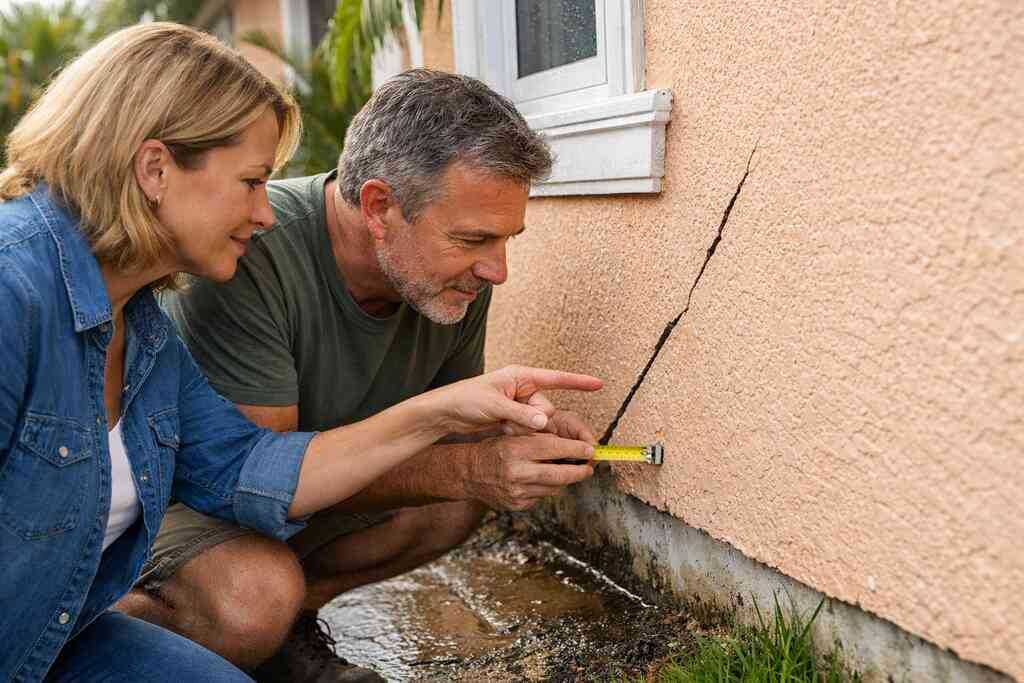
This is where project sequencing matters. You do not want to install expensive impact windows over a compromised opening. You also do not want to ignore structural movement because you are focused on aesthetics. If the issue involves openings, ask whether the repair touches hurricane-code requirements. A licensed professional should clarify that before work begins. If you are looking for a general contractor near me South Florida, make sure they coordinate both structure and opening protection.
Why coastal home structural repairs should be checked for hurricane-code compliant structural repair before cosmetic fixes
South Florida building codes take structural reliability seriously for good reason. Coastal homes face wind, moisture, and impact exposure that inland homes do not. So when doors and windows start fighting back, the repair may intersect with framing, anchorage, or wall strength. Cosmetic fixes can hide a structural issue for a while, but they do not strengthen the home. That is why code-aware repair matters.
If the problem touches openings, exterior walls, or load-bearing elements, ask about hurricane-code compliant structural repair. A coastal home structural repairs in South Florida team should explain what is structural, what is cosmetic, and what needs a permit. You should never be pushed to skip that step. The safest repair is usually the one that respects the code first.
Moisture near the foundation is rarely just moisture
What moisture damage near the foundation says about drainage, grading, and water intrusion after heavy rain
Moisture near the foundation often tells you more than the wall finish ever will. After heavy rain, water should move away from the house. If it does not, it can pool, seep, or press against the slab edge. That leads to moisture damage near the foundation, staining, mildew, and soil softening. In South Florida, that cycle is common after summer storms and slow-draining yards.
The mistake we see most often is treating moisture like a surface issue. It is usually a systems issue. Drainage problems around the home, downspout discharge, and grading all matter. If the slope pulls water toward the structure, foundation settlement in coastal Florida can become more likely. A drainage review is often the first smart move.
How poor grading near the foundation can trigger recurring foundation settlement in coastal Florida
Grading sounds simple, but it is powerful. The land around your home should send water away from the slab. When it slopes toward the house, the soil stays wet longer. That repeated saturation can undermine support and create recurring movement. In coastal areas, that also combines with sand migration and saltwater and soil erosion impact.
Poor grading near the foundation is not something you solve with a quick bag of mulch. You may need regrading, drainage correction, or waterproofing improvements. In some homes, that work requires a South Florida permit process review before it starts. If you need a South Florida Construction Permit Guide to understand the basics, use it before signing any drainage contract. Never let anyone suggest skipping permits.
When crawl space foundation concerns or slab edge dampness point to deeper drainage correction contractor South Florida needs
Some South Florida homes have crawl space foundation concerns, though slab homes are more common. In either case, dampness at the edge of the foundation matters. It may show that water is reaching places it should not. That can lead to rot, mold, or structural weakening over time. Slab edge dampness can also signal hidden plumbing issues or poor site drainage.
A drainage correction contractor South Florida homeowners trust should look at more than the wet spot. They should examine gutter flow, soil pitch, discharge points, and nearby hardscape. If you are also planning exterior work, coordinate it with the structural review. That keeps paver installation South Florida projects, pool deck repairs, and landscape changes from making the problem worse. Moisture control for foundation longevity always starts outside the wall.
Why South Florida building codes and the South Florida permit process matter for exterior repair, waterproofing, and structural work
Waterproofing, regrading, foundation drainage, and structural correction may all trigger permits. That is normal. South Florida building codes exist to protect homes from wind, water, and structural failure. The South Florida permit process can feel frustrating, but it is part of doing the job right. It also protects you if the repair is later inspected during a sale or insurance review.
A licensed contractor Palm Beach County homeowners choose should explain the permit path before work starts. The same applies in Broward and Miami-Dade. If a repair touches drainage, structure, waterproofing, or exterior openings, ask about the local approval path. A good South Florida permit process conversation saves time later. It also keeps the work aligned with South Florida home safety issues and hurricane-code compliance.
The moment to call a licensed professional before the damage compounds
When a foundation inspection by a structural professional should come before any repair quote
The best time to call is before the damage spreads. If you see cracks, sloping floors, sticking openings, or moisture near the slab, start with a structural assessment. That gives you facts before anyone sells you a repair package. It also helps separate foundation repair from unrelated work. Many homeowners try to collect quotes first, then realize each contractor diagnosed something different.
That is frustrating, and it wastes money. A foundation inspection by a structural professional can clarify the real scope. If needed, bring in a South Florida concrete contractor after the diagnosis, not before. The order matters. So does documentation.
How to verify a contractor license and confirm contractor insurance requirements Florida before signing anything
Never assume a truck logo or website means the contractor is properly licensed. Check the license. Ask for proof of insurance. Confirm that coverage matches the work being proposed. Contractor bonding requirements may also matter depending on the job scope. These checks protect you from expensive mistakes and weak recourse later.
If you want a direct starting point, review how to verify a contractor license in Florida. Then verify how to check contractor insurance requirements in Florida. A licensed contractor South Florida homeowners can trust should not hesitate. If they do, walk away.
What permit requirements for foundation repair usually involve in Palm Beach County, Broward County, and Miami-Dade County
Permit requirements for foundation repair can vary by county and project scope. Palm Beach County, Broward County, and Miami-Dade County may all review the work differently. That is especially true if the repair affects structure, waterproofing, drainage, or exterior openings. HOA permit issues can add another layer in condo renovation South Florida and townhome remodeling South Florida projects. You should plan for that reality early.
A practical step helps here. Ask the contractor who will pull the permit, who will submit drawings, and whether engineering is required. Also ask if the repair touches South Florida building codes tied to wind or flood resistance. If a contractor makes permitting sound optional, that is a warning sign. A Florida building code for coastal homes in 2026 resource can help you understand the bigger picture, but your permit office and licensed pro should guide the actual job.
Why a licensed contractor South Florida team should explain change orders, lien waiver Florida paperwork, and contractor dispute resolution upfront
A good contractor explains paperwork before signatures. A change order is any written change to the original scope, price, or schedule. A lien waiver is a document showing a contractor or subcontractor has been paid for work covered by that payment. Both matter. They protect you from confusion and payment disputes. They also make the project easier to track.
You should also ask how the contractor handles contractor dispute resolution if something goes wrong. That conversation tells you a lot. On bigger projects, a South Florida contractors guide to lien waivers in Florida can keep everyone aligned. If you want to find a contractor South Florida homeowners can vet properly, use the directory, then compare licensing, insurance, and permit readiness. You do not have to figure this out alone, and you do not have to figure it all out today. Start with one call, one inspection, and one verified license.
Frequently Asked Questions
Question: What are the most common signs of foundation problems in South Florida that I should not ignore?
Answer: The biggest warning signs are cracks in foundation walls that keep growing, uneven floors in a Florida home, sticking doors and windows, gaps around windows and trim, sloping or sagging floors, and moisture damage near the foundation. In South Florida, those symptoms can point to soil movement in South Florida, sinkage in slab foundations, or drainage problems around the home rather than simple cosmetic wear. If you notice more than one of these issues at the same time, it is smart to schedule a foundation inspection by a structural professional before making repairs. South Florida Contractors can help you find a contractor South Florida homeowners can trust, but always verify licensing and insurance before starting any work.
Question: How do I know if I need South Florida foundation repair or just cosmetic crack repair in stucco and concrete?
Answer: Cosmetic cracks usually stay thin, isolated, and stable over time. Structural foundation damage is more likely when cracks widen, return after patching, show up in multiple areas, or appear with sticking doors and windows or floor slope. That is especially true in South Florida, where heavy rain, poor grading near the foundation, and hurricane-season foundation stress can make small issues grow quickly. A South Florida concrete contractor or licensed contractor Miami-Dade, licensed contractor Broward County, or licensed contractor Palm Beach County can help assess the situation, but the best first step is a home structural assessment. South Florida Contractors is a strong place to begin because the directory helps you connect with local professionals who can evaluate the problem before you spend money on the wrong fix.
Question: What should I ask before hiring a general contractor near me South Florida for a foundation or drainage repair project?
Answer: Ask whether they are licensed, insured, and experienced with South Florida foundation repair, permit requirements for foundation repair, and hurricane-code compliant structural repair. You should also ask who will handle the South Florida permit process, whether the work may require engineering, and whether they have experience with drainage correction contractor South Florida projects or waterfront home foundation concerns. It is also wise to ask about contractor bonding requirements, lien waiver Florida paperwork, change order contractor Florida procedures, and how they handle contractor dispute resolution. South Florida Contractors helps homeowners compare options in Palm Beach, Broward, and Miami-Dade Counties, but every contractor should still be verified directly for contractor licensing Florida and contractor insurance requirements Florida before you sign anything.
Question: Why do moisture problems near the foundation matter so much in South Florida homes?
Answer: Moisture near the foundation is often a sign of a larger drainage issue, not just a wet spot. In South Florida, water intrusion after heavy rain, poor grading near the foundation, clogged gutters, or runoff that pools by the slab can lead to foundation settlement in coastal Florida, mold risk, and long-term movement. It can also affect crawl space foundation concerns where those exist, or create slab edge dampness in slab homes. That is why moisture control for foundation longevity is such a big deal. A proper inspection should look at grading, downspouts, drainage paths, and whether the slab or surrounding soil has shifted. South Florida Contractors can help you find the right contractor for this kind of evaluation, including a South Florida concrete contractor or general contractor near me South Florida, depending on the scope.
Question: Can South Florida Contractors help me understand the blog Top 5 Signs Your South Florida Foundation Repair Needs Help and choose the right next step?
Answer: Yes. The blog is designed to help homeowners spot the early signs of slab and structural trouble before damage compounds. If you are seeing cracks, uneven floors in a Florida home, sticking doors and windows, gaps around windows and trim, or moisture damage near the foundation, the next step is usually a foundation inspection by a structural professional rather than cosmetic patching. South Florida Contractors makes it easier to find a contractor South Florida homeowners can compare by location, including licensed contractor Palm Beach County, licensed contractor Broward County, and licensed contractor Miami-Dade listings. That means you can move from worry to action with a clearer plan. Just remember to confirm licensing, insurance, and permit readiness before hiring anyone, especially for coastal home structural repairs, hurricane impact window installer South Florida work, or anything tied to South Florida building codes.