
Spring 2026 Permit Guide for South Florida Contractors Projects
April 5, 2026
Navigating the Permit Landscape of South Florida
Understanding the South Florida Regulatory Environment
South Florida construction projects operate within a demanding regulatory environment that contractors must understand thoroughly. The region’s unique environmental and urban constraints require working through a complex array of regulations. Familiarizing yourself with the specifics of South Florida building permits is essential for compliance. The regulatory framework blends state and local codes that both buyers and builders must follow, ensuring safety and sustainability in a region prone to hurricanes and flooding. Staying informed about these regulations not only aids compliance but also contributes to the efficient progression of projects.
Key Players: Who Governs Construction Permits
Construction permits in South Florida are governed by a network of local, regional, and state bodies. Key players include municipal building departments, the Florida Department of Environmental Protection, and the South Florida Water Management District. Each entity has its own set of rules and regulations that contractors must follow. Understanding how these governing bodies interact and how they affect the permit application process is critical for securing project approval without unnecessary delays. Building relationships with these bodies gives contractors valuable insights and opens dialogue that leads to smoother compliance.
Decoding the Permit Application Process
The permit application process in South Florida is comprehensive, requiring careful attention to detail and thorough preparation. Contractors must gather all necessary documentation – such as architectural plans and environmental impact assessments – to support their applications. A solid grasp of South Florida zoning laws is vital, as these laws significantly affect project layouts and timelines. To streamline the application process, leveraging professional permit expediter services is often worthwhile. Doing so positions contractors to address potential hurdles early, helping secure faster approvals and stronger project outcomes.
Mastering the Art of Compliance
Contractor Licensing Essentials in South Florida
Securing a contractor’s license in South Florida involves several steps, each critical to establishing legitimacy and trust. The licensing process ensures contractors comply with state regulations while protecting consumers from fraudulent activity. Learning how to verify a contractor license is an essential step for anyone new to the market. A valid license signals a contractor’s commitment to ethical practices and mastery of safety standards, reassuring clients of their competency and professionalism. Ongoing education requirements tied to licensing are equally important, keeping skills sharp and relevant in a rapidly evolving industry.
Zoning Laws and Their Impact on Your Project
In South Florida, zoning laws are pivotal factors in shaping the scope and feasibility of construction projects. These laws dictate land use, influencing everything from residential layouts to commercial developments. Understanding South Florida building codes and the nuances of zoning regulations is essential for aligning projects with local mandates. Overlooking these regulations can lead to significant project delays and costly legal repercussions. By factoring zoning law requirements into the planning phase early, contractors can better align their designs with local expectations and improve approval rates.
Environmental Regulations: A Green Approach to Building
Following environmental regulations in Florida goes beyond simple compliance – it is a meaningful step toward sustainable construction. These regulations address a range of concerns, from wildlife conservation to water management. Understanding environmental regulations in Florida is essential for reducing the ecological footprint of construction projects. Adopting greener building practices helps contractors contribute positively to preserving South Florida’s fragile ecosystems. Projects that go beyond minimum compliance and embrace innovative sustainability practices often earn goodwill from regulatory bodies, which can smooth the permit process and generate broader community support.
Strategic Planning for Permit Success
Leveraging Permit Expediting Services
In the fast-paced world of construction, time directly affects the bottom line. Permit expediting services can significantly benefit contractors working in South Florida. By working with permit expediting professionals, contractors can sidestep common pitfalls and move through the permit acquisition process more efficiently. These services provide seasoned professionals who handle complex paperwork, coordinate with regulatory bodies, and keep projects on schedule. Bringing in an expediter reduces approval wait times, clears bureaucratic hurdles, and ensures projects get started without avoidable delay. This strategic choice saves time and improves overall project efficiency.
Construction Project Management Best Practices
Effective management of construction projects in South Florida depends on solid project management practices. At the core is the ability to synchronize timelines, manage resources, and implement contingency plans effectively. Proactive planning, skilled negotiation with stakeholders, and real-time technology integration all contribute to smoother project execution. Contractors who apply these practices consistently are better positioned to manage risk, meet deadlines, and satisfy clients – all of which strengthen long-term business viability. For a deeper look at how timelines are managed at scale, see how South Florida contractors manage commercial project timelines.
Navigating Permit Fees and Budgeting for Success
Budget management is an indispensable part of successful construction project planning. In South Florida, this includes understanding permit fees and accounting for them early. These fees vary considerably depending on the scope and scale of the project, and failing to budget for them can lead to financial shortfalls, project delays, or stoppages. By accurately estimating permit-related expenses from the outset, contractors can align their budgets with financial reality, keeping operations running smoothly and directing funds where they are most needed.
Building Resilience in Coastal Zones
Hurricane Preparedness: Building for the Future
In coastal South Florida, building with hurricane preparedness in mind is not optional – it is a necessity. The unpredictable nature of Florida’s weather makes it essential to incorporate hurricane preparedness into construction planning. This means selecting materials and designs that withstand strong winds and heavy rain, reinforcing structural durability, and ensuring occupant safety. Building with future climate scenarios in mind reduces risk and enhances the long-term value of the property. Contractors who prioritize preparedness tend to earn greater consumer confidence and face fewer obstacles during municipal review. For more guidance, see the guide to hurricane-ready roofs by South Florida Contractors.
Flood Zone Building Requirements and Safety
Constructing in South Florida means confronting the challenges posed by its many flood zones. Understanding flood zone building requirements is critical for successful project execution. These requirements are designed to reduce water damage risks, address flood insurance concerns, and ensure the safety and resilience of completed structures. Techniques such as elevated construction and advanced drainage systems satisfy regulatory mandates while providing peace of mind to clients. Adhering to these standards also reduces contractor liability and enhances the marketability of completed projects.
Embracing Sustainable and Energy-Efficient Practices
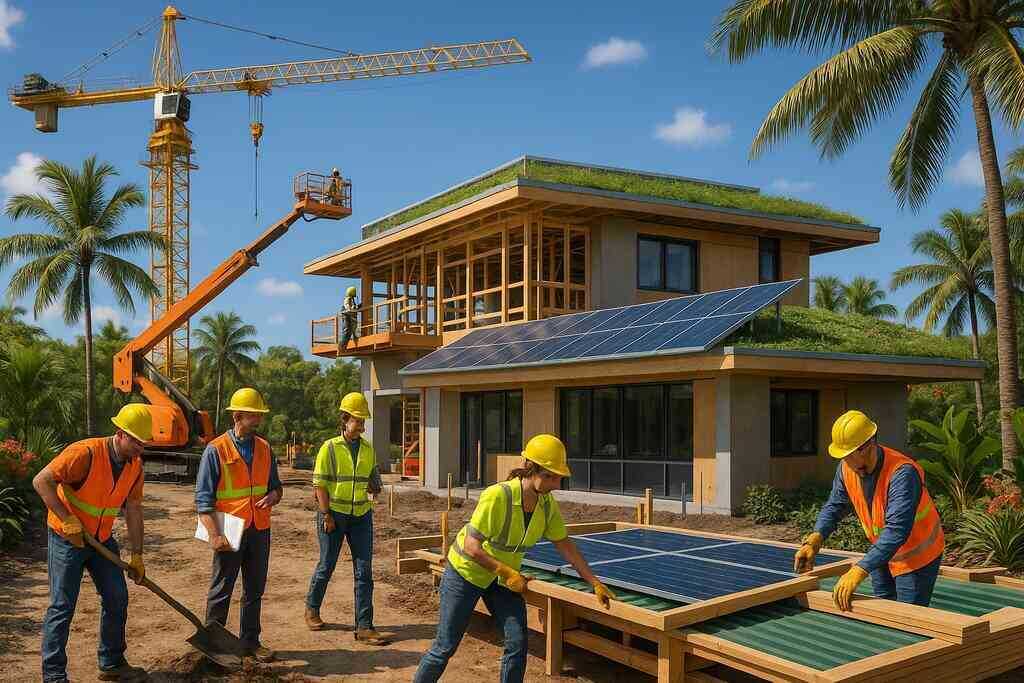
The move toward sustainable building in South Florida reflects a genuine commitment to environmental responsibility. By adopting sustainable and energy-efficient construction practices, contractors demonstrate their dedication to reducing energy consumption and minimizing environmental impact. This means selecting energy-efficient materials, incorporating renewable energy sources, and designing low-impact landscapes. Projects built on these principles often see reduced operational costs, meaningful energy savings, and stronger appeal among buyers. Prioritizing sustainability also positions contractors in alignment with current environmental legislation and ahead of broader industry trends.
Bridging the Final Gap: From Approval to Construction
The Permit Inspection Process Explained
Following permit approval, the journey continues with inspections to verify compliance with approved plans. The permit inspection process is a critical stage where contractors must coordinate with building inspectors to confirm that all work meets local regulations and building standards. Successfully clearing inspections requires strict adherence to approved designs, clear and consistent communication with inspectors, and prompt resolution of any required revisions. Proactively managing this process helps contractors secure smoother approvals, reduce red flags, and avoid costly project delays. Reviewing the spring permit checklist for South Florida contractors before inspections is a practical way to stay prepared.
Ensuring Contractor Compliance in South Florida
Maintaining compliance with South Florida’s construction regulations is an ongoing responsibility. Contractors must stay current on evolving building codes and keep meticulous documentation to demonstrate adherence at every stage. The construction management demands of this region require dedication, vigilance, and an unwavering commitment to industry standards. A rigorous compliance process protects against legal repercussions and strengthens trust with clients and regulatory bodies alike. Embracing transparency and continuous improvement helps contractors build a well-earned reputation for reliability and integrity.
Finalizing Development Approvals for a Smooth Start
The final step in the pre-construction phase involves securing all necessary development approvals so a project is ready to break ground without delays. This includes obtaining sign-offs on all required permits and resolving any outstanding issues identified during inspections. Understanding the nuances of winning permits faster in South Florida is critical for a smooth project launch. By attending carefully to this final stage, contractors set the conditions for construction that proceeds efficiently, meets expectations, and stays on schedule from day one.
Frequently Asked Questions
Question: What are some key components of the permit application process mentioned in the Spring 2026 Permit Guide for South Florida Contractors Projects?
Answer: The permit application process in South Florida, as highlighted in the Spring 2026 Permit Guide for South Florida Contractors Projects, involves several crucial steps. Contractors need to prepare comprehensive documentation, such as architectural plans and environmental impact assessments, which are vital for supporting the application. An understanding of South Florida zoning laws is essential, as these laws influence project layouts and timelines. Engaging professional permit expediting services is recommended to streamline the process, reduce approval wait times, and minimize common application hurdles. This thorough preparation ensures smooth project progression in alignment with South Florida construction regulations.
Question: How do zoning laws in South Florida affect my construction project, and how can South Florida Contractors help in navigating them?
Answer: Zoning laws in South Florida play a pivotal role in shaping construction projects by dictating land use and influencing project scope, especially for residential and commercial developments. South Florida Contractors provide expertise in interpreting these zoning laws to help align designs with local mandates, significantly improving approval rates. By integrating these considerations early in the planning phase, contractors can avoid delays and legal repercussions. Our team helps ensure compliance, making your construction project seamless and consistent with South Florida building codes, ultimately safeguarding the project’s feasibility and financial investment.
Question: What role do environmental regulations play in construction projects in South Florida, and how does South Florida Contractors ensure compliance?
Answer: Environmental regulations in South Florida are crucial for promoting sustainable construction by addressing wildlife conservation, water management, and reducing the ecological footprint of projects. South Florida Contractors adopt green building practices, selecting energy-efficient materials and incorporating renewable energy, which helps minimize environmental impact. By going beyond minimum compliance and embracing innovative sustainability practices, our projects often earn favor with regulatory bodies. This commitment not only aligns with current environmental legislation but also supports smoother permit processes, positioning South Florida Contractors as leaders in sustainable building practices across Florida.
Question: How can South Florida Contractors assist with construction project management best practices in the region?
Answer: Effective construction project management in South Florida focuses on aligning timelines, managing resources, and implementing contingency plans efficiently. South Florida Contractors emphasize proactive planning and skilled negotiation with stakeholders to manage risk and handle project complexities. Our team integrates technology for real-time updates, improving project outcomes and client satisfaction. By following construction safety regulations in Florida and applying industry expertise, South Florida Contractors deliver project management that improves the likelihood of successful results and strengthens long-term business viability.
Question: Why is contractor compliance important, and how does South Florida Contractors ensure it in construction projects?
Answer: Contractor compliance is essential for upholding legal standards and building trust with clients and regulatory bodies in South Florida. South Florida Contractors maintain a rigorous compliance process, staying current on evolving building codes and keeping detailed documentation throughout each project. This commitment to compliance protects against legal repercussions and reinforces our reputation for reliability and integrity. By prioritizing transparency and continuous improvement, South Florida Contractors deliver projects that meet industry standards, foster long-term client relationships, and build lasting trust within the construction sector.