
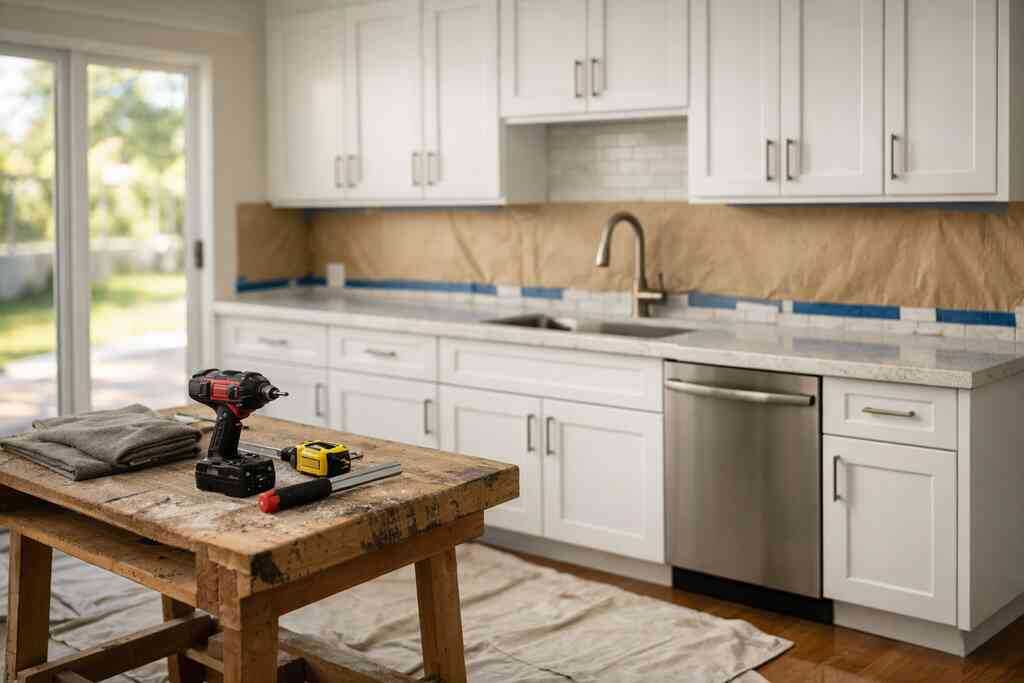
The five questions you should ask a Broward County contractor are: Are you licensed and insured? What exactly is included in the written estimate? What permits and inspections will this job need? Who will manage the site? And how do payments and lien waivers work? Ask those before you sign anything, and you lower your risk quickly.
If you are reading this after a quote came in higher than expected, take a breath. That happens a lot in South Florida, especially on projects that touch structure, weather exposure, or permits. The hard part is that the cheapest bid can look clean on paper and still cost you more later.
Key Takeaways
- A licensed contractor Broward County should be able to show active credentials, insurance proof, and clear authorization to work in South Florida.
- A strong written estimate should define labor, materials, allowances, exclusions, cleanup, and who handles permits.
- Exterior and structural work often triggers a Broward County permit, inspections, and hurricane code compliance under the Florida Building Code.
- Ask who will supervise the job daily, because subcontractor coordination and weather delays can stall even a well-planned remodel.
- Protect yourself with milestone-based payments, lien waiver Florida paperwork, and warranty terms before the final check clears.
1) Are you actually licensed, insured, and allowed to work in Broward County
A real answer here is simple: ask for license proof, insurance certificates, and the company name exactly as it appears on official records before any work starts. In South Florida, that matters because the wrong contractor can leave you exposed to code problems, stop-work orders, unpaid subs, or a denied insurance claim after storm damage or a defect.
How to verify a contractor license before anyone steps onto your property, and why that matters in South Florida
Start with the license number, then verify it through the state and local records. If someone says they are a general contractor near me South Florida, that is not enough; you want the exact legal business name, license classification, and whether the license is active and in good standing. If a contractor dodges that question, walk away.
For a broader frame on hiring, the FTC reminds consumers to verify claims and avoid high-pressure tactics in contractor ads and sales pitches. Their advertising guidance is useful because it reinforces a basic rule: if a contractor’s promises sound too polished to be checked, they probably need closer scrutiny.
One homeowner we spoke with in a Fort Lauderdale neighborhood nearly signed with a crew that had a slick estimate but no clear license trail. The bid looked attractive until the owner asked for documentation. The contractor disappeared, and the homeowner later found a licensed replacement before framing began. That saved a major headache.
What contractor insurance requirements Florida homeowners should confirm before signing anything, and what proof to ask for
At minimum, ask for proof of general liability insurance and workers’ compensation, or the proper exemption documentation if applicable. You are not asking to be difficult. You are asking because one fall from a ladder or one damaged neighbor fence can become your problem if coverage is missing.
Ask for the certificate of insurance, not a verbal promise. Confirm that the policy dates are current and that the business name matches the bid. If the project involves roofing, impact openings, or a structural change, confirm the contractor also understands contractor bonding requirements and the paperwork your lender or HOA may want. For a broader search, South Florida homeowners often start by comparing options in the South Florida contractor guides.
2) Does your written estimate spell out the real project scope, or just the pretty version
A serious estimate should read like a scope document, not a sales brochure. It must spell out labor, materials, exclusions, allowances, permit responsibility, cleanup, and who buys fixtures or finishes. If the quote is vague, expect change order contractor Florida surprises later, because missing detail is usually where budget drift starts.
Which details should be locked in for a home remodeling contractor South Florida so the bid does not explode later
For a home remodeling contractor South Florida, the estimate should identify demolition, disposal, framing, electrical, plumbing, insulation, drywall, paint, flooring, and finish items. It should also state what is not included. Here is the part most homeowners miss: if an item is not clearly included, the contractor can later treat it as extra.
Use this quick check before you sign:
- Exact room or area included
- Brand, grade, and finish allowances
- Appliance, fixture, and cabinet allowances
- Permit responsibility
- Cleanup and debris hauling
- Who manages inspections
- Any HOA or condo review steps
If you are comparing a South Florida kitchen remodeler against a South Florida bathroom remodeler, the scope should be equally specific. The same goes for additions, custom work, and South Florida design build projects where drawings and pricing should line up before demolition starts.
Estimate itemGood wordingRed flag wordingCabinets”Shaker cabinets, painted, with $X allowance for hardware””Cabinets included”Countertops”Quartz, 2 cm, with edge profile noted””Stone tops”Electrical”Relocate 6 outlets and install 8 recessed lights””Electrical as needed”Flooring”Install 900 sq. ft. of tile, demo included””New flooring”### How to spot missing allowances, vague material picks, and change order contractor Florida traps before work starts
Missing allowances are one of the most common budget traps. If the estimate says “allowance,” ask whether that number realistically fits the finish level you want. A midrange allowance for a vanity, tile, or fixture can be fine; a tiny one can turn into a surprise invoice once you pick real materials.
Also ask how change orders work in writing. A fair process is straightforward: new work gets priced, you approve it before execution, and both sides sign. That protects you if the contractor uncovers rotten framing, hidden plumbing issues, or outdated wiring during demo. On bigger jobs, especially South Florida home additions or second story addition South Florida projects, these details matter even more.
3) What permits, inspections, and hurricane code compliance will your project trigger
If your project touches structure, electrical, plumbing, roofing, windows, doors, or exterior attachments, assume permits and inspections are part of the job. In Broward County and across South Florida, that is not red tape for its own sake. It is how the work stays legal, insurable, and safer in hurricane conditions.
When a Broward County permit is non-negotiable and how the South Florida permit process affects timelines and sequencing
A Broward County permit is typically non-negotiable for structural changes, roof replacement, impact openings, major mechanical work, and many remodels that alter code-compliant systems. The South Florida permit process also affects the order of work, because inspections can pause the job until the next step clears.
The practical question is not “Can we skip it?” The question is “Who pulls the permit, who schedules inspections, and who closes out the file?” If you are doing condo renovation South Florida or townhome remodeling South Florida, add HOA approval to the list, because building management may require drawings, insurance, and specific work hours before the county ever sees the application.
For county-level rules, keep an eye on local building departments and South Florida building codes. The rules can differ by jurisdiction, so a contractor should know the local path for Palm Beach County, Broward County, and Miami-Dade permits without guessing.
Why exterior work like roofing contractor South Florida, hurricane impact window installer South Florida, and screen enclosure contractor South Florida must respect Florida Building Code and local hurricane code compliance
Exterior work in South Florida is not just cosmetic. A roofing contractor South Florida must account for wind resistance, fastening details, and roof-to-wall connections such as hurricane roof tie-downs where applicable. A hurricane impact window installer South Florida must install products that meet the required opening protection standards for your location, and a hurricane shutter contractor must handle attachment and deployment details correctly. The same applies to a screen enclosure contractor South Florida or a pool deck contractor South Florida near the coast. Wind exposure, corrosion resistance, anchoring, and drainage all matter. If you are near the water, an oceanfront home contractor or waterfront home builder South Florida should be especially fluent in salt-air durability and local review requirements. 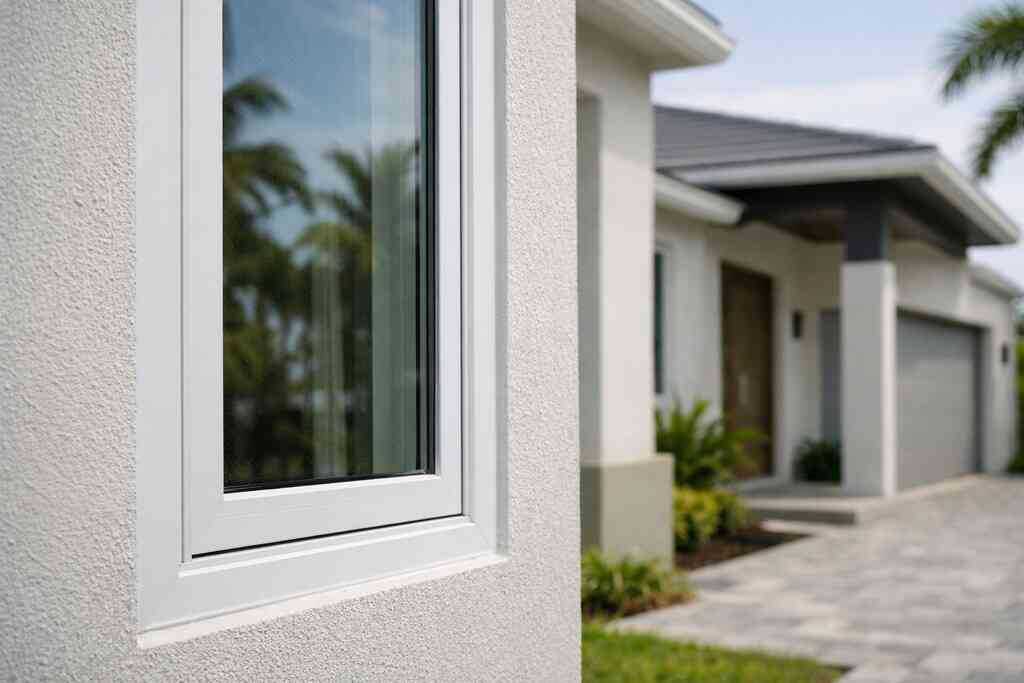
A recent project in a coastal Broward neighborhood involved a lanai upgrade with new openings and structural tie-ins. The owner wanted to move fast. The permit review slowed things down for a reason: the drawings needed to prove the enclosure and opening protection were compatible. That delay saved a bigger problem later.
4) Who is managing the job site when the subcontractors, materials, and weather all collide
You need one person who owns the schedule, the subs, the inspections, and the communication. If nobody can explain who answers daily questions, who checks work quality, and who handles field conflicts, the project can drift quickly. That is especially true in South Florida, where weather, material delays, and inspection timing often collide.
How to ask about communication, daily oversight, and subcontractor management so your project does not stall in the middle
Ask who will be on site, how often, and who has decision authority. If the general contractor is offsite most days, find out who supervises trades and answers your calls. Good subcontractor management is not a luxury. It is the difference between a steady job and a house full of half-finished work.
A simple communication plan should include:
- A primary contact for daily questions
- Weekly progress updates
- A process for approving field changes
- Photo updates for hidden work
- A clear response window for homeowner questions
This matters on South Florida concrete contractor work, South Florida foundation repair, South Florida flooring installer jobs, and more specialized projects like South Florida cabinet maker coordination. The more trades involved, the more important management becomes.
What a realistic schedule looks like in Broward County when weather, supply delays, and inspection coordination are part of the plan
A realistic schedule includes buffers. Rain can delay exterior work. Inspections can shift. Materials can arrive late. A contractor who promises a perfectly linear timeline on a complex project is usually overselling it.
Ask for a sequence, not a fantasy. For example: demo, rough work, inspection, insulation or waterproofing, drywall, finish, final inspection. On South Florida luxury renovation projects, that sequence can stretch because specialty finishes, custom millwork, or imported tile often take longer than standard stock materials. A well-run team tells you where the bottlenecks are before they happen.
5) What happens after the deposit and how do you protect yourself if the project goes sideways
Your deposit should match the job’s real startup cost, and the rest should track completed milestones. Never pay so far ahead that you lose leverage if something goes wrong. The safest contracts also explain lien waivers, warranty coverage, and how disputes get handled if the job stalls or the workmanship falls short.
How payment schedule and deposit terms should be structured so you are not overexposed before milestones are complete
A sensible payment schedule is tied to progress, not promises. That usually means an initial deposit, then payments after visible milestones such as materials delivery, rough completion, and final punch-list sign-off. If a contractor wants most of the money upfront, ask why.
Here is a simple comparison:
Payment approachWhat it doesRisk levelSmall deposit + milestone drawsTies money to progressLowerLarge upfront paymentGives contractor control earlyHigherCash with no paper trailHard to prove terms laterHighestIf you are comparing a South Florida kitchen remodeler to a South Florida bathroom remodeler, the payment structure should still be milestone-based. The size of the project should not change the need for accountability.
Why lien waiver Florida paperwork, warranty language, and contractor dispute resolution matter before the final check clears
A lien waiver is a document showing that a contractor or subcontractor has been paid for the work covered by that payment. It protects you from claims that a bill is still outstanding on the project. Ask for the right waiver at the right time, especially on larger remodels and additions.
Also read the warranty language. Find out what is covered, for how long, and what is excluded. Then ask how the contractor handles disputes. Good contractors have a clear process for punch-list corrections, written notice, and resolution. That matters if you are doing South Florida ADA renovation, aging in place contractor South Florida work, or a more complex coastal home builder Florida project where systems and finishes must perform under demanding conditions.
If you want a practical place to start comparing local pros, South Florida Contractors is useful because it helps you find a contractor South Florida by city, ZIP, and trade before you make the first call. Search the directory, compare a few licensed options, and then ask these same five questions. If you want to move forward today, call 18443112703 and start with one screened local option rather than three guesswork guesses.
Frequently Asked Questions
Question: What are the top questions to ask a licensed contractor Broward County before signing a contract?
Answer: The five most important questions are: are you licensed and insured, what is included in the written estimate, what permits and inspections are required, who will manage the job site, and how do payment terms and lien waiver Florida paperwork work. Those questions help you verify a contractor license, understand the South Florida permit process, and avoid surprise costs later. If you are comparing South Florida contractors for a home remodeling contractor South Florida project, use the same checklist whether you need a South Florida kitchen remodeler, South Florida bathroom remodeler, or a general contractor near me South Florida. South Florida Contractors is built to help homeowners find a contractor South Florida by location and trade, but you should still confirm contractor insurance requirements Florida and contractor bonding requirements before hiring anyone.
Question: How can I tell if a Broward County contractor is properly licensed and insured for hurricane code compliance?
Answer: Ask for the contractor’s license number, business name, and current insurance certificates, then verify everything through official records before work begins. This is especially important for exterior and structural work where Florida Building Code, Broward County permit rules, and hurricane code compliance all matter. If your project involves a roofing contractor South Florida, hurricane impact window installer South Florida, hurricane shutter contractor, or screen enclosure contractor South Florida, do not rely on verbal assurances. A real licensed contractor Broward County should be able to show proof quickly and clearly. South Florida Contractors helps homeowners narrow the search, but you should always complete your own due diligence before signing any agreement.
Question: What should be included in a written estimate for a South Florida home remodeling contractor project?
Answer: A strong estimate should define labor, materials, allowances, exclusions, cleanup, permit responsibility, and inspection coordination. That matters because vague pricing often leads to change order contractor Florida surprises once the work starts. For example, if you are hiring a South Florida flooring installer, South Florida tile contractor, or South Florida cabinet maker, the estimate should say exactly what brand, grade, finish, and quantity are included. The same applies to South Florida home additions, second story addition South Florida projects, and South Florida design build work, where scope clarity is essential. South Florida Contractors encourages homeowners to compare multiple bids carefully so you can find a contractor South Florida who prices the job honestly and transparently.
Question: What permits and inspections do I need for a Broward County permit on an exterior project?
Answer: Many projects that touch structure, roofing, openings, electrical, plumbing, or exterior attachments require permits and inspections, and the exact requirements depend on the scope and municipality. In South Florida, you should never assume permit work can be skipped, especially on roofing contractor South Florida jobs, hurricane roof tie-downs, lanai builder South Florida projects, pool deck contractor South Florida work, or condo renovation South Florida and townhome remodeling South Florida jobs that may also require South Florida HOA permit approval. A reliable contractor should explain the South Florida permit process, who pulls the permit, and how inspections will be scheduled and closed out. If you are working near the coast, an oceanfront home contractor or waterfront home builder South Florida should also understand local hurricane-code expectations and Broward County building codes.
Question: In the blog Top 5 Questions to Ask a Broward County Contractor, why is site supervision and communication so important?
Answer: Because even a well-planned project can stall if nobody clearly manages the trades, inspections, materials, and homeowner updates. Ask who will be on site daily, who answers questions, and how subcontractor management works. That is especially important for South Florida concrete contractor work, South Florida foundation repair, South Florida custom home builder projects, South Florida luxury renovation jobs, and South Florida home additions where multiple crews must coordinate. Good communication should include a primary contact, regular progress updates, and a process for approving changes before they become disputes. South Florida Contractors is useful here because it helps homeowners find a contractor South Florida and compare options before choosing someone who can actually manage the job well, not just sell it well.
Question: How do deposits, payment schedules, and lien waivers protect me on a South Florida project?
Answer: A safe payment plan ties money to completed milestones rather than asking for too much upfront. You should also request lien waiver Florida paperwork as payments are made, so you are protected from unpaid subcontractor claims. This is important on larger jobs like coastal home builder Florida projects, sustainable home builder South Florida work, energy efficient remodeler South Florida upgrades, and aging in place contractor South Florida renovations. Ask about warranty coverage, punch-list completion, and contractor dispute resolution before the final payment is released. South Florida Contractors does not replace your own review of the contract, but it does help you start with screened local options and then verify licensing, insurance, and scope details before you commit.