

ADA renovations in South Florida usually become permit projects the moment you change structure, plumbing, electrical, or exterior access. If you are trying to make a home safer and easier to use, the good news is that good planning prevents most mistakes, delays, and rework.
Key Takeaways
- Most ADA remodels in South Florida need permits once you alter walls, showers, ramps, doors, plumbing, electrical work, or exterior openings.
- Bathroom accessibility starts before tile goes in: turning space, curb-less entries, drain placement, waterproofing, and fixture heights all matter.
- Kitchen accessibility is about flow and reach, not just lower counters. Cabinet layout, appliance clearances, and flooring affect daily use.
- Exterior accessibility must also respect hurricane code compliance in South Florida, especially for ramps, entries, windows, shutters, and enclosed outdoor spaces.
- Verify licensing, insurance, and permit experience before you sign. Ask for documents, compare scopes, and never assume a contractor can handle it later.
If you are reading this while trying to make a home safer for a parent, spouse, or your own future mobility, take a breath. This part is genuinely confusing for most people. We hear it often from South Florida homeowners who want practical changes without creating a code problem or a contractor dispute.
1) When an ADA remodel in South Florida quietly becomes a permit project
An ADA remodel becomes a permit project in South Florida as soon as you touch walls, plumbing, electrical, structural framing, or exterior access. Cosmetic updates usually stay simple, but barrier-free showers, widened doorways, ramps, and entry changes often trigger review in Palm Beach County, Broward County, or Miami-Dade County.
Which changes usually trigger Palm Beach County, Broward County, or Miami-Dade permit review instead of a simple cosmetic update
The moment a project changes the building envelope or utilities, assume permits may apply. That includes moving a vanity, adding a zero-threshold shower, altering a doorway width, rerouting lighting, or opening a wall for better circulation. A quick cosmetic refresh is not the same thing as accessible home remodeling Florida.
Here is the part most homeowners miss: if your contractor says it is just a small change, ask which trade is affected. If plumbing, electrical, drywall, or framing is involved, the answer usually points to the South Florida permit process. For larger remodels, a contractor who understands South Florida Contractors On Ada Renovation can help you avoid surprises before demo begins.
Why barrier-free showers, widened doorways, ramps, and accessible entry work can also trigger hurricane code compliance and HOA approval
In South Florida, an accessibility upgrade can collide with hurricane code compliance quickly. A ramp may change the exterior landing. A new door may require impact-rated glass or a different threshold detail. If you are in a condo, townhome, or HOA community, you may need association approval before county review even starts.
One client in Broward wanted a widened entry and a curbless shower. The interior work was manageable. The issue came from the exterior landing and door assembly, which had to be coordinated with wind and water requirements. That is why exterior accessibility work should be planned with hurricane realities in mind, not after the fact.
The red flags that tell a homeowner to ask for a licensed contractor South Florida before demo starts, especially in condos and townhomes
Watch for these warning signs:
- The contractor wants to start before permits.
- Nobody can explain how the work affects structure or plumbing.
- The estimate is vague about inspections, drawings, or product specs.
- The contractor brushes off HOA or condo board rules.
- You hear we will fix it later more than once.
If any of that comes up, pause. Ask for a licensed contractor Palm Beach County or a contractor who regularly works in Broward or Miami-Dade. For complex projects, the Ultimate Guide To South Florida Ada is a smart place to start before you commit.
2) The accessibility moves that matter most in a bathroom before the tile goes in
An ADA compliant bathroom remodel should start with layout, not finishes. The key decisions are clear turning space, grab bar placement, curb-less entry, slip-resistant surfaces, and fixture heights that work for the person using the room every day. If those are wrong, pretty tile will not save the design.
How an ADA compliant bathroom remodel balances clear turning space, grab bar placement, curb-less entry, and slip-resistant surfaces
A bathroom that works well usually has enough room to turn, transfer, and reach without twisting. Grab bars need backing in the wall, not just anchors in drywall. A curb-less shower improves access, but only if the floor slopes correctly and the entire wet area is planned together.
A good accessible bathroom layout also includes:
- Lever handle hardware instead of tight knobs
- Adequate knee and toe clearance at sinks
- A toilet height that matches the user’s needs
- Slip-resistant flooring for accessibility
- Proper spacing around the shower entry and vanity
If you want a cleaner planning reference, the South Florida Contractors For Ada Renovations page is a useful starting point for comparing local options.
Why drain location, waterproofing, and fixture height choices can make or break a barrier-free shower installation
The drain location controls how the floor slopes. The waterproofing controls whether the bathroom survives daily use. Fixture height controls comfort, transfer safety, and long-term practicality. If those details are rushed, a barrier-free shower can become expensive to repair.
A common mistake is setting the tile plan before the pan, drain, and valve locations are settled. Another is mounting controls too far from the entry, which makes the shower harder to use. For a reliable barrier-free shower installation, ask who is responsible for waterproofing, inspection points, and final trim details.
What aging in place contractor South Florida planning looks like when the goal is mobility today and resale value later
The best aging-in-place plan solves today’s mobility issue without making the house feel institutional. That usually means subtle reinforcements, clean lines, and standard finishes with better function. It is not about overbuilding; it is about building intelligently.
Here is a simple comparison:
FeatureShort-term benefitResale benefitCurbless showerEasier entryModern look, broad appealGrab bar backingSafer supportHidden value, no visual clutterLever handlesEasier to useFamiliar upgrade buyers acceptWider clearancesBetter movementBetter circulation and usabilityA thoughtful aging in place contractor South Florida will talk about both mobility and resale, not just compliance.
3) Kitchen accessibility is not just lower counters and wider aisles
A wheelchair accessible kitchen design is about reach, circulation, and safe workflow. Lower counters help, but the real work is in cabinet placement, appliance clearances, sink access, and how the room feels when you are moving between prep, cooking, and cleanup. A kitchen can look elegant and still be hard to use.
How a wheelchair accessible kitchen design changes cabinet maker plans, appliance clearances, and work triangle flow
A kitchen cabinet plan changes quickly once accessibility is part of the brief. A cabinet maker may need to shift drawer banks, lower sections of the perimeter, or modify the sink base for knee clearance. The work triangle also changes, because the easiest route is not always the shortest one.
That is where a skilled South Florida kitchen remodeler matters. Appliance doors, aisle widths, and landing spaces all affect daily use. A refrigerator that blocks circulation or a dishwasher that opens into the main path can undo otherwise good design.
Where South Florida kitchen remodeler choices matter most for reach ranges, sink access, lever handles, and non-slip flooring for accessibility
The best accessibility kitchens are easy to open, easy to reach, and easy to clean. Reach ranges keep controls within comfortable height. Sink access matters if you need space beneath the basin or around the faucet. Lever handles help with limited hand strength, and non-slip flooring reduces risk during wet cleanup. 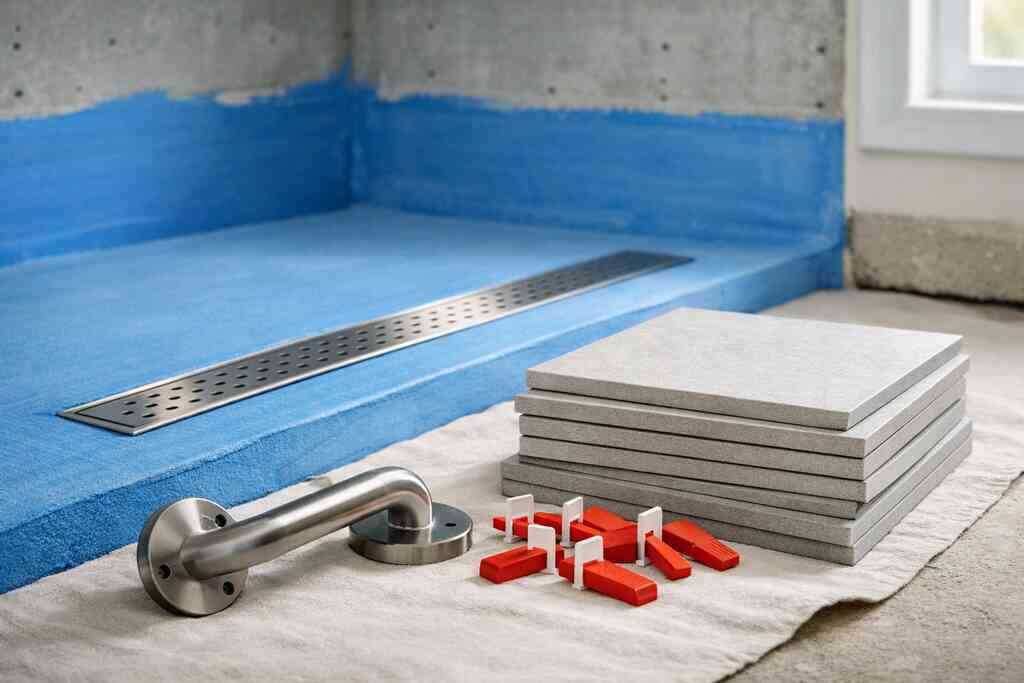
I often tell homeowners this: buy function first, style second, and try to do both at once. A good South Florida design build team can coordinate cabinet dimensions, electrical rough-in, and appliance specs before anything is ordered. That saves time and keeps the room from feeling pieced together.
When condo renovation South Florida rules or townhome remodeling South Florida restrictions affect layout changes, electrical moves, and load bearing walls
Condo and townhome projects add another layer of review. You may need board approval, building management sign-off, and a permit path that limits work hours or noisy demolition. Electrical changes and wall removals can also trigger engineer review if the wall is load bearing.
If you are in a condo renovation South Florida situation, do not assume the HOA process is separate from the permit process. They often overlap. That is why you want a contractor who has handled South Florida building codes in multi-unit buildings and understands what can and cannot be changed without delay.
4) The outside work that usually decides whether an ADA renovation passes real life in South Florida
Outdoor accessibility in South Florida has to work in sun, rain, wind, and flood-prone conditions. A ramp, threshold solution, or handrail is only good if it meets the house, the weather, and the code at the same time. Exterior accessibility is where many projects succeed or fail in daily life.
Why accessible entryway ramp installation, threshold ramp solutions, and compliant handrail installation must respect flood, wind, and landing requirements
A ramp is not just a slope. It needs proper landings, safe handrails, and a transition that does not trap water or create a trip point. In South Florida, you also have to think about flooding, stormwater flow, and how the ramp connects to the structure during high wind events.
This is where hurricane code compliance becomes part of the accessibility discussion. A ramp that looks helpful but blocks drainage or ignores exterior load conditions can become a liability. Ask your contractor how the entry will handle rain, water intrusion, and safe movement during a storm response.
How hurricane impact window installer South Florida work, hurricane shutter contractor coordination, and exterior openings tie into accessibility goals
Exterior openings affect accessibility more than most people realize. If a window or door change is part of the plan, you may need to coordinate impact-rated products, shutter clearances, and usable opening height. That matters for both safety and day-to-day access.
A hurricane impact window installer South Florida project can affect sill height, trim depth, and operation style. A shutter system can also change how easily you access the opening during a storm. If the project touches doors or windows, ask for clarity on product ratings, installation details, and inspection steps before you approve the scope.
What to know about screen enclosure contractor South Florida projects, lanai builder South Florida work, and outdoor accessible routes for patios and pools
Outdoor accessible routes should be smooth, stable, and wide enough for real movement. Screen enclosures, lanais, patios, and pool decks all influence whether someone can move comfortably from interior space to the yard or pool area. Slopes, thresholds, and surface texture matter.
A screen enclosure contractor South Florida or lanai builder should understand how the route ties into the house, not just the screen cage. If the project includes a pool deck, the surface needs to support traction and drainage without creating a new obstacle. That is especially important for families balancing accessibility with outdoor living.
5) The contractor vetting checklist that keeps an accessibility project from turning into a dispute
The safest accessibility project starts with a licensed, insured contractor who understands permits, scope, and documentation. Before signing, verify the license, confirm insurance, ask how changes are handled, and make sure the contractor has real experience with South Florida permit offices and HOA approvals. Good paperwork prevents most disputes.
How to verify a contractor license, confirm contractor insurance requirements Florida, and ask the right questions before signing anything
Start by checking the license status yourself. Do not rely on a business card or website claim. Ask for the license number, insurance certificate, and the name that matches the contracting entity. Then confirm that the scope fits the license type and the project location.
A practical checklist:
- Verify the license through the state.
- Ask for current insurance proof.
- Confirm who pulls permits.
- Ask who supervises the job daily.
- Ask how accessibility details will be measured in the field.
For the legal side, the FTC advertising guidance is useful when you are comparing contractor claims. It is a reminder that marketing language is not a substitute for proof.
What a clean scope, change order contractor Florida process, and lien waiver Florida paper trail should look like on a South Florida design build project
A clean scope spells out materials, labor, allowances, permit responsibility, and what happens if hidden conditions appear. A change order should be written, priced, and approved before extra work proceeds. A lien waiver should be clear about who is being paid and for what phase of work.
That paper trail matters on any South Florida design build project, especially if the job includes plumbing, tile, cabinet work, and exterior access. If a contractor resists paperwork, treat that as a warning sign. Good contractors welcome clarity because it protects both sides.
When to compare a home remodeling contractor South Florida, South Florida bathroom remodeler, or South Florida kitchen remodeler based on permit comfort, accessibility experience, and county familiarity
Compare contractors on the details that actually affect your project: permit comfort, accessibility experience, and familiarity with your county’s review process. A home remodeling contractor South Florida may be a fit for a full-house update. A bathroom specialist may be better for a tight curbless shower. A kitchen specialist may be stronger on cabinet flow and appliance planning.
If you are trying to find a contractor South Florida homeowners can actually vet quickly, a regional directory helps. South Florida Contractors is useful because it lets you compare local options by trade, city, and project type before you make the first call. If you are ready to move, search the directory and call 18443112703. You do not have to solve every detail today, but you should start with one licensed, insured conversation.
Frequently Asked Questions
Question: Do ADA renovations in South Florida usually need permits, and how do I know if my project falls under the South Florida permit process?
Answer: In most cases, yes. Once an accessible home remodeling Florida project changes walls, plumbing, electrical, framing, doors, ramps, or exterior openings, it often moves into permit territory. That is especially true for projects in Palm Beach County, Broward County, and Miami-Dade County, where local review can apply depending on the scope. A cosmetic refresh is one thing, but a South Florida ADA renovation that affects structure, plumbing, or exterior access should be treated as a real permit project from the start. If you are unsure, a licensed contractor Palm Beach County, licensed contractor Broward County, or licensed contractor Miami-Dade can help you review the scope before demo begins. South Florida Contractors is a practical place to find a contractor South Florida homeowners can vet by trade and location, but you should always verify licensing, insurance, and permit experience before signing anything.
Question: What should I know from Top 5 Things to Know About ADA Renovations in Florida before starting an ADA compliant bathroom remodel?
Answer: The biggest lesson is that bathroom accessibility starts with layout, not finishes. Before tile, you need clear turning radius compliance, a zero-threshold shower, proper grab bar installation backing, slip-resistant flooring for accessibility, and fixture heights that fit the person using the space every day. Drain placement and waterproofing are also critical, because a barrier-free shower installation only works if the floor slopes correctly and the wet area is built to last. A good South Florida bathroom remodeler or aging in place contractor South Florida will plan the accessible bathroom layout first, then coordinate tile, plumbing, and trim around it. That is the kind of planning that helps homeowners avoid costly rework and makes the room safer, easier to use, and more attractive for future resale.
Question: How does a wheelchair accessible kitchen design work in a South Florida design build project?
Answer: A wheelchair accessible kitchen design is about reach, movement, and workflow, not just lowering a counter. In a South Florida design build project, the cabinet maker may need to adjust base cabinet depth, sink access, drawer placement, appliance clearances, and aisle widths so the kitchen is functional for daily use. The best plans consider accessible kitchen clearance planning, lever handle hardware, non-slip flooring for accessibility, and where someone actually moves between prep, cooking, and cleanup. A South Florida kitchen remodeler who understands accessible home remodeling Florida can also help coordinate electrical locations, cabinet specs, and appliance sizes before anything is ordered. If your project is in a condo renovation South Florida or townhome remodeling South Florida setting, the plan may need association approval and permit review too, especially if load-bearing walls or electrical moves are involved.
Question: What exterior accessibility upgrades should I plan for if I also need hurricane code compliance in South Florida?
Answer: Exterior accessibility has to work in real weather, not just on paper. Accessible entryway ramp installation, threshold ramp solutions, and compliant handrail installation all need to respect slope, landing size, drainage, and storm conditions. In South Florida, that also means thinking about hurricane code compliance for exterior accessibility work, especially if the project involves doors, windows, patios, or enclosed outdoor areas. If your remodel includes impact openings, a hurricane impact window installer South Florida or hurricane shutter contractor may need to coordinate with the accessibility scope so the entry remains usable and code-compliant. The same is true for screen enclosure contractor South Florida and lanai builder South Florida work, where outdoor routes to pools, patios, and decks must stay safe, stable, and accessible. A contractor who understands South Florida building codes and the South Florida permit process is the right place to start.
Question: How do I choose the right contractor for a South Florida ADA renovation without ending up in a dispute?
Answer: Start by checking the basics: contractor licensing Florida, contractor insurance requirements Florida, and whether the company regularly handles permit work in South Florida. Ask for the license number, proof of insurance, and a clear scope that explains materials, labor, permit responsibility, and what happens if hidden conditions are found. A clean change order contractor Florida process and a proper lien waiver Florida paper trail matter just as much as the build itself. This is especially important for home remodeling contractor South Florida projects that include bathroom work, kitchen changes, exterior access, or HOA review. If you are comparing options, South Florida Contractors can help you find a contractor South Florida residents can contact by trade, city, and project type, but you should still verify every contractor independently before hiring. For accessibility work, it is smart to choose someone who is comfortable with the South Florida permit process, condo association approval for renovations, and residential ADA compliance so your project moves forward with fewer surprises.