
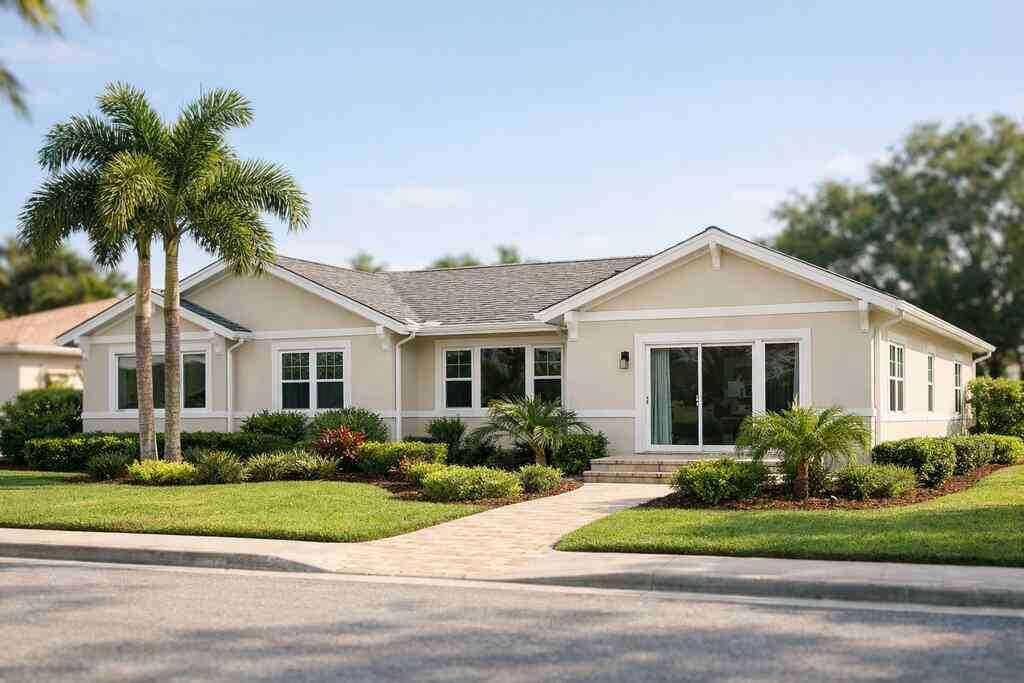
The best order for a home addition project is simple: plan first, permit second, and build in the correct sequence. In South Florida, that means design, surveys, structural review, and approvals come before framing, so you avoid redesigns, stop-work issues, and expensive rework.
If you are reading this because the project already feels bigger than you expected, take a breath. That feeling is normal. Home additions are where permitting, weather, and contractor coordination collide, and the mistake we see most often is starting construction before the paperwork is ready.
Key Takeaways
- The smartest home addition project order starts with design, survey work, and permits before demolition or framing begins.
- In South Florida home additions, exterior and structural work must account for hurricane code compliance, local building departments, and HOA approval if applicable.
- Before hiring anyone, verify contractor licensing Florida status, insurance, and bonding, especially for a licensed contractor Palm Beach County, licensed contractor Broward County, or licensed contractor Miami-Dade project.
- A low bid can hide future change order costs if the scope, finishes, and structural conditions are not clearly defined.
- For reliable help, use a regional directory like South Florida Contractors to find and compare local options by trade and location.
Why the smartest home additions start with paper, not framing
The smartest home additions start with paper, not framing, because the drawings, permits, and scope define the project before labor begins. In South Florida, that also protects you from code problems, redesigns, and delays tied to hurricane requirements, coastal exposure, and local approval rules.
The permit-first home addition planning move that saves South Florida homeowners from redesigns and stop-work headaches
Start with the permit path, not the hammer. A permit-first home addition planning process forces the team to confirm setbacks, structural needs, utility impacts, and zoning limits before anyone orders lumber or opens a wall. That matters in Palm Beach, Broward, and Miami-Dade because each jurisdiction can have different review expectations, and exterior work often triggers South Florida building codes and hurricane code compliance requirements.
One client in a coastal neighborhood wanted a simple room expansion, but the survey showed the proposed wall would have pushed too close to the setback. Because the plan was caught early, the team adjusted the footprint on paper instead of tearing out concrete later. That is the kind of fix that saves money, time, and frustration.
A practical early checklist looks like this:
- Confirm the property survey is current.
- Review HOA or condo rules before design work advances.
- Define the full scope, including electrical, plumbing, HVAC, and finishes.
- Prepare drawings that match local code and permit expectations.
- Submit for the proper Palm Beach County permit, Broward County permit, or Miami-Dade permit as applicable.
For a broader planning checklist, see How To Plan A Home Addition.
How to verify a contractor license and insurance before anyone touches your plans in Palm Beach, Broward, or Miami-Dade
Before work starts, verify the contractor’s license, insurance, and bonding. That is basic protection, not bureaucracy. Ask for the license number, confirm it through the state or local records, and make sure the business can legally perform the type of work your addition requires. For a general contractor near me South Florida search, this step matters even more because not every company is qualified for structural or coastal work.
Use this simple vetting table:
Item to verifyWhy it mattersWhat to ask forLicense statusConfirms legal authority to perform the workLicense number and business nameInsuranceProtects against jobsite accidents and damageCertificate of insuranceBondingAdds another layer of financial protectionBond details, if applicableScope matchPrevents hiring the wrong tradeRecent addition projects and referencesIf you want a quick cross-check on what experienced contractors look for before they price an addition, review What South Florida Contractors Check Before. For aging homeowners or multigenerational plans, it is also smart to ask whether the contractor understands accessibility details and can work with a South Florida ADA renovation or aging in place contractor South Florida scope.
Why a low quote can hide change order trouble later in a South Florida design build project
A low quote can look attractive, but it often hides missing scope. In a South Florida design build project, that usually means allowances are too thin, structural assumptions are vague, or finish selections were never defined. The result is predictable: change order paperwork starts piling up after the job is already underway. 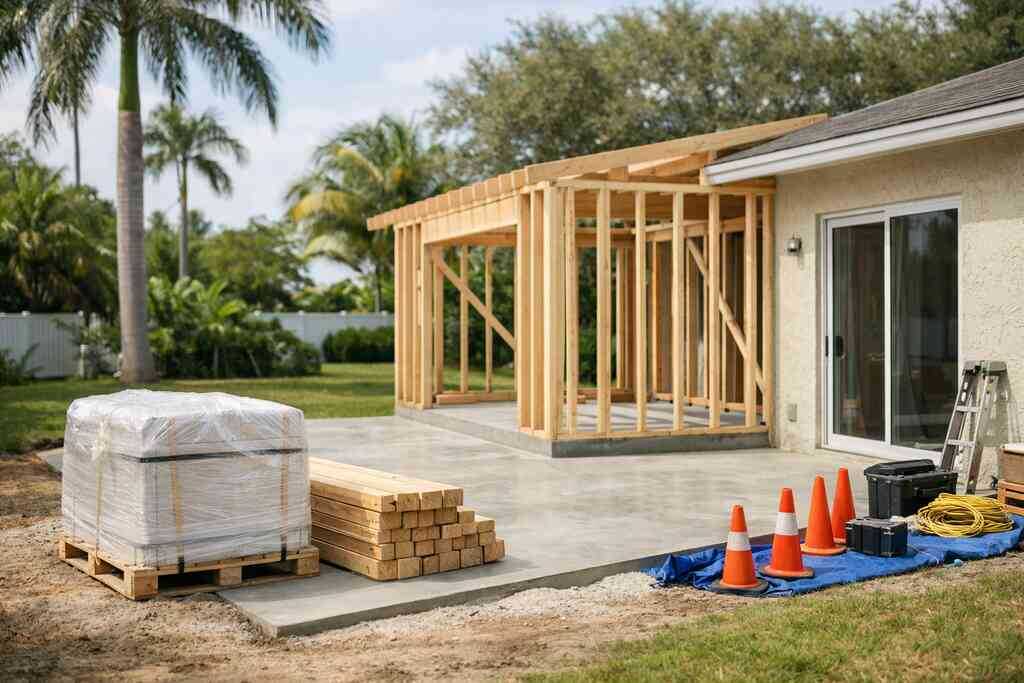
Here is the part most homeowners miss: the lowest number is not always the lowest cost. If one bid includes proper engineering, hurricane-rated openings, and realistic material allowances while another leaves those out, the second bid will usually grow later.
A clean estimate should spell out:
- demolition and protection
- structural design and engineering
- foundation and slab extension
- framing, roofing tie-in, and exterior shell
- rough-ins for electrical, plumbing, and HVAC
- insulation, drywall, trim, flooring, cabinets, and paint
- permit handling and inspection coordination
If you are comparing bids for a home remodeling contractor South Florida job, it helps to also review the scope language in How to Read a Contractor Estimate for South Florida Jobs before you sign.
The sequence that keeps a home addition from turning into a costly reroute
The right sequence is design, structural review, permits, site prep, foundation work, framing, roofing, rough-ins, insulation, drywall, finishes, and final inspections. If you reverse that order, trades fight each other, inspections get delayed, and the project can stall on simple avoidable issues. In South Florida, hurricane requirements and moisture control make the sequence even more important.
Addition design before construction from survey sketches and structural review to foundation and slab extension
Design must come before construction because the addition has to tie into the existing house safely and legally. That means the team should review the survey, verify the existing structure, check the roof line, and determine how the new slab or foundation will connect. For South Florida home additions, this is where a South Florida concrete contractor or South Florida foundation repair specialist may need to assess the existing conditions.
A sound sequence usually looks like this:
- Field measure and review the existing house.
- Confirm zoning, setbacks, and permit rules.
- Complete structural drawings and engineering.
- Plan the foundation or slab extension.
- Coordinate any utility relocations.
- Submit for approval before construction starts.
If your project includes a second level, a second story addition South Florida scope needs even more structural scrutiny. If it is an outdoor room, a sunroom contractor South Florida or lanai builder South Florida should account for moisture, wind load, and enclosure requirements. That is also true for a screen enclosure contractor South Florida or outdoor kitchen contractor South Florida project near the coast.
For a cost reference tied to the planning stage, you may find What Is The Cost Of A useful before you decide how large the addition should be.
Roof tie-ins deserve special attention. A roofing contractor South Florida should coordinate the tie-in early, because hurricane roof tie-downs and exterior wall connections can affect framing dimensions and inspection order. If your addition includes impact openings, a hurricane impact window installer South Florida and hurricane shutter contractor may also need to be part of the plan before drywall goes up.
For homeowners comparing local service options across South Florida, a regional directory can help narrow the search. South Florida Contractors is a practical place to find a contractor South Florida by trade and area, then verify the license and insurance before you move forward. If you need more general planning context, the U.S. Bureau of Labor Statistics also offers useful labor market information at the U.S. Bureau of Labor Statistics, which can help you understand how contractor demand affects scheduling.
For a more local planning angle, browse the Category South Florida Contractor Guides or compare nearby options after you search by ZIP code. If you are ready to take the next step, search the directory and call 18443112703 to start with a local conversation.
Frequently Asked Questions
Question: What is the best order for a home addition project in South Florida, and why does the permit-first home addition planning process matter?
Answer: The best sequence for a home addition starts with design, survey work, and permit approvals before any demolition or framing begins. In South Florida, that permit-first home addition planning process matters because exterior and structural work often has to meet hurricane code compliance, local zoning rules, and HOA requirements before construction can legally move forward. Starting with paper first helps prevent redesigns, stop-work issues, and costly change orders later. If you are planning South Florida home additions, South Florida Contractors can help you find and compare local pros so you can verify licensing, insurance, and experience before you commit to a project.
Question: How do I verify a contractor license before hiring a licensed contractor Palm Beach County, licensed contractor Broward County, or licensed contractor Miami-Dade?
Answer: Before hiring anyone, confirm the contractor’s license, insurance, and bonding status. That is especially important when searching for a general contractor near me South Florida, because not every company is qualified for structural additions, coastal builds, or permit-heavy jobs. Ask for the license number, check the business name, review contractor insurance requirements Florida, and confirm that the scope matches the work you need done. South Florida Contractors is a helpful place to find a contractor South Florida and narrow your search by county and trade, but you should always verify everything yourself before signing a contract. For addition work, that includes reviewing references, recent similar projects, and whether the contractor understands the South Florida permit process.
Question: Why can a low bid lead to change order contractor Florida problems during a South Florida design build project?
Answer: A low bid can hide incomplete scope, weak allowances, or missing structural and code-related items. In a South Florida design build project, that often leads to change order contractor Florida issues once the job is already underway. A proper estimate should clearly include demolition, engineering, foundation and slab extension, framing, roofing tie-in, rough-ins, insulation, drywall, finishes, and permit handling. If those items are not spelled out, the price can rise later. That is why South Florida Contractors encourages homeowners to compare more than the bottom line and to review contractors carefully for scope clarity, licensing, and insurance before choosing a home remodeling contractor South Florida.
Question: What steps should come after design when planning structural addition work like a second story addition South Florida or a sunroom contractor South Florida project?
Answer: After design, the next steps are structural review, permit submission, site prep, foundation or slab work, framing, roofing tie-in, rough-ins, insulation, drywall, and then final finishes and inspections. For structural addition planning, the team also needs to confirm how the new space ties into the existing home safely and legally. That is especially important for a second story addition South Florida project, where load paths, hurricane roof tie-downs, and structural details matter. The same applies to a sunroom contractor South Florida, lanai builder South Florida, or screen enclosure contractor South Florida project, where moisture protection and weatherproofing are critical. South Florida Contractors helps homeowners locate experienced pros across Palm Beach, Broward, and Miami-Dade Counties, but you should always confirm the contractor’s credentials and project experience before moving ahead.
Question: Can South Florida Contractors help me find the right pro for outdoor living additions, coastal builds, or special projects like ADA or aging in place renovations?
Answer: Yes. South Florida Contractors is a regional directory built to help homeowners find the right contractor by trade and location across South Florida. That includes exterior and specialty projects such as roofing contractor South Florida work, hurricane impact window installer South Florida services, hurricane shutter contractor support, pool deck contractor South Florida jobs, paver installation South Florida, outdoor kitchen contractor South Florida projects, and coastal home builder Florida options. It can also help with specialized renovation needs like South Florida ADA renovation, aging in place contractor South Florida work, South Florida luxury renovation, or energy efficient remodeler South Florida upgrades. No matter the project, you should still verify licensing, insurance, bonding, lien waiver Florida practices, and permit experience before hiring. That extra step protects your home and helps keep your project on track.