
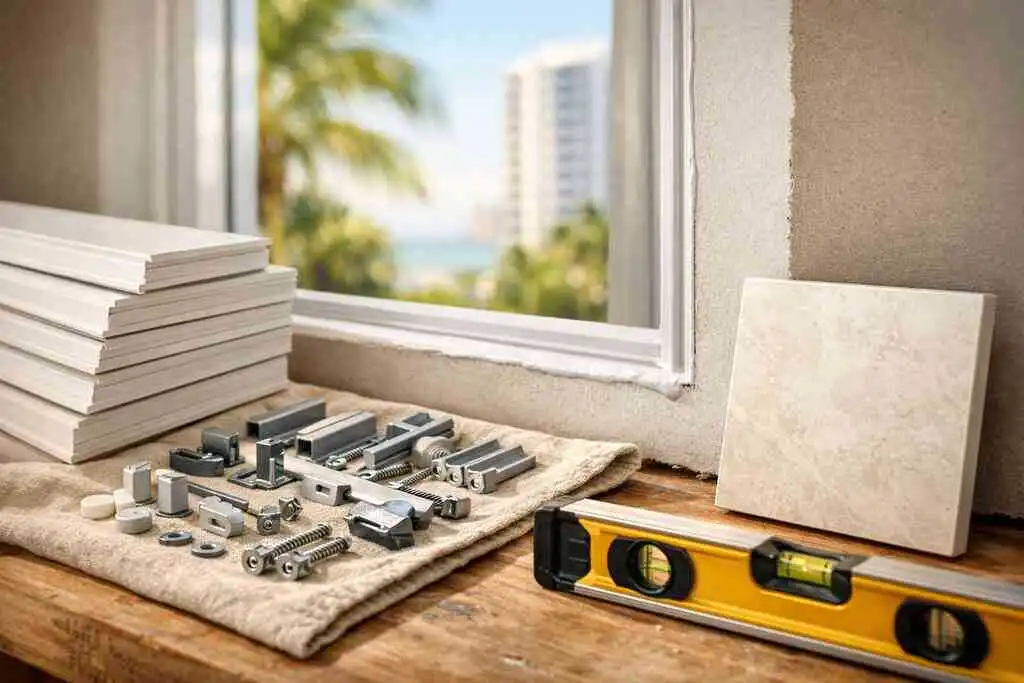
The difference is simple: HOA approval governs association rules, while condo approval usually adds a much stricter ownership and alteration review. Neither replaces a real building permit when the work requires one. If you are staring at plans at 11 p.m. and wondering why a “simple” remodel suddenly needs three approvals, you are not alone. That confusion is common across South Florida.
Key Takeaways
- HOA approval and condo approval are not the same thing. HOA review usually focuses on exterior appearance and covenant compliance, while condo approval often controls both the unit interior and any work that could affect common elements.
- A permit is still required when the work triggers one. Association approval does not waive Palm Beach County permit, Broward County permit, Miami-Dade permit, or Florida Building Code compliance requirements.
- Condos are usually stricter than HOAs. Many condo projects require an alteration agreement, insurance paperwork, contractor vetting, and board sign-off before work starts.
- Exterior work gets extra scrutiny in South Florida. Windows, roofs, screen enclosures, pavers, and structural changes can trigger hurricane code compliance and association review at the same time.
- The best first move is to verify the rules early. Check the association documents and confirm your licensed contractor Palm Beach County, licensed contractor Broward County, or licensed contractor Miami-Dade before you schedule demolition.
Why the same remodel can trigger two approvals and one permit nightmare
The same remodel can need both association approval and a government permit because they protect different things. HOA or condo approval covers property rules, design standards, and common-area impacts. The permit covers safety, code, and structural compliance under the South Florida permit process. That is why a project can pass a board review and still be stopped by the county.
On remodels we see all the time, the delay usually starts with assumptions. A homeowner thinks interior paint or a kitchen refresh is “just cosmetic,” then learns the board wants product specs, contractor insurance, and an alteration package. That is especially true in South Florida, where hurricane-code requirements, wind-borne debris rules, and coastal conditions make boards more cautious than owners expect.
When HOA architectural review stops a project before the county ever sees it
HOA architectural review usually happens first when the project changes what people can see from the street or from neighboring lots. That includes roofing contractor South Florida work, hurricane impact window installer South Florida projects, hurricane shutter contractor installations, screen enclosure contractor South Florida jobs, and even paver installation South Florida updates. The association may require paint colors, product submittals, and a formal plan set before you can apply for the permit.
Here is the part most homeowners miss: an HOA can reject an exterior design even if it would meet code. A board may object to a door style, visible hardware, or a roof material that does not match the community standard. If your project also affects hurricane roof tie-downs or structural attachment, you still need code-compliant drawings and a permit, not just a friendly approval from the architectural committee.
For a quick sense of how many local rules can stack up, compare the layers:
Review layerWhat it controlsTypical South Florida exampleHOA architectural reviewAppearance and covenant complianceExterior color, visible window style, fence or paver lookCondo board approvalUnit rules, common-element impact, alteration conditionsFlooring underlayment, plumbing tie-ins, work hoursBuilding permitSafety and code complianceElectrical, plumbing, structural, impact openingsIf you are comparing contractor options, use a vetted local source like the South Florida Contractors Blog to narrow the search before you call.
How condo board approval, alteration agreements, and unit rules change the whole timeline
Condo renovation South Florida projects are usually more complicated than HOA jobs because the board controls more than appearances. You may need board approval for renovations, an alteration agreement for condo owners, proof of contractor licensing, and evidence of contractor insurance requirements Florida before the association lets work begin. Some associations also require elevator reservations, noise rules, debris protection, and after-hours restrictions.
The biggest difference is the line between your unit and the building. In a condo, the board may regulate flooring underlayment, plumbing shutoffs, fire-rated assemblies, balcony work, and any alteration that could affect neighbors below or beside you. That is why a South Florida bathroom remodeler or South Florida kitchen remodeler often spends more time on association paperwork than on the actual demo.
One client in Broward wanted to replace flooring and open a non-load-bearing wall in a high-rise unit. The design was straightforward, but the board required a soundproofing specification, contractor insurance certificates, and a signed alteration agreement before the permit packet moved forward. The job itself was routine. The paperwork was the real gatekeeper.
Why South Florida permit process details can vary between Palm Beach County, Broward County, and Miami-Dade
The permit rules are not identical across South Florida, even when the job is the same. Palm Beach County permit reviews can emphasize one set of documentation, Broward County permit reviewers may ask for different product approvals, and Miami-Dade permit processes are often especially strict on wind resistance and product compliance. That matters for coastal renovation permitting, especially on exterior openings and structural changes. For example, an impact window or roofing job may be acceptable in one community only if the submittals match the local product approval path and the Florida Building Code compliance paperwork is complete. South Florida building codes also interact with association standards, so a project can bounce between the board, the contractor, and the permit office if the documents are incomplete. If you are working with a licensed contractor Miami-Dade, ask how they coordinate the association packet and permit set before demolition starts. 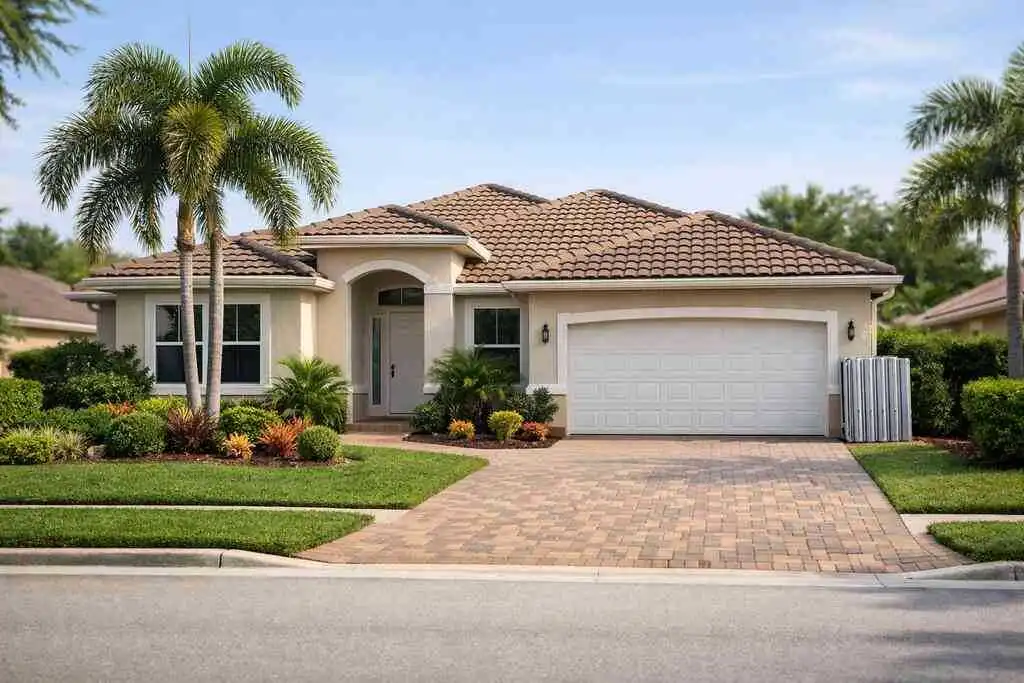
The most efficient projects usually start with the rules, not the tools. That is true for a South Florida kitchen remodeler, South Florida bathroom remodeler, pool deck contractor South Florida, or even a coastal home builder Florida handling a larger renovation. The earlier you confirm the approval path, the fewer surprise revisions you will pay for later.
The hidden line between private property and common area that changes everything
The hidden line is the ownership boundary. In a condo, you usually control the finishes inside your unit, but the association often controls what lies behind the walls, below the slab, above the ceiling, or outside the unit envelope. That boundary determines whether a job needs only interior remodel permit requirements, or whether it also needs structural alteration approvals and association sign-off.
This is where many South Florida homeowners get tripped up. A wall may look like “your wall,” but the plumbing stack, fire rating, electrical chase, or balcony membrane may be common property. If you touch those areas without approval, the board can stop the job, require restoration, or demand a change order contractor Florida paper trail before the work continues.
What condo renovation South Florida owners can usually touch and what stays off limits
In most condo projects, you can usually renovate finishes inside the unit, but you cannot assume you own everything you can see. Floors, cabinets, countertops, interior paint, trim, and fixture swaps are often allowed if they meet the association’s condo unit remodel restrictions. The moment you move plumbing, alter a wall, change electrical capacity, or affect waterproofing, the rules tighten quickly.
Typical condo boundaries look like this:
- Usually allowed with review: flooring, cabinets, vanity replacement, non-structural kitchen updates, shower tile, lighting swaps
- Often restricted or conditional: flooring underlayment, plumbing relocations, wall removals, duct changes, slab penetrations
- Usually off limits without special approval: balconies, exterior façades, windows, railing systems, waterproof membranes, and common structural elements
A condo renovation South Florida owner should also expect the board to ask for lien waiver Florida forms and contractor bonding requirements in some cases. That is not paperwork for the sake of paperwork. It is the association protecting the building and the owners who live around your unit.
If you are shopping for help, compare service pages from a South Florida bathroom remodeler or a South Florida kitchen remodeler after you confirm the association rules. A good contractor should explain the approval path before they talk finishes.
Condo work can feel frustrating because the finish line keeps moving. It helps to remember that the board is not only reviewing your taste. It is also watching for water intrusion, noise transfer, fire safety, and hurricane code compliance. In South Florida, those concerns are practical, not picky.
If your project includes exterior changes, structural work, or high-wind products, keep the association packet and permit set aligned from day one. That is the difference between a smooth approval and weeks of avoidable back-and-forth.
Frequently Asked Questions
Question: What is the difference between HOA and condo approvals for a South Florida remodel?
Answer: HOA approval usually focuses on HOA covenant compliance and exterior appearance, while condo association approval often reaches much deeper into the unit, the building systems, and any work that could affect common elements. In South Florida, that means a project may need board approval for renovations, an alteration agreement for condo owners, and still require a Palm Beach County permit, Broward County permit, or Miami-Dade permit if the work triggers one. A South Florida HOA permit review may stop at color, style, and visible changes, but condo renovation South Florida projects often need contractor insurance requirements Florida, contractor bonding requirements, and stricter documentation before work can begin. If you are planning a remodel, South Florida Contractors can help you understand the approval path early so you can find a contractor South Florida homeowners can actually work with, rather than learning the rules after demolition starts.
Question: Do I still need a permit if my HOA or condo board already approved the work?
Answer: Yes. Association approval does not replace the South Florida permit process, and it does not waive Florida Building Code compliance or local permitting requirements. Even if your HOA architectural review or condo board approval is granted, exterior work, structural work, electrical changes, plumbing changes, and high-wind products can still require a permit and inspections. That is especially true for hurricane impact window installer South Florida projects, hurricane shutter contractor work, roofing contractor South Florida jobs, and other exterior modifications that must meet hurricane code compliance. South Florida Contractors recommends verifying the exact permit path before you start, because the wrong sequence can create delays, failed inspections, or a stop-work order. Working with a licensed contractor Palm Beach County, licensed contractor Broward County, or licensed contractor Miami-Dade can help keep the permit set aligned with the association paperwork.
Question: What parts of a condo renovation are usually restricted by the board?
Answer: Condo boards usually allow some interior finish updates, but they often restrict anything that affects common areas, building systems, or neighboring units. Flooring underlayment, plumbing relocations, wall removals, slab penetrations, balcony changes, waterproofing, and exterior openings are common examples of items that need careful review. In many South Florida condo renovation projects, the board will also ask for lien waiver Florida paperwork, contractor insurance, and sometimes contractor bonding requirements before they allow work to begin. A South Florida bathroom remodeler or South Florida kitchen remodeler may be able to handle the design and construction, but the board still controls the rules for noise, work hours, protection of shared areas, and alteration agreements. South Florida Contractors helps homeowners understand where unit interior rules end and common-area restrictions begin so they can plan realistically and avoid costly changes later.
Question: How does the South Florida permit process change in Palm Beach County, Broward County, and Miami-Dade?
Answer: The core building rules come from South Florida building codes and Florida Building Code compliance, but each county can handle submittals, product approvals, and review details a little differently. A Palm Beach County permit may ask for one set of documents, while a Broward County permit or Miami-Dade permit may require different product approvals or additional details for wind and impact protection. That matters a lot for coastal renovation permitting, especially for hurricane roof tie-downs, exterior openings, and structural alterations. If you are hiring a South Florida flooring installer, South Florida tile contractor, or pool deck contractor South Florida for an exterior or structural project, the permit set and association packet should be coordinated from the beginning. South Florida Contractors is built to help homeowners compare local requirements and connect with a general contractor near me South Florida option who understands the permit path before the first wall comes down.
Question: What should I verify before hiring a contractor for HOA or condo work in South Florida?
Answer: Before hiring anyone, verify how to verify a contractor license, confirm insurance, and make sure the contractor is allowed to work in the county where your project is located. That is important for a home remodeling contractor South Florida project, a South Florida design build job, or specialized work like screen enclosure contractor South Florida services, paver installation South Florida, or outdoor kitchen contractor South Florida installations. You should also confirm contractor insurance requirements Florida, contractor bonding requirements, and whether your project will need permits or association documents before work begins. For larger jobs such as home additions, second story addition South Florida projects, or coastal renovation permitting, the right licensed contractor Miami-Dade, licensed contractor Broward County, or licensed contractor Palm Beach County can save time by coordinating submittals and responding to board comments. South Florida Contractors is a directory, so it helps you compare options and then choose a vetted professional who fits your project and your association rules.
Question: Can South Florida Contractors help me find the right professional for a condo, HOA, or exterior renovation?
Answer: Yes. South Florida Contractors is designed to help homeowners find a contractor South Florida across Palm Beach, Broward, and Miami-Dade Counties, whether the project is condo renovation South Florida, townhome remodeling South Florida, or a larger exterior upgrade. If your work involves a South Florida kitchen remodeler, South Florida bathroom remodeler, roofing contractor South Florida, hurricane impact window installer South Florida, hurricane shutter contractor, or even a coastal home builder Florida for a bigger scope, the directory helps you start with local options and compare them by area and project type. We always encourage homeowners to verify licensing, insurance, and permit experience before signing anything, especially when the job involves hurricane code compliance or association approval. If you want to avoid the usual HOA and condo permit confusion, starting with South Florida Contractors is a practical first step because it helps you narrow the search and then move into quotes, documents, and approvals with more confidence.