
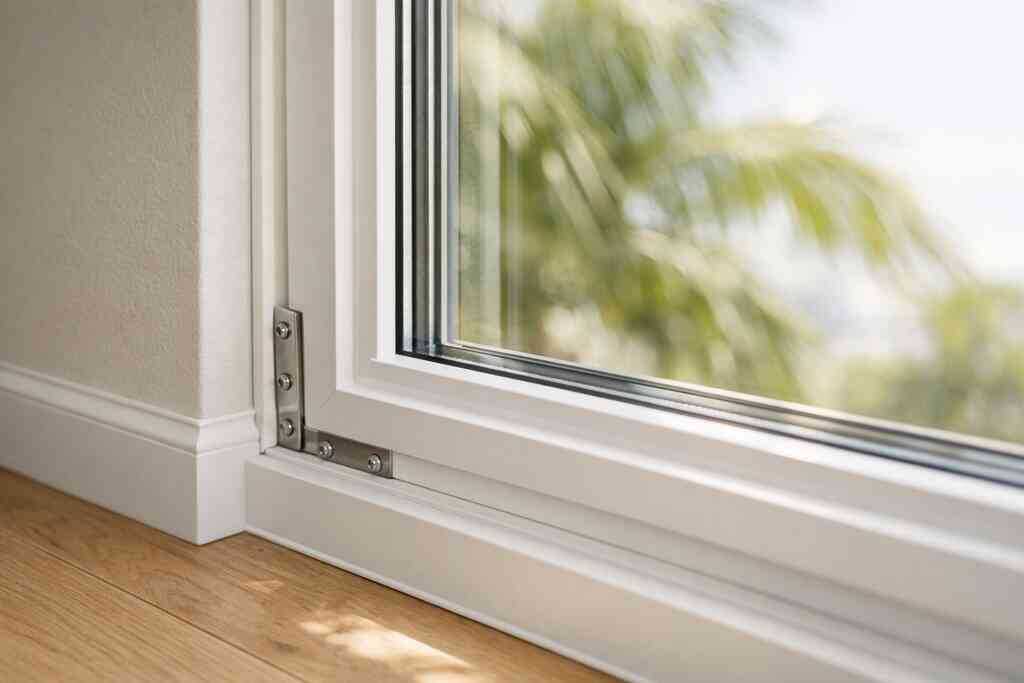
A hurricane window installer in Miami should prove licensing, insurance, permit knowledge, impact-rating compliance, and a clear written scope before you sign anything. If those five answers are weak, the project can stall, fail inspection, or cost far more than the original quote.
Key Takeaways
- Verify the license first. In South Florida, a legitimate installer should be easy to confirm through state and local licensing records before anyone measures your openings.
- Do not skip permits. Miami-Dade, Broward, and Palm Beach projects often need permits, HOA approval, or condo sign-off, and skipping that paper trail can backfire.
- Ask for the actual impact documentation. “Hurricane-rated” is not enough; you want product approvals, engineering details, and installation methods that meet hurricane code compliance.
- Low bids can hide scope gaps. Debris haul-away, permit handling, trim repairs, and frame retrofit work are common places where change orders appear later.
- Demand written protections. Lien waivers, insurance proof, and inspection closeout paperwork protect your budget and your property.
If you are reading this after getting a few window quotes and feeling uneasy, that reaction is normal. This part is genuinely confusing for most homeowners, especially in coastal South Florida where weather, code rules, and HOA approvals all matter at once.
The license and insurance proof that separates a real hurricane window installer from a sales rep
A real hurricane window installer should give you a license number, insurance proof, and a straight answer about who is responsible for the work. In South Florida, you should verify that before anyone touches your home, because a polished sales presentation does not replace contractor licensing in Florida requirements or proper coverage.
How to verify a contractor license in South Florida before you let anyone measure your openings
Start with the license number, then confirm the business name matches the person who will pull the permit. If you are trying to find a contractor South Florida homeowners can trust, do not stop at the website badge. Check the license through the state and the local jurisdiction, and ask whether the installer is the actual contractor of record or just a subcontracted crew.
A strong candidate will also explain the difference between a licensed contractor in Palm Beach County you can hire for light work and a licensed contractor in Miami-Dade project team that regularly handles impact openings and inspections. If you are comparing a general contractor near me South Florida search result with a specialty window company, the key question is simple: who is legally accountable if the job fails inspection?
For a broader checklist, this guide to impact window checks is a useful starting point before you sign a proposal.
Which insurance and bonding questions matter most for coastal homes in Miami and across South Florida
Ask for current general liability insurance, workers’ compensation status, and whether the contractor carries any bond required for the permit or jurisdiction. You do not need to guess here. Ask for documents, not verbal assurances.
What to askWhy it mattersGeneral liability proofHelps cover property damage if something goes wrongWorkers’ compensationProtects you if a worker is injured on siteBonding statusMay be required in some permit or contract situationsNamed insured detailsConfirms the policy actually covers the company bidding the jobOne homeowner in a coastal Broward neighborhood had two bids that looked similar until we checked the paperwork. One company had polished brochures but could not clearly explain who would pull the permit or provide insurance certificates. The other did not talk big, but their documentation was clean. The second one was the safer choice.
If you want a deeper regional reference, South Florida Contractors for impact window work helps you compare local pros before you call.
The permit paper trail that keeps a Miami window project from stalling at the county desk
The permit question is not optional. For impact window replacement in South Florida, the right answer is almost always that permits, product approvals, and inspections must line up before the work starts. If an installer tells you to “handle it later,” that is a red flag, not a shortcut.
What the South Florida permit process usually demands for impact window replacement and why skipping it backfires
Most window replacement projects need permit review, product approval documents, and final inspection signoff. Depending on the scope, the paperwork may also involve structural details, opening sizes, and hurricane code compliance for windows. Skipping permits can delay closings, trigger fines, or create problems when you sell or refinance.
The exact process varies across Miami-Dade, Broward, and Palm Beach County, so do not assume one county’s rules apply everywhere. That is especially true if the job includes replacement windows for older South Florida homes, frame retrofit installation, or changes to surrounding trim and stucco. If you are comparing quotes, ask which party handles the permit and who pays if the application needs revisions.
For homeowners who want a directory-style starting point, this contractor search page is a practical way to begin looking by location.
How HOA approval, condo rules, and county reviews can change the order of operations in Miami-Dade Broward and Palm Beach
In condos and many planned communities, the order matters: HOA approval first, condo review if required, then county permit work. Miami-Dade condo renovation South Florida projects can be especially strict because window type, frame color, and exterior appearance often need review before work begins. If you are in a townhome or waterfront community, expect even more scrutiny.
Here is the part most homeowners miss: the installer may be ready, but your association may not be. One client in a South Miami condo learned that the board wanted a different mullion profile and a stamped submittal package. That added time, but it avoided a conflict with the building rules and kept the permit path clean.
If you are comparing local options in the city, this Miami contractor directory can help you narrow the search without guessing.
The impact rating question that tells you whether the glass will actually stand up to hurricane code compliance
You need more than “impact glass” on a sales sheet. The right question is whether the specific product, frame, and installation method meet the approval documents required for hurricane code compliance and your building’s exposure. In coastal South Florida, that distinction matters.
What Miami-Dade approved impact windows really mean for windborne debris protection and coastal home storm upgrades
Miami-Dade approved impact windows are designed to resist windborne debris and severe pressure cycles under tested conditions. That makes them a strong option for residential hurricane protection, especially where storm exposure, salt air, and flying debris are part of life. But approval is product-specific, not brand-generic. A good installer should show you the approval documentation for the exact unit, not just say the manufacturer is “rated.” If you are choosing between double hung impact windows and sliding glass impact doors, the ratings and fastening details may differ. The right product for a house near Biscayne Bay is not always the same one used on a more sheltered inland lot. 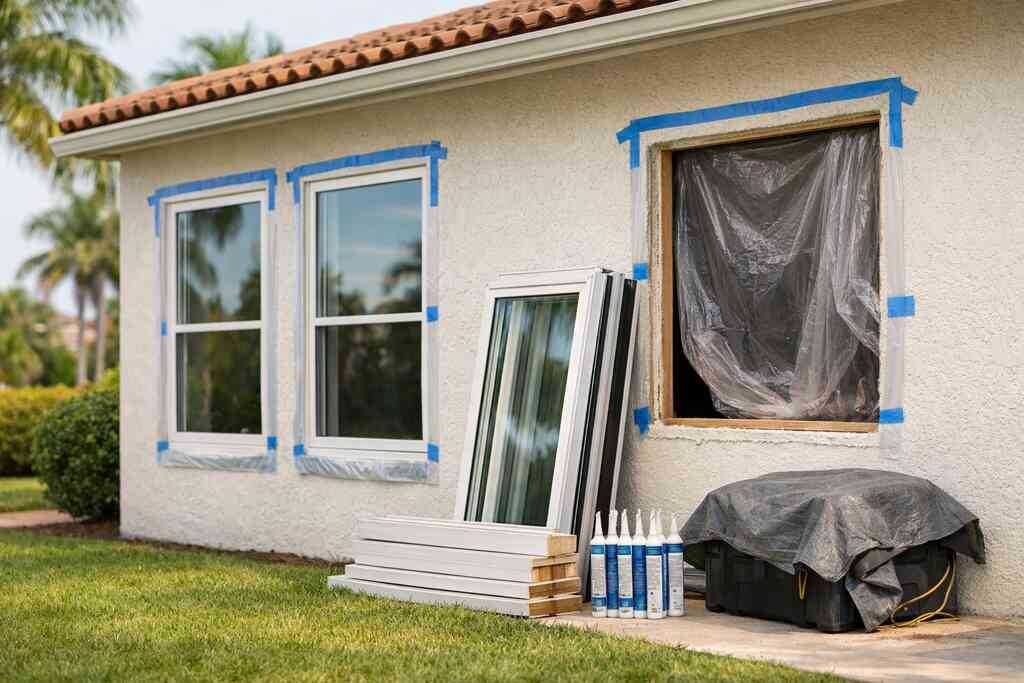
For homeowners comparing products, this overview of hurricane proof windows is useful for understanding the options before you buy.
Why frame retrofit details and installation methods matter as much as the glass itself in older South Florida homes
Older homes often fail on the frame, not the glass. If the opening is out of square, if the substrate is deteriorated, or if previous repairs concealed water damage, the installer may need more than a simple swap. That is why window frame retrofit installation deserves the same attention as the window rating itself.
In one older Miami-Dade home, the glass spec was fine, but the wood around the opening had hidden deterioration. The job needed additional repair before the new unit could be anchored correctly. That added scope, but it protected the house and preserved code compliance.
Ask whether the quote includes shimming, flashing, sealant, trim repair, and any substrate corrections needed for coastal home storm upgrades. If the installer cannot explain how the unit will be anchored, keep looking.
The quote that looks cheap until the change orders and hidden upgrades show up
A cheap quote is only cheap if it includes the full scope. For hurricane-rated window replacement, the biggest surprises usually involve labor, permit handling, debris removal, and repairs discovered after demo begins. If the estimate is vague, the final number can climb quickly through change orders.
How to read a window estimate for labor debris haul away permit handling and hurricane code compliance without getting fooled
A solid estimate should separate product cost, labor, permit handling, disposal, trim work, and any structural or code-related upgrades. If those items are bundled into one fuzzy line, you have little protection when something changes. Ask how the contractor handles change order contractor Florida practices, because a clean change order process prevents arguments later.
Use this quick checklist:
- Product model and size listed in writing
- Labor scope explained clearly
- Permit handling assigned to one party
- Debris haul-away included or itemized
- Any code-related upgrades identified upfront
If you want to compare providers more efficiently, this category of contractor guides can help you understand common project terms before you request bids.
Which pricing red flags often show up in South Florida contractor bids when the scope is vague or the site conditions are tricky
Watch for prices that seem unusually low because they omit flashing, sealants, interior patching, or inspection support. Also be careful if a bid does not mention older-home conditions, coastal corrosion concerns, or HOA paperwork. Those are not minor details in South Florida. They are often the difference between a smooth project and a messy one.
A common red flag is a contractor who says, “We will figure it out onsite.” That can be fine for small repairs, but not for storm protection for windows in a regulated market. You want clear scope, clear exclusions, and a line item for anything that might require a change order.
The final questions that protect your timeline your budget and your shoreline exposure before work starts
Before you pay a deposit, ask about lien waivers, change orders, inspection closeout, and who is responsible if the permit stalls. Those questions protect your budget and help you avoid disputes. They also tell you whether the installer is used to working in South Florida’s permit-heavy, hurricane-code environment.
What to ask about lien waivers change orders and inspection signoff before you authorize the first deposit
Ask for a written schedule of payments, a clear definition of completed milestones, and a lien waiver process tied to each payment. A lien waiver is a document showing the contractor or supplier has been paid for work covered by that payment, which helps reduce the risk of later claims against your property.
Also ask who schedules the inspection and who returns if the inspector requests corrections. If you get a vague answer, pause. A reliable installer should be able to explain the closeout process without improvising.
For related project planning, these impact window installer questions are a smart companion read before you commit.
When to choose a hurricane impact window installer South Florida homeowners can trust for oceanfront townhomes older homes and storm hardening plans
Choose an installer who has real experience with oceanfront home contractor conditions, older masonry homes, and condo or townhome restrictions. That matters even more if your property faces direct wind exposure or sits near salt spray. If you are also thinking about broader storm hardening, the same contractor may need to coordinate with shutters, roofing, or structural upgrades.
South Florida homeowners do best with a contractor who can explain the permit path, show product approvals, and document the final installation clearly. If you want a practical place to start, South Florida Contractors helps you compare local options by trade and area before you begin calling. Search the directory, then call 18443112703 to get moving with a local conversation that starts on the right foot.
Frequently Asked Questions
Question: In Top 5 Questions for a Hurricane Window Installer in Miami, what should I ask first before hiring a hurricane impact window installer South Florida homeowners can trust?
Answer: Start with the basics: license, insurance, and who is actually responsible for the job. A reliable hurricane window installer Miami homeowners consider should be able to show a valid license, explain how to verify a contractor license, and provide current insurance documentation before any measuring or signing. That includes confirming whether they are a licensed contractor Miami-Dade, licensed contractor Broward County, or licensed contractor Palm Beach County depending on where your property is located.
This matters because impact-resistant windows for South Florida homes are not just another home improvement product. They affect hurricane code compliance, your permit path, and your inspection outcome. At South Florida Contractors, we always encourage homeowners to verify licensing and insurance first, then compare scope, product approvals, and installation methods. That is the safest way to find a contractor South Florida residents can rely on for storm protection for windows, coastal home storm upgrades, and long-term peace of mind.
Question: How does South Florida Contractors help with the South Florida permit process for Miami-Dade permit for window replacement and HOA approvals?
Answer: The permit process should never be treated like an afterthought. For a project involving hurricane-rated window replacement, the South Florida permit process often includes product approvals, permit paperwork, and final inspections, and condo or HOA approval may also be required. If you live in a condo, townhome, or planned community, South Florida HOA permit approval can affect the order of operations and the documents your installer needs before work begins.
South Florida Contractors helps homeowners think through the full path so they do not get stuck with a project that cannot move forward. That includes understanding Miami-Dade permit requirements, Broward County permit considerations, and Palm Beach County permit rules when relevant. We also help homeowners think through whether the project is straightforward replacement windows for older homes or a more involved window frame retrofit installation. The goal is to avoid delays, surprise revisions, and code issues by planning for hurricane code compliance from the start.
Question: What makes Miami-Dade approved impact windows different from regular windows, and how do I know they meet Florida Building Code hurricane compliance?
Answer: Miami-Dade approved impact windows are tested for windborne debris protection and severe weather exposure, which makes them a critical part of residential hurricane protection in South Florida. But the approval is product-specific, so it is not enough for a contractor to say the windows are impact-rated. You want the exact product documentation, the frame details, and the installation method that match the approved assembly.
That is where a knowledgeable hurricane impact window installer South Florida homeowners trust can make a big difference. The right installer should explain how double hung impact windows, sliding glass impact doors, and other impact-resistant windows for South Florida homes compare, and which option fits your property’s exposure and structure. At South Florida Contractors, we emphasize hurricane code compliance for windows, not just sales language. That means checking the documentation, confirming the scope, and making sure the project supports Florida Building Code hurricane compliance as part of the full installation plan.
Question: What should I look for in a quote from a hurricane window installer Miami homeowners should compare carefully?
Answer: A good quote should clearly separate product cost, labor, permit handling, debris haul-away, trim work, and any repair or code-related upgrades. If those items are all buried in one vague line, hidden change orders can show up later. That is especially important in South Florida, where older homes, coastal exposure, and building rules can change the scope once work begins.
Ask whether the estimate includes lien waiver Florida documentation, who handles inspections, and how change order contractor Florida issues are managed if the installer finds damaged substrate or framing. This is one of the biggest reasons homeowners choose South Florida Contractors when comparing South Florida contractors, general contractor near me South Florida results, or home remodeling contractor South Florida options. We encourage clear written scope, honest exclusions, and a clean plan for contractor dispute resolution if anything unexpected comes up. That approach protects your budget and helps you avoid costly surprises.
Question: Can South Florida Contractors help me compare hurricane shutter contractor options, impact glass, and other storm protection for windows?
Answer: Yes. Many South Florida homeowners are comparing storm shutter alternatives to impact glass, and the best choice depends on the home, the budget, the exposure, and the long-term maintenance plan. A hurricane shutter contractor may be the right fit for some properties, while others benefit more from hurricane glass installation and energy efficient impact windows that stay in place year-round.
South Florida Contractors helps homeowners look at the full picture, including hurricane-rated window replacement, window installer permit requirements Miami-Dade projects may face, and whether the property is a condo, townhome, oceanfront home, or inland residence. We also understand that some homeowners are coordinating larger projects with a roofing contractor South Florida, South Florida concrete contractor, or even a coastal home builder Florida for broader home hardening for severe weather. The key is to match the solution to the home and to verify licensing and insurance before signing anything.
If you are ready to compare trusted local options, South Florida Contractors is a practical place to start for South Florida contractors across Miami-Dade, Broward, and Palm Beach counties.