
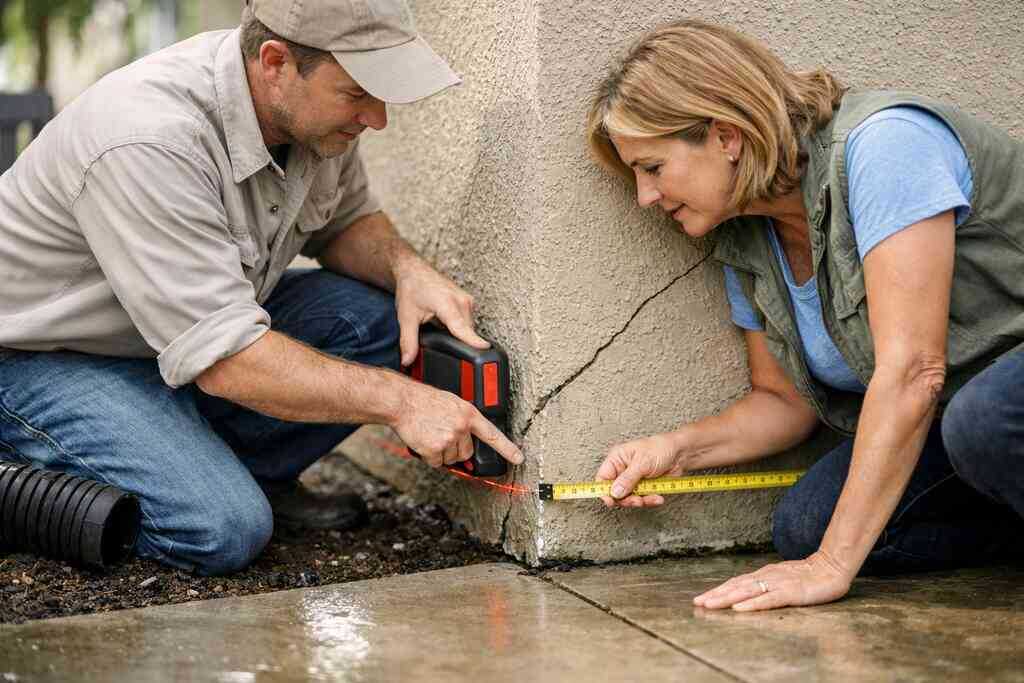
If you are staring at a new crack in your wall at 11 p.m., you are not overreacting. That little line can feel huge. We hear this from South Florida homeowners all the time, especially after heavy rain, a windy week, or a long stretch of heat. The hard part is that not every crack means disaster, but some do point to active movement. Knowing the difference can save you stress, money, and a bigger repair later.
Cracks That Keep Growing Instead of Settling Down
Which wall cracks are just cosmetic and which point to active foundation movement
Small hairline cracks can happen from normal drywall shrinkage. They often stay short, thin, and unchanged. Active movement looks different. It widens, lengthens, or returns after patching. In foundation repair for Miami-Dade homes, that pattern matters more than the crack itself. If you can trace a crack with your finger and see it change over weeks, take it seriously.
Here is the part most homeowners miss. A cosmetic crack usually sits where materials meet, like paint joints or old patch lines. A structural crack often cuts across those patterns. It may appear beside a corner, travel through a block wall, or reappear near the same spot after repairs. One homeowner in Homestead thought a thin crack was just settling paint. Three months later, the same line had spread across a doorway and into the ceiling. That is when the conversation changes from patching to South Florida foundation repair.
How diagonal cracks in interior walls reveal settling foundation cracks in Miami Dade homes
Diagonal cracks are one of the clearest signs of foundation damage. They often start near door corners or window corners and run upward at an angle. That shape suggests the home is shifting unevenly. In Miami-Dade building code compliance work, those patterns get attention quickly because movement can affect more than finishes.
A crack running from a door header toward the ceiling can mean one side of the slab is moving differently than the other. It can also mean framing is twisting under stress. The problem is real, but the source is not always obvious. That is why a structural engineer evaluation can be useful when the same diagonal crack keeps returning. If you are comparing repairs, ask for a licensed contractor Miami-Dade residents can verify and who understands structural movement, not just patching.
Why exterior foundation cracks near doors, windows, or slab edges are a bigger red flag in South Florida
Exterior cracks near openings deserve faster attention. South Florida homes face expansion, moisture, and storm pressure that can magnify small weaknesses. A crack near a garage door, window opening, or slab edge may signal movement below the surface. That is especially true in coastal homes where soil stays wet, then dries quickly. Those cycles can stress the slab and surrounding structure.
If the crack sits near the edge of the foundation, water has a direct path inward. That can lead to more damage, not less. A South Florida concrete contractor may spot signs that a cosmetic repair will fail because the underlying issue remains active. On the projects we have seen this year, homeowners often spend more fixing the visible crack than they would have spent addressing the cause earlier. That is painful. It is also avoidable.
When soil movement in South Florida turns small cracks into South Florida foundation repair work
Soil movement in South Florida is not dramatic in the way people expect. It is slow, uneven, and sneaky. A wet week can soften one section. A dry stretch can pull another section down. Over time, that cycle creates pressure points. Those pressure points become settling foundation cracks.
In South Florida, drainage and grading matter just as much as the slab itself. Poor runoff can wash soil away from one edge of the home. That is why small cracks can become South Florida foundation repair work after heavy rain or repeated flooding. If you see cracks growing after storms, do not wait for them to “settle back.” They may be telling you the opposite.
Doors and Windows That Suddenly Stop Behaving
Why sticking doors and windows often show up before obvious slab foundation problems
Sticky doors are annoying, but they are also useful clues. When a slab shifts, openings go out of square. That means the door may scrape, latch poorly, or swing open on its own. Windows can start binding for the same reason. In many homes, these are the first home inspection foundation warning signs anyone notices.
The confusion is understandable. Humidity alone can swell wood. Paint buildup can also make a door drag. Still, when several openings misbehave at once, the odds shift toward movement. We hear this from clients almost every week. They notice one stubborn back door, then a bedroom window, then the front latch starts catching. That pattern is worth more than a single symptom.
How humidity, settlement in coastal homes, and framing distortion can all look the same at first
South Florida humidity can mask deeper issues. A coastal home may experience swelling wood, corrosion at fasteners, and minor framing changes at the same time. That makes diagnosis tricky. A door that sticks in August may behave differently in a drier month. However, settlement in coastal homes tends to create repeatable misalignment, not random inconvenience.
A simple test helps. Open and close the door several times, then check the gap at the top and side. If the gap changes from one end to the other, the frame may be out of square. If a window no longer seats evenly, the same logic applies. A licensed contractor Miami-Dade homeowners trust will look for patterns across multiple openings, not just one bad hinge. That is the difference between a hardware problem and a structural one.
What a licensed contractor Miami-Dade or structural engineer looks for during a home inspection foundation warning signs check
A proper inspection is methodical. The contractor or engineer checks slopes, cracks, fasteners, door alignment, and moisture conditions. They look for sinkage around the home perimeter and signs that one side of the structure is carrying more load. They also check whether the problem is isolated or widespread. That distinction matters because the repair strategy changes completely.
A good inspector will ask about drainage, recent storms, and any remodel work. That is not filler. It helps connect symptoms to causes. If you need help finding qualified pros, start with how to verify a contractor license in South Florida. You should also confirm contractor insurance requirements Florida before work begins. Never assume a recommendation is enough. Verify it yourself.
When hurricane impact window installer South Florida issues and structural movement overlap in older homes
Older homes often reveal problems at the windows first. A past upgrade may have added hurricane-rated glass, but the surrounding frame could still be moving. That is why hurricane impact window installer South Florida issues can overlap with structural concerns. A window that once closed smoothly may now bind because the opening shifted after storm stress or slab movement.
If you are considering exterior work, remember the code side too. Hurricane code requirements for structural repairs matter whenever structural movement affects openings or load paths. Do not let anyone tell you to “just trim it out.” That can hide the problem for a while, but it does not fix the structure. For a broader starting point, the foundation repair Miami-Dade homes resource can help you think through next steps without rushing.
Floors That Feel Tilted, Soft, or Off Balance
How uneven floors in Florida homes can point to foundation leveling solutions instead of simple wear and tear
Floors should feel predictable. When they slope, dip, or bounce, something below may be wrong. In many cases, uneven floors in Florida homes point to a need for foundation leveling solutions rather than a flooring replacement. That distinction saves money and frustration. Replacing tile over an unstable slab is like painting over a leak.
A subtle tilt in one room can suggest a local problem. A wider slope across several rooms may point to a larger structural issue. You can test this with a marble or level, but a field check is better. A South Florida flooring installer may notice movement patterns that a general handyman would miss. Still, flooring pros can only flag the concern. They cannot solve the root issue if the slab is shifting.
What crawl space and slab inspection findings tell you about sinkage around the home perimeter
Not every South Florida home has a crawl space, but when it does, inspection is revealing. Inspectors look for moisture, wood rot, beam deflection, and signs of movement near the supports. In slab homes, the focus shifts to perimeter edges, settlement points, and slab cracking. Either way, crawl space and slab inspection findings can show whether the home is dropping unevenly.
A telltale clue is a floor that feels softer near exterior walls. That can mean the perimeter is sinking while the center remains stable. The result is a subtle but real change underfoot. If your floor feels tilted near one side of the house, do not blame age alone. Sometimes the house is telling you where the load has changed.
Why moisture-related foundation damage and drainage problems causing foundation issues often show up under tile or vinyl first
Tile and vinyl reveal movement fast. Grout lines crack. Tiles tent. Vinyl seams lift. These are common signs of moisture-related foundation damage and drainage problems causing foundation issues. The floor covering is not the problem. It is the messenger.
Here is what almost no online guide mentions. Moisture often travels before visible wall damage does. That means you may notice floor changes before you notice cracks at the ceiling. One client near Cutler Bay saw a hollow sound under porcelain tile long before any drywall crack appeared. Later, the slab edge had clearly moved. That is why floor symptoms deserve respect. They often show the earliest structural shift.
When a South Florida flooring installer or South Florida concrete contractor should flag deeper structural concerns
A skilled South Florida flooring installer should not ignore a recurring lip, bounce, or crack line. The same goes for a South Florida concrete contractor who sees settlement during slab work. Their job is not only to install finishes. It is to notice when the surface is warning you about the structure underneath. Good tradespeople do that. Great ones say so clearly.
If they advise deeper review, listen. You may need a structural specialist before any new finish goes down. This is especially true in homes with tile over older slabs, or in remodels where one section was patched before. For broader contractor comparison, you can also use find contractors near South Florida as a starting point, then verify licensing and insurance yourself.
Water, Storms, and the Quiet Erosion Happening Under Your House
How stormwater runoff and foundation erosion quietly undermine coastal home structural integrity
Water is patient. It does not need a dramatic flood to cause trouble. In South Florida, stormwater runoff and foundation erosion often work quietly along the home perimeter. Poor grading can send water toward the slab after every storm. Over time, the soil weakens and settles away. That process threatens coastal home structural integrity even when the surface looks fine. You may only notice a damp edge, a soft spot, or a hairline crack at first. Then the movement becomes more obvious. If your downspouts dump water near the house, fix that before anything else. Drainage problems are often the first domino. 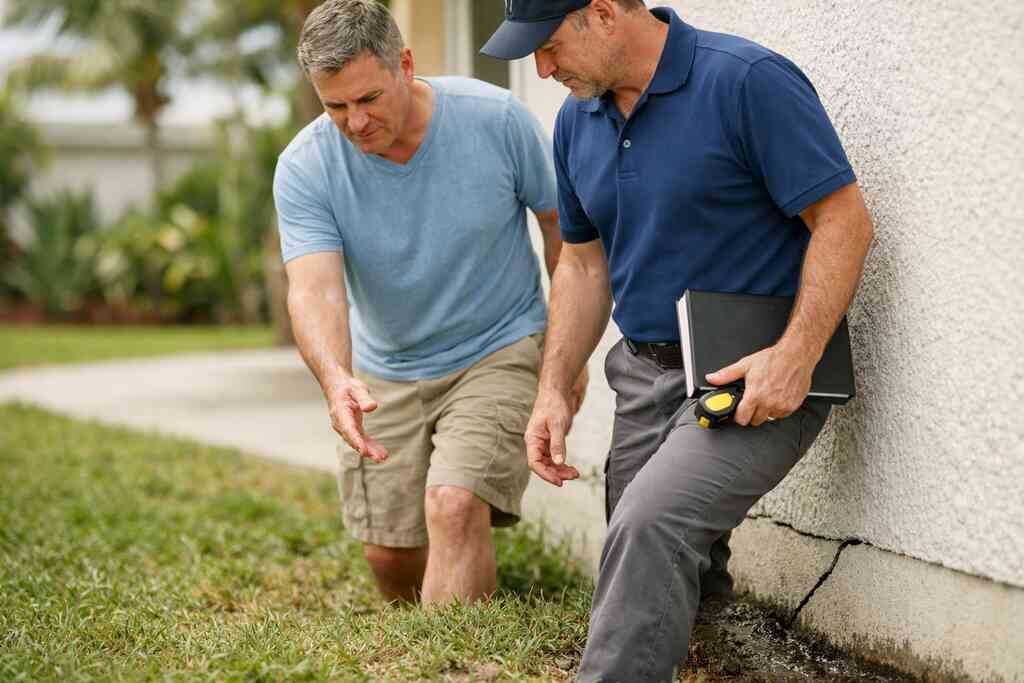
Why seawall-adjacent foundation concerns are common in parts of Miami-Dade and along South Florida waterways
Homes near water face a different set of pressures. Seawall-adjacent foundation concerns are common because soil conditions change faster near canals, bays, and waterfront edges. In parts of Miami-Dade and across South Florida waterways, the ground can shift after tides, rain, and prolonged moisture. That does not guarantee failure. It does mean the structure needs closer attention.
These homes often have a history of repairs, additions, or previous drainage fixes. The challenge is that old solutions do not always match current conditions. If the soil has moved since the last work, the repair plan may need updating. A South Florida foundation repair specialist should understand the environment, not just the symptom.
How hurricane-related structural stress can make pre existing foundation movement worse after a major storm
Storms do not need to rip a roof off to cause structural trouble. Hurricane-related structural stress can flex framing, saturate soil, and worsen already weak areas. If your home had tiny cracks before the storm, they may widen afterward. If doors were already sticky, they may stop latching. That is why post-storm inspection matters, even when the damage seems minor.
Hurricane conditions also raise code questions. If structural repairs are needed, South Florida building codes and Florida Building Code compliance cannot be treated casually. The work may require more than patching. It may require a better load path, proper reinforcement, or new stabilization methods. Never let anyone suggest skipping the permit because the damage “looks small.” Small visible damage can hide larger structural shifts.
When drainage corrections, slab crack repair, or foundation stabilization methods should be discussed together
Sometimes homeowners ask for one repair when they really need three. Drainage correction, slab crack repair, and foundation stabilization methods often belong in the same conversation. If water is still pooling near the foundation, a crack repair alone will not last. If the slab is still settling, cosmetic fixes will fail again. That is the frustrating part. It also means the fix must be holistic.
A complete review may lead to grading changes, gutter improvements, crack sealing, or even underpinning and pier installation. Not every home needs that level of intervention, but some do. The key is not guessing. Ask a qualified professional to explain why each recommendation is necessary, and what problem it solves.
Gaps, Separation, and the Little Clues That Mean Bigger Trouble
Why wall cracks from foundation settling often show up with ceiling gaps, trim separation, and popped nails
Structural movement rarely shows up in just one place. Wall cracks from foundation settling often arrive with ceiling gaps, trim separation, and popped nails. That cluster is meaningful. It tells you the house is moving enough to pull finishes apart. If the paint is splitting at the same time as the crown molding, do not dismiss it as routine aging.
These small clues feel cosmetic, but they are often spatial clues. They show where the structure is changing shape. If the damage repeats in the same room, that room may be sitting over the affected area. That is why a detailed walk-through matters more than a quick glance. You need the pattern, not just the symptom.
How sinkage around the home perimeter can create visible gaps between baseboards, cabinets, and counters
When the perimeter drops, the interior finishes react. Sinkage around the home perimeter can create gaps between baseboards and flooring, or between cabinets and counters. In kitchens, this shows up fast. Countertops may pull away from a wall. Cabinet doors may not line up. In bathrooms, tile edges can separate from trim.
One client in Broward noticed a gap at the top of a pantry cabinet. Then the kitchen island shifted by a fraction of an inch. That sounds small. It is not. Once the structure moves enough to affect cabinetry, the problem is no longer theoretical. It is active. That is when you should bring in a contractor who understands both structural and finish-level damage.
Why water intrusion and foundation damage often travel together in South Florida homes with aging finishes
Aging finishes can hide serious issues. Water intrusion and foundation damage often travel together because the same opening that lets water in may also weaken framing and trim. In older South Florida homes, caulk fails, flashing ages out, and small roof or wall leaks become chronic. Over time, moisture reaches the structure and changes how it performs.
This is especially common where updates happened in stages. A new floor may cover an old moisture problem. Fresh paint may cover a stain. New cabinets may hide a shifted wall. That is why repairs should be based on evidence, not appearances. If the home smells damp, has recurring stains, or shows rusted fasteners, treat those as warning signs.
When an emergency structural repair assessment is the right move before the damage spreads
Some situations should not wait. If doors jam suddenly, cracks widen quickly, or floors feel noticeably unstable, request an emergency structural repair assessment. That does not mean panic. It means act before the damage spreads. The longer movement continues, the harder it becomes to restore alignment cleanly.
Use a contractor who documents findings clearly and explains the path forward. Ask for photos, measurements, and a written scope. If you need help vetting firms, review how South Florida contractors verify license and insurance before you sign anything. That simple step protects you from bad advice and rushed repair plans.
The Permit and Repair Decision That Protects the Whole House
What permit requirements for foundation work usually mean under Miami-Dade building code compliance and South Florida building codes
Foundation work is not the place to improvise. Permit requirements for foundation work usually mean the repair must meet local review standards and structural rules. In Miami-Dade building code compliance, that often involves more scrutiny than a basic cosmetic project. Across South Florida, permits help confirm the repair is designed correctly and inspected properly. That protects you.
Do not let anyone talk you into skipping permits. A repair that touches structural support, load-bearing elements, or exterior components may need approval. That can also affect resale and insurance discussions later. If a contractor brushes off the permit process, that is a warning sign in itself. The right company expects it.
Why hurricane code requirements for structural repairs matter before underpinning and pier installation begin
If underpinning is part of the plan, code matters even more. Hurricane code requirements for structural repairs can affect how the work is designed and documented. In South Florida, structural repairs must consider wind resistance, load transfer, and the home’s existing system. That is especially important before underpinning and pier installation begin.
You want the structure stabilized, not merely propped up. A sloppy repair can create new stress points. A proper repair considers the full load path and the local environment. If the home is near the coast, the contractor should also understand hurricane-code realities and moisture exposure. That is not extra. It is basic competence.
How to verify a contractor license and review contractor insurance requirements Florida before signing anything
Before you hire anyone, verify the license. Confirm the company is active and properly classified for the work. That is the safest way to approach how to verify a contractor license in a structural project. Also ask for proof of insurance and make sure it is current. The phrase contractor insurance requirements Florida should mean more than a verbal promise.
If the job is substantial, ask about a structural repair specialist or a licensed contractor Miami-Dade homeowners can verify independently. A reputable pro will not object. They will expect it. For a helpful starting point, use South Florida Contractors Guide to 2026 Florida Building Code, then confirm details with the local permit office before work begins.
When contractor bonding requirements, lien waiver Florida, and change order contractor Florida language should be on the table before foundation settlement repair starts
The paperwork matters. Contractor bonding requirements can offer another layer of protection, especially on larger structural jobs. Ask for a lien waiver Florida form when payments are made, so you know subcontractors and suppliers are being handled properly. And read every change order contractor Florida document before signing. A change order explains what changed, why it changed, and how the price or scope is affected.
This is not red tape for its own sake. It is how you protect the repair, the budget, and the house. On any significant foundation settlement repair, ask for written scope, permit status, and a clear inspection plan. You do not have to figure this out alone, and you do not have to figure it all out today. Start with one licensed professional, one inspection, and one honest conversation before the next rain pushes the issue further.
Frequently Asked Questions
Question: What are the most common signs of foundation damage in Miami-Dade homes, and when should I call South Florida Contractors for a foundation repair Miami-Dade homes inspection?
Answer: The biggest signs of foundation damage usually start with cracks that keep growing, diagonal cracks in interior walls, sticking doors and windows, uneven floors in Florida homes, and gaps around baseboards or cabinets. In South Florida, these issues often come from soil movement in South Florida, drainage problems causing foundation issues, or moisture-related foundation damage after heavy rain and storm cycles. If you notice one symptom getting worse, or multiple symptoms happening at once, it is smart to schedule a structural review before the problem spreads.
Question: How do I know if I need a structural engineer evaluation, slab crack repair, or full foundation stabilization methods for my South Florida home?
Answer: A structural engineer evaluation is often helpful when cracks are widening, doors and windows are misaligning, or floors are sloping in a way that suggests active movement. If the issue is limited and the slab has not shifted much, slab crack repair may be enough. But if the home is showing sinkage around the home perimeter, repeated movement, or visible separation in multiple rooms, you may need foundation stabilization methods such as underpinning and pier installation. South Florida Contractors can help you find a contractor South Florida homeowners can verify, but you should always confirm licensing and insurance before any repair begins. That matters even more for hurricane code requirements for structural repairs and Miami-Dade building code compliance.
Question: Can South Florida Contractors help me find a licensed contractor Miami-Dade homeowners can trust for inspection, permits, and foundation settlement repair?
Answer: Yes. South Florida Contractors is built to help homeowners locate the right professional for the job, whether you need a licensed contractor Miami-Dade, licensed contractor Broward County, or licensed contractor Palm Beach County. For foundation settlement repair, the right contractor should understand the South Florida permit process, South Florida building codes, and Florida Building Code compliance, especially when structural work or exterior repairs are involved. Before hiring, verify how to verify a contractor license, confirm contractor insurance requirements Florida, and ask about contractor bonding requirements and lien waiver Florida paperwork. A trustworthy contractor should also be willing to explain any change order contractor Florida documents clearly before work begins.
Question: Why do door and window sticking issues often happen before more obvious slab foundation problems in coastal homes?
Answer: Door and window sticking issues are often early warning signs because even a small shift in the slab can throw openings out of square. In coastal homes, humidity can cause some swelling, but repeated sticking across several doors or windows usually points to settlement in coastal homes rather than a simple hardware issue. This is especially true when the problem appears alongside diagonal cracks in interior walls or exterior foundation cracks near openings. If hurricane-related structural stress or stormwater runoff and foundation erosion have affected the property, the movement may be more serious. A South Florida concrete contractor or structural repair contractor South Florida homeowners can verify should inspect the opening alignment, slab edges, and moisture conditions before cosmetic fixes are made.
Question: What should I do if I see water intrusion, exterior foundation cracks, or sinkage around the home perimeter after heavy rain or a storm?
Answer: If those warning signs show up after rain or a storm, treat them as possible signs of active structural movement. Water intrusion and foundation damage often travel together, especially in South Florida where stormwater runoff and foundation erosion can quietly weaken the soil around the home. Exterior foundation cracks near doors, windows, or slab edges can let more water in and make the issue worse. The next step is a careful inspection, not patching over the symptom. You may need drainage corrections, slab crack repair, or broader foundation stabilization methods depending on what the property shows. In some cases, an emergency structural repair assessment is the right move before the damage spreads. South Florida Contractors can help you find a contractor South Florida residents can contact for these services, but always verify license status, insurance, and permit handling before signing anything.
Question: How does the blog Top 6 Signs You Need Foundation Repair in Miami Dade Homes relate to permits, hurricane code requirements for structural repairs, and choosing the right contractor?
Answer: The blog is meant to help homeowners recognize when minor-looking issues may actually require foundation repair Miami-Dade homes often need after weather, drainage, or settlement problems. Once the issue goes beyond surface damage, the repair may trigger permit requirements for foundation work, Miami-Dade permit review, and hurricane code requirements for structural repairs. That is why the contractor you choose matters so much. A qualified professional should understand Miami-Dade building code compliance, contractor licensing Florida, contractor insurance requirements Florida, and the documentation needed for structural work. South Florida Contractors helps homeowners connect with the right local professionals across South Florida, including general contractor near me South Florida searches, but you should still verify every contractor before work begins. That includes checking licenses, insurance, bonding, lien waivers, and any change order contractor Florida paperwork so the repair is done safely and correctly.