
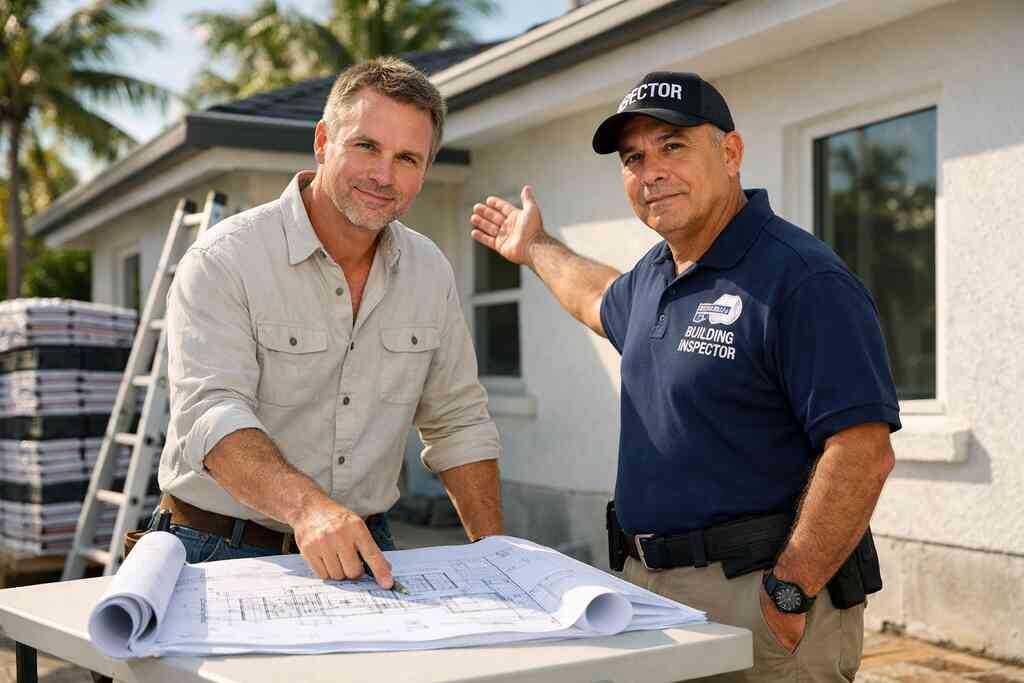
A homeowner called us during a hard rain, worried the crew had already started demolition without a permit. That panic is common. If you are staring at plans, quotes, and county forms, the process can feel heavier than the project itself. The good news is that permits usually protect you more than they delay you. In South Florida, especially Miami-Dade, the wrong shortcut can become a stop-work order fast. If you want a guide to the top permits South Florida contractors need in Miami-Dade in 2026, start with the work below.
The permit that stops a kitchen remodel from turning into a stop-work order
A kitchen project looks simple until walls move. Then the whole job changes. Most South Florida kitchen remodeler jobs in Miami-Dade need more review than homeowners expect, especially when plumbing, electrical, or structural work enters the plan. If you are feeling stressed, that reaction is normal. This is the part most homeowners miss: cosmetic updates and code-triggering work are not the same thing. A licensed contractor Miami-Dade should tell you which side your project falls on before demo starts.
When a South Florida kitchen remodel in Miami-Dade crosses from cosmetic to structural work
Paint, cabinet replacement, and countertop swaps often stay lighter on paperwork. But once you touch a load-bearing wall, relocate a sink, or move gas lines, the permit picture changes quickly. A South Florida kitchen remodeler should treat that boundary seriously. On the projects we have seen this year, the biggest problems came from hidden framing changes behind pretty finishes. One Miami-Dade homeowner wanted a wider island and a breakfast bar. The crew found a structural wall and had to stop until engineering drawings were revised.
The safest approach is simple. Ask what stays, what moves, and what gets opened. If the answer includes plumbing reroutes, electrical rewiring, or wall removal, expect a Miami-Dade permit. A strong Miami-Dade permit process for South Florida remodeling work keeps the job legal and avoids rework. That matters even more in condo renovation South Florida projects, where building management can require extra approvals before the county sees anything.
What cabinets, plumbing moves, electrical changes, and wall removals usually trigger a permit
Cabinets alone may not need full review. Yet once you move a dishwasher, add recessed lighting, or relocate a range, the work becomes permit-sensitive. Electrical upgrades often trigger inspection because circuits, outlets, and load calculations must match South Florida building codes. Plumbing changes matter too, especially when drains, vents, or water supply lines shift. Wall removals can trigger engineering review if they affect support. That is why the safest general contractor near me South Florida is the one who explains the trigger points clearly.
Here is a practical checklist:
- New plumbing location
- New electrical circuits
- Gas line changes
- Wall removal
- Structural beam work
- Hood vent changes
- Condo or HOA review
A discussion of kitchen remodeling permits in South Florida homes should always include those items. If a contractor skips them, you should pause. South Florida permit process errors are expensive to fix after an inspection fails.
How HOA approval and condo renovation South Florida rules can slow the start before the county ever sees the plans
HOA and condo boards often care about noise, deliveries, flooring underlayment, water shutoff, and work hours. That means your county permit may not be the first gate. In Miami-Dade, condo renovation South Florida projects can require drawings, insurance certificates, elevator reservations, and neighbor notices. If your building sits near Brickell, Coral Gables, or the beach corridor, expect stricter rules. These delays feel frustrating, but they are manageable when planned early. Here is what almost no online guide mentions: condo boards can reject a contractor package even when the county would approve the work.
A good Miami-Dade HOA approvals for condo renovation in South Florida workflow protects your schedule. Ask for the building packet before ordering materials. You do not need to figure it out alone, and you do not need to figure it all out today. Start with one call to a contractor who works through condo boards often.
The roofing permit that protects the house before the next storm season
Roof work in South Florida is never just roof work. It is weather strategy, code compliance, and insurance protection all at once. If you are comparing bids, be careful with the lowest number. A cheap quote can leave out underlayment, fastener schedules, or deck repairs. That is how a roofing contractor South Florida project turns into a failed inspection. In hurricane season, that failure matters.
Why roofing contractor South Florida work almost always needs more than just a tear-off and replacement quote
A roof replacement affects more than shingles or tiles. Miami-Dade reviewers want to know the roof system, attachment method, and product approvals. They also want to know whether existing decking needs replacement. If your contractor only talks about tear-off and shingles, you are not getting the full picture. A roofing permit rules for South Florida hurricane upgrades package should include the system, not just the surface.
We have seen homeowners accept a “same-day start” promise, then lose two weeks when inspectors flagged missing paperwork. That is painful, especially after leaks. A better roofing proposal explains the permit path first. It also acknowledges hurricane code compliance, because roof systems here must resist wind uplift far better than many inland markets. South Florida contractors who know the difference save you money later.
How hurricane roof tie-downs, deck attachment, and underlayment details affect hurricane code compliance
Hurricane roof tie-downs matter because wind tries to peel the roof away. Deck attachment matters because the roof system is only as strong as the structure beneath it. Underlayment matters because water intrusion often starts with one overlooked layer. These details are not cosmetic. They decide whether your roof passes inspection and performs during a storm.
A solid roofing contractor should explain:
- Fastener pattern
- Deck condition
- Underlayment type
- Edge metal
- Tie-down requirements
- Penetration flashing
That is where hurricane code compliance becomes practical, not theoretical. If the home is coastal, or near high-exposure areas, the review can be more demanding. A Florida Building Code 2026 for coastal homes in South Florida perspective helps you understand why. The code exists because wind does real damage here.
What Miami-Dade permit reviewers expect when the roof design ties into South Florida building codes
Reviewers want clarity, not guessing. They want the permit application, product approvals, and matching scope of work. They also want the roof assembly to match the actual house, not a generic specification sheet. If your home has concrete tile, a flat roof section, or a mixed system, expect more scrutiny. Miami-Dade permit staff look for consistency between the plans and the field conditions. That is especially true for homes with past repairs or partial reroofs.
A homeowner in Palmetto Bay once showed us a “simple replacement” estimate that ignored rotted plywood. The project stalled until a revised scope was submitted. The lesson was clear. Good paperwork prevents bad surprises. If you are choosing among South Florida contractors, ask who prepares the submittal package and who answers plan-review comments.
The impact window and shutter paperwork that homeowners underestimate
Exterior opening protection is one of the smartest upgrades you can make here. It is also one of the easiest to under-document. Windows and shutters affect safety, insurance, and code compliance. That means the paperwork matters. A hurricane impact window installer South Florida project should never begin with a handshake and a delivery date only. It should begin with approvals.
When a hurricane impact window installer South Florida project needs drawings, product approvals, and permit signoff
Impact windows are not just stronger glass. They are tested assemblies. That means the frame, hardware, and glazing system all matter. A Hurricane impact window installation permits in South Florida package usually needs product approvals, installation details, and permit signoff. If openings change size, the permit burden rises. If mullions or structural framing change, plan review becomes more serious.
One client near Kendall wanted to replace twenty-year-old sliders with impact units. The issue was not the windows. It was the mismatched opening sizes. The crew had to revise the framing before inspection could continue. That delay was annoying, but it prevented a bigger failure later. In South Florida, opening protection is part of the building envelope. Treat it that way.
Why a hurricane shutter contractor must match opening protection to the home’s exposure and wind zone assumptions
Shutters are not one-size-fits-all. The opening size, attachment method, and exposure rating all matter. A hurricane shutter contractor must match the system to the home’s conditions, especially on the coast. Homes near Biscayne Bay, the barrier islands, and other high-exposure areas can face tougher design assumptions. That is why a “works on most homes” quote is not enough.
A reputable hurricane shutter contractor process should include:
- Product approval documents
- Fastener and anchoring details
- Opening schedule
- Installation instructions
- Permit closeout
If you are unsure, ask for the approval sheets before signing. That is a simple way to protect yourself. It also helps you compare bids fairly.
How to verify a contractor license and insurance before signing for exterior opening protection work
This part is not optional. Before exterior work starts, verify licensing, insurance, and experience with Miami-Dade permits. Ask for the license number. Ask for current insurance certificates. Ask whether the contractor carries the proper scope for window or shutter installation. If they hesitate, that is a warning. You should also confirm that the installer understands hurricane code compliance and the permit closeout process.
A good contractor will welcome those questions. A weak one will not. If you need a reference point, start by checking how to verify a contractor license in Florida and then cross-check the company documents directly. Never rely on a brochure alone. For South Florida homeowners, trust begins with paperwork.
The structural permit that turns a simple addition into a major review
Additions sound exciting until engineering enters the conversation. Then the project becomes more technical. That does not mean you should avoid it. It means you should plan for it honestly. South Florida home additions often trigger deeper review than cosmetic remodels because the structure, soil, wind exposure, and drainage all matter. If you are building up, out, or onto a weak slab, expect permit scrutiny.
Why South Florida home additions, second story addition South Florida plans, and sunroom contractor work can trigger engineering review
Any South Florida home additions and second-story addition permits can affect the existing structure. Second-story additions are especially sensitive because they add load to a home that may not have been designed for it. Sunrooms can seem lighter, but they still can touch foundations, roofs, and openings. That is why engineering review is so common. The permit reviewer wants proof that the home can carry the new load safely.
The mistake we see most often is timing. Homeowners hire a designer, then discover the structure cannot support the plan as drawn. That forces revisions. It also burns time. A strong coastal home builder Florida or South Florida custom home builder thinks about structure before finishes. That is the right order.
What makes lanai builder South Florida and screen enclosure contractor South Florida jobs more complex near waterfront and coastal areas
Lanai and screen enclosure work may look straightforward from the street. Yet waterfront properties bring extra concerns. Wind exposure, corrosion, anchoring, and flood-adjacent conditions can change the permit path. A screen enclosure contractor tips for South Florida coastal projects discussion should always include those realities. If the home sits near water, the reviewer may ask more questions about design loads and attachments. A lanai builder South Florida should also consider drainage and existing slab condition. Screen enclosures often attach to old concrete that has hidden cracks or settlement. If the structure is weak, the permit can require reinforcement. That is not red tape for its own sake. It is risk control. Coastal weather punishes weak details fast.
How South Florida concrete contractor and South Florida foundation repair scopes can force deeper permit scrutiny than the homeowner expects

Concrete repair and foundation work sound like support tasks. In reality, they can become the heart of the permit. If a slab has settled, cracked, or shifted, any addition or enclosure may need deeper investigation. A South Florida concrete contractor working on structural support should coordinate with engineering, not guess. Foundation repair can also affect adjacent walls, finish floors, and door openings. That means more inspections and more documentation.
Here is the part many homeowners miss. Structural work often exposes hidden problems. We have seen a small repair reveal a drainage issue, then a framing issue, then a permit revision. That chain reaction is normal in older South Florida housing stock. It is also why a licensed contractor Palm Beach County or licensed contractor Broward County may still recommend extra testing before they bid. Good judgment saves you from expensive surprises.
The paver, pool deck, and patio permit path that keeps outdoor upgrades legal
Outdoor upgrades feel flexible until they affect drainage or access. Then the county cares. Pool decks, patios, pavers, and outdoor kitchens all touch the site plan. That means setbacks, utility runs, and safety paths can matter just as much as the surface finish. If you are hoping for a fast install, the permit side may be the pacing item.
When pool deck contractor South Florida work needs drainage, setback, and structural checks instead of a basic decorative permit
A pool deck is not just decorative. It affects water flow around the home, slip safety, and access around the pool shell. A pool deck contractor South Florida should confirm whether the deck expansion changes drainage or requires structural review. Setbacks may also matter if the deck approaches property lines, easements, or equipment pads. Decorative decisions can become code decisions quickly.
The same logic applies to repairs and resurfacing. If the work changes height, slope, or circulation, the permit conversation gets more serious. Miami-Dade permit reviewers want safe access and proper water management. That keeps your pool usable and your yard from flooding the wrong way during heavy rain.
How paver installation South Florida projects can affect stormwater flow, access paths, and HOA permit approval
Pavers can look easy. They are not always easy. A paver installation South Florida project can alter runoff, especially if you replace grass or porous ground with hardscape. Stormwater flow matters because South Florida gets heavy bursts of rain. Access paths matter because emergency routes cannot be blocked. HOA permit approval matters because many associations care about color, pattern, and edge treatment.
One homeowner in Weston wanted a larger driveway apron. The city did not mind the design, but the HOA wanted a revised site plan. That extra step delayed the start. Still, it was better than ripping out completed pavers later. If your property sits in a managed community, ask about association rules before you order materials.
Why outdoor kitchen contractor South Florida and patio cover work often pulls electrical, gas, and structural permits into the same package
Outdoor kitchens sound simple until utilities enter the picture. Add a grill, sink, fridge, or vent hood, and now you may need electrical and plumbing permits. Add a patio cover, and structural review may follow. That is why an outdoor kitchen permits in Miami-Dade for South Florida homes package often includes several disciplines. The same is true for a screen enclosure contractor South Florida job with lighting or fans.
This is where change order contractor Florida paperwork helps. If the scope expands after the bid, the paperwork must show it. You do not want surprise utility work hidden inside a “small patio upgrade.” Ask for the full scope in writing. Then make sure the permit covers every line item.
The remodel permit checklist that keeps bathrooms, flooring, and electrical from becoming a chain reaction
Bathrooms and flooring seem lower risk than additions. They are not always lower effort. Water, electricity, ventilation, and subfloor condition can all come into play. If your project involves a shower relocation or a floor replacement over damaged material, the permit discussion becomes real fast. A South Florida bathroom remodeler should expect that.
What a South Florida bathroom remodeler needs to know before moving drains, vents, or shower walls
Moving a vanity is one thing. Moving a drain is another. A Bathroom remodeling permits in South Florida homes application may be needed when drains, vents, shower walls, or waterproofing layers change. The key issue is not appearance. It is moisture control and code-compliant plumbing. If the shower pan changes, the wall assembly may need review too.
A couple in Hollywood once wanted a larger curbless shower. The layout looked modest. Yet the drain slope, slab cutting, and waterproofing details forced a more detailed permit. That is normal. It is also why a home remodeling contractor South Florida should ask questions before demolition. Bathrooms reward careful planning. They punish guessing.
When South Florida flooring installer and South Florida tile contractor work crosses into subfloor repair or moisture mitigation
Tile and flooring projects can hide big problems underneath. If the subfloor is rotten, uneven, or damp, the job becomes more than finish work. A South Florida flooring installer may need to replace underlayment or level the surface. A South Florida tile contractor may need moisture mitigation if the slab shows signs of intrusion. That matters a lot in older homes and ground-floor condos.
A simple replacement can become a structural and moisture issue. Here is a useful rule: if the installer opens the floor and finds damaged wood, standing moisture, or slab cracks, stop and reassess. That is not overreacting. It is smart project management. In coastal Florida, hidden moisture can ruin new finishes faster than almost anything else.
How electrical, plumbing, and HVAC changes can turn a small update into a permit-heavy remodel in Miami-Dade
A bathroom fan replacement may seem minor. But vent routing, new lighting, GFCI outlets, and exhaust changes can all trigger permits. Plumbing changes can require inspections. HVAC modifications can matter if the space is being reconfigured for better humidity control. In Miami-Dade, permit reviewers expect those systems to match the final plan. That is true whether you are hiring a South Florida bathroom remodeler or a South Florida design build team.
If you are balancing a job, family, and a contractor on speaker phone, you are not alone. The process is genuinely confusing for most people. Start by asking which trades are included in the permit set. That one question prevents most surprises. Then keep every invoice and approval in one folder.
The contractor documents that matter more than the handshake
A permit is only as good as the contractor behind it. That sounds blunt, but it is true. Even a perfect plan can unravel if the company is uninsured, unlicensed, or sloppy with paperwork. South Florida homeowners deserve better than promises. They deserve proof. Before you move ahead, verify the documents.
Why contractor licensing Florida, contractor insurance requirements Florida, and contractor bonding requirements should be checked before any permit is filed
Contractor licensing Florida rules exist for a reason. They help protect homeowners from bad workmanship and incomplete work. Contractor insurance requirements Florida matter because accidents happen. Contractor bonding requirements matter because certain obligations need financial backing. A licensed contractor Miami-Dade should be ready to show all of this without hesitation. If you are working with South Florida contractors, make verification a habit.
A quick table helps keep the basics straight:
DocumentWhy it mattersWhat to ask forLicenseConfirms legal authorityLicense number and active statusInsuranceProtects against lossCurrent certificateBondAdds financial protectionBond details, when applicablePermit responsibilityClarifies who filesWritten scope in contractIf you need to find a contractor in South Florida for Miami-Dade renovation projects, start with those documents first. Do not sign only because the price feels right. The wrong contractor can cost far more than the right one.
How lien waiver Florida forms and change order contractor Florida paperwork protect the homeowner during the build
Lien waiver Florida forms help confirm payments are tied to work completed. That matters if a subcontractor or supplier claims unpaid money later. Change order contractor Florida paperwork records scope changes, price changes, and timeline changes. Without it, small adjustments become big disputes. The paper trail is not bureaucracy. It is protection.
One Coral Gables homeowner told us the final bill rose because the electrician added circuits after framing opened. The issue was real. The paperwork was missing. That is a frustrating combination. With better documentation, the extra cost would have felt much easier to accept. Keep every signed change order, every waiver, and every inspection result.
What to look for in contractor dispute resolution terms, especially for South Florida design build and luxury renovation projects
Dispute resolution terms tell you what happens if the build goes sideways. Read them before you sign. Ask how disagreements get handled, who pays for expert review, and whether mediation comes before legal action. For South Florida design build and luxury renovation projects, that language matters more than many people realize. High-end work often includes more custom materials, more moving parts, and more room for misunderstanding.
A construction management mindset helps here, even if you are not using that exact term in your contract. The best builders organize details before they become conflict. If you are comparing a coastal home builder Florida, an oceanfront home contractor, or a waterfront home builder South Florida, ask how they handle disputes in writing. Then choose the team that answers clearly, not vaguely. Start with one honest conversation, then verify the paperwork before the first permit is filed.
Frequently Asked Questions
Question: What permits do I need for a South Florida kitchen remodeler project in Miami-Dade, and when does a cosmetic update become a Miami-Dade permit issue?
Answer: For most South Florida contractors, the permit answer depends on what changes behind the walls. Simple cosmetic updates like painting, cabinet replacement, or new countertops may be lighter on paperwork, but once you move plumbing, add electrical circuits, change gas lines, remove a wall, or alter structure, a Miami-Dade permit is usually needed. A licensed contractor Miami-Dade should explain those trigger points before demolition starts so you do not end up with a stop-work order. At South Florida Contractors, we encourage homeowners to verify licensing, insurance, and the full scope of work before signing anything. That is especially important for condo renovation South Florida projects and South Florida HOA permit requirements, where building management can add approvals before the county even reviews plans. If you are trying to find a contractor South Florida for a kitchen remodel, ask for a clear permit plan, the trade scope, and written change order contractor Florida paperwork if the job evolves.
Question: In the blog Top 7 Permits South Florida Contractors Need in Miami Dade 2026, why is roofing one of the most important permits for South Florida building codes and hurricane code compliance?
Answer: Roofing is one of the most important permits because in South Florida, the roof is part of the storm defense system, not just a finish layer. A roofing contractor South Florida project often needs permit review for tear-off, decking, underlayment, fastener patterns, edge metal, and hurricane roof tie-downs. Miami-Dade reviewers want the roof system to match South Florida building codes and the actual conditions of the home, especially in coastal or high-exposure areas. If paperwork is incomplete, inspections can fail and delay the job during storm season. South Florida Contractors advises homeowners to confirm the contractor’s license, insurance, and product approvals before work begins. That matters whether you are hiring a coastal home builder Florida, a waterfront home builder South Florida, or a general contractor near me South Florida for roof replacement. We do not recommend skipping permits or relying on verbal promises, because hurricane code compliance protects the home and the homeowner.
Question: Do hurricane impact window installer South Florida and hurricane shutter contractor projects need permits, product approvals, and HOA review?
Answer: Yes, in many South Florida projects they do, and the paperwork matters just as much as the installation. Impact windows and shutters are tested assemblies, so the frame, hardware, anchoring, and opening size all matter. A hurricane impact window installer South Florida should be prepared to provide product approvals, installation details, and the documents needed for Miami-Dade permit signoff. A hurricane shutter contractor should also match the system to the home’s exposure and opening schedule, especially for coastal homes and townhome remodeling South Florida work where association rules can be strict. In many cases, a South Florida HOA permit or condo renovation South Florida approval is needed before county review moves forward. South Florida Contractors recommends that homeowners verify contractor licensing Florida requirements, ask for current insurance, and confirm the closeout process up front. If you are trying to find a contractor South Florida for exterior opening protection, do not choose based on price alone; choose the team that can document the work properly.
Question: How do South Florida home additions, second story addition South Florida plans, and sunroom contractor South Florida projects get permit-heavy so quickly?
Answer: Additions become permit-heavy because they affect structure, load, drainage, and wind resistance. A South Florida home additions project can trigger engineering review, and a second story addition South Florida plan often requires even more scrutiny because it adds weight to an existing structure. Sunroom contractor South Florida work may seem simpler, but it can still affect foundations, roof tie-ins, openings, and moisture control. If the home is near the coast, hurricane code compliance and South Florida building codes become even more important. A licensed contractor Palm Beach County, licensed contractor Broward County, or licensed contractor Miami-Dade should know when engineering is needed and when a permit submittal must be revised. At South Florida Contractors, we recommend checking contractor insurance requirements Florida and contractor bonding requirements before any permit is filed. That protects you if the project becomes more complex than expected, which happens often in older South Florida housing stock.
Question: What should homeowners look for when hiring South Florida contractors for pool deck contractor South Florida, screen enclosure contractor South Florida, paver installation South Florida, or outdoor kitchen contractor South Florida work?
Answer: For outdoor projects, the permit path often includes drainage, setbacks, electrical, plumbing, and sometimes structural review. A pool deck contractor South Florida should understand how the deck affects slope, access, and stormwater flow. A screen enclosure contractor South Florida needs to account for wind exposure, anchoring, and the condition of the slab or attachment points. A paver installation South Florida project can change runoff and may require HOA review or a Miami-Dade permit depending on the site plan. An outdoor kitchen contractor South Florida may need multiple permits if the scope includes gas, water, electrical, or a patio cover. South Florida Contractors recommends reviewing the full scope in writing before work begins and using lien waiver Florida forms and change order contractor Florida paperwork during the build. If you are comparing South Florida contractors, verify license status, insurance, and experience with South Florida permit process requirements before you sign. That is the best way to find a contractor South Florida who can keep the project legal, organized, and inspection-ready.