
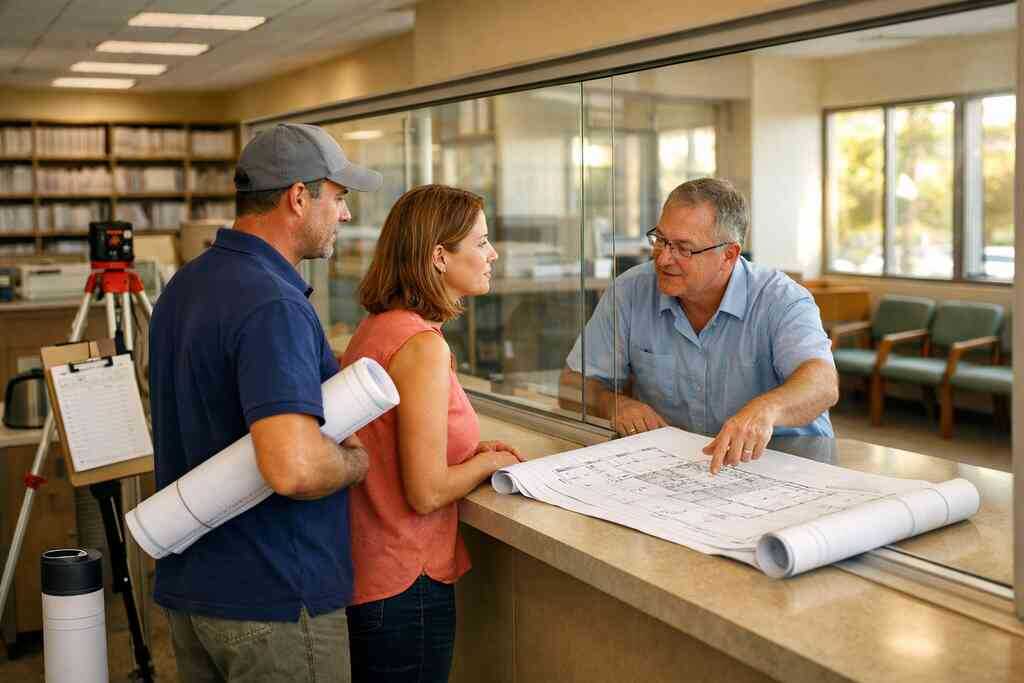
When a home addition stops being a remodel and starts becoming a permit puzzle
A homeowner called us during a thunderstorm, worried that a “simple” bedroom expansion had turned into a permit mess. That feeling is common. Permits make people tense because they feel slow, opaque, and expensive. The truth is less dramatic and more practical: once an addition affects structure, setbacks, lot coverage, or the exterior envelope, it stops being a cosmetic remodel. In Miami-Dade, that usually means a much closer review than people expect, and the same logic often applies across South Florida.
The red flags that turn a simple room expansion into a full Miami-Dade permit review
The biggest red flag is structural change. If you remove a wall, extend the roofline, add footings, or connect new space to the existing frame, expect a full permit review. A room addition permit is not just a formality; it is a check on safety, load paths, and code compliance. We hear this from clients almost every week. They thought they were adding square footage, but the plan changed once engineering entered the picture.
Other triggers show up fast. A garage conversion permit, a second story addition South Florida project, or a sunroom that ties into the main roof all demand more scrutiny. Even an outdoor kitchen contractor South Florida project can shift from straightforward to complex if gas, electrical, or slab work expands the scope. If you are working with a home remodeling contractor South Florida team, ask early which parts are cosmetic and which parts need full review. That question saves weeks.
Why South Florida homeowners get surprised by zoning, setbacks, and lot coverage before plans even hit the counter
Here is the part most homeowners miss. The building department does not start with your dream layout. It starts with the lot. Zoning approval for additions can stop a project before anyone debates tile, windows, or paint. Setbacks, easements, and lot coverage rules decide where you can build and how much you can add.
A client in Broward once planned a back-room expansion that looked perfect on paper. Then the survey showed the new footprint would push too close to the rear setback line. The design had to shrink before submission, and the client avoided a larger denial later. That is why a survey and a clean site plan matter. South Florida homeowners often need to think like planners, not just buyers of construction work.
How hurricane code compliance changes the whole conversation for additions near the coast and inland alike
In South Florida, exterior and structural work always lives under hurricane-code pressure. That does not only affect oceanfront home contractor jobs. It also shapes inland additions because wind load requirements, roof tie-in details, and opening protection matter across the region. A home addition permit requirements search should always lead you back to one reality: the addition must perform in storm conditions.
If your addition touches the roof, ask about hurricane roof tie-downs and impact-rated openings. A hurricane impact window installer South Florida pro may be needed if your new space adds glazing. A hurricane shutter contractor may also enter the conversation if the design uses protected openings instead of impact glass. For coastal work, Florida Building Code compliance for home additions is not optional, and it should never be treated as a paperwork detail. It is part of the structure itself.
The paper trail that gets a permit ready without wasting weeks on revisions
Most permit delays happen because the drawings are incomplete, not because the city is being difficult. That sounds harsh, but it is the reality. If you want a smoother Miami-Dade permit process for home additions, you need permit-ready construction documents before submittal. The better the package, the fewer correction rounds. That matters in Miami-Dade, Broward, and Palm Beach alike, because all three counties expect documentation that proves the project meets South Florida building codes.
Which drawings and permit-ready construction documents your architect or designer must have before submission
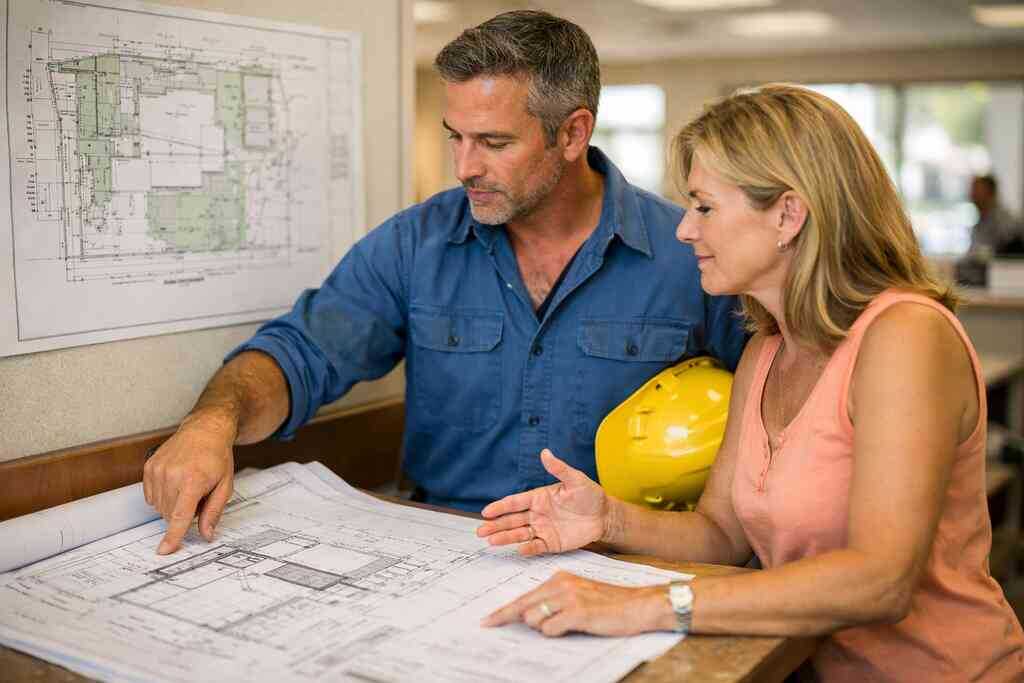
At a minimum, expect a site plan, floor plan, elevations, and structural notes. For many additions, you will also need foundation details, roof framing information, door and window schedules, and product approvals. A permit-ready set should show where the new work connects to the existing house. It should also show the path for electrical, plumbing, and HVAC changes. If any of that is vague, plan review can stall.
On the projects we’ve finished this year, the best submissions were the clearest ones. They labeled existing conditions and proposed work without ambiguity. They also anticipated corrections before the first reviewer asked for them. If your designer works with a general contractor mindset, the drawings tend to hold together better in review. That coordination saves time and protects your budget.
When structural engineering becomes nonnegotiable for second story additions, roof tie-ins, and sunroom builds
Structural engineering is not a luxury for larger additions. It becomes mandatory when loads change. A second story addition South Florida project almost always needs engineering because the existing foundation and framing must carry more weight. Roof tie-ins need engineering too, because old and new structures must work as one system. That applies to some sunroom contractor South Florida builds and lanai builder South Florida projects as well.
One homeowner in Miami-Dade wanted to add a bright rear sunroom with tall sliders and a vaulted ceiling. The first design looked simple. Then the engineer found the existing roof framing could not support the new tie-in without reinforcement. The fix added time, but it avoided a much worse field correction later. That is the value of engineering. It finds the problem before drywall hides it.
How Miami-Dade permit process expectations differ from Palm Beach County permit and Broward County permit workflows
Each county in South Florida has its own rhythm. Miami-Dade can feel stricter on exterior systems, product approvals, and hurricane code compliance. Broward County permit workflows may move differently depending on jurisdiction and scope. Palm Beach County permit reviews can also vary by city and neighborhood requirements. The paperwork may look similar, but the reviewer’s focus can differ.
CountyCommon review focusHomeowner takeawayMiami-DadeHurricane protection, structural detailing, product approvalsExpect tighter scrutiny on exterior and wind-related itemsBrowardZoning, structural completeness, trade coordinationSubmit a complete package to avoid trade back-and-forthPalm BeachSite plan clarity, zoning, construction detailsVerify local rules early and do not rely on assumptionsIf you are comparing the Miami-Dade permit process with nearby counties, remember that local jurisdictions matter as much as county rules. A Miami-Dade permit rules for home additions in 2026 search should make one thing obvious: there is no shortcut around complete documentation. South Florida design build teams often help here because design and construction coordination happens earlier.
The contractor filter South Florida homeowners should use before anyone touches the plans
The biggest mistake we see most often is hiring too fast. Homeowners get excited about square footage and forget about verification. That is risky. In South Florida, the right contractor does more than build. They help protect your permit path, your insurance position, and your ability to resolve problems without chaos.
How to verify a contractor license and confirm contractor insurance requirements Florida actually protects you
Start with the license. Ask for the license number, then verify it yourself. Do not rely on a logo, a website, or a polished sales pitch. If you want a how to verify a contractor license checklist, the first step is checking the state record. Then confirm the scope matches your project.
Insurance matters just as much. Contractor insurance requirements Florida typically involve proof of general liability and, when applicable, workers’ compensation. You do not need to memorize every policy term. You do need current certificates and a name match. If a contractor cannot show those quickly, pause. A licensed contractor Miami-Dade homeowner can trust should treat that request as standard, not annoying.
Why contractor bonding requirements and lien waiver Florida paperwork matter on additions and remodels
Bonding is about financial assurance, and lien waivers protect you from double-payment claims. Those two terms sound dry, but they matter when materials arrive, subcontractors enter the job, and money starts moving. A lien waiver Florida form says someone got paid and is releasing a claim for that portion of work. It is one of the simplest protections you can ask for. Bonding and waivers become especially important in additions because the money flow is larger and the timeline is longer. You may also have multiple phases: demo, framing, roofing, windows, mechanicals, and finishes. Each phase can create separate payment risk. That is why a contractor who understands contractor insurance requirements in Florida is worth your attention. A careful South Florida contractors team will usually explain these documents before the first draw.
When to choose a licensed contractor Miami-Dade versus a South Florida design build team for a tighter approval path
If your project is simple and clearly defined, a standard licensed contractor may be enough. If your addition requires design development, engineering coordination, or fast issue-solving during plan review, a South Florida design build team can reduce friction. The advantage is integration. The designer, estimator, and builder can catch conflicts before they become revisions. That can be especially helpful for South Florida luxury renovation work and oceanfront home contractor projects.
A design build versus general contracting in Florida decision often comes down to complexity. For a basic room bump-out, a general contractor near me South Florida search may be sufficient. For a second story addition, a waterfront home builder South Florida project, or an aging in place contractor South Florida modification with accessibility goals, design build often keeps the approval path tighter. Just remember the rule: never hire anyone without verifying licensing and insurance first.
Why coastal and inland additions follow different rules even when the floor plan looks the same
A floor plan can look identical on paper and still face very different rules. That is the South Florida reality. Coastal wind exposure, flood maps, HOA overlays, and condo restrictions can change the job before framing begins. If you build near water, assume the rules are stricter until proven otherwise.
Hurricane wind load requirements, roof tie-in for additions, and hurricane roof tie-downs explained in plain English
Wind load is the force storm winds place on your house. Roof tie-downs are the hardware and connections that keep the roof anchored. A roof tie-in is how the new roof joins the old roof without creating a weak point. Those three ideas control a lot of permitting decisions for home additions in South Florida.
If you are adding a room under a new roof, the inspector may care as much about the connection details as the floor plan. That is true for a roofing contractor South Florida project, a screen enclosure contractor South Florida build, or an outdoor kitchen with a covered structure. For a practical code overview, many homeowners also look for Florida Building Code compliance for home additions guidance before design starts. That is smart. It helps you ask better questions.
Flood zone construction rules and what they mean for waterfront home builder South Florida projects and oceanfront home contractor work
Flood zone rules affect elevation, materials, and sometimes the usable design of the addition. If your property is near the coast, canals, or low-lying water, your plan may need to account for flood-resistant construction. That can influence foundations, mechanical placement, and finished floor height. Waterfront home builder South Florida teams deal with this constantly, and so do oceanfront home contractor projects.
Here is what almost no online guide mentions. A flood zone can shape your addition before the pretty parts ever matter. You may need South Florida concrete contractor input for slab and foundation choices. You may also need South Florida foundation repair expertise if the existing structure has settlement concerns. In flood-sensitive areas, a permit is not just about adding space. It is about proving the whole house still performs safely.
How South Florida HOA permit rules, condo renovation South Florida approvals, and townhome remodeling South Florida restrictions can slow the schedule
HOAs and condo boards add another layer. They may require architectural approval before the city even sees the plans. They may also regulate work hours, parking, debris removal, exterior materials, and visible changes. For condo renovation South Florida work, the association documents can be as important as the permit set. The same is true for townhome remodeling South Florida projects, where shared walls and common elements create extra review points.
If you are dealing with an HOA, use Miami Dade HOA approval for home additions in 2026 as a planning mindset, not an afterthought. A condo may also require condo renovation approvals in South Florida before any demolition. That is why condo and townhome projects often move slower than stand-alone houses. The board process is real. Build that time into your expectations.
The smartest next move after you understand the permit path
Once you understand the permit path, the next decision is not about finishes. It is about fit. You need the right builder for the type of addition you want, the complexity of the site, and the pace of your approvals. That choice can save you from rework, delays, and expensive change orders later.
How to decide whether your project needs a general contractor near me South Florida search or a specialist like a sunroom contractor South Florida or lanai builder South Florida
Start by matching the scope to the specialist. A basic bedroom extension may fit a general contractor near me South Florida search. A climate-sensitive enclosure may call for a sunroom contractor South Florida or lanai builder South Florida. An outdoor living zone with drainage, gas, and hardscape may need an outdoor kitchen contractor South Florida with structural coordination. The more systems involved, the more specialized the team should be.
Use the search, but do not stop there. A what to know before hiring a coastal home builder in Florida approach is useful even inland, because wind and moisture still matter here. If you are planning a paver installation South Florida project alongside your addition, ask how the hardscape connects to grading and drainage. If the addition is part of a larger home remodeling contractor South Florida plan, coordination matters even more.
What to ask before hiring for South Florida home additions, garage conversion permit work, or outdoor kitchen contractor South Florida plans
Ask practical questions. Who prepares the permit drawings? Who handles revisions? Who talks to the reviewer if corrections come back? What trades are included, and what is excluded? Those questions reveal whether the contractor is organized or merely enthusiastic. For South Florida home additions, organization matters as much as craftsmanship.
Before signing, ask for:
- License and insurance proof
- A written scope
- A permit responsibility breakdown
- Product approval assumptions for windows and doors
- A schedule for inspections, not just construction
- A clear explanation of allowances and exclusions
If the job involves garage conversion permit work or South Florida bathroom remodeler elements, ask how plumbing and electrical will be documented. For a how South Florida contractors verify license and insurance standard, the answer should come quickly and clearly. If it does not, keep looking.
How to avoid change order contractor Florida problems and contractor dispute resolution headaches before the first inspection
A change order contractor Florida issue usually starts with a vague scope. If the plans do not define the work, the price will drift. If the contractor does not document revisions, the project will feel slippery. That is how disputes grow. The best prevention is a written scope, a clear allowance structure, and signed approvals before work changes.
A change order is simply a written modification to the contract. It should explain what changed, why it changed, and how much it costs. A lien waiver should follow payments. Inspections should be tracked in writing. If your contractor expects a smooth addition without paperwork, that is a warning sign. A contractor dispute resolution mindset starts before the first inspection, not after the first problem.
The practical next step is simple. Gather your survey, photos, and rough scope, then call three licensed South Florida contractors with active Florida licenses and insurance. Ask each one how they handle permits, revisions, and inspections in Miami-Dade, Broward, or Palm Beach County. You do not have to figure this out alone, and you do not have to figure it all out today. Start with one call, then compare the answers before the plans move any farther.
Frequently Asked Questions
Question: In the Guide to Miami Dade Permit Rules for Home Additions 2026, when does a room addition become an exterior structural permit issue instead of a simple remodel?
Answer: A project usually crosses that line when it changes structure, rooflines, footings, setbacks, lot coverage, or the exterior envelope. If you are adding square footage, tying into the existing roof, removing load-bearing walls, or changing the building footprint, you are no longer in cosmetic-remodel territory. In South Florida, that means the Miami-Dade permit process will likely require permit-ready construction documents, structural engineering for additions, and hurricane code compliance. A licensed contractor Miami-Dade homeowners can trust should help identify those triggers early, and South Florida Contractors can help you find a contractor South Florida homeowners can verify for the job. Always confirm contractor licensing Florida, contractor insurance requirements Florida, and the exact scope before work begins.
Question: What documents are usually needed for South Florida home additions before building department permit application submittal?
Answer: Most permit reviews expect a complete set of permit-ready construction documents, including a site plan, floor plan, elevations, structural notes, and any required product approvals. Depending on the scope, you may also need foundation details, roof framing information, and trade coordination for electrical, plumbing, and HVAC. For South Florida home additions, clarity matters because incomplete drawings often lead to corrections and delays. If your project involves a second story addition South Florida homeowners should expect structural engineering for additions as well. South Florida Contractors can help you connect with a home remodeling contractor South Florida families can rely on, but you should always verify licensing and insurance before hiring anyone.
Question: How do zoning approval for additions, setback and lot coverage rules, and HOA approval for home addition affect a Miami-Dade permit?
Answer: Zoning comes first in many cases, because the lot itself determines where and how much you can build. Setbacks, easements, and lot coverage rules can stop a project before the city even reviews finishes or interior layout. If you live in an HOA, condo, or townhome community, you may need HOA approval for home addition work, condo renovation South Florida approval, or townhome remodeling South Florida review before permit submission. That is why a survey and a clean site plan are so important. South Florida Contractors understands how local rules can differ across Miami-Dade, Broward County permit workflows, and Palm Beach County permit processes, and can help you find a contractor South Florida residents can compare by license, experience, and scope. For coastal or waterfront home builder South Florida projects, hurricane wind load requirements and flood zone construction rules may also affect the final design.
Question: Should I choose a general contractor near me South Florida search result or a South Florida design build team for a sunroom contractor South Florida or lanai builder South Florida project?
Answer: It depends on the complexity of the addition. A straightforward room bump-out may fit a general contractor near me South Florida search, but a sunroom contractor South Florida build, lanai builder South Florida project, or outdoor kitchen contractor South Florida plan often benefits from South Florida design build coordination. Design build can reduce friction because the designer, estimator, and builder work together earlier, which helps catch permit and constructability issues before they become expensive revisions. That can be especially useful for hurricane impact window installer South Florida scope, hurricane shutter contractor decisions, roof tie-in for additions, or roofing contractor South Florida work. No matter which path you choose, verify contractor licensing Florida, ask about contractor bonding requirements, and confirm contractor insurance requirements Florida before signing anything.
Question: What should I ask before hiring for Miami-Dade permit work on a garage conversion permit, South Florida kitchen remodeler project, or South Florida bathroom remodeler addition?
Answer: Ask who prepares the plans, who handles revisions, who responds to correction comments, and how inspections will be coordinated. You should also ask for a written scope, product approval assumptions, a schedule for inspections, and a clear explanation of allowances and exclusions. For garage conversion permit projects, plumbing and electrical details need to be clearly documented. For additions that affect kitchens or baths, a South Florida kitchen remodeler or South Florida bathroom remodeler should explain how the existing systems will be tied into the new work. If your project includes structural or exterior changes, hurricane code compliance and South Florida building codes must be addressed from the start. South Florida Contractors is a practical place to find a contractor South Florida homeowners can evaluate side by side, but always verify the contractor license and insurance before moving forward.
Question: How can South Florida Contractors help me avoid change order contractor Florida problems during South Florida home additions?
Answer: The best way to reduce change orders is to start with a complete scope, a clear permit plan, and a contractor who documents every revision. Change order contractor Florida issues usually start when drawings are vague or expectations are not written down. A good contractor should explain what is included, what is excluded, and how changes will be priced before work starts. That matters even more for complex South Florida home additions involving South Florida concrete contractor work, South Florida foundation repair, paver installation South Florida tie-ins, or pool deck contractor South Florida coordination. South Florida Contractors helps homeowners compare licensed contractor Palm Beach County, licensed contractor Broward County, and licensed contractor Miami-Dade options in one place, but every contractor should still be verified for license, insurance, and scope. Clear paperwork and contractor dispute resolution habits protect your budget and timeline.