
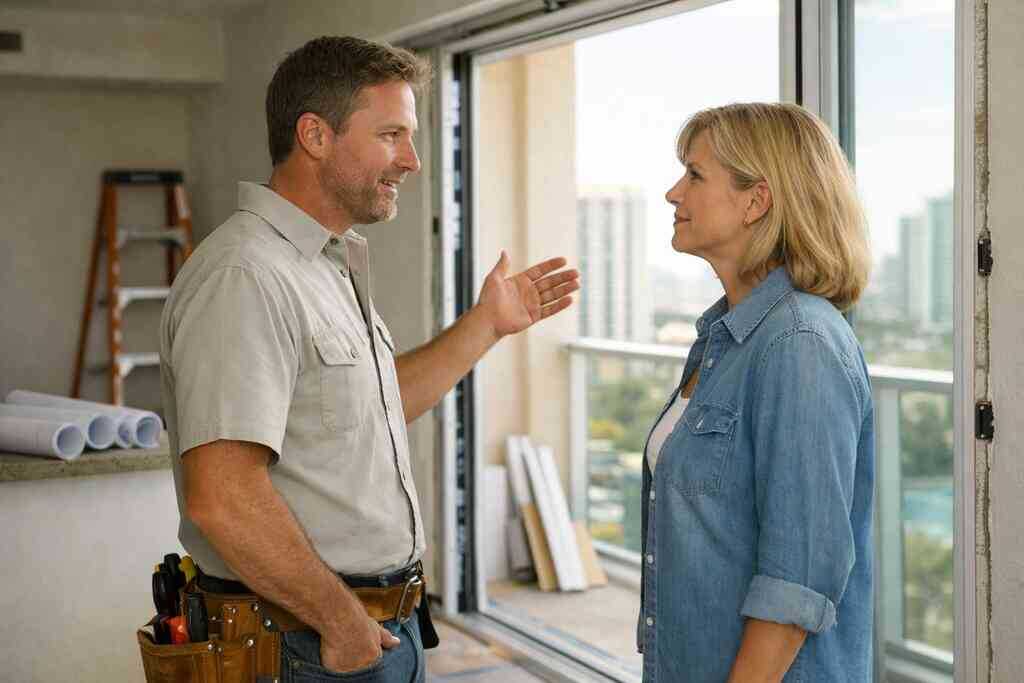
A homeowner called us during a downpour, staring at an HOA approval letter and a stalled permit application. That panic is common. Your board may approve the project, yet the city or county still says no. If you feel stuck, you are not overreacting. South Florida permits, HOA rules, and hurricane-code requirements rarely line up neatly. The trick is knowing which layer controls which part of the work.
When an HOA says yes but the permit office says not so fast
Why architectural approval and building permits are not the same thing in South Florida
HOA architectural approval and a building permit solve different problems. The board cares about appearance, sound, materials, and community standards. The permit office cares about life safety, structural rules, and Florida Building Code compliance. That is why a project can look fine on paper and still stop at the counter. In South Florida, especially near the coast, hurricane code compliance adds another layer of scrutiny.
Here is the part most homeowners miss: an HOA approval is not permission to build. A permit is not HOA approval either. You need both for many remodels, especially if you are working on condo renovation South Florida or townhome remodeling South Florida. We see this confusion all the time in Palm Beach, Broward, and Miami-Dade. It creates delays that feel unfair, but they are usually preventable.
One client in a Broward condo wanted new impact sliders and a lighter kitchen layout. The board approved the finishes quickly. The permit review still stalled because the submitted plans did not match the structural notes. The fix was simple, but the delay was not. That is why experienced South Florida contractors front-load paperwork before demo ever starts.
The hidden clash between HOA rules, condo documents, and county permit requirements
HOA documents often regulate things the county does not. Counties regulate things the HOA never mentions. That overlap causes most frustration. For example, an association may approve a screened patio enclosure, yet the county still wants engineered drawings, setback verification, and wind-load data. A board may approve a bathroom remodel, yet the plumbing relocation still triggers permit review.
If you are trying to find a contractor South Florida, ask how they handle both tracks. A licensed contractor in Palm Beach County, Broward County, or Miami-Dade should understand association submittals and local permit offices. That matters in communities with strict document packets and recurring plan revisions. It also matters when your building manager wants revisions before the county does.
In Miami-Dade, condo associations often scrutinize noise, debris control, and work hours more aggressively than the permit office. In Broward, townhome associations may focus on exterior impact and drainage. In Palm Beach County, board review can be especially detailed for finishes visible from common areas. If your project affects the shell of the structure, assume both layers will care.
Which projects in Palm Beach, Broward, and Miami-Dade get held up most often by board review
The projects that get held up most often are the ones that change what people see or what the structure must carry. That includes impact openings, roofing, screens, additions, and anything tied to drainage. It also includes work that changes noise, access, or shared utility routes. The board may not say no outright. Instead, it asks for more documents, more revisions, and more patience.
Common slowdowns include:
- Hurricane impact window installer South Florida jobs
- Hurricane shutter contractor work
- Roofing contractor South Florida projects
- Screen enclosure contractor South Florida plans
- Pool deck contractor South Florida and paver installation South Florida
- Larger South Florida home additions
- South Florida luxury renovation projects in visible, high-standards communities
A Miami-Dade homeowner once asked why a simple lanai upgrade turned into three rounds of review. The answer was drainage, visibility, and hurricane resistance. The county wanted one set of drawings. The HOA wanted another. The final plan was better, but only because the owner paused early instead of guessing through it. That is the right instinct.
The paper trail that keeps a remodel from turning into a shutdown
How to verify a contractor license before you ever sign a proposal
Before you sign anything, verify the license. Do not rely on a logo, a truck wrap, or a polished estimate. A real contractor should have a license that matches the scope of work and the county requirements. If you need to know how to verify a contractor license, start with the state database and confirm the exact business name. Then confirm who will actually pull the permit.
This matters for general contractor near me South Florida searches, because “near me” does not mean qualified. It also matters if you want a home remodeling contractor South Florida, South Florida kitchen remodeler, or South Florida bathroom remodeler. The contractor should be able to explain what work needs a permit, what work needs board approval, and what work needs both. If they cannot, keep looking.
We hear this from clients almost every week. They found someone fast, then discovered the contractor was not licensed for the specific scope. That mistake can derail insurance coverage, permit sign-off, and resale later. The safest move is boring, but boring saves money.
What contractor insurance requirements and bonding requirements should actually look like
Ask for proof of insurance before work starts, not after a problem. The contractor insurance requirements Florida homeowners should care about usually include general liability and workers’ compensation, depending on the business structure and crew arrangement. Bonding can also matter, especially for larger or higher-risk jobs. You do not need to memorize policy language. You do need current documentation that matches the company name on the proposal.
If someone pressures you to skip that step, stop there. That is not a minor detail. It is part of basic risk management on any South Florida design-build or structural project. We see this especially on coastal home builder Florida jobs, where weather exposure raises the stakes. A contractor should also explain whether subcontractors are covered under the same structure or separately insured.
DocumentWhy it mattersWhat you should confirmLiability insuranceHelps protect against damage claimsActive policy and matching business nameWorkers’ compCovers crew injuries in many casesCurrent proof or valid exemptionBondingAdds another layer of financial protectionScope and status, if applicablePermit responsibilityClarifies who pulls permitsNamed party on the contractIf you are comparing bids from a licensed contractor in Palm Beach County and a licensed contractor in Miami-Dade, ask each for the same documents. Equal comparisons make gaps obvious.
Why lien waiver Florida paperwork matters before and after each payment
A lien waiver is a signed document showing who has been paid and who gives up the right to file a mechanic’s lien for that amount. That sounds dry. It is not. It is one of the cleanest ways to protect your property from payment disputes. You should understand lien waiver Florida paperwork before the first deposit and before final payment.
Ask for partial waivers during progress payments. Then ask for a final waiver when the job is complete. This matters on roofing permit South Florida work, condo interiors, and any job using multiple subcontractors. If a contractor or supplier is not properly paid, a later claim can create a mess you do not want. Good paperwork reduces that risk.
Here is a simple habit that helps:
- Match each payment to a clear milestone.
- Get the waiver before the funds leave your account.
- Keep every signed copy.
- Confirm who supplied labor and materials.
- Never release final payment until closeout documents arrive.
How change order contractor Florida disputes start and how to document scope changes early
Most disputes start with a sentence like, “We can just add that.” That is usually how budgets slip and trust breaks. A change order contractor Florida document should describe the added work, the price difference, and the schedule impact. If the scope changes, the paperwork changes too. Otherwise, you are paying for assumptions instead of work.
We have seen this on South Florida flooring installer jobs, kitchen remodels, and bath conversions where hidden conditions appeared after demo. The best response is not panic. It is documentation. Take photos, get the revised price in writing, and confirm whether the change affects permit drawings or HOA submittals. That small step often prevents a later dispute.
One homeowner in a Boca-area condo wanted to move a wall six inches. That “small” change affected electrical routing, cabinet dimensions, and the association’s approved layout. Because the scope was written down early, the team avoided a costly redo. Here is what almost no online guide mentions: the shortest path is usually the one with the cleanest paper trail.
What South Florida building codes really care about when the work touches the outside of the house
Why hurricane code compliance changes the stakes for roofing permit South Florida jobs
Exterior work is where South Florida gets strict fast. Roofs, openings, and structural attachments must withstand wind and water pressure that inland markets may never face. That is why hurricane code compliance for roofing permit jobs in South Florida is not optional. It affects materials, fastening methods, and inspection sequencing. It also affects the way your HOA reviews the package.
If you are replacing a roof, the permit office may ask for attachment details, product approvals, and wind design information. A roofing contractor South Florida should know how to prepare that package. For coastal or high-wind areas, hurricane roof tie-downs can become a major part of the review. If the contractor brushes past those questions, you should pause.
What we have seen in 2026 specifically is more attention on documentation, not less. Inspectors and associations alike want cleaner submittals. That is a good thing, even if it feels slow. A slower path at the front often prevents failure later.
What matters when hiring a hurricane impact window installer South Florida or a hurricane shutter contractor
Impact windows and shutters are not just product swaps. They are code-sensitive openings in the building shell. A hurricane impact window installer South Florida should know the approval paperwork, glass ratings, fastening schedules, and inspection expectations. A hurricane shutter contractor should be equally careful with anchoring, storage, and manufacturer approvals. In condo communities, both the association and the county may want different proof.
If the product does not match the approved opening, the job can stall. If the installer cannot show documentation, the inspection can fail. That is why owners should request submittal sheets before ordering materials. It saves time and avoids expensive rework. It also helps you compare apples to apples, which is hard when every proposal reads differently.
How hurricane roof tie-downs and wind resistance reviews affect coastal home builder Florida projects
Wind resistance is not a buzzword here. It is the difference between a smooth approval and a rejected drawing set. A coastal home builder Florida or waterfront home builder South Florida must think about uplift, connections, and exposure categories from the first sketch. On oceanfront or near-ocean properties, the reviewer may push harder on attachment details than on cosmetic choices. That is normal in South Florida.
A renovation in a high-wind zone often asks more of the structure than the homeowner expects. That is especially true for South Florida custom home builder work, large additions, and major exterior remodels. If the plan touches the roofline, exterior walls, or structural openings, assume the review will be detailed. The best teams treat that as part of the design, not an afterthought.
Why screen enclosure contractor South Florida and lanai builder South Florida work often needs closer scrutiny
Screen enclosures and lanais look simple from the street. They are not simple to the permit office. Screen enclosure contractor South Florida plans often trigger questions about footings, wind loads, attachment points, and setback compliance. A lanai builder South Florida may also need to address drainage and how the structure ties into the slab or deck. Associations care because these additions change the exterior look.
In a Hollywood neighborhood, a screened addition was delayed because the owner assumed the old slab was enough. It was not. The permit reviewer wanted structural confirmation, and the HOA wanted a cleaner elevation drawing. The project eventually moved forward, but only after engineering caught the mismatch. That is why the outside of the house deserves more scrutiny than the average homeowner expects.
Where South Florida concrete contractor and South Florida foundation repair work can trigger structural review
Concrete and foundation work can seem invisible compared with windows or roofs. They are often more serious. A South Florida concrete contractor may need structural review if the work alters load paths, slabs, or retaining conditions. South Florida foundation repair can trigger even closer analysis, especially if cracks, settlement, or moisture issues suggest broader movement. That is true for older homes and many waterfront properties. If the work touches a shared wall, common slab, or structural element, the HOA may want engineering review before the county does. The permit office may want signed and sealed drawings. Do not guess here. Guessing on structural work is how small issues become large ones. The projects that usually need more than a quick HOA form
South Florida kitchen remodeler and South Florida bathroom remodeler jobs that cross into plumbing, electrical, or layout changes
A cosmetic refresh is one thing. A real remodel is another. Once a South Florida kitchen remodeler or South Florida bathroom remodeler moves plumbing, upgrades electrical, or changes layout, permits often enter the picture. In condos, that threshold arrives fast. A new island, relocated sink, or moved shower valve can trigger review. 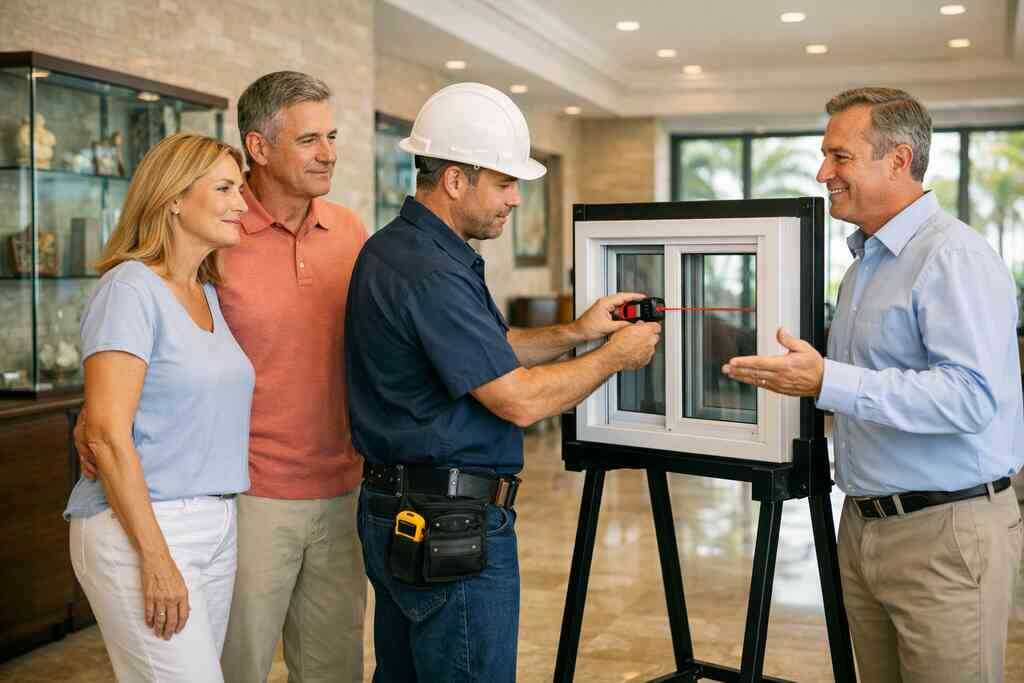
If you are comparing kitchen remodel permits in South Florida condos or bathroom remodel approval in Palm Beach County, ask what is behind the wall. Floors, cabinets, and tile are visible. Pipes, circuits, and venting are not. The permit office cares deeply about those hidden parts. So should you.
Why South Florida flooring installer and South Florida tile contractor projects can still need approval in condos and townhomes
A South Florida flooring installer or South Florida tile contractor may seem like a finish-only decision. In condos and townhomes, that is not always true. Sound-control requirements, underlayment specs, and elevator protection rules often matter. Some associations require approval before the first box of tile enters the building. Others want product data for the impact on noise transfer.
That is why even a simple flooring change can feel bureaucratic. It is also why a smart owner asks for the association packet before ordering materials. If your project is in a stacked building, assume there will be rules about noise, debris, and hours. Those details can save a lot of stress.
When a South Florida cabinet maker or South Florida design build plan becomes a permit issue instead of just a finish upgrade
A South Florida cabinet maker can be part of a finish project, but the line moves when layout changes begin. Built-ins, wall removals, appliance relocations, and service chase changes can all become permit issues. A South Florida design-build team should catch that early. If they do not, you may end up redesigning cabinets around a permit problem instead of the other way around.
This is common in premium kitchens and South Florida luxury renovation jobs. A beautiful plan can still fail if the wall conditions were not verified. Good design-build work respects the permit process from the start. It does not treat it like a late-stage obstacle.
How South Florida home additions, second story addition South Florida, and sunroom contractor South Florida plans get judged differently by each county
Additions are where county differences become obvious. South Florida home additions and second story addition South Florida projects usually require detailed structural review, zoning checks, and HOA approval. A sunroom contractor South Florida may also need to address exposure, foundation support, and enclosure rules. Palm Beach, Broward, and Miami-Dade can all review the same idea differently.
If you want home addition permit rules in Miami-Dade County, assume the package will be more technical than you hoped. Broward and Palm Beach can be equally demanding, just in different ways. The safest path is to ask the contractor how they sequence HOA review, permit filing, and engineering. That sequence matters more than most people realize.
Why outdoor kitchen contractor South Florida work and paver installation South Florida can raise drainage and setback questions
Outdoor projects are not always “light” work. An outdoor kitchen contractor South Florida may need permits for gas, electrical, or structural tie-ins. Paver installation South Florida can create drainage and setback questions, especially if the new surface changes runoff patterns. Associations worry about appearance and water movement. The county worries about code and property lines.
A patio expansion that feels simple can still trigger review if it affects swales, grading, or accessory structures. That is especially true in townhomes and tighter coastal lots. If you are adding hardscape, ask about drainage before choosing the pattern. It is far cheaper to correct the plan than to fix water after the fact.
The decision that saves time before the first inspection is ever scheduled
How to choose between doing the work yourself, hiring a general contractor near me South Florida, or using a licensed contractor in Palm Beach County, Broward County, or Miami-Dade
DIY is tempting. So is the cheapest bid. Neither is always the best answer. For permit-heavy or exterior work, a licensed contractor in Palm Beach County, Broward County, or Miami-Dade usually makes the process smoother. The right contractor knows the permit office, the HOA packet, and the inspection sequence. That is worth a lot.
If you are considering a general contractor near me South Florida, ask one direct question: who will manage permits and board submittals? If the answer is vague, keep shopping. Here is a simple comparison:
OptionBest forMain riskDIYVery small cosmetic workMissed permit or HOA rulesHandyman-only approachTiny repairsScope creep and code gapsLicensed contractorPermitted remodels and structural workHigher upfront cost, lower chaosThe right choice is usually the one that reduces uncertainty before demolition starts.
What a smart owner should ask about the South Florida permit process before closing on condo renovation South Florida or townhome remodeling South Florida
Before you sign on a condo renovation South Florida or townhome remodeling South Florida project, ask these questions:
- What needs HOA approval first?
- What needs permit approval first?
- Who prepares the drawings?
- Who files the permit?
- Who meets the inspector?
- What documents close out the job?
That is the South Florida permit process in practical terms. A smart owner also asks whether the building management has extra rules for debris, elevator use, or work hours. If your building is in Miami-Dade, those details can be strict. The same is true in parts of Broward and Palm Beach. A little friction upfront beats a shutdown later.
When aging in place contractor South Florida and South Florida ADA renovation plans need extra board and permit coordination
Accessibility work deserves care. An aging in place contractor South Florida or South Florida ADA renovation plan often touches door widths, bathroom clearances, ramps, and hardware heights. Those changes may seem minor, but they can affect structure, egress, and common-area access. In a condo, the board may want a different review than the county does.
If you are updating a home for mobility, bring both the designer and the contractor into the conversation early. That keeps the plan realistic. It also helps avoid last-minute revisions that slow everything down. Good accessibility work is thoughtful, not rushed.
How sustainable home builder Florida and energy efficient remodeler South Florida goals fit with Florida Building Code compliance
Energy goals and code compliance should support each other. A sustainable home builder Florida or energy efficient remodeler South Florida can often improve insulation, glazing, HVAC performance, and shading without fighting the code. The trick is to make sure the products are approved and the details are documented. Efficiency is best when it is engineered, not improvised.
That matters in coastal conditions, where moisture and heat stress can punish weak assemblies. If you want lower energy use and better comfort, ask how the plan affects permit review. A good team will explain it plainly. That is the kind of clarity homeowners deserve.
The next best move when you want a South Florida luxury renovation, oceanfront home contractor, or waterfront home builder South Florida without getting trapped in revisions
High-end work brings higher scrutiny. A South Florida luxury renovation, oceanfront home contractor, or waterfront home builder South Florida project can involve multiple reviewers, special product approvals, and stricter hurricane-code expectations. The more visible or exposed the property, the more likely small omissions become big delays. That is not a reason to avoid the project. It is a reason to plan better.
If you are ready to start, pick three qualified firms and compare their permit approach, not just their price. Ask for proof of license, insurance, and recent HOA experience. Then ask them how they handle revisions when a board asks for changes. You do not have to figure this out alone, and you do not have to figure it all out today. Start with one call to a vetted South Florida Contractors listing and make sure the paperwork is ready before the first hammer swings.
Frequently Asked Questions
Question: What Are the Best 2026 South Florida Permit Rules for HOAs when I am planning condo renovation South Florida or townhome remodeling South Florida?
Answer: The best rule is to treat HOA architectural approval South Florida and the permit process as two separate approvals that both need to happen. In South Florida, especially across Palm Beach County, Broward County, and Miami-Dade, an HOA can approve the look of your project while the city or county still requires permit review for Florida Building Code compliance and hurricane code compliance. That is why South Florida Contractors always recommends checking both tracks early before demo starts. If your project involves plumbing, electrical, structural changes, impact openings, roofing permit South Florida work, or any exterior renovation permit requirements, you should assume both the board and the permit office will review it. We help homeowners understand what documents usually go to the association first, what needs a Palm Beach County permit, Broward County permit, or Miami-Dade permit, and how to avoid the common delay of submitting incomplete plans. If you are searching to find a contractor South Florida, the smartest first step is to verify that the contractor is licensed, insured, and familiar with South Florida HOA permit rules before you sign anything.
Question: How do I verify a contractor license and make sure I am hiring a licensed contractor Palm Beach County, licensed contractor Broward County, or licensed contractor Miami-Dade?
Answer: Start with how to verify a contractor license through the state database, then confirm the exact business name, license type, and scope of work. A polished estimate or truck logo is not enough. For projects in South Florida, the contractor should be able to explain contractor licensing Florida requirements, what permits they will pull, and whether they are qualified for your specific scope, such as South Florida kitchen remodeler, South Florida bathroom remodeler, hurricane impact window installer South Florida, hurricane shutter contractor, or roofing contractor South Florida work. You should also ask for current proof of contractor insurance requirements Florida and, when applicable, contractor bonding requirements. South Florida Contractors encourages homeowners to compare multiple bids and ask the same verification questions of every company, whether you are looking for a general contractor near me South Florida or a South Florida design-build team. This helps you avoid costly mistakes, protects your project timeline, and reduces the risk of permit problems, insurance gaps, and unfinished work.
Question: Why do exterior projects like roofing, windows, screen enclosures, and lanai builder South Florida work need so much review under South Florida building codes?
Answer: Exterior and structural projects get more review because they directly affect safety, wind resistance, drainage, and the building envelope. In South Florida, hurricane code compliance is a major part of the approval process, especially for roofing contractor South Florida jobs, hurricane impact window installer South Florida projects, hurricane shutter contractor work, and anything involving hurricane roof tie-downs. Screen enclosure contractor South Florida plans, lanai builder South Florida additions, pool deck contractor South Florida jobs, and paver installation South Florida work can also trigger questions about setbacks, drainage, footings, and wind loads. That is true in coastal home builder Florida projects as well as oceanfront home contractor and waterfront home builder South Florida work, where exposure to wind and water is even more important. South Florida Contractors helps homeowners plan ahead so the permit package matches what the HOA wants and what the inspector expects. That means fewer revisions, fewer surprises, and a cleaner path through the South Florida permit process.
Question: What paperwork should I expect for lien waiver Florida, change order contractor Florida requests, and contractor dispute resolution during a remodel?
Answer: A good paper trail matters as much as good workmanship. For any South Florida home project, you should expect progress payments to line up with milestones, and each payment should be paired with a lien waiver Florida document. That protects you from payment disputes and helps confirm who has been paid for labor and materials. If the scope changes, a change order contractor Florida document should explain the added work, the price difference, and any schedule impact before the change is approved. This is especially important on South Florida flooring installer jobs, South Florida cabinet maker projects, South Florida tile contractor work, kitchen and bath remodels, and South Florida luxury renovation projects where hidden conditions often appear after demo. South Florida Contractors advises homeowners to keep every signed document, ask for partial and final waivers, and never release final payment until closeout paperwork is complete. Good records reduce the need for contractor dispute resolution and help keep the job moving even if the HOA or permit office asks for revisions.
Question: Can South Florida Contractors help with South Florida home additions, second story addition South Florida plans, or South Florida ADA renovation and aging in place contractor South Florida projects?
Answer: Yes, and these are exactly the kinds of projects where early planning matters most. South Florida home additions, second story addition South Florida work, sunroom contractor South Florida projects, and other structural additions often require careful coordination between HOA approval, engineering, and the permit office. The same is true for South Florida ADA renovation and aging in place contractor South Florida work, where door widths, bathroom layouts, ramps, clearances, and hardware can affect both code review and association approval. If you are also looking at energy upgrades, a sustainable home builder Florida or energy efficient remodeler South Florida approach can often be integrated without fighting South Florida building codes, but the products and details still need to be documented properly. South Florida Contractors helps homeowners in Palm Beach, Broward, and Miami-Dade understand the South Florida permit process before work begins, so the project stays realistic, compliant, and better organized from start to finish. If you are ready to find a contractor South Florida, start by checking license, insurance, and HOA experience before choosing anyone.