

You verify contractor insurance in Florida by checking the contractor’s current certificate of insurance, confirming coverage directly with the insurance carrier, and matching the policy details to the company that will actually do the work. You should also verify licensing, bond status when relevant, and workers’ compensation before any contract is signed.
If you are staring at an estimate at 11 p.m. and wondering what happens if something goes wrong, that anxiety is justified. This part is genuinely confusing for most homeowners, and it is easy to be handed a polished document that looks fine but does not actually protect you.
Key Takeaways
- A certificate of insurance is only a snapshot; you still need insurance carrier verification to confirm the policy is active and belongs to the right contractor.
- For proof of insurance for contractors, check general liability, workers’ compensation, policy effective dates, the named insured, and additional insured language if required.
- In South Florida, insurance verification matters even more for exterior work because hurricane code compliance and permit reviews raise the stakes on roofs, openings, and structural changes.
- Never rely on screenshots or verbal promises. Call the insurer or use a verifiable online carrier tool when available.
- Pair insurance checks with how to verify a contractor license in Florida before you let anyone start work.
The insurance gap that can turn a South Florida project into a financial mess
A contractor can hand you a certificate of insurance and still leave you exposed. Real protection comes from verifying the active policy, the named insured, the coverage type, and the dates. In South Florida, that matters on everything from a simple home remodeling contractor South Florida job to a roofing contractor South Florida project after a storm.
Why a certificate of insurance is not the same thing as real contractor coverage
A certificate of insurance is just evidence that a policy existed on the date it was issued. It does not prove the policy is still active today, and it does not guarantee the coverage applies to your project. Here is the part most homeowners miss: a certificate can look legitimate even when the policy has expired, been canceled, or been issued under a different business name.
You want the actual policy facts behind the paper. That means checking general liability insurance for contractors, workers’ compensation, and whether the contractor is the named insured on the certificate. If the company says it is covered through a parent company, a DBA, or a subcontractor, slow down and confirm the chain in writing.
On a kitchen renovation in Broward, a homeowner once showed us a certificate that looked perfect at first glance. The problem was simple. The company listed on the certificate was not the entity signing the contract, which meant the coverage was not clearly tied to the worksite. That is the kind of gap that creates expensive arguments later.
The first red flags in a policy that should make you pause before signing anything
The biggest warning signs are often small. Expired policy dates, mismatched company names, missing workers’ compensation, and vague descriptions of operations all deserve a pause. If the contractor brushes off your questions, that is a red flag.
Use this quick checklist before you sign:
- The named insured matches the business on the contract.
- The policy effective dates cover your expected start date.
- The certificate lists the right trade or scope of work.
- Workers’ compensation is shown if the contractor has employees.
- The insurer name and carrier contact information are visible.
- Any requested additional insured coverage is actually stated, not just promised.
- The certificate is recent, not something reused from another project.
If you are hiring a licensed contractor Palm Beach County, licensed contractor Broward County, or licensed contractor Miami-Dade, ask for this paperwork before deposits change hands. A good general contractor near me South Florida should expect the question and answer it clearly.
The paper trail that proves a contractor is actually covered in Florida
The cleanest way to verify contractor insurance in Florida is to get the certificate, then confirm it with the carrier or agent directly. Do not rely on screenshots, forwarded PDFs, or a verbal “we’re covered.” Match the policy number, named insured, effective dates, and coverage type against an independent source whenever possible.
How to verify contractor insurance in Florida without relying on screenshots or promises
Start by asking for a certificate of insurance review that includes the carrier’s name, policy number, and expiration date. Then contact the insurance carrier listed on the certificate and confirm the policy is active, unmodified, and issued to the exact company name on your contract. If the carrier cannot confirm it, treat that as a problem. A simple process works best: 1. Ask for a current certificate of insurance.
- Confirm the business name matches the contract.
- Verify the carrier using the phone number or web address from the insurer, not from the contractor’s email alone.
- Ask whether the policy is active and whether any cancellations or lapses exist.
- Confirm the work you are hiring them for is within the covered operations.

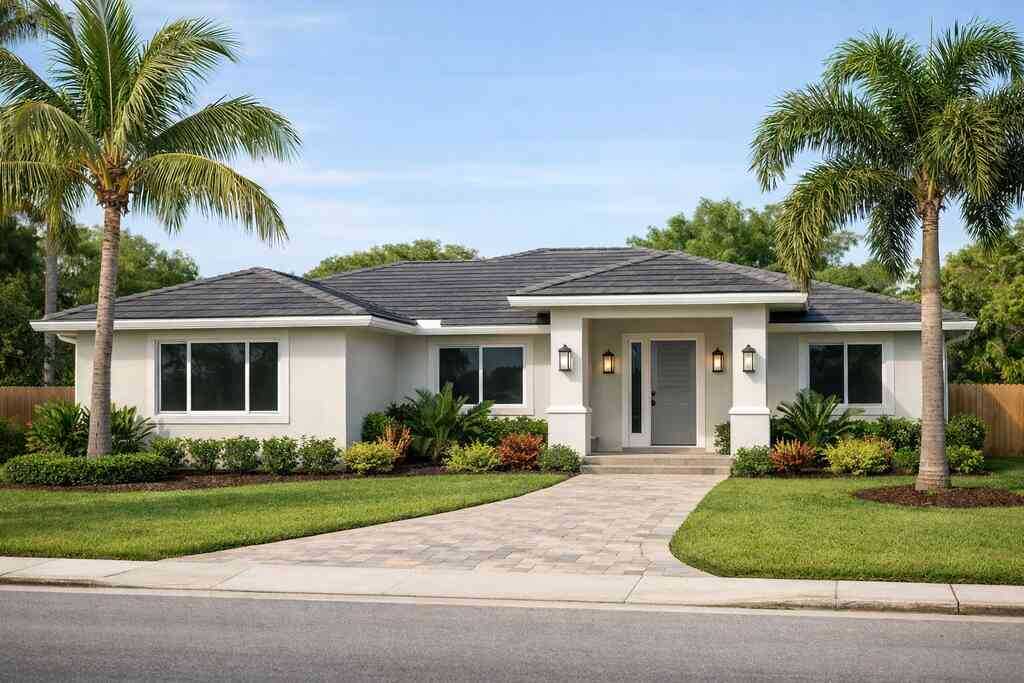
For higher-risk jobs like coastal home builder Florida, South Florida custom home builder, or oceanfront home contractor, this step is not optional. Exterior and structural work can trigger bigger claims if a worker is injured or property is damaged.
If you want a step-by-step reference, use How To Verify Contractor Insurance In Florida Before Hire as a practical starting point. It pairs well with a broader license and insurance guide when you want to check both compliance items at once.
What to check on general liability insurance for contractors workers compensation insurance Florida and policy effective dates
General liability insurance is the policy that usually responds to property damage or bodily injury claims tied to the contractor’s work. Workers’ compensation covers employee injuries on the job. You need both to be current, and you need the dates to overlap with your project timeline.
Item to checkWhat it should showWhy it mattersGeneral liabilityActive policy with correct business nameProtects against damage claimsWorkers’ compensation insurance FloridaCoverage for employees, if applicableReduces your exposure if a worker is hurtPolicy effective datesDates that include your project startPrevents a coverage gapCarrier name and contactIndependent insurer informationLets you verify beyond the contractor’s wordOperations descriptionScope that fits the jobHelps confirm the policy covers the workIf the contractor uses subcontractors, ask for subcontractor insurance verification too. Roofing, stucco, paver installation South Florida, screen enclosure contractor South Florida, and pool deck contractor South Florida jobs often involve multiple trades on one site. One uninsured subcontractor can create a mess even when the primary contractor looks organized.
For homeowners who want to understand the broader standards, What Are Contractor Insurance Requirements Florida gives useful context, and How To Check Contractor Insurance Requirements helps you compare what you were shown against what you actually need.
When the job site meets hurricane code and permit reality
Insurance verification matters even more once the work touches structure, the building envelope, or wind resistance. In South Florida, permits and hurricane-code requirements are not side issues. They are part of the risk check. If a contractor is not properly insured and licensed, a permit delay in Palm Beach, Broward, or Miami-Dade can quickly become a dispute.
How insurance verification connects to the South Florida permit process in Palm Beach, Broward, and Miami-Dade
The permit process in South Florida is tightly linked to who is legally allowed to pull permits and who is responsible if something goes wrong. A contractor with active insurance and proper licensing is far more likely to move through the Palm Beach County permit, Broward County permit, or Miami-Dade permit process without preventable setbacks. That is true for a South Florida kitchen remodeler, South Florida bathroom remodeler, and especially a South Florida concrete contractor or South Florida foundation repair specialist.
Here is the practical connection: permit offices want accountability, and insurers want a clear scope. If your contractor’s documents are messy, the permit package often becomes messy too. That can slow projects involving South Florida home additions, second story addition South Florida work, condo renovation South Florida, and townhome remodeling South Florida, where HOA approvals and building-management rules add another layer.
A client near Lake Worth once needed a lanai builder South Florida scope with impact openings and a new outdoor kitchen contractor South Florida setup. The contractor’s insurance was current, but the business name on the certificate did not match the permit application. The fix was simple, but it cost days. Small paperwork mismatches become big headaches fast.
Before exterior or structural work starts, confirm these points:
- The contractor is licensed for the trade and county.
- Insurance is active and matches the contracting entity.
- The permit applicant matches the licensed firm.
- HOA or condo rules are reviewed before demolition.
- Hurricane code compliance is addressed for openings, roofs, and structural connections.
For storm-prone exterior work, this is especially important with hurricane impact window installer South Florida jobs, hurricane shutter contractor projects, roofing contractor South Florida replacements, and hurricane roof tie-downs. These scopes are tied to wind-load performance and local code enforcement, so you want a contractor who understands both the paperwork and the field work.
If you are comparing options, a quick search through How To Find A Licensed Contractor can help you identify legitimate candidates before you call. You can also scan South Florida Contractor Guides for related permit and project advice.
South Florida homeowners do not need to become insurance auditors. You just need a repeatable checklist, a little skepticism, and a contractor who answers direct questions without dodging them. If you want a practical place to start comparing local options by city, ZIP, and trade, South Florida Contractors is built for that search. The next step is simple: pick three local contractors, confirm their current insurance and license status, then call the directory at 18443112703 if you want help narrowing the field.
Frequently Asked Questions
Question: How do you verify contractor insurance in Florida before hiring a licensed contractor Palm Beach County, Broward County, or Miami-Dade?
Answer: The safest process is to request a current certificate of insurance, then confirm the policy directly with the insurance carrier. A real certificate of insurance review should include the contractor’s exact business name, policy effective dates check, carrier name, and coverage type. You should also confirm workers’ compensation insurance Florida if the company has employees, and ask whether the project scope is covered under general liability insurance for contractors. This matters for South Florida contractors working on roofs, remodels, additions, and exterior upgrades because hurricane code compliance and permit requirements can raise the stakes quickly. South Florida Contractors helps homeowners compare local options and find a contractor South Florida homeowners can evaluate with more confidence, but you should still verify licensing, insurance carrier verification, and any subcontractor insurance verification before signing anything.
Question: Why is a certificate of insurance not enough when checking proof of insurance for contractors in South Florida?
Answer: A certificate of insurance is only a snapshot, not final proof that the contractor is covered today. It can be expired, issued under the wrong business entity, or missing the work you actually need done. That is why contractor insurance verification should include a live check with the carrier, not just a screenshot or forwarded PDF. For jobs like roofing contractor South Florida work, hurricane impact window installer South Florida projects, or South Florida kitchen remodeler services, the policy needs to match the real scope and the company signing your contract. If you are hiring a general contractor near me South Florida, ask about additional insured coverage, policy limits confirmation, and whether the named insured matches the permit applicant. South Florida Contractors encourages homeowners to verify every detail before work begins, especially when the project could affect hurricane code compliance or the South Florida permit process.
Question: What should I check besides insurance when I am trying to find a contractor South Florida homeowners can trust?
Answer: Insurance is only one piece of the screening process. You should also confirm contractor licensing Florida status, verify the contractor license, and review whether the business is properly registered for the trade and county. For example, a licensed contractor Broward County may have different permit responsibilities than a licensed contractor Miami-Dade depending on the project type and municipality rules. If your job involves a South Florida bathroom remodeler, South Florida flooring installer, pool deck contractor South Florida, or South Florida concrete contractor, ask how they handle the South Florida permit process and whether they understand local building codes and HOA or condo rules. You should also ask about contractor bonding requirements, lien waiver Florida practices, and whether any subcontractors will be used. South Florida Contractors is built to help homeowners compare qualified local companies, but the final decision should always be based on current license status, active insurance, and a clear written contract.
Question: How does insurance verification connect to the South Florida permit process for exterior or structural work?
Answer: In South Florida, insurance and permitting go hand in hand because permit offices want accountability and current credentials. If a contractor is handling a roof contractor insurance Florida project, hurricane shutter contractor installation, screen enclosure contractor South Florida work, or a second story addition South Florida build, the contractor must be properly licensed and insured before the permit package can move cleanly. The same is true for projects involving hurricane roof tie-downs, South Florida foundation repair, oceanfront home contractor scope, or waterfront home builder South Florida jobs where weather exposure and structural risk are higher. When insurance documents do not match the business name on the permit application, delays and disputes can happen fast. South Florida Contractors advises homeowners to verify the contractor’s coverage first, then confirm the permit applicant, and never skip inspections or permit requirements. That approach protects your project and helps keep hurricane code compliance front and center.
Question: Can South Florida Contractors help me compare contractors for a South Florida luxury renovation, custom home build, or home remodel?
Answer: Yes. South Florida Contractors is designed to help homeowners compare South Florida contractors by location, trade, and service area so you can narrow down qualified options before you start calling. Whether you need a South Florida custom home builder, South Florida luxury renovation specialist, South Florida home remodeling contractor, outdoor kitchen contractor South Florida, lanai builder South Florida, or energy efficient remodeler South Florida, the directory helps you start with local companies that fit your project area. You can use it to look for a contractor near your city, then confirm licensing, insurance, and project fit before moving ahead. That is especially important for larger projects like South Florida home additions, condo renovation South Florida, townhome remodeling South Florida, or coastal home builder Florida work, where permits, HOA rules, and hurricane-code requirements can complicate things. South Florida Contractors is a practical starting point, but the homeowner still needs to verify insurance, request a proper certificate of insurance review, and compare bids carefully before signing.