
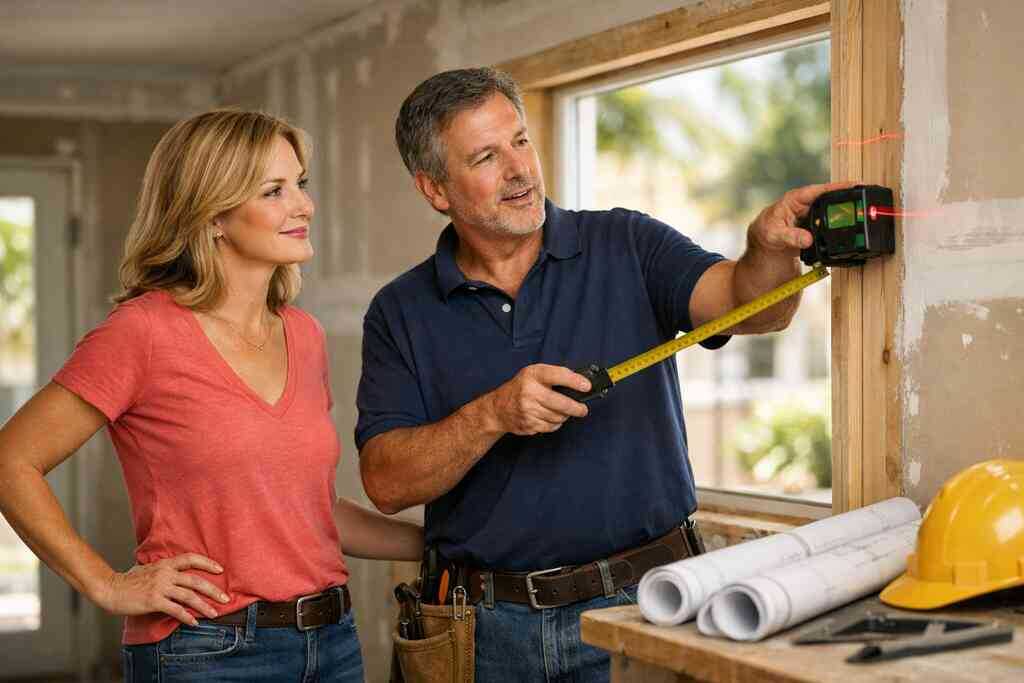
Why the cheapest Broward County bid can become the most expensive mistake
A low bid feels comforting until the work starts. Then the missing permit, the bargain materials, or the “we’ll figure it out later” attitude appears. If you are reading this because a quote felt too good, take a breath. That uneasy feeling is usually useful. In South Florida, especially Broward County, cheap often means incomplete, and incomplete projects become expensive fast.
What a realistic contractor bid should reveal before any work starts
A serious bid should read like a roadmap, not a guess. It should show scope, materials, labor, exclusions, allowances, and permitting responsibilities. If you are comparing a licensed contractor in Broward County, the numbers should make sense line by line. You want enough detail to compare apples to apples, not vague promises. A home remodeling contractor South Florida homeowners can trust will explain the work before asking for a deposit.
Here is the part most homeowners miss. The best bid usually tells you what is not included. That matters for demolition, dumpster fees, finish selections, inspections, and utility shutoffs. On a kitchen job, for example, the quote should distinguish cabinet installation from cabinet fabrication. A South Florida kitchen remodeler who skips those distinctions is inviting confusion later.
One client in the Fort Lauderdale area accepted a low bathroom quote because it looked clean and fast. Midway through, the contractor treated tile setting, waterproofing, and fixture relocation as “extras.” The final bill climbed far beyond the original estimate. That is not bad luck. That is a weak scope.
When a low price is hiding permit shortcuts, weak materials, or uninsured labor
The cheapest price can hide three dangerous shortcuts. First, the contractor may be skipping permits. Second, they may be using lower-grade materials. Third, they may be leaning on uninsured labor. None of those choices saves you money in the long run. They transfer risk straight to you.
A general contractor near me South Florida homeowners search for should explain why a price is lower. Maybe the project is simpler. Maybe the finishes are basic. But if the explanation sounds slippery, trust your caution. A licensed contractor Palm Beach County or licensed contractor Miami-Dade should still be able to explain a Broward County scope clearly. Price alone never proves competence.
Watch for these warning signs:
- No written scope of work
- No clear allowance amounts
- Large upfront cash demands
- Vague material descriptions
- Pressure to skip permits
- Refusal to discuss subcontractors
- No mention of cleanup or disposal
Those signs matter even more for exterior work. A hurricane impact window installer South Florida residents hire should never hand-wave structural prep. A hurricane shutter contractor should not suggest “simple install” if opening protection or anchoring changes are involved. Coastal weather punishes shortcuts. The ocean air does not forgive them.
Why South Florida weather and hurricane code compliance change the real cost of a project
South Florida construction is not like inland construction. Wind, salt air, moisture, and storm exposure all change the math. A roofing contractor South Florida homeowners trust must think about uplift, fasteners, flashing, and code compliance together. The same is true for a coastal home builder Florida families hire near the water. The project may look ordinary on paper, yet the weather load is anything but ordinary.
That is why hurricane code compliance changes pricing. Better windows cost more because the rating matters. Better roof tie-downs cost more because the connection matters. Better waterproofing costs more because repairs after a storm cost even more. What we have seen in 2026 specifically is that smart owners are asking those questions earlier. That is the right instinct.
If you are weighing a South Florida luxury renovation, remember that the cheapest quote can fail in silence. A cracked tile roof, a leaking lanai, or a weak connection at the framing level creates costs later. A South Florida contractors search should lead you to firms that can explain those risks plainly. That is how you protect the house before the first hammer swing.
The paper trail that tells you whether a contractor is actually qualified
Paperwork is not bureaucracy for its own sake. It is the evidence trail that separates a real pro from a smooth talker. If the contractor hesitates when you ask for documents, pay attention. If they resent the question, pay even closer attention. Most homeowners find this step uncomfortable, and that is completely normal. It is still necessary.
How to verify a contractor license in Florida before you sign anything
Before you sign, verify the license number and business name. Then confirm the status matches the work type you need. A roofer is not automatically qualified for structural alterations. A bathroom specialist is not automatically the right choice for a second story addition South Florida homes may require. The license should fit the project.
If you want a simple process, start with how to verify a contractor license in Florida. Check that the name on the card matches the company name on the contract. Ask whether the license is active and whether there are any discipline flags. If the contractor is acting as a general contractor, they should still be able to explain who is pulling permits and supervising subcontractors. You are not being difficult. You are being careful.
A homeowner in the Hollywood area once called after a “licensed” bidder could not produce matching documents. The business card had one name, the invoice had another, and the permit application would have used a third. That is a bad sign before any work begins. Never let a mismatch become your problem.
What contractor insurance requirements Florida homeowners should expect to see
Ask for current insurance certificates before work starts. You should expect proof of general liability and workers’ compensation, if applicable. The exact coverage details vary, so do not let anyone sell you a vague assurance. Ask to see documents, not adjectives. That is how homeowners stay protected.
For a clear reference point, review contractor insurance requirements in Florida. The key is not to memorize policy jargon. The key is to confirm the contractor is carrying what their scope requires. A South Florida bathroom remodeler working around plumbing and tile has different risk than a pool deck contractor South Florida homeowners hire for exterior concrete. Insurance should match the risk. If it does not, something is off.
This matters even more for coastal work. An oceanfront home contractor or waterfront home builder South Florida property owners hire should understand higher exposure to weather, access issues, and material handling. If a ladder slips, a pipe bursts, or a subcontractor gets hurt, you want the insurance path clear. That is not being cautious. That is being practical.
Why bonding, workers comp, and lien waiver Florida paperwork matter on real projects
Bonding can help show financial seriousness, but it is not magic protection. Workers’ compensation protects against injury-related claims in many job setups. Lien waivers protect you from paying twice if a subcontractor or supplier later claims they were not paid. These terms sound dry until money is on the line. Then they become very real.
If you want the clearest explanation, use South Florida Contractors Guide to Lien Waivers in Florida. A lien waiver is simply a written statement that payment was received for certain work or materials. You should know exactly what it covers before you sign. Ask for one with each payment milestone. That habit helps on additions, remodels, and roofing jobs alike.
Ask for these documents on larger projects:
- Active license verification
- Insurance certificate
- Written contract
- Payment schedule
- Lien waiver at each draw
- Change order policy
- Subcontractor list, if available
Those documents do not guarantee a perfect project. They do make dispute resolution much easier if something goes sideways. That is especially true in Broward County, where multiple trades may overlap on one site. You want a paper trail before you need one.
The permit and code checkpoints that separate legitimate work from future headaches
Permit questions make many homeowners tense. That is understandable. The process can feel slow, technical, and county-specific. Still, skipping permits creates much bigger delays later. If you want fewer surprises, treat permits as part of the project, not an obstacle to it.
What the Broward County permit process usually means for remodels and exterior work
The Broward County permit process usually starts with scope review. Interior cosmetic work may be simpler. Structural changes, electrical, plumbing, roofing, and exterior openings usually trigger more review. That is especially true for a Broward County permit tied to a remodel or enclosure. The more a project affects safety or structure, the more scrutiny it gets. That is normal.
If you want a plain-language overview, read Top 7 Permits for Broward County Remodeling in 2026. Also review the broader South Florida construction permit guide. Those guides help you see why the contractor’s permitting plan matters before demolition starts. A contractor who ignores permit sequencing can create weeks of avoidable delay.
On the projects we’ve finished this year, the biggest frustration has not been the permit itself. It has been the lack of planning around it. One Coral Springs homeowner scheduled cabinet delivery before approval, then had to store everything in a garage for weeks. That kind of timing mistake is avoidable. Good contractors plan around permits early.
When South Florida building codes and hurricane code compliance affect windows, roofs, and structural changes
South Florida building codes are not abstract rules. They shape how your home resists wind, water, and impact. Hurricane code compliance matters when you replace windows, repair a roof, alter framing, or change the building envelope. If you are near the coast, the standards become even more important. That is why the Florida Building Code 2026 for coastal homes should be part of your planning, not an afterthought. 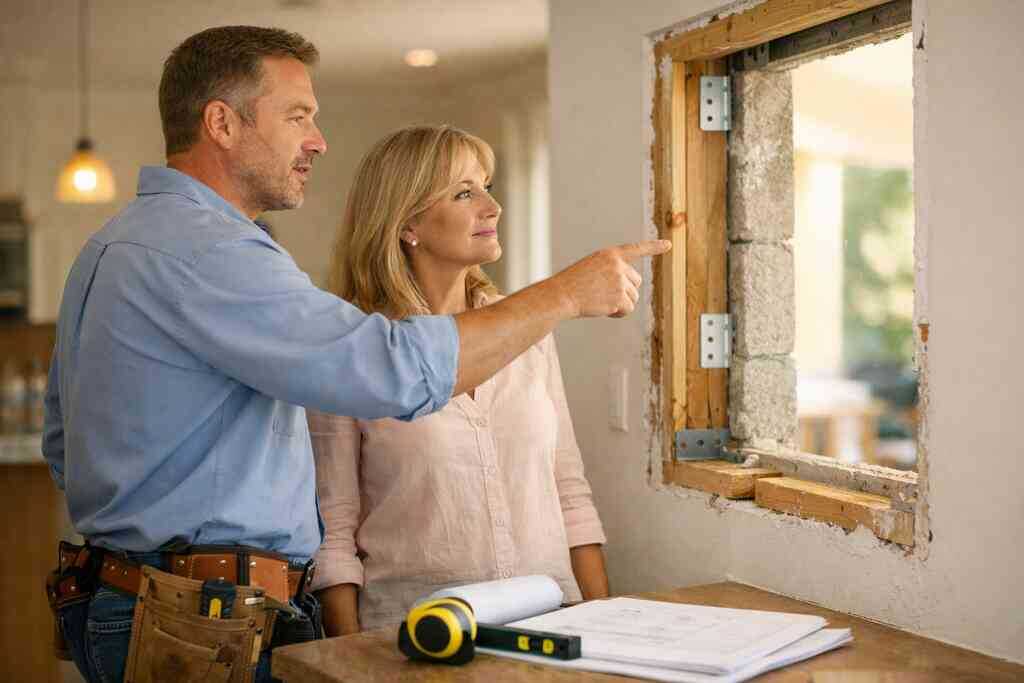
Here is what almost no online guide mentions. A window replacement and a structural opening are not the same conversation. A new opening may affect lintels, headers, load paths, and inspections. A roofing job may require more than shingles if the underlayment or fastening pattern is outdated. A contractor who shrugs at those issues is not protecting you.
For exterior openings, a hurricane impact window installer in South Florida should explain ratings, product approvals, and anchoring details. A hurricane shutter contractor in Miami-Dade should explain attachment methods and operational clearance. If they cannot explain the basics clearly, keep looking. Confusing answers today become costly repairs later.
Why HOA approvals, condo renovation South Florida rules, and townhome remodeling South Florida can slow a job down
If you live in an HOA community, condo, or townhome, you have two rulebooks. You have the county or city permit process, and you have association approval. Sometimes those two systems move at different speeds. That does not mean the project is doomed. It means you need patience and a contractor who plans ahead.
A South Florida HOA permit can affect paint colors, exterior visibility, noise hours, and material choices. Condo renovation South Florida rules often add elevator reservations, insurance certificates, and board review. Townhome remodeling South Florida projects can involve shared walls, party-wall concerns, and parking limits for crews. That is a lot to coordinate. A seasoned contractor will ask those questions early.
I once saw a lanai builder South Florida owner hired get delayed because the association wanted revised drawings for screen profile changes. The owner was frustrated, but the delay was predictable. If your contractor has experience with condo boards or gated communities, they should warn you early. That is not pessimism. That is competence.
What to inspect when the project touches your home’s bones and weather defense
This is where you slow down and look closely. Roofs, windows, concrete, foundations, and exterior hardscape all affect the safety of the house. They also affect resale value and insurance conversations. You do not need to be an engineer. You do need to ask sharper questions. That is how you avoid costly surprises.
Roofing contractor South Florida red flags for shingle, tile, and hurricane roof tie-downs
A roofing estimate should never stop at the surface materials. Ask about deck condition, flashing, ventilation, underlayment, fasteners, and hurricane roof tie-downs. Those details matter in South Florida because wind pressure can expose weak spots quickly. A roofing contractor South Florida homeowners trust will not act annoyed by those questions. They will expect them.
If you want a practical checklist, use the Top 5 Roofing Contractor South Florida Checklist for Fall. Look for refusal to discuss inspections, vague warranty language, or pressure to “just replace the shingles.” Tile roofs can hide broken underlayment. Shingle roofs can hide brittle decking. That is why the inspection phase matters.
Red flags to watch for:
- No attic discussion
- No fastening explanation
- No written ventilation plan
- No mention of flashing
- No permit clarity
- No cleanup plan
A roofing bid that ignores these issues is not a bargain. It is a delay with a bill attached. On storm-prone homes, the hidden work is often the real work.
How to judge a hurricane impact window installer South Florida or hurricane shutter contractor without getting oversold
Windows and shutters are both protection systems. They are not decorative upgrades. A true hurricane impact window installer South Florida homeowners can rely on should explain product approvals, frame anchoring, and how the system ties into the wall opening. A hurricane shutter contractor should explain deployment speed, storage, maintenance, and corrosion resistance. If the sales pitch is all lifestyle and no specification, be wary.
The local source we recommend for deeper vetting is How to Compare Contractor Estimates. You want a quote that identifies impact glass type, installation method, and trim work. You also want to know who handles stucco repair after the openings are changed. Oversold window jobs often leave unfinished walls. That is a frustrating and avoidable mess.
A homeowner in Aventura once compared two window proposals. One looked cheaper until it excluded finish work and permit support. The other was more complete and ultimately easier to live with. The lesson was simple. Low numbers can hide unfinished edges, literally and financially.
What to ask a South Florida concrete contractor, South Florida foundation repair specialist, or paver installation South Florida crew
Concrete and foundation work can be deceptively technical. Ask what caused the problem, not just how they plan to cover it. A South Florida concrete contractor should talk about base prep, reinforcement, drainage, and curing. A South Florida foundation repair specialist should explain diagnosis before repair. A paver installation South Florida crew should discuss compaction, edging, and water flow. Those details separate durable work from cosmetic work.
You should also ask how they handle adjacent systems. Will the new slab affect drainage toward the garage? Will the pavers sit high enough to create trip hazards? Will repaired settlement affect fence lines or screen enclosure posts? Those questions sound small. They are not small at all.
For projects involving patios or outdoor living, think through the whole envelope. A pool deck contractor South Florida homeowners hire should coordinate with surface slope and slip resistance. A screen enclosure contractor South Florida families use should account for footings and anchoring. If your plan includes an outdoor kitchen contractor South Florida residents often pair with hardscape work, the structural base must be right first. Pretty finishes cannot fix weak prep.
The final decision that turns a contractor search into a project with fewer surprises
At this point, you are not just collecting quotes. You are comparing risk. The best contractor is not always the cheapest or the fastest. It is the one who reduces uncertainty before it turns into cost. That is especially true in South Florida luxury renovation work, where finish expectations, permit pressure, and weather exposure collide.
How change orders, allowances, and scope gaps create budget drift in South Florida luxury renovation work
A change order is a written adjustment to scope or price after the contract starts. An allowance is a placeholder amount for something not fully selected yet. A scope gap is the work nobody clearly owned in the original proposal. Those three items can quietly move your budget. That is why every detail matters before demo begins.
If you are comparing a South Florida kitchen remodeler bid comparison, look for appliance allowances, cabinet grade, countertop square footage, and backsplash assumptions. If you are hiring a South Florida bathroom remodeler, ask about waterproofing layers, niche details, fixture allowances, and tile waste. The right questions save frustration later. They also make contractor dispute resolution far less likely.
Budget drift usually comes from:
- Unclear finish allowances
- Hidden demo conditions
- Owner-requested upgrades
- Permit-driven revisions
- Material substitutions
- Unwritten design changes
A change order is not automatically bad. Sometimes it is the cleanest way to document a real site discovery. The problem is surprise. The fix is clarity.
When a South Florida design build approach makes sense for home remodeling contractor South Florida projects
A South Florida design build arrangement can help when the project is complex. It works well when design, estimating, and construction need to stay closely aligned. That is common for South Florida home additions, second story addition South Florida projects, and custom residential work. It is also useful when the owner wants fewer handoffs. Fewer handoffs usually mean fewer misunderstandings.
For a South Florida design build project, the designer and builder should communicate early about structural limits, code needs, and budget pressure. That matters for a sunroom contractor South Florida homeowners hire, a lanai builder South Florida families need, or an outdoor kitchen contractor South Florida residents want integrated with utility lines. If you are planning a South Florida custom home builder project, design build can keep vision and feasibility in the same room. That is a major advantage in a permit-heavy region.
This approach also helps with specialized work. A South Florida ADA renovation or aging in place contractor South Florida residents hire may need to coordinate clearances, slopes, and doorway changes from the beginning. A sustainable home builder Florida or energy efficient remodeler South Florida should think about insulation, glazing, and system efficiency early too. Design build is not always necessary. But when it fits, it can save time and correction costs.
What your next step should be if you are ready to find a contractor South Florida and want the safest path forward
Start with three names, not ten. Then verify each license, insurance status, and permit experience before you speak about price. If you are trying to find a contractor South Florida homeowners can trust, use a directory that helps you compare verified professionals instead of random search results. That saves time and lowers risk. It also gives you a cleaner decision.
If you want a structured place to begin, use the South Florida contractors directory for vetting pros. Then call and ask direct questions about Broward County permit support, HOA coordination, and hurricane code compliance. Ask how they handle lien waivers, change orders, and finish selections. Those conversations tell you far more than polished photos ever will.
You do not have to figure this out alone, and you do not have to solve everything today. Start with one call, one license check, and one written estimate. Then compare the details carefully, because the right contractor makes the whole project feel calmer from day one.
Frequently Asked Questions
Question: What should I check first when hiring a licensed contractor Broward County homeowners can trust?
Answer: Start with the basics: verify the contractor’s license, insurance, and permit experience before discussing price. A real pro should be able to explain the scope of work clearly, provide a written estimate, and show how they handle the Broward County permit process. If the job involves structural, roofing, window, or exterior changes, ask how they address hurricane code compliance and South Florida building codes. South Florida Contractors is built to help you find a contractor South Florida homeowners can evaluate with more confidence by comparing verified professionals, not just the cheapest bid.
Question: How does What to Check Before Hiring a Broward County Contractor help me compare South Florida contractors?
Answer: That guide is designed to help homeowners compare more than just price. It explains how to spot weak scopes, permit shortcuts, unclear allowances, and missing insurance details before work starts. When you are reviewing a home remodeling contractor South Florida bid, a South Florida kitchen remodeler estimate, or a South Florida bathroom remodeler proposal, the goal is to compare apples to apples. South Florida Contractors helps you do that by giving you a place to review contractor details, contact companies directly, and request quotes after you have asked the right questions. That way, you are not choosing based on guesswork.
Question: What documents should a general contractor near me South Florida provide before I sign a contract?
Answer: At minimum, you should expect a written scope of work, a payment schedule, current proof of insurance, license verification, and a clear explanation of permits and lien waiver Florida paperwork. For larger projects, ask about contractor bonding requirements, subcontractors, and how change order contractor Florida requests are handled. If you are working with a licensed contractor Palm Beach County, licensed contractor Broward County, or licensed contractor Miami-Dade, the paperwork should still match the project type. South Florida Contractors encourages homeowners to verify these details early because clear documentation is one of the best ways to avoid contractor dispute resolution later.
Question: Why do permits and hurricane code compliance matter so much for exterior work in South Florida?
Answer: In South Florida, exterior work is not just about appearance. Roofing, windows, shutters, structural openings, and additions all affect how a home stands up to wind, water, and storm exposure. That is why the South Florida permit process matters so much, whether you are planning a roofing contractor South Florida project, hiring a hurricane impact window installer South Florida, or evaluating a hurricane shutter contractor. A contractor who understands hurricane roof tie-downs, Florida Building Code 2026 requirements, and local review steps is helping protect the home long term. South Florida Contractors supports homeowners who want that level of caution, because skipping permits or ignoring code can create bigger costs later.
Question: Can South Florida Contractors help with bigger projects like South Florida home additions, condo renovation South Florida, or South Florida design build work?
Answer: Yes, and those are exactly the kinds of projects where careful vetting matters most. A South Florida custom home builder, second story addition South Florida contractor, sunroom contractor South Florida, or lanai builder South Florida needs to coordinate design, permits, HOA rules, and inspections from the start. Condo renovation South Florida and townhome remodeling South Florida projects also require attention to association approvals, insurance, and shared-wall concerns. South Florida Contractors helps you compare experienced professionals who understand South Florida HOA permit issues, the Broward County permit process, and broader South Florida building codes. That makes it easier to choose a team that is prepared for real-world complications, not just a polished sales pitch.
Question: How do I know if a quote for a South Florida luxury renovation, pool deck contractor South Florida work, or outdoor kitchen contractor South Florida project is realistic?
Answer: A realistic quote should be detailed, transparent, and specific about what is included and excluded. For example, a South Florida luxury renovation proposal should identify allowances, finishes, demolition, cleanup, and permit responsibilities. A pool deck contractor South Florida estimate should explain base prep, drainage, and material choices, while an outdoor kitchen contractor South Florida bid should clarify utility connections and structural prep. The same goes for South Florida concrete contractor, South Florida foundation repair, South Florida flooring installer, South Florida tile contractor, and South Florida cabinet maker work: the details matter. South Florida Contractors is a practical place to start because it helps you find vetted professionals, compare bids, and ask better questions before you commit. That is the safest path when weather, codes, and budgets all affect the outcome.