
You can verify contractor insurance in Florida by asking for a current certificate of insurance, checking that the policy names the correct business, and confirming that the coverage is active with the insurer. If the contractor cannot provide that quickly and clearly, do not let the work begin.
Key Takeaways
- A polished estimate does not prove protection. You need active proof of general liability insurance, workers’ compensation coverage, and a policy expiration check before hiring.
- Insurance and licensing are different. A contractor can be licensed and still leave you exposed if the policy has lapsed, excludes your project type, or does not cover subcontractors.
- South Florida projects need extra scrutiny. Roofing, impact windows, shutters, and structural work often involve hurricane-code compliance, county permits, and higher risk if something goes wrong.
- Always verify before any deposit or start date. Ask for documents, compare names and dates, and confirm the carrier directly if anything looks incomplete.
- Use a local directory to narrow the field. A regional source like South Florida Contractors can help you find local options faster, but you should still verify every credential yourself.
Why the cheapest contractor can become the most expensive mistake
The cheapest bid can become the most expensive mistake when the contractor is uninsured or underinsured. If a ladder damages a neighbor’s property, a worker gets hurt, or a storm-related repair fails, you may end up fighting over costs, permits, and responsibility. That is especially stressful when you are already trying to keep a project moving in South Florida.
The warning signs that insurance is missing even when the estimate looks polished
A professional-looking quote can still hide weak protection. Watch for vague business names, reluctance to share a certificate of insurance, and pressure to “just trust us” before you see paperwork. Another red flag is a price that is far below market, because some contractors underbid by skipping overhead like insurance, payroll coverage, and proper permitting.
Here is the part most homeowners miss: the estimate may be clean, but the legal structure behind it may not be. We have seen homeowners searching for a licensed contractor Palm Beach County or a licensed contractor Broward County assume the license alone solves the risk. It does not. You still need proof the contractor can absorb a claim if something breaks, leaks, or goes sideways.
How uninsured work turns into property damage disputes, permit problems, and lien headaches
Uninsured work can trigger three problems at once. First, property damage disputes get messy because there is no policy to pay for repairs. Second, permit problems get worse if the job was supposed to meet the South Florida permit process and the contractor cut corners instead. Third, lien headaches can appear if subcontractors or suppliers are not paid.
One homeowner in the Lake Worth area hired a low bid for a garage conversion and later discovered the work had started without the right permit paperwork. The fix was not simple. They had to pause the job, bring in another contractor, and sort out documentation before the city would even review the correction set. That kind of delay is exactly why you should never skip verification.
Risk if uninsuredWhat it can cost youWhy it mattersProperty damageRepair bills and delaysNo insurer to pay claimsWorker injuryPotential homeowner disputesCoverage may be missingPermit failureRework and inspectionsThe job may need reopeningUnpaid subsLien claimsYou may get dragged into a payment conflictThe paper trail that proves a contractor is actually protected
The paper trail is what separates a real insurance program from a vague promise. In Florida, you want current documentation that matches the business name you are hiring, shows the right coverage type, and has not expired. If you are hiring a licensed contractor Miami-Dade, make the paperwork review part of the first conversation.
How to verify contractor insurance in Florida with a certificate of insurance and policy expiration check
Start with the certificate of insurance, often called a COI. It should show the contractor’s legal business name, the insurer, policy numbers, coverage limits, and expiration dates. Do not accept a screenshot alone if anything looks off. Then confirm the expiration date is still active and the named insured matches the company on the contract.
If you want a straightforward workflow, use this checklist:
- Ask for the COI before paying a deposit.
- Compare the business name on the COI and the proposal.
- Check the policy expiration date.
- Confirm the certificate lists the type of work you are hiring for.
- Call the insurer or agent if the document looks altered or incomplete.
A useful reference point is What Is the Best Way to Verify Contractor Insurance, which reinforces the idea that license and insurance should be checked together, not one after the other. You want both.
What proof of general liability insurance, workers compensation, and additional insured status should look like
General liability insurance protects against many property damage and injury claims. Workers’ compensation helps cover employee injuries on the job. Additional insured status means you, or your HOA or condo association if required, may be added to the policy for certain claims tied to the project. That detail matters more than many homeowners realize. 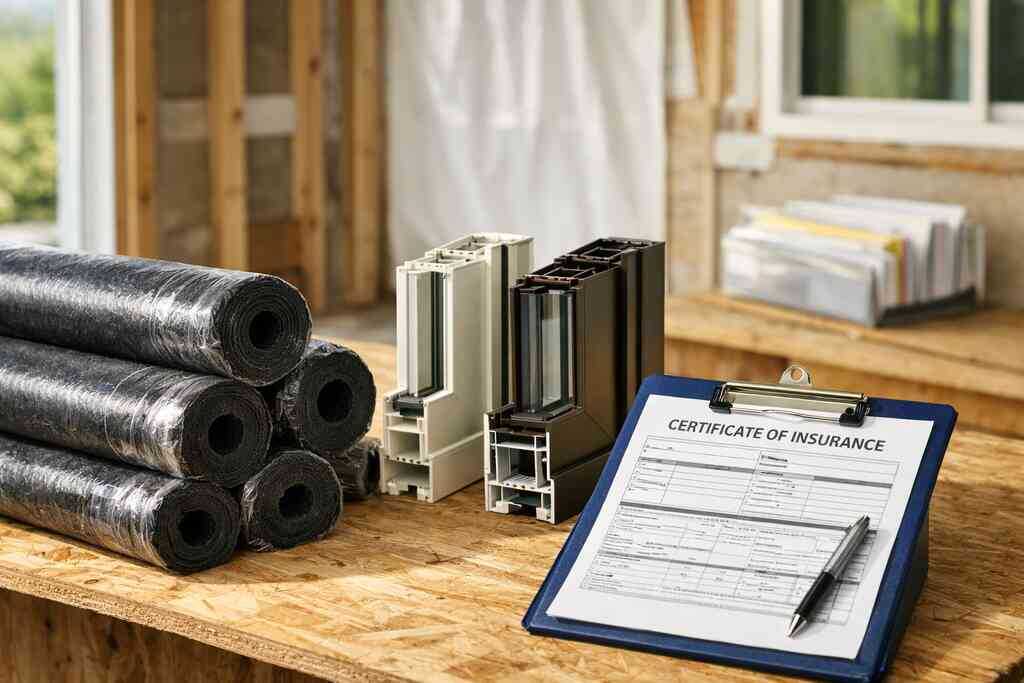
Document or statusWhat you should seeWhy it mattersGeneral liability COIActive policy, business name, datesCovers many property-damage claimsWorkers’ compensation proofActive coverage or exemption, if allowedProtects against employee injury exposureAdditional insured endorsementYour name or entity listed when requiredHelps align with contract or HOA rulesPolicy expiration checkFuture expiration datePrevents a lapse mid-projectIf you are comparing bids for a home remodeling contractor South Florida or a South Florida kitchen remodeler, ask the same questions every time. A polished salesperson should be able to answer them without hesitation. Good contractors expect this. The ones who resist are telling you something.
When South Florida projects demand even tighter verification
South Florida projects deserve tighter verification because weather, code, and exposure all raise the stakes. Roofing, impact windows, and shutters are not simple cosmetic upgrades; they can affect hurricane resistance, water intrusion, and permit approval. If you are hiring for exterior work in Palm Beach, Broward, or Miami-Dade, verify everything twice.
Why roofing contractor South Florida, hurricane impact window installer South Florida, and hurricane shutter contractor work deserve extra scrutiny
Exterior projects face more risk because they affect the building envelope. A roofing contractor South Florida homeowners trust should be able to show insurance that fits roofing exposure, not just a generic policy. The same is true for a hurricane impact window installer South Florida residents hire, and for a hurricane shutter contractor working on storm protection.
Ask for proof before the first measurement, not after demolition starts. Roofing and impact products often interact with hurricane code compliance, fastening requirements, and inspection sign-offs. If a contractor has never walked you through those steps clearly, that is a warning sign.
A common mistake is assuming a contractor who handles a lot of exterior work is automatically covered for every specialty task. Not always. Subcontractor insurance, product installation details, and manufacturer requirements can change the risk picture fast. That is why you should also ask whether subs are covered and verified individually.
For specialty work like screen enclosures, use the same standard you would use for a roof or window replacement. Our How to Hire a Screen Enclosure Contractor in South Florida guide exists because the details matter, especially when wind load, permits, and drainage are part of the job.
How HOA rules, condo renovation South Florida, and county permits in Palm Beach, Broward, and Miami-Dade change the risk picture
HOA rules and condo boards can add another layer of risk. A condo renovation South Florida project may require association approvals, additional insured wording, or strict noise and elevator rules before work starts. Townhome and waterfront properties can add even more conditions. If the contractor does not understand that paperwork, the project can stall before the first hammer swing.
County permitting also changes the risk picture. A Palm Beach County permit, Broward County permit, or Miami-Dade permit may trigger different submission requirements, inspection schedules, and code expectations. For structural or exterior projects, that often means the contractor must show stronger documentation and better coordination. You do not want to discover this after demolition.
Here is a simple rule: if the work affects structure, weather protection, or common areas, require tighter verification. That includes roofing contractor South Florida work, coastal home builder Florida projects, South Florida home additions, and even higher-end jobs like South Florida luxury renovation or oceanfront home contractor work. The more exposed the project, the more exact the paperwork must be.
The next move before anyone starts swinging a hammer
The safest move is to verify the license, insurance, and permit readiness before you sign anything. Then keep copies of the COI, contract, change order terms, and lien waiver Florida paperwork in one place so you can track the job cleanly. If the contractor cannot explain those documents in plain English, keep looking.
For homeowners who want a faster way to compare vetted local options, South Florida Contractors is a practical place to start because it helps you find a contractor South Florida by city, ZIP code, and trade before you make the first call. If you are trying to find a contractor South Florida for a kitchen, roof, addition, or specialty exterior project, start with the directory, then verify every credential yourself.
You do not have to solve it all today. Pick three local contractors, ask for current insurance documents, and compare the paperwork before you schedule a site visit. If you want a starting point, call 18443112703 and search the directory from there.
Frequently Asked Questions
Question: How do I verify contractor insurance in Florida before hiring a South Florida contractor?
Answer: Start by asking for a current certificate of insurance and compare it against the contract, the business name, and the type of work being performed. Then check the policy expiration date and confirm the coverage is active with the insurer or agent if anything looks inconsistent. A legitimate South Florida contractor should be able to provide proof of general liability insurance and, when applicable, proof of workers’ compensation insurance without hesitation. If you are hiring for exterior or structural work in South Florida, make sure the paperwork also fits hurricane code compliance, permit requirements, and the project scope. South Florida Contractors helps homeowners find a contractor South Florida by city, ZIP code, and trade, but you should always verify licensing and insurance yourself before paying a deposit or starting work.
Question: What should I look for on a certificate of insurance when hiring a licensed contractor Palm Beach County, Broward County, or Miami-Dade?
Answer: A proper certificate of insurance should show the contractor’s legal business name, the insurer, the policy number, the coverage type, and the expiration date. The name on the certificate should match the proposal or contract exactly, because mismatched names can signal a different company or a lapsed policy. For contractor insurance verification, also confirm that the policy is active and that the coverage type fits the job, whether you need a home remodeling contractor South Florida, South Florida kitchen remodeler, roofing contractor South Florida, or hurricane impact window installer South Florida. If the project involves common areas, HOA rules, or condo renovation South Florida requirements, ask whether additional insured verification is needed. South Florida Contractors is a practical place to start your search, but the final responsibility is always to confirm the documents before work begins.
Question: Why is insurance verification especially important for roofing contractor South Florida and hurricane shutter contractor work?
Answer: Roofing and storm protection projects carry higher risk because they affect the building envelope, water intrusion protection, and hurricane resistance. That means a roofing contractor South Florida homeowners hire should have insurance that clearly fits the exposure of the job, not just a generic policy. The same is true for a hurricane shutter contractor or hurricane impact window installer South Florida residents rely on. These projects also tie directly into the South Florida permit process, local inspections, and hurricane code compliance, so any insurance gap can create costly delays or disputes if something goes wrong. For coastal home builder Florida projects, South Florida home additions, or oceanfront home contractor work, the stakes are even higher because weather exposure and structural requirements are more demanding. South Florida Contractors encourages homeowners to compare multiple local options and verify every credential before signing anything.
Question: How can I avoid uninsured contractor risks on a South Florida home additions or condo renovation South Florida project?
Answer: The best way to avoid uninsured contractor risks is to verify three things before any deposit: licensing, insurance, and permit readiness. Ask for a current certificate of insurance, confirm the expiration date, and check that the policy matches the exact business you are hiring. For condo renovation South Florida and townhome remodeling South Florida projects, also ask about South Florida HOA permit rules, association approvals, and whether the contractor can provide additional insured verification if required. Never skip permits, because the South Florida permit process, Palm Beach County permit, Broward County permit, and Miami-Dade permit rules can all affect timing, inspections, and compliance. If a contractor is reluctant to explain workers’ compensation, subcontractor insurance, or lien waiver Florida paperwork, treat that as a red flag. South Florida Contractors helps you narrow the field to local options, but you should still verify every detail yourself.
Question: Can South Florida Contractors help me find a general contractor near me South Florida and what should I ask before I hire?
Answer: Yes, South Florida Contractors is designed to help you find a contractor South Florida by ZIP code, city, and trade, making it easier to compare local options for projects like South Florida bathroom remodeler work, pool deck contractor South Florida jobs, paver installation South Florida, screen enclosure contractor South Florida projects, or South Florida flooring installer services. Before you hire, ask for licensing proof, contractor insurance requirements Florida documentation, and a current policy expiration check. If the job involves structure, exterior walls, roofing, windows, or drainage, ask about hurricane code compliance and how the contractor handles permits and inspections. For larger or more specialized work such as South Florida custom home builder, waterfront home builder South Florida, South Florida luxury renovation, or South Florida design build projects, you should also ask how subcontractor insurance is verified and whether lien waiver Florida documents will be provided as the job progresses. South Florida Contractors is a helpful starting point, but the safest hiring decision comes from verifying the paperwork yourself before the first site visit or payment.