
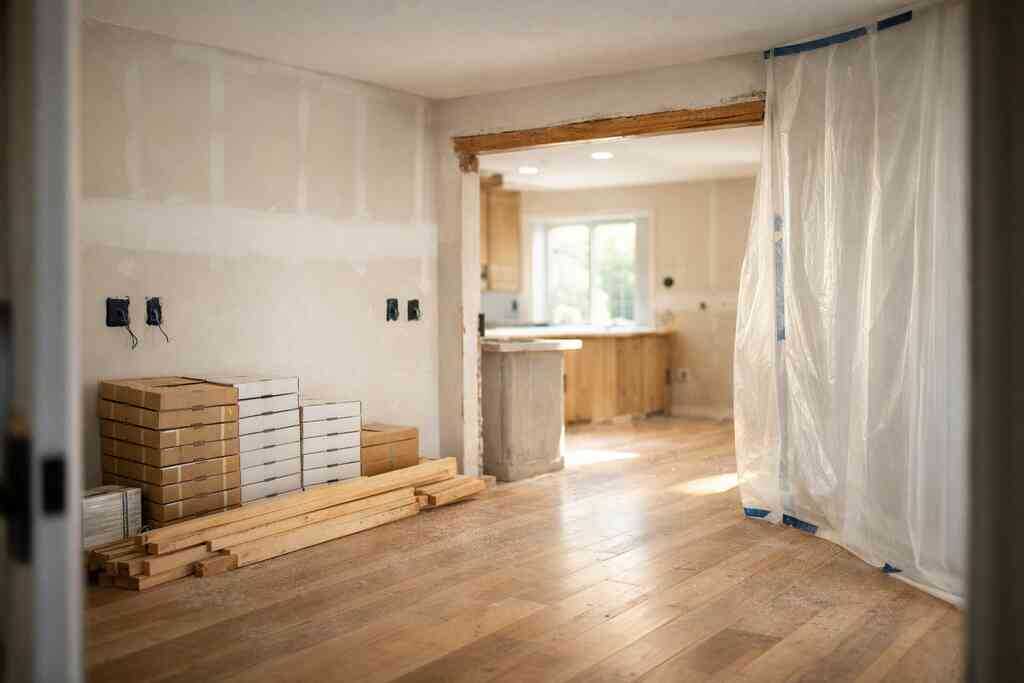
Palm Beach permit requirements mean your remodel is not just a design decision; it is a regulated construction process that can require county, city, HOA, and sometimes condo approval before work starts. If you are feeling stressed by the paperwork, that reaction is normal. The good news is that the permit path is usually clear once you know what kind of work you are actually doing.
Key Takeaways
- Cosmetic updates like paint and cabinet swaps may not need a building permit, but structural, electrical, plumbing, mechanical, and demolition work often does.
- In Palm Beach County, Broward County, and Miami-Dade, condo boards, HOAs, and municipalities can require approval before county permitting even begins.
- A licensed contractor Palm Beach County should submit drawings, scope details, product approvals, and trade permits when needed; owner-pulled permits can create liability and delays.
- Hurricane code compliance matters for exterior work, including windows, shutters, roofing, openings, and any structural change in a coastal home.
- The safest path is to verify licensing, insurance, and lien waivers before demolition, then use a contractor who understands the South Florida permit process.
When a remodel stops being cosmetic and starts triggering Palm Beach permits
Palm Beach permit requirements begin when your remodel changes structure, systems, or life-safety conditions. A fresh coat of paint, new cabinet faces, or a flooring swap may stay cosmetic, but once you touch walls, wiring, plumbing, HVAC, or the building envelope, you may need permits and inspections. That is where a simple upgrade becomes a regulated project.
The warning signs that your kitchen bath or wall removal is no longer just interior refresh work
If your project includes a load-bearing wall removal permit, a new island with relocated plumbing, added recessed lighting, or a moved shower drain, assume permit review is likely. The same applies to an electrical permit for remodels, plumbing permit for remodels, or mechanical permit for remodels. A demolition permit South Florida may also be needed before you open walls.
Here is the part most homeowners miss: the permit trigger is not the room name. It is the work behind the finishes. A South Florida kitchen remodeler or South Florida bathroom remodeler should look at framing, circuits, venting, and plumbing runs before anyone swings a sledgehammer. One Boca-area kitchen project looked like a cabinet refresh until we found old aluminum branch wiring behind the drywall. That changed the scope fast, but it prevented a failed inspection later.
Common permit triggers include:
- Removing or modifying walls
- Moving sinks, tubs, toilets, or laundry hookups
- Adding or rerouting electrical service
- Changing HVAC ductwork or returns
- Replacing windows or doors with impact-rated units
- Altering roof structure, openings, or exterior elevations
- Building a room addition or converting space to living area
A general contractor near me South Florida should help you sort those triggers before you sign, not after demolition begins.
Why condo townhome and HOA projects in South Florida can require approval even before the county does
In condo renovation South Florida and townhome remodeling South Florida, building management often wants drawings, insurance, work hours, floor protection plans, and contractor credentials before the county permit packet is even submitted. A South Florida HOA permit process can be its own gate, and it is not optional. If you skip it, you can get stopped at the front desk even with a county permit in hand.
That is why so many homeowners ask for a home remodeling contractor South Florida who already understands community rules. In some buildings, elevator reservations, debris removal, and waterproofing details matter as much as the cabinet layout. If you need a useful reference point, How South Florida Contractors Handle HOA Approval in Condos explains the approval layers that often surprise owners.
A small Hallandale condo remodel once stalled because the board wanted a structural letter and an updated insurance certificate from the contractor. Nothing was wrong with the design. The project simply needed the right paperwork in the right order. That is common across South Florida.
The paper trail that gets a Palm Beach County remodel approved without painful revisions
A Palm Beach County remodel gets approved faster when the application package is complete, consistent, and tied to a licensed contractor. Missing dimensions, vague scopes, or mismatched drawings are the usual reasons plans get sent back. The goal is simple: make the reviewer understand exactly what changes, who is responsible, and how the work meets code.
What a licensed contractor Palm Beach County is expected to submit and why owner pulled permits can backfire
A licensed contractor Palm Beach County should usually submit a clear scope, plan set, trade declarations, and any required product approvals or engineering. Depending on the project, that may also include permit applications for each trade and documentation showing the contractor can legally perform the work. If you need a quick primer on the bigger process, What Is the South Florida Permit Process for Additions is a helpful related guide. Owner-pulled permits can backfire when the homeowner is not familiar with code, inspection sequencing, or liability exposure. The permit may be issued, but the homeowner still owns the mistakes if work fails inspection or if an unlicensed subcontractor causes a problem. That risk becomes more serious on projects involving South Florida building codes, structural changes, or exterior envelope work. A practical comparison helps: 
Permit pathWho carries the burdenCommon riskBest use caseContractor-pulled permitLicensed contractorLower if scope is clearMost remodels, especially structural or multi-tradeOwner-pulled permitHomeownerHigher liability and coordination riskLimited projects where rules clearly allow itNo permitNobody, until a problem appearsStop-work orders, rework, resale issuesNot a responsible optionFor most homes, especially when you are searching for a licensed contractor Broward County or licensed contractor Miami-Dade, contractor-pulled permits are the cleaner route.
How plans scope documents and contractor insurance requirements Florida fit together before demolition begins
Permit reviewers want the plans, scope, and contractor credentials to match. If the drawings show a new opening, the scope should say who is framing it, who is engineering it, and what inspections are expected. If the contractor is handling the permit, you also want proof of contractor insurance requirements Florida and contractor bonding requirements where applicable.
Before demolition, ask for:
- A written scope with room-by-room work
- Signed drawings or sketches with dimensions
- Product approvals for items like windows or roofing materials
- Proof of active licensing and insurance
- A plan for inspections and closeout
- A discussion of lien waiver Florida documents as payments are made
A lien waiver is a receipt-style document that says a contractor or supplier has been paid for work covered by that payment. It helps reduce the chance of a surprise payment claim later. If the contractor starts changing scope midstream, insist on a written change order contractor Florida form before the extra work begins. That is one of the clearest ways to avoid a contractor dispute resolution problem later.
If you are comparing local teams, What South Florida Contractor Directory Says on Kitchen Remodels is useful because it frames the same paperwork issues from a kitchen-remodel perspective.
Where hurricane code compliance shows up in everyday remodel decisions
Hurricane code compliance shows up any time your remodel touches the outside of the home or changes how the structure resists wind and water. In South Florida, that includes windows, shutters, roofs, wall openings, exterior doors, and certain additions. Even a modest project can trigger product approval and structural review if it affects the building envelope.
Why exterior work in South Florida brings hurricane code compliance into windows roofs shutters and openings
If you replace glass, widen an opening, or add a patio enclosure, you may need impact-rated products and permit documentation that confirms they meet local wind requirements. That matters for a hurricane impact window installer South Florida job, a hurricane shutter contractor project, or a roofing contractor South Florida scope that includes reroofing, sheathing updates, or hurricane roof tie-downs. A related overview is available in What Is the South Florida Permit Process for Roof Replacements.
Exterior work in coastal areas is rarely just cosmetic. An oceanfront condo in Palm Beach or a waterfront home in Broward may need added documentation because of exposure, wind pressure, and corrosion concerns. A coastal home builder Florida or oceanfront home contractor should expect those questions. If the home is older, you may also need a South Florida concrete contractor or South Florida foundation repair specialist before exterior finishes are restored.
We recently saw a Delray property where the homeowner wanted larger sliders for better light. The change looked simple on paper, but the opening enlargement required structural review, impact product approval, and a revised inspection sequence. That is normal in South Florida. It is also why the cheapest bid is not always the cleanest permit path.
How load bearing changes additions and coastal home details can trigger structural review in Palm Beach Broward and Miami Dade
Any project that changes loads, spans, or roof geometry can trigger structural review in Palm Beach County permit, Broward County permit, and Miami-Dade permit processes. That includes a home addition permit Palm Beach County, a second story addition South Florida, or a sunroom contractor South Florida or lanai builder South Florida project that connects to the main structure. A structural reviewer may want engineering for beams, footings, or shear walls.
That is especially true for:
- Second-story additions
- Enlarged openings
- New patios or roof extensions
- Screen enclosures and lanais
- Attached outdoor kitchens
- Garage conversions
- Coastal homes with wind-exposure concerns
If you are planning a sunroom contractor South Florida or lanai builder South Florida project, expect more than finish plans. You may also need coordination with a South Florida custom home builder or South Florida design build team that can handle structure, permitting, and field changes together. For larger additions, What Is the South Florida Permit Process for Additions gives a more detailed look at the approval sequence.
This is also where region-specific expertise matters. A waterfront home builder South Florida knows the difference between a straightforward interior remodel and a project that crosses into South Florida building codes and wind-borne debris compliance. If you are unsure where your project lands, start with a contractor who can read the drawings, explain the permit path, and tell you plainly what will slow the job down.
If you are ready to compare options, South Florida Contractors is a practical place to start because it helps you find a contractor South Florida by trade, city, and ZIP before you call. Search for the right fit, then verify the license, insurance, and permit experience yourself. You do not have to figure it all out alone, and you do not have to guess at the paperwork. Call 18443112703 when you are ready to take the next step.
Frequently Asked Questions
Question: What do Palm Beach County permit requirements for remodels usually mean for my project, and when do I need a licensed contractor Palm Beach County?
Answer: Palm Beach County permit requirements for remodels usually mean your project has crossed from cosmetic updates into regulated construction. If you are only painting, swapping cabinet doors, or changing finishes, you may not need a permit. But once you touch structural framing, electrical, plumbing, mechanical systems, windows, doors, roofing, or demolition, a permit is often required.
A licensed contractor Palm Beach County can help you determine the difference early so you do not lose time or money on avoidable revisions. The right home remodeling contractor South Florida will review the scope, identify whether you need a structural remodeling permit Palm Beach, electrical permit for remodels, plumbing permit for remodels, or mechanical permit for remodels, and then guide you through the South Florida permit process.
At South Florida Contractors, our directory helps you find a contractor South Florida by location and trade so you can compare qualified professionals before work starts. That is especially important for remodels involving South Florida building codes, hurricane code compliance, or any project in a condo or HOA community. We always recommend verifying licensing, insurance, and permit experience before you hire anyone.
Question: In What Do Palm Beach Permit Requirements Mean for Remodels, what work usually triggers a permit for a South Florida kitchen remodeler or South Florida bathroom remodeler?
Answer: In a kitchen or bath remodel, the permit trigger is usually not the room name itself, but the work behind the walls and under the floors. A South Florida kitchen remodeler or South Florida bathroom remodeler may need permits if the project includes moving plumbing lines, adding recessed lighting, changing HVAC vents, removing a wall, relocating a shower drain, or installing new windows or doors.
A project that looks simple at first can quickly become a multi-trade renovation once the demo begins. For example, moving a sink often means a plumbing permit for remodels, new lighting can mean an electrical permit for remodels, and opening walls can reveal framing issues that require a load-bearing wall removal permit or engineering review. If the project affects the exterior envelope, hurricane impact window installer South Florida requirements and hurricane code compliance may also come into play.
That is why working with South Florida contractors who understand the South Florida permit process matters. A good contractor should inspect the existing conditions first, explain which parts need approval, and help you avoid scope changes that cause delays. South Florida Contractors can help you locate experienced professionals who understand interior renovation permit Palm Beach rules and can coordinate the right trades from the start.
Question: How does condo renovation South Florida or townhome remodeling South Florida differ from a single-family remodel when it comes to South Florida HOA permit approvals?
Answer: Condo renovation South Florida and townhome remodeling South Florida often involve a second layer of approval before county permitting even begins. In many communities, the HOA or condo board will want drawings, insurance documents, work hours, floor protection plans, elevator reservations, and contractor credentials before they allow the project to move forward.
That means your South Florida HOA permit process may be just as important as the Palm Beach County permit or Broward County permit itself. If you skip board approval or fail to submit the right documents, the project can be delayed even if your contractor is licensed. This is especially true for projects involving noise, waterproofing, demolition, shared walls, or structural changes.
A home remodeling contractor South Florida who has worked in communities across South Florida will know how to organize the paperwork and keep the process moving. At South Florida Contractors, we help homeowners find a contractor South Florida who is familiar with condo boards, HOA rules, and the permit steps that can make or break a remodel. Just remember to verify contractor licensing Florida, insurance, and community approval requirements before signing anything.
Question: Why does hurricane code compliance matter for exterior remodels, especially when hiring a roofing contractor South Florida or hurricane impact window installer South Florida?
Answer: Hurricane code compliance matters because exterior projects in South Florida are not just design upgrades; they affect the home’s ability to withstand wind, water, and debris exposure. If you replace windows, install shutters, change roof materials, enlarge openings, or add an exterior structure, the project may require product approvals and inspections tied to South Florida building codes.
A roofing contractor South Florida may need to address more than shingles or tile. Depending on the scope, the work could involve decking, underlayment, and hurricane roof tie-downs. A hurricane impact window installer South Florida may also need documentation showing the products meet local wind and impact requirements. The same is true for a hurricane shutter contractor or any project involving openings in a coastal home.
This is why permit requirements for coastal homes are so important in Palm Beach County, Broward County, and Miami-Dade. A coastal home builder Florida or oceanfront home contractor should expect structural questions, product approvals, and inspection sequencing. South Florida Contractors helps homeowners compare experienced professionals, but we always advise verifying licenses and insurance before hiring, especially for exterior and structural work where permit compliance matters most.
Question: Can South Florida Contractors help me find the right general contractor near me South Florida for additions, structural work, or a South Florida luxury renovation?
Answer: Yes. South Florida Contractors is designed to help you find a contractor South Florida by city, ZIP code, and trade so you can connect with the right professional for your project type. Whether you need a general contractor near me South Florida, a South Florida design build team, a South Florida custom home builder, or a specialist for South Florida home additions, the key is matching the contractor to the scope of work.
That matters a lot for projects like a second story addition South Florida, sunroom contractor South Florida work, lanai builder South Florida projects, or an outdoor kitchen contractor South Florida scope. These jobs often involve structural review, permit coordination, trade sequencing, and inspections. If the work also affects exterior walls, roofs, windows, or drainage, hurricane code compliance may be part of the approval path too.
For larger or more complex remodels, it helps to work with a contractor who understands contractor insurance requirements Florida, contractor bonding requirements, lien waiver Florida paperwork, and change order contractor Florida documentation. South Florida Contractors helps you start the search, but we recommend you still verify how to verify a contractor license and confirm current insurance before hiring. That extra step protects your home and your investment.
Question: What should I check before demolition so I do not run into contractor dispute resolution problems during a Palm Beach County remodel?
Answer: Before demolition, you should have a clear written scope, permit plan, and payment process in place. Ask for drawings or sketches, a room-by-room description of work, confirmation of which trade permits are needed, and a schedule for inspections and closeout. This is also the time to ask for proof of licensing, insurance, and any lien waiver Florida documents the contractor will provide as payments are made.
If the scope changes, insist on a written change order contractor Florida form before the additional work begins. That prevents misunderstandings and makes contractor dispute resolution much easier if a question comes up later. For remodels involving structural changes, electrical, plumbing, or exterior envelope work, this documentation is even more important because revisions can affect the permit itself.
South Florida Contractors encourages homeowners to work with qualified South Florida contractors who understand the South Florida permit process, Palm Beach County permit rules, and the realities of renovation in our region. We are here to help you compare options for South Florida flooring installer, South Florida tile contractor, South Florida cabinet maker, South Florida concrete contractor, South Florida foundation repair, and many other project types. Just remember: always verify licensing and insurance before work begins, and never skip permit requirements.